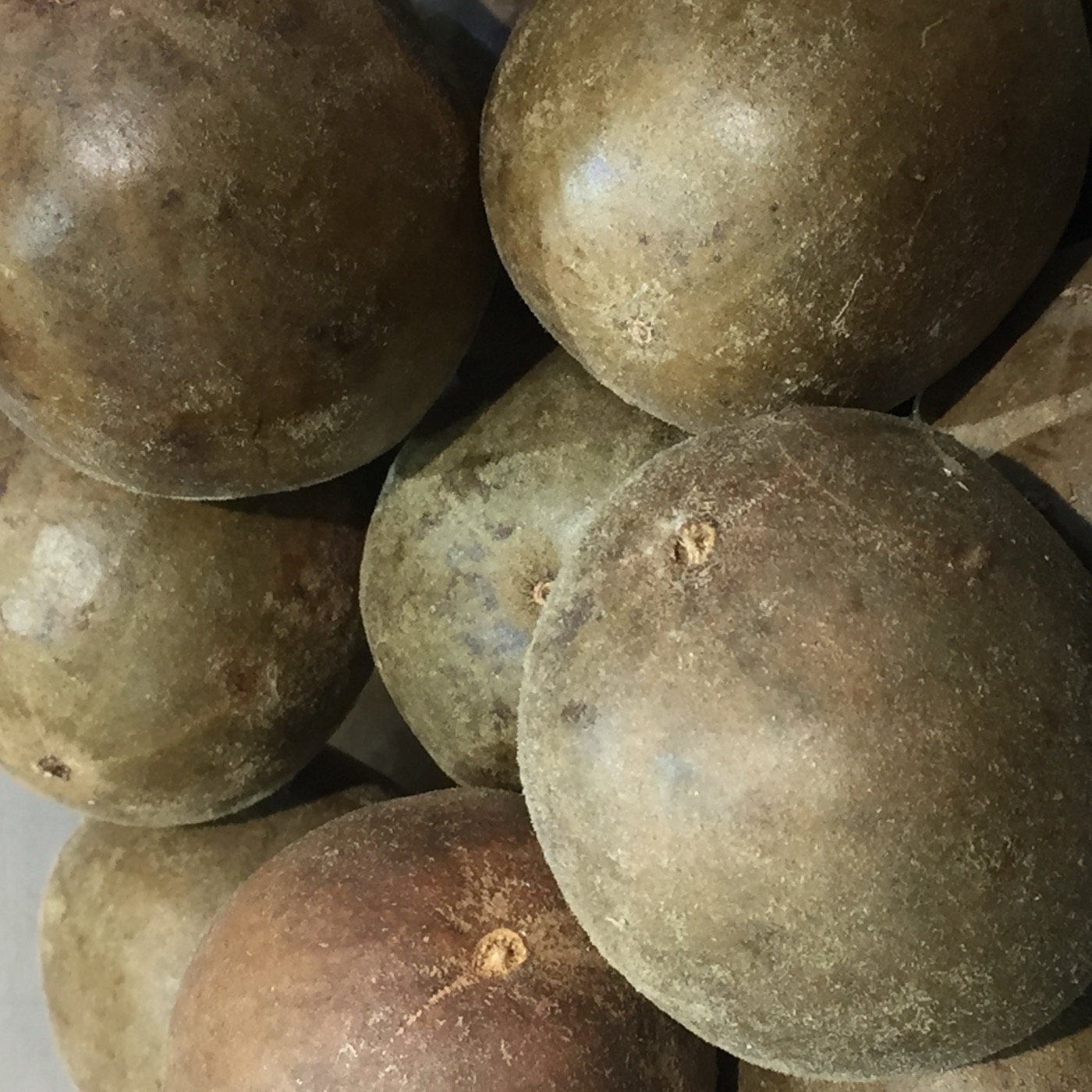
Monk fruit sweetener
Siraitia grosvenorii fruit extract standardised to mogroside V at 25%, 40% or 50% by HPLC. Water-soluble, heat and acid stable, non-nutritive. Chinese-origin fruit, vegan, no declarable allergens.
Specifications
| Botanical identity | Siraitia grosvenorii (Swingle) C. Jeffrey ex A. M. Lu & Zhi Y. Zhang, Cucurbitaceae; the dried fruit, known in Chinese as luo han guo. Extract of the fruit, not the leaf. |
| Marker compound | Mogroside V, CAS 88901-36-4, C60H102O29, molecular weight 1287.4 — a cucurbitane-type triterpene glycoside. Mogrosides IV and VI and siamenoside I also present. |
| Standardisation | Mogroside V at 25%, 40% or 50% by HPLC as the standard range, with total mogrosides reported alongside. High-purity mogroside V at 95% minimum available to order. |
| Sweetening power | Mogroside V is reported at about 250 times the sweetness of sucrose. Extract sweetness is quoted as a sucrose equivalence for the specific grade, not as one figure. |
| Process | Dried fruit extracted with hot water, the extract enriched on adsorption resin and by chromatography, then spray dried. The extraction route is stated on the specification. |
| Appearance and solubility | Off-white to light tan free-flowing powder with a mild fruity note. Readily soluble in water; stable through the heat and acid conditions of normal food processing. |
| Purity, residues and microbiology | Moisture, ash, residual solvents, heavy metals, pesticides and full microbiology fixed to the buyer's specification and reported per lot; Salmonella absent per 25 g as standard. |
| Blend option | Erythritol-bulked table-top and spoon-for-spoon builds made to an agreed sucrose equivalence. That blend is a separate product with its own tariff line and price. |
| Allergen status | No milk, egg, fish, crustacean, mollusc, soy, peanut, tree nut, sesame, celery, mustard, lupin or gluten-containing cereal at any stage. No sulphites added. |
| Origin status | Vegan and vegetarian; no bovine, porcine or marine input. Fruit grown almost entirely in Guangxi, China; origin declared as China, never as Indian material. |
| Regulatory status — US and China | US: GRAS, FDA no-questions letter on GRAS Notice GRN 301 (2010), with further notices since. China: permitted food additive under GB 2760. |
| Regulatory status — EU and India | EU: only a specific aqueous extract is authorised, as a novel food under Regulation (EU) 2024/2345. India: FSSAI treats it as a non-specified food ingredient needing approval. |
| Shelf life and storage | 24 months unopened from manufacture, below 25 C and 65% RH, out of direct light. Hygroscopic — keep sealed and use desiccant where the destination is humid. |
| HS code | India ITC-HS 1302 19 19 (13021919) for the standardised extract, 18% GST. High-purity mogroside V goes to 2938 90 90. See the classification note below. |
Applications
Available grades
Mogroside V at 25%, 40% and 50% by HPLC as the standard range, with total mogrosides reported alongside; high-purity mogroside V at 95% minimum to order. Erythritol-blended table-top and spoon-for-spoon builds quoted as a separate item under a separate tariff line. Organic-certified and non-GMO grades, kosher and halal certification, and EU-facing lots matched to the authorised aqueous-extract specification where that route is required.
Related products
Psyllium husk (Isabgol)
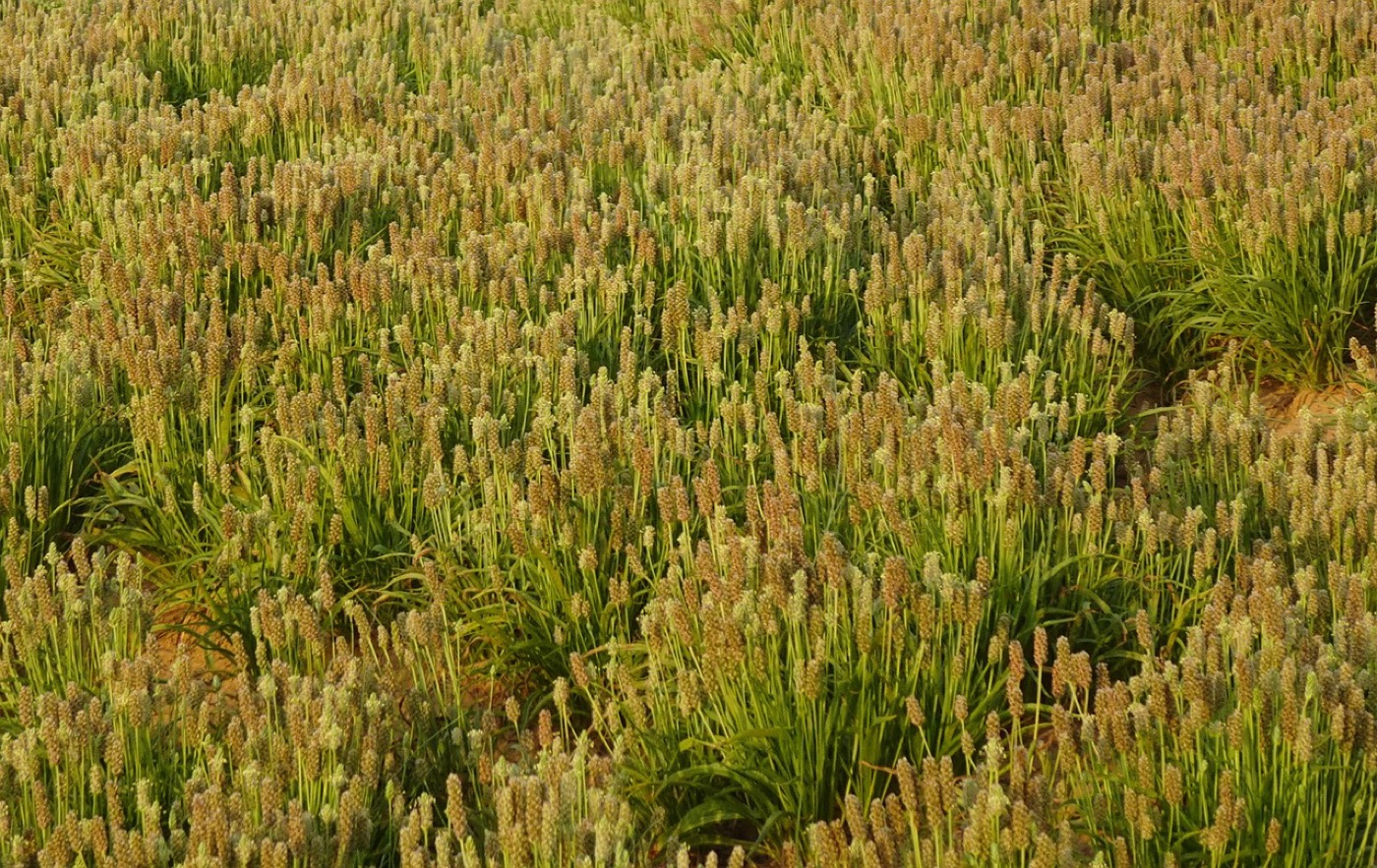
Plantago ovata seed husk from north Gujarat, graded 85% to 99% USP on light extraneous matter, swell volume 40 mL/g minimum. Whole flakes at 40 mesh or milled to 60-200 mesh. Vegan and tested gluten-free.
Stevia sweetener (table-top)
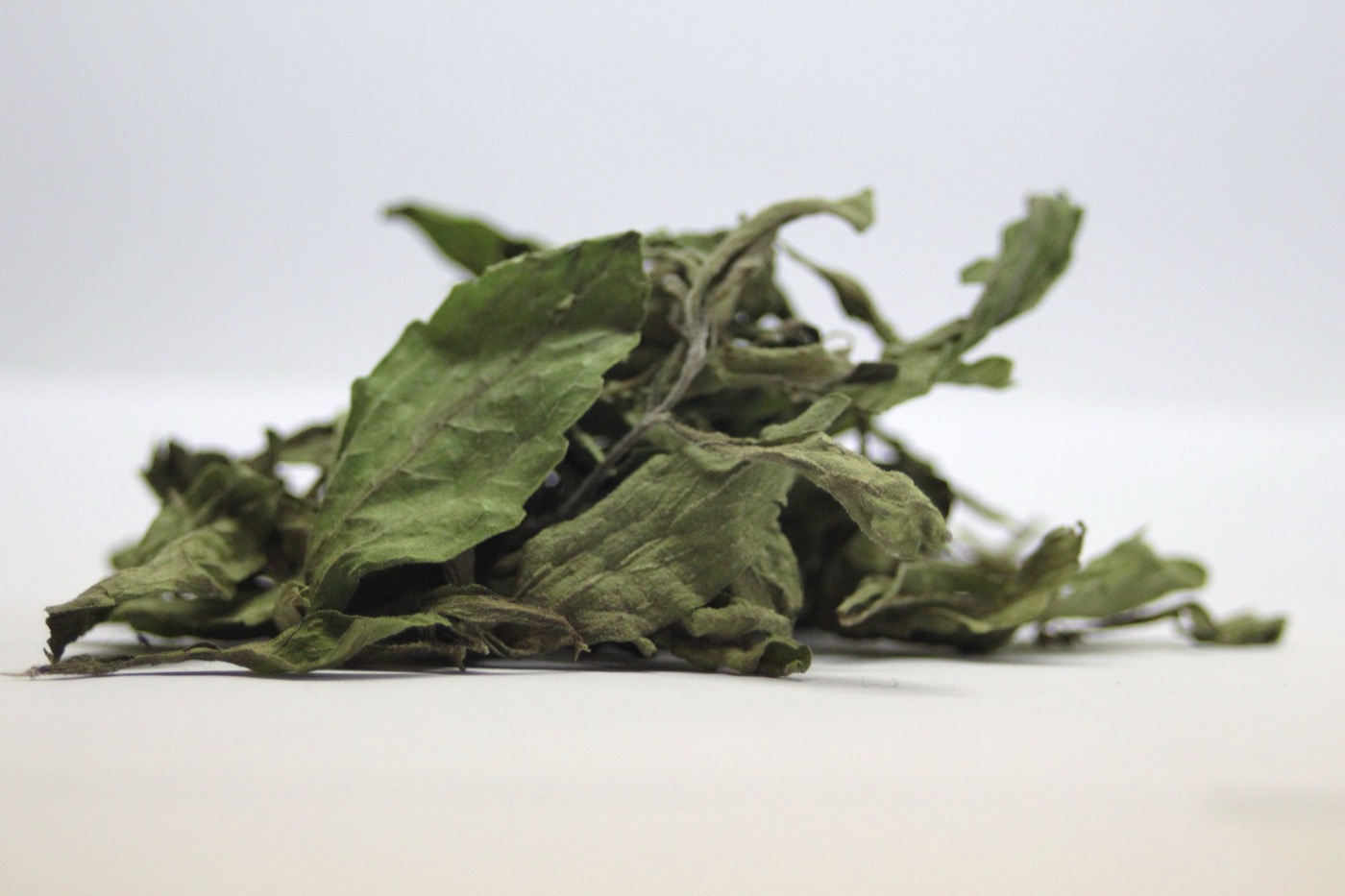
Steviol glycosides at 95% minimum blended with a bulking agent to a stated sucrose equivalence, supplied as bulk powder, stick packs and sachets, or compressed tablets. Vegan, with no declarable allergens.
Erythritol
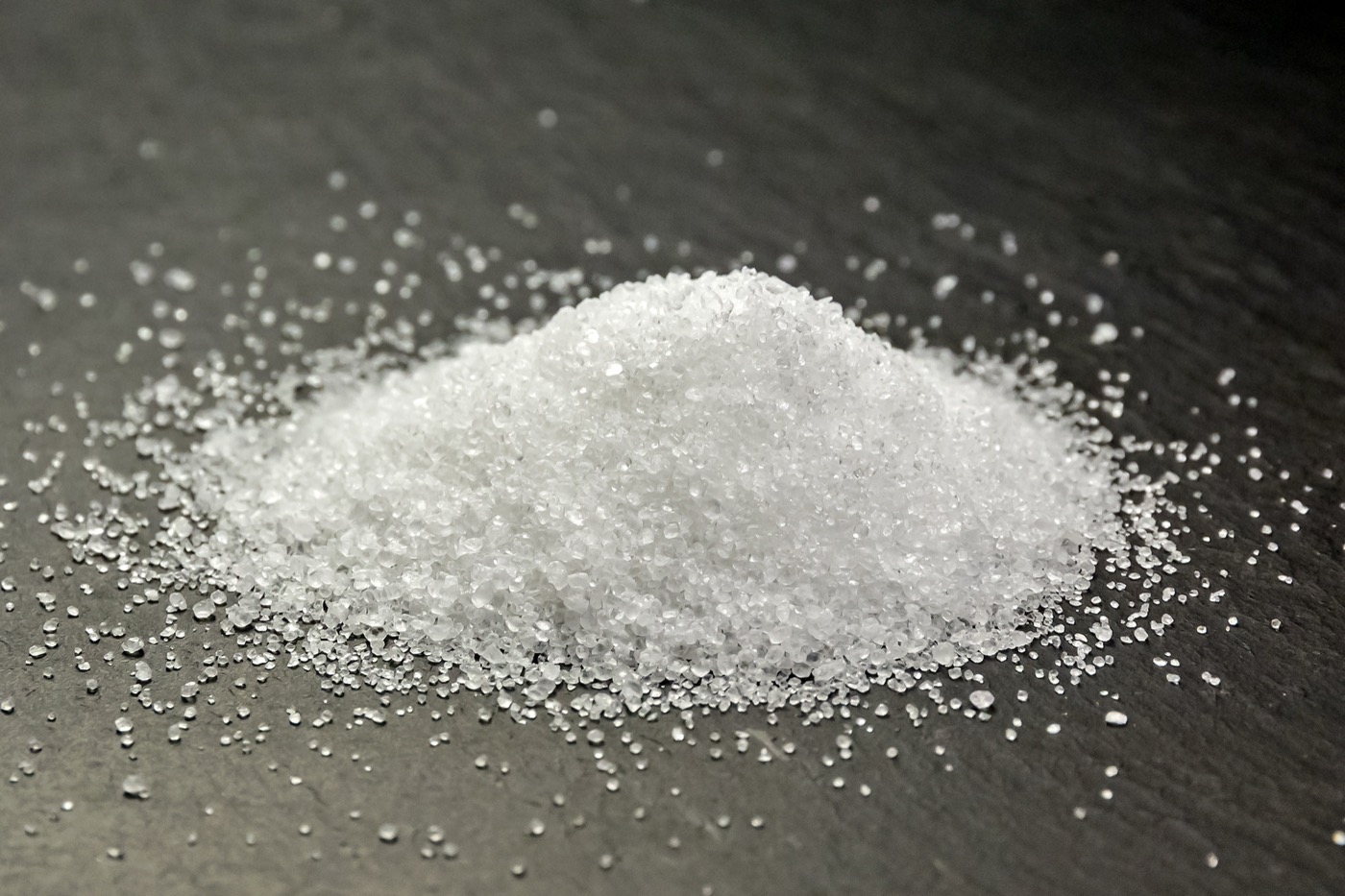
Fermentation-derived four-carbon polyol, food additive E968, assaying not less than 99% after drying. Around 60-70% the sweetness of sucrose, zero kcal/g under EU labelling, with a clean endothermic cooling note.