Resistant Wheat Dextrin Soluble Fibre
Soluble fibre made by dextrinising wheat starch — a white, cold-water-soluble powder carrying 85% or more dietary fibre by AOAC 2001.03, clear and low in viscosity in solution.
Specifications
| Chemical identity | Dextrin, CAS 9004-53-9; additive number INS / E 1400; empirical formula (C6H10O5)n |
| Raw material | Food-grade wheat starch from Triticum aestivum — the starch fraction only, not wheat flour, wheat bran or wheat protein |
| Manufacture | Dextrinisation by controlled dry heat with a trace food-grade acid catalyst, followed by purification, filtration, decolourisation and spray drying |
| Structure | Glucose polymer with alpha-(1→4) and alpha-(1→6) bonds plus linkages re-formed during roasting that human digestive enzymes hydrolyse only partially |
| Total dietary fibre | ≥85% w/w dry basis by AOAC 2001.03, the method written for resistant dextrin and resistant maltodextrin; ≥70% and ≥90% grades quotable |
| Appearance and sensory | Free-flowing white to off-white powder; bland, near-neutral taste and odour, so it does not muddy flavour systems |
| Solubility | Fully soluble in cold water to high solids; clear, low-viscosity, non-gelling solutions suited to ready-to-drink and clear beverages |
| Reducing sugars | Supplied with reducing sugar content, expressed as dextrose on the dry substance, below 10% — the tariff ceiling that keeps the goods in heading 3505 |
| Loss on drying and pH | Loss on drying ≤5.0% and pH 4.0–6.0 in 10% solution as typical trade limits; the batch figures are stated on the certificate of analysis |
| Allergen and origin | Wheat-derived — declare wheat. Vegan and vegetarian; no milk, egg, soy, fish, crustacean or tree-nut input; not bovine, porcine or marine |
| Gluten status | Wheat is a gluten-bearing cereal under EU allergen labelling; residual gluten tested per batch by R5 ELISA, <20 mg/kg grades quotable on request |
| Microbiology and contaminants | Total plate count, yeasts and moulds, E. coli and Salmonella per batch; heavy metals and pesticide residues to Codex and FSSAI limits |
| Shelf life and storage | 24 months in the original sealed bag below 25 °C and 65% RH, away from direct sunlight, moisture and strong odours |
| HS code | 35051090 (India ITC-HS) — dextrins and other modified starches, other |
Applications
Available grades
Food and supplement grade. Standard ≥85% total dietary fibre (AOAC 2001.03), with ≥70% and ≥90% fibre grades and agglomerated instantised powder to order. Identity-preserved non-GMO wheat, kosher and halal options; manufactured under FSSAI licence in an ISO 22000 / HACCP GMP facility.
Related products
Psyllium husk (Isabgol)
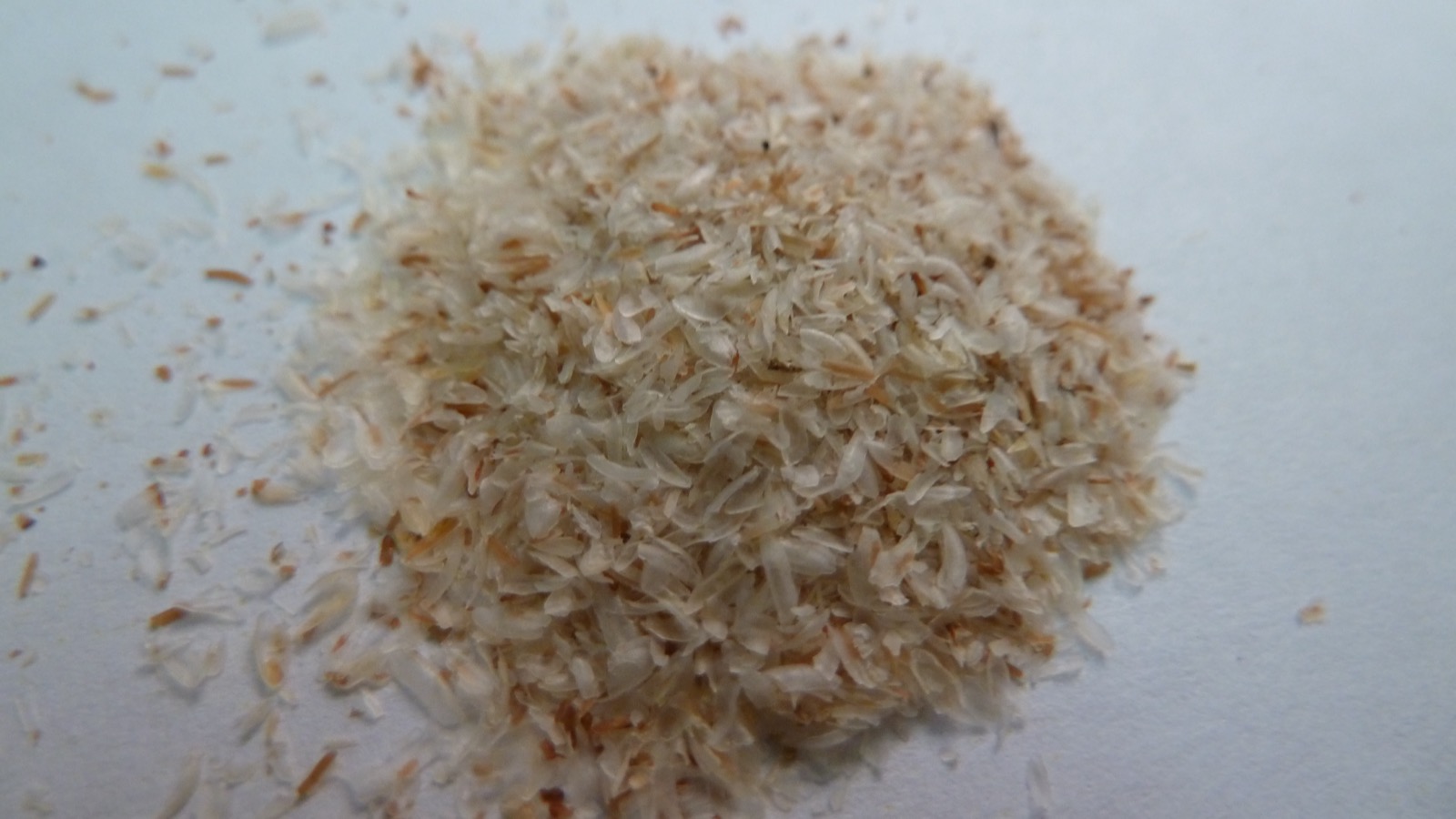
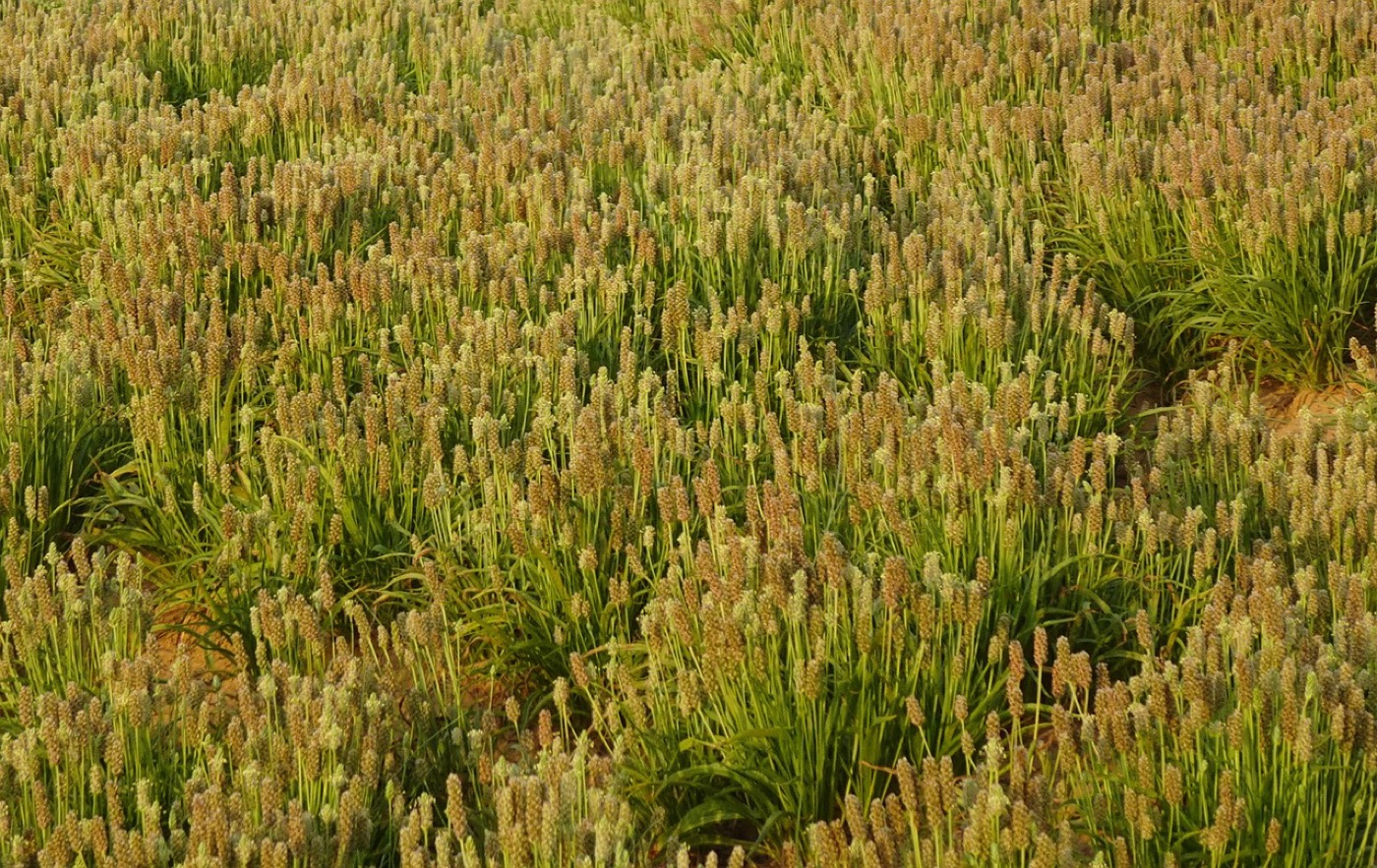
Plantago ovata seed husk from north Gujarat, graded 85% to 99% USP on light extraneous matter, swell volume 40 mL/g minimum. Whole flakes at 40 mesh or milled to 60-200 mesh. Vegan and tested gluten-free.
Stevia sweetener (table-top)
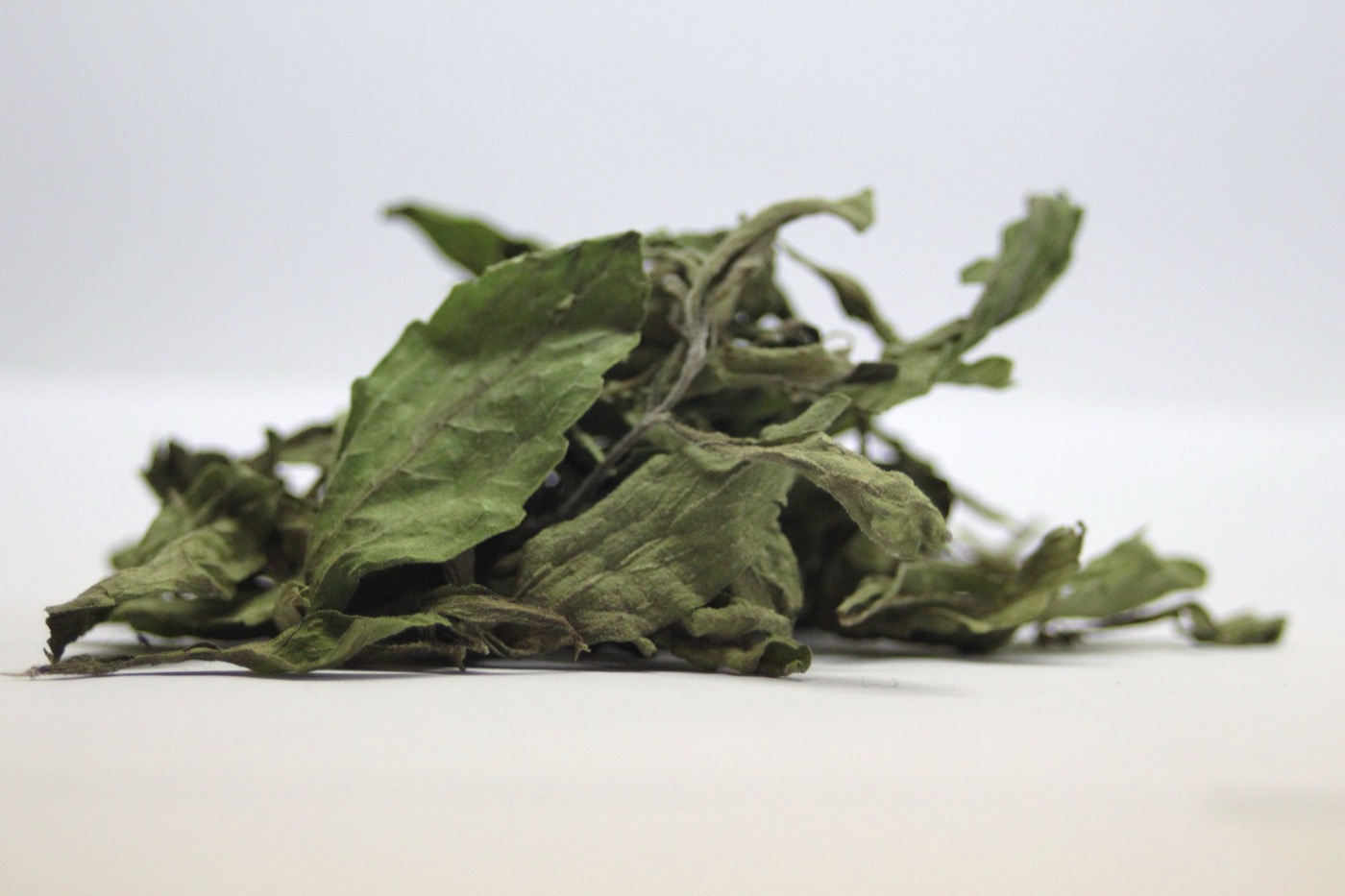
Steviol glycosides at 95% minimum blended with a bulking agent to a stated sucrose equivalence, supplied as bulk powder, stick packs and sachets, or compressed tablets. Vegan, with no declarable allergens.
Monk fruit sweetener
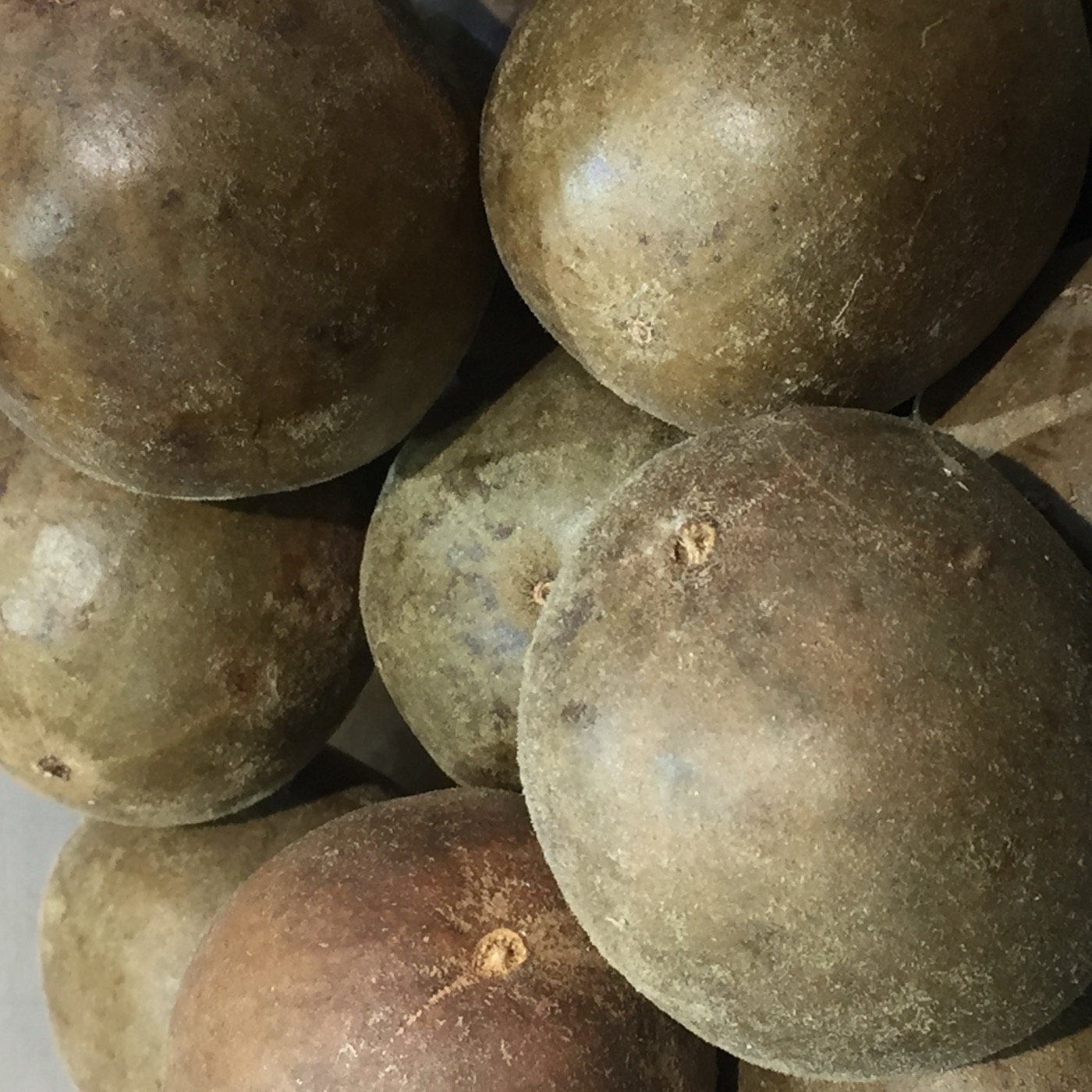
Siraitia grosvenorii fruit extract standardised to mogroside V at 25%, 40% or 50% by HPLC. Water-soluble, heat and acid stable, non-nutritive. Chinese-origin fruit, vegan, no declarable allergens.