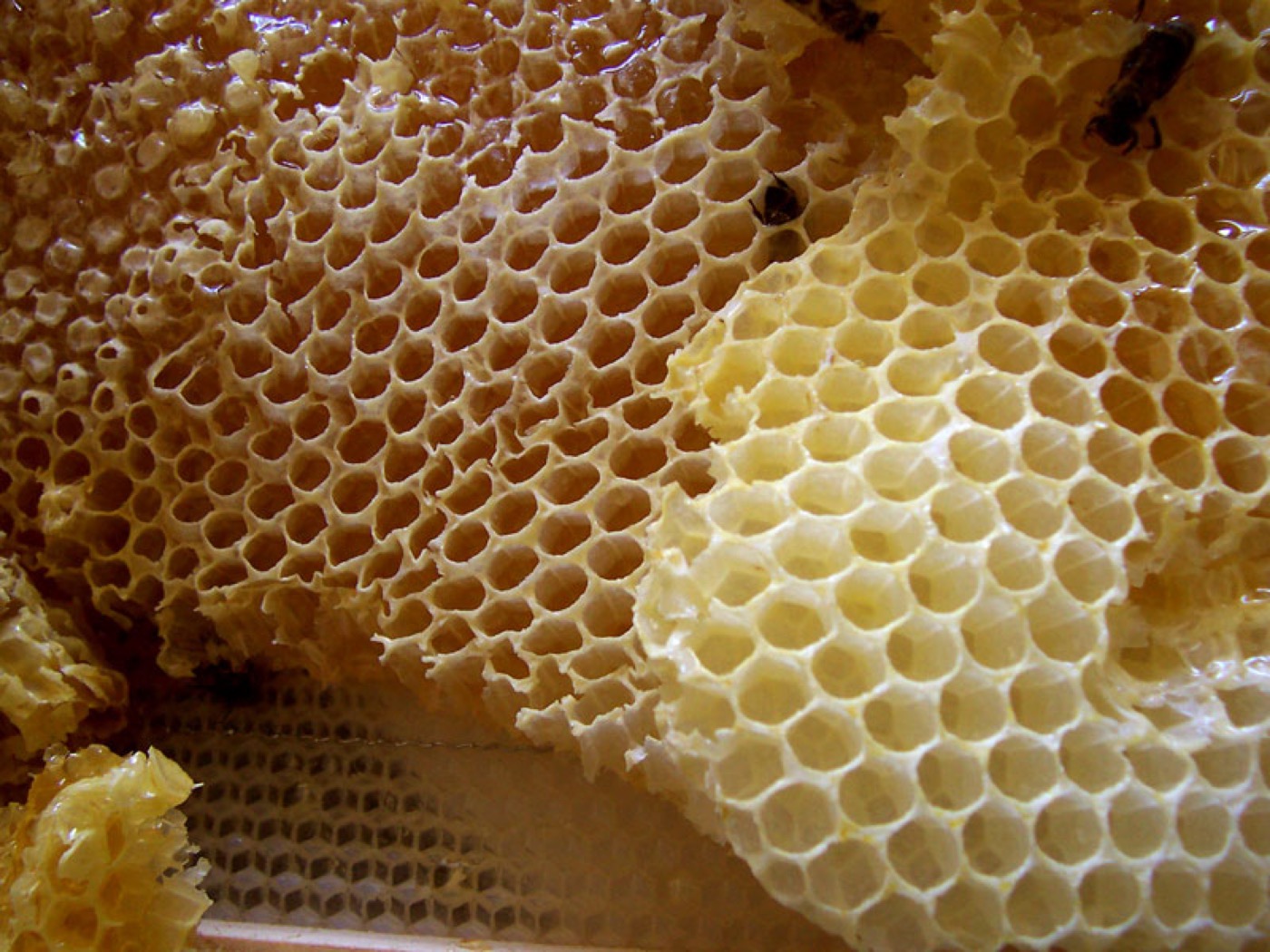
Raw Natural Honey
Raw and filtered Indian honey, multifloral and monofloral, packed without pasteurisation. Controlled on moisture, HMF, diastase and sugar profile to Codex limits, in drums, pails, jars and sachets.
Specifications
| Definition and standard | Codex CXS 12-1981: the natural sweet substance produced by honey bees from nectar or plant secretions, ripened in the comb. Nothing may be added, not even food additives |
| Bee species and floral sources | Apis mellifera and Apis cerana indica, plus wild Apis dorsata lots. Multiflora, mustard, litchi, eucalyptus, acacia, jamun, sunflower, sidr and forest honeys |
| Typical composition | About 17% water and 82% carbohydrate; fructose about 51% and glucose about 44% of total sugars; density 1.38-1.45 kg/L at 20 C; average pH 3.9, range 3.4-6.1 |
| Colour and solids grading | Pfund scale from 0 mm water white to over 114 mm dark amber. USDA soluble solids: Grade A and B not less than 81.4%, Grade C not less than 80.0% |
| Moisture | Not more than 20% under Codex (23% for heather honey). Export lots are commonly held at 17.0-19.5% to protect against fermentation in transit |
| Fructose plus glucose | Not less than 60 g/100 g for blossom honey; not less than 45 g/100 g for honeydew honey and blends of honeydew with blossom honey |
| Sucrose | Not more than 5 g/100 g; 10 g/100 g allowed for citrus, false acacia, alfalfa, red gum and leatherwood; 15 g/100 g for lavender and borage honey |
| HMF | Not more than 40 mg/kg; not more than 80 mg/kg for honey of declared origin from countries or regions with tropical ambient temperatures, which covers Indian honey |
| Diastase activity | Not less than 8 Schade units determined after processing and blending; not less than 3 Schade units for honeys with a naturally low enzyme content |
| Acidity, solids and conductivity | Free acidity max 50 meq/kg; water-insoluble solids max 0.1 g/100 g and 0.5 g/100 g for pressed honey; conductivity max 0.8 mS/cm blossom, min 0.8 mS/cm honeydew |
| Authenticity testing | Sugar profile by AOAC 977.20 and C4 sugar by stable carbon isotope ratio analysis, AOAC 991.41. Foreign-oligosaccharide screening and NMR profiling on request |
| Allergen, origin and diet status | Animal-origin apiary product: vegetarian but not vegan. Free from milk, egg, gluten, soy, fish, crustacean and nuts. Contains natural pollen |
| Shelf life and storage | 24 months in sealed food-grade packaging at 10-25 C, away from moisture, direct light and strong odours. Crystallisation is natural and reversible by gentle warming |
| HS code | 0409 00 00, natural honey. Flavoured or fortified honey leaves this heading; see classification note |
Applications
Available grades
Raw and unheated (coarse-filtered, unpasteurised); filtered liquid; creamed or set; monofloral lots including mustard, litchi, eucalyptus, acacia, jamun, sunflower and sidr, plus multiflora and forest honey; organic under NPOP, NOP or EU; EU-market lots processed in EIC-approved units under the annual Residue Monitoring Plan; NMR-profiled and C4-tested lots on request; halal and kosher certified.
Related products
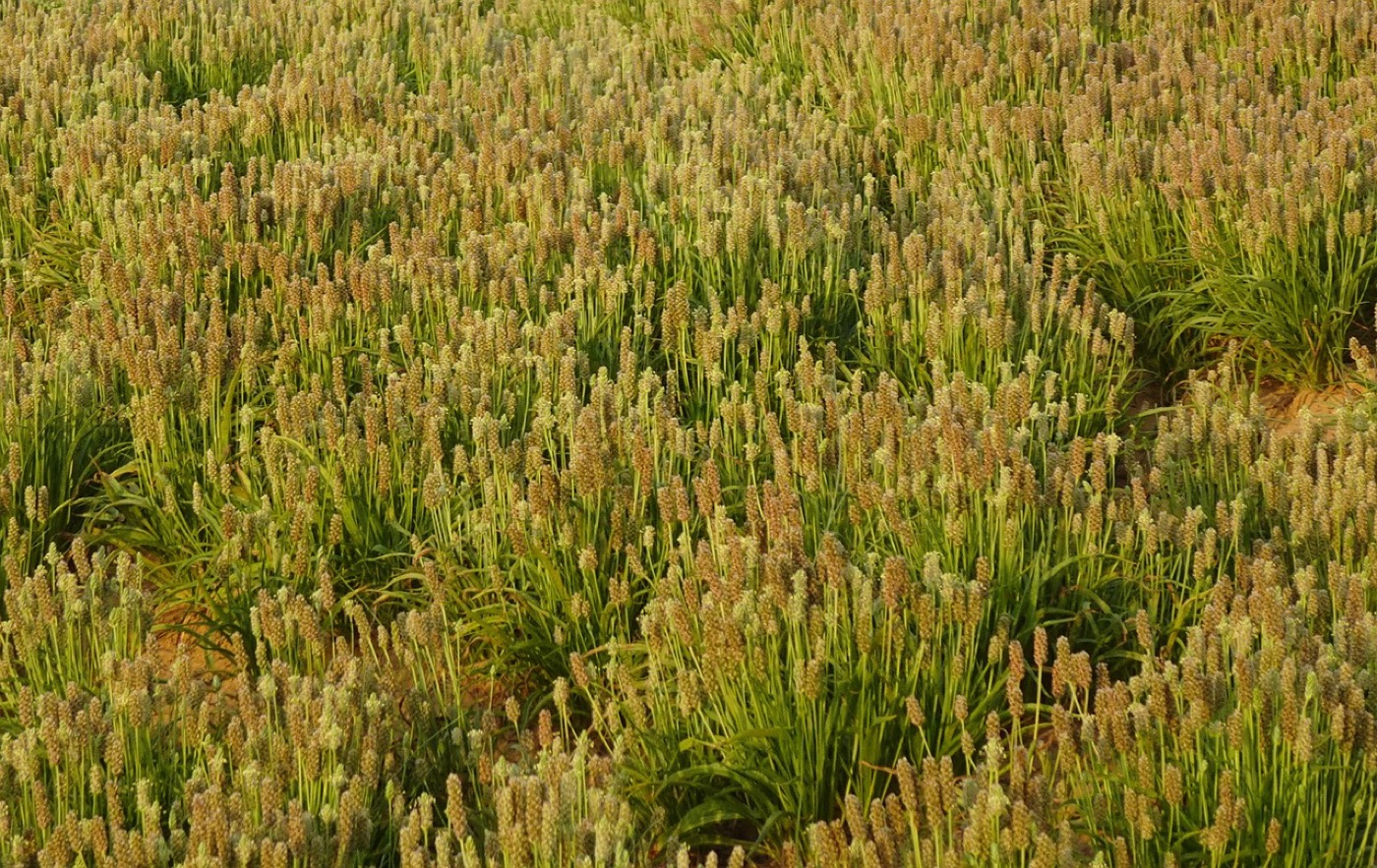
Psyllium husk (Isabgol)
Plantago ovata seed husk from north Gujarat, graded 85% to 99% USP on light extraneous matter, swell volume 40 mL/g minimum. Whole flakes at 40 mesh or milled to 60-200 mesh. Vegan and tested gluten-free.
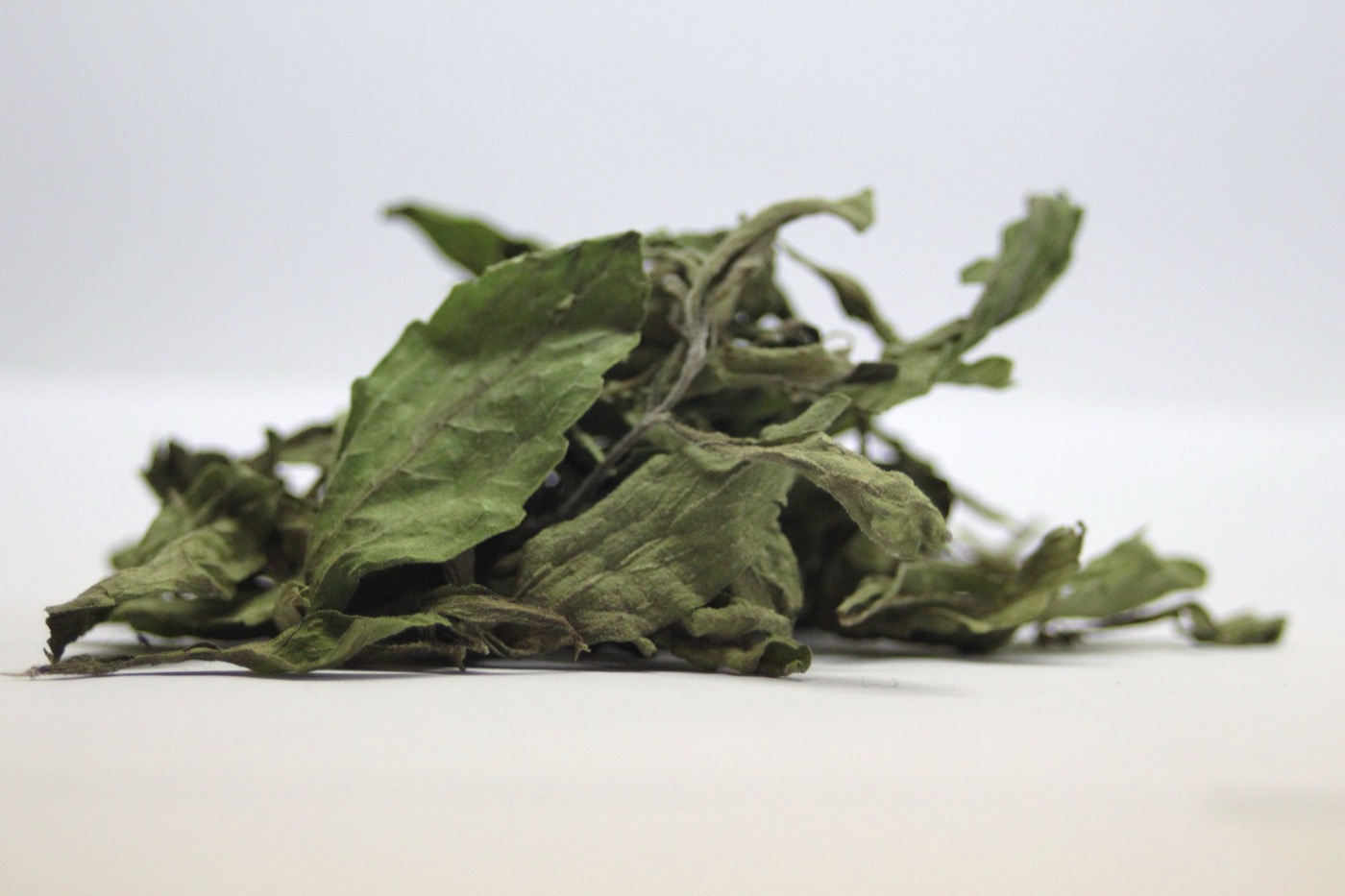
Stevia sweetener (table-top)
Steviol glycosides at 95% minimum blended with a bulking agent to a stated sucrose equivalence, supplied as bulk powder, stick packs and sachets, or compressed tablets. Vegan, with no declarable allergens.
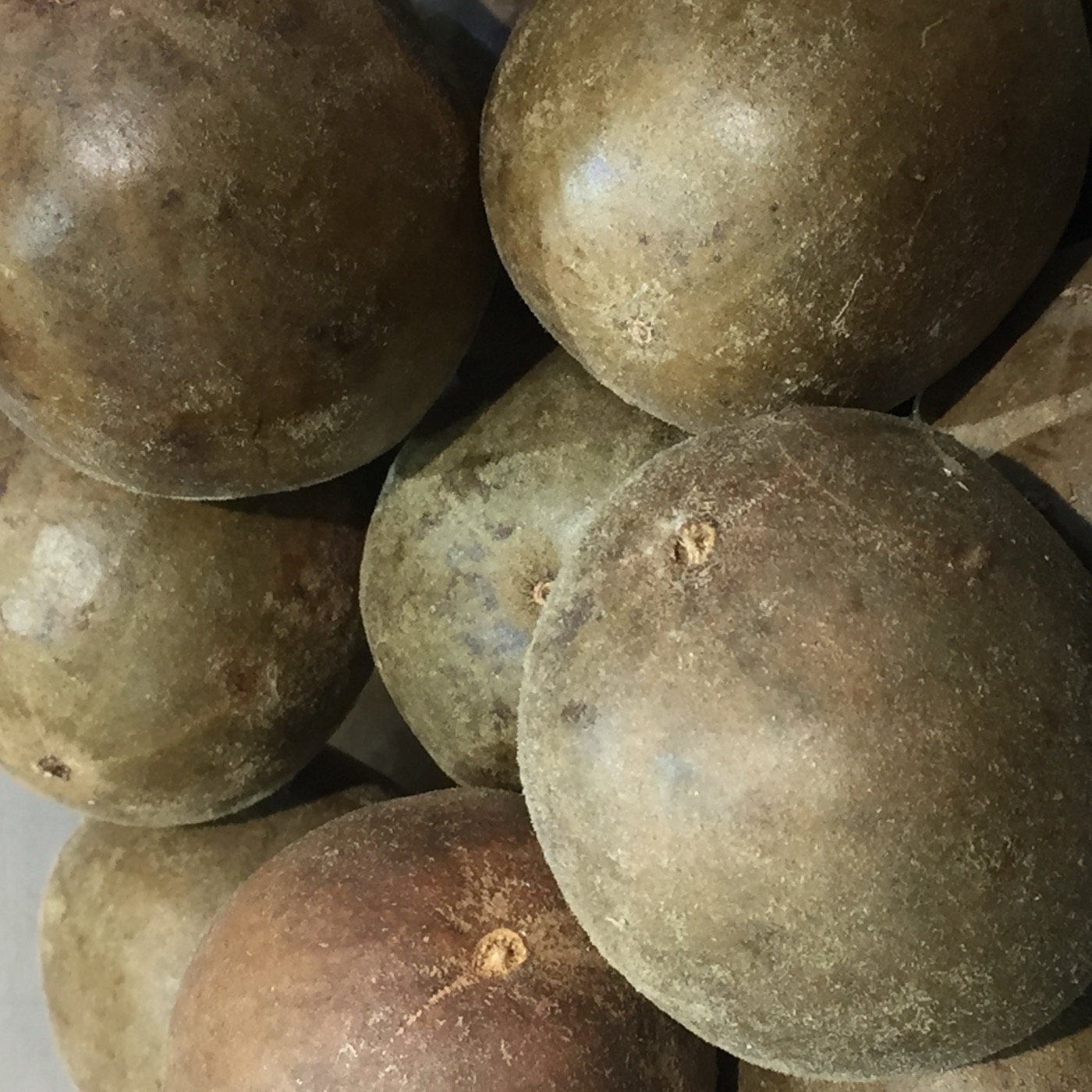
Monk fruit sweetener
Siraitia grosvenorii fruit extract standardised to mogroside V at 25%, 40% or 50% by HPLC. Water-soluble, heat and acid stable, non-nutritive. Chinese-origin fruit, vegan, no declarable allergens.