Protein Bar
High-protein snack bar built on whey, milk or plant protein. Formulated to your protein load, sugar profile, coating and bar weight, with dairy-free, vegan and allergen-controlled variants for private label.
Specifications
| Product type | Cold-formed or extruded high-protein bar; single-layer or layered with a centre, uncoated, compound-coated or chocolate-enrobed |
| Dairy protein options | Whey protein concentrate, whey protein isolate, milk protein concentrate, micellar casein and calcium caseinate, singly or blended |
| Whey protein isolate reference | WPI powders are typically over 90% protein by dry weight and are processed to remove fat and lactose, by microfiltration plus ultrafiltration or by ion exchange |
| Whey fraction profile | Approximately 65% beta-lactoglobulin, 25% alpha-lactalbumin and 8% bovine serum albumin, with immunoglobulins and glycomacropeptide |
| Plant protein options | Soy protein isolate, pea protein isolate, rice protein, faba protein and pumpkin or sunflower seed protein |
| Collagen option | Bovine, porcine or marine collagen peptides. Species must be stated: marine grades are a fish allergen, and porcine or bovine origin drives halal, kosher and vegetarian status |
| Protein claim thresholds | "Source of protein" needs at least 12% of energy from protein and "high protein" at least 20%, under Reg (EC) 1924/2006; formulation is built to the target line |
| Bar weight | 30-80 g finished; 45 g, 50 g, 60 g and 70 g are the standard formats. Layered and centre-filled constructions available |
| Water activity | Target aw 0.50-0.65 for ambient stability and texture control; no microbial proliferation occurs below aw 0.60 |
| Allergen status, dairy build | Contains milk. Bovine dairy origin, so vegetarian but not vegan. Soy lecithin, peanut, tree nut and egg declarations follow the inclusion list |
| Allergen status, plant build | Milk-free and egg-free; soy declared where soy protein or soy lecithin is used; vegan where no dairy, egg or honey is present |
| Gluten | Gluten-free achievable. Oat, wheat or barley crisps and malt extract introduce gluten and are omitted or replaced for gluten-free lots |
| Shelf life and storage | 9-12 months at 15-25 C in sealed flow-wrap; nitrogen flush and desiccant available. Avoid cold-chain condensation, which blooms coated bars |
| HS code | 2106 90 99 for an uncoated bar; chocolate-coated bars move to heading 1806 and cereal-based builds to heading 1904. See classification note |
Applications
Available grades
Whey concentrate, whey isolate, milk protein and micellar casein builds; soy, pea and rice vegan builds; bovine or marine collagen builds; low-sugar and sugar-free versions using polyols or allulose; uncoated, compound-coated or real-chocolate enrobed; certified gluten-free, halal, kosher and organic options; full private-label recipe, bar weight and wrap.
Related products
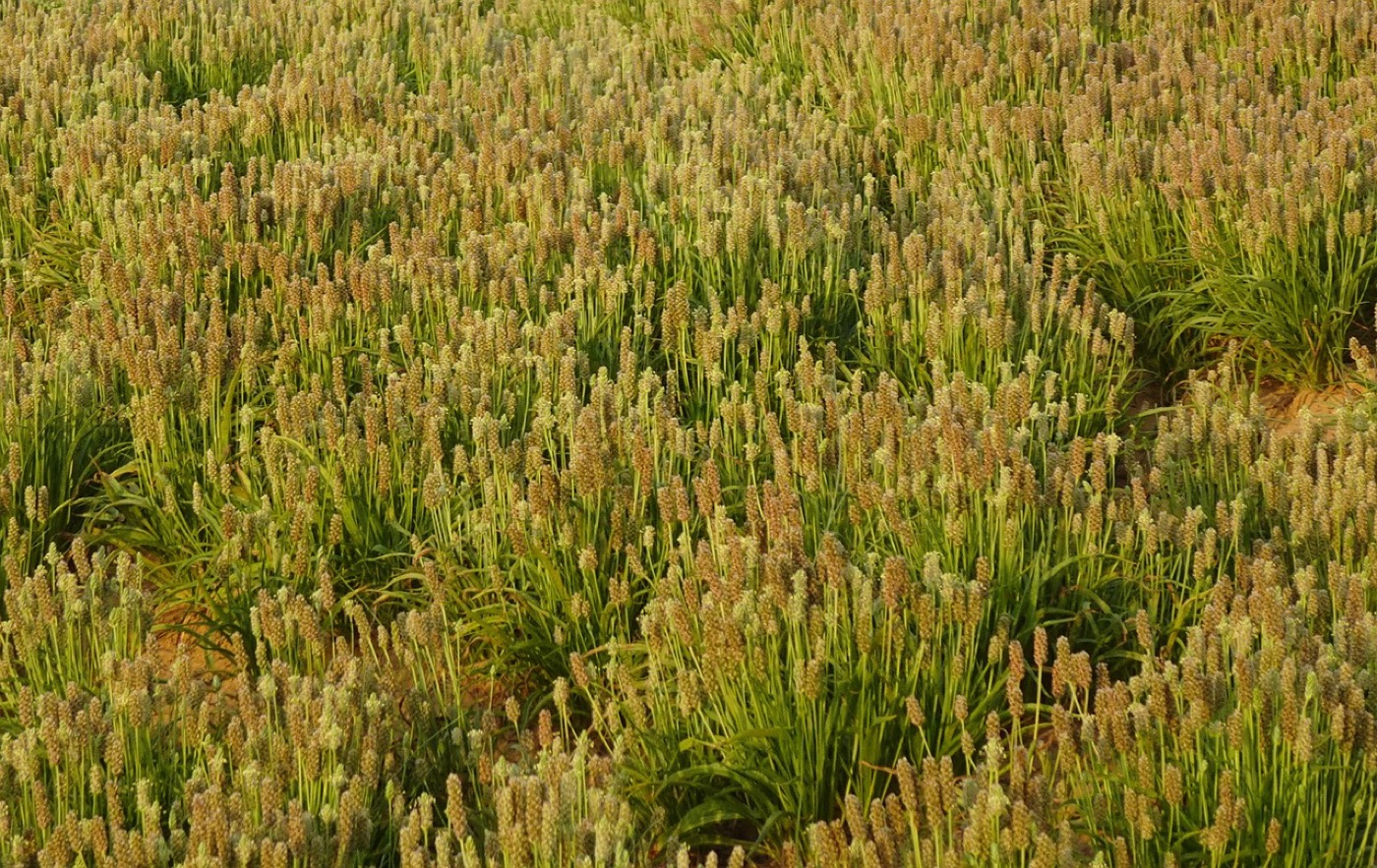
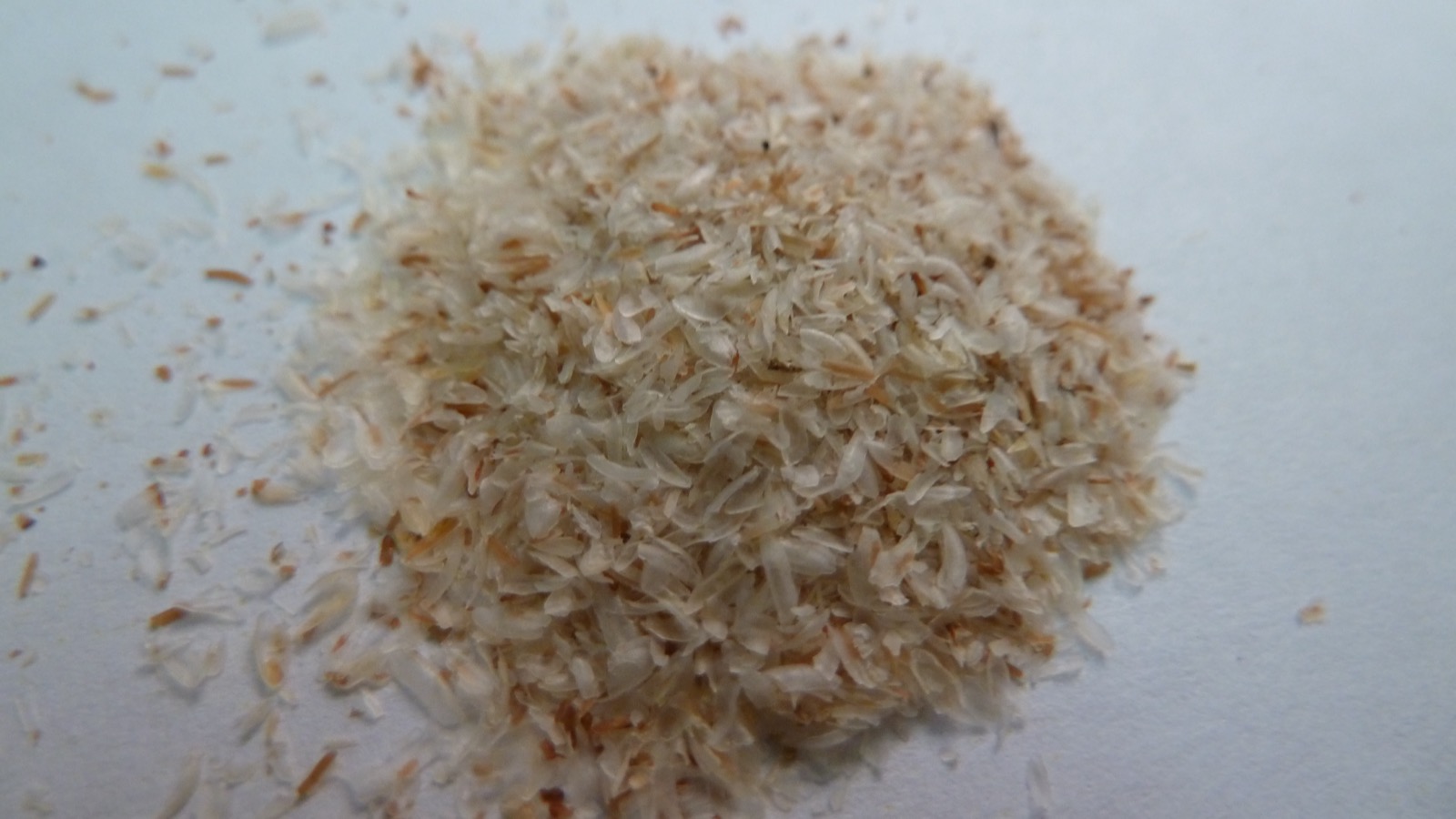
Psyllium husk (Isabgol)
Plantago ovata seed husk from north Gujarat, graded 85% to 99% USP on light extraneous matter, swell volume 40 mL/g minimum. Whole flakes at 40 mesh or milled to 60-200 mesh. Vegan and tested gluten-free.
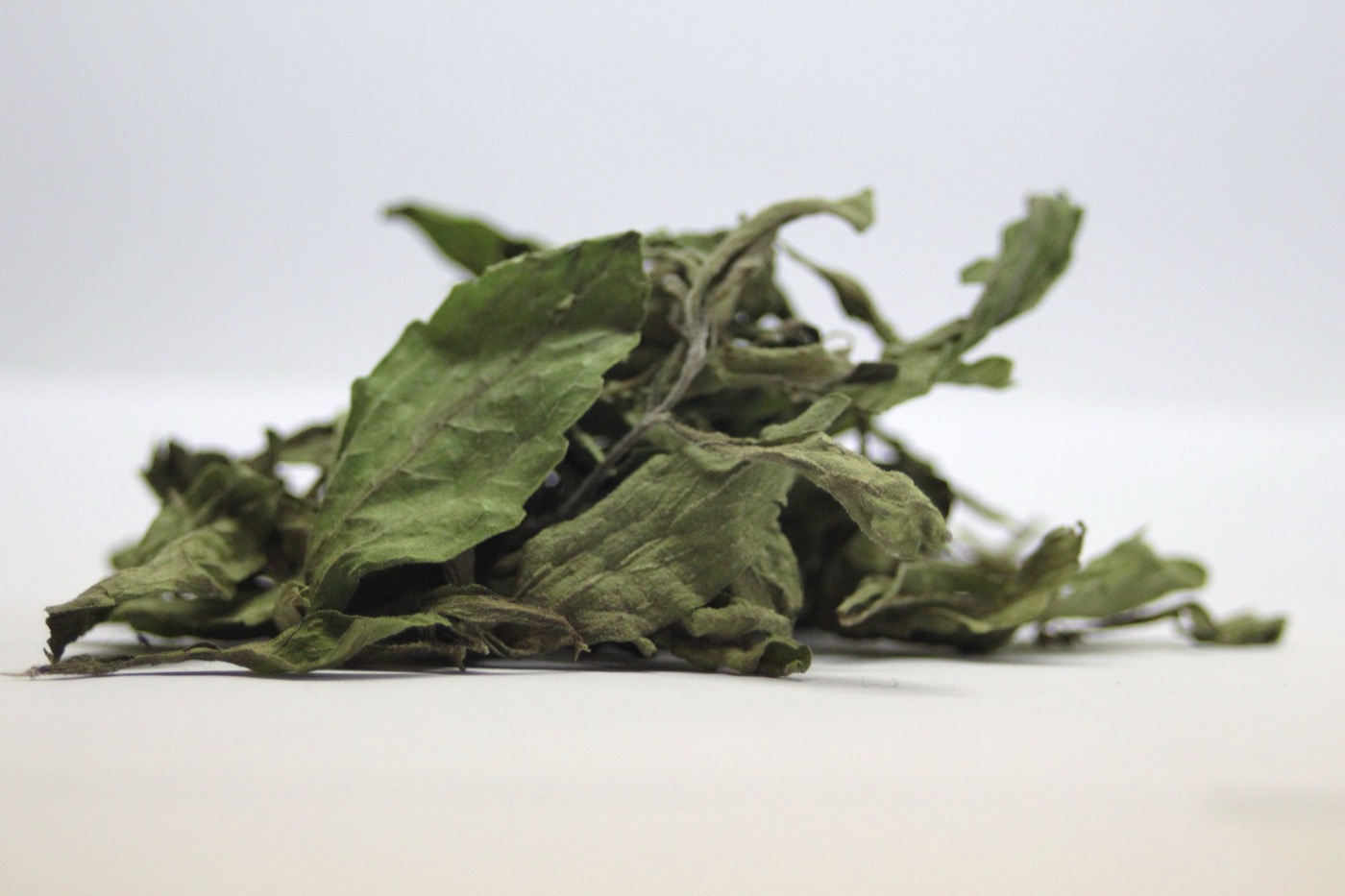
Stevia sweetener (table-top)
Steviol glycosides at 95% minimum blended with a bulking agent to a stated sucrose equivalence, supplied as bulk powder, stick packs and sachets, or compressed tablets. Vegan, with no declarable allergens.
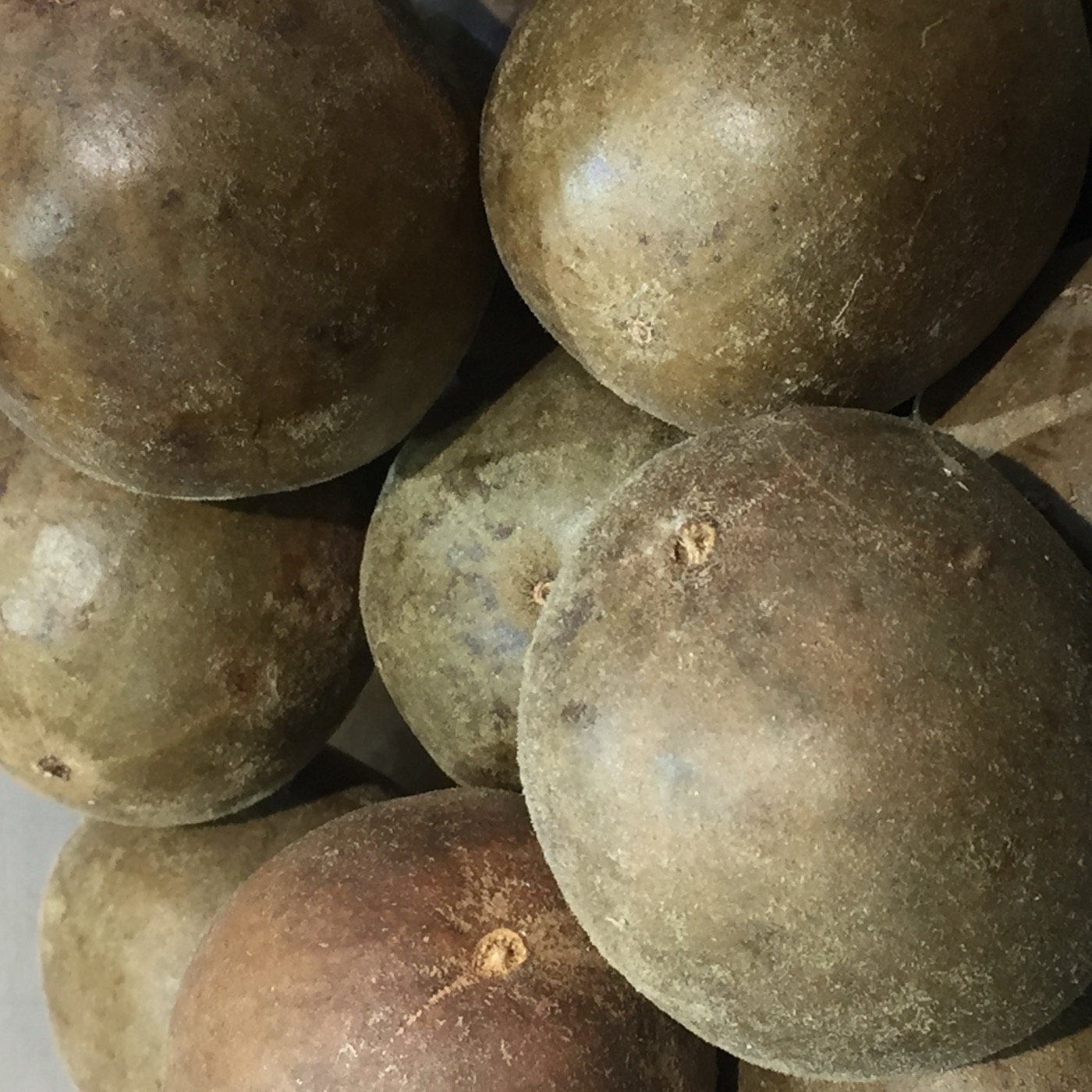
Monk fruit sweetener
Siraitia grosvenorii fruit extract standardised to mogroside V at 25%, 40% or 50% by HPLC. Water-soluble, heat and acid stable, non-nutritive. Chinese-origin fruit, vegan, no declarable allergens.