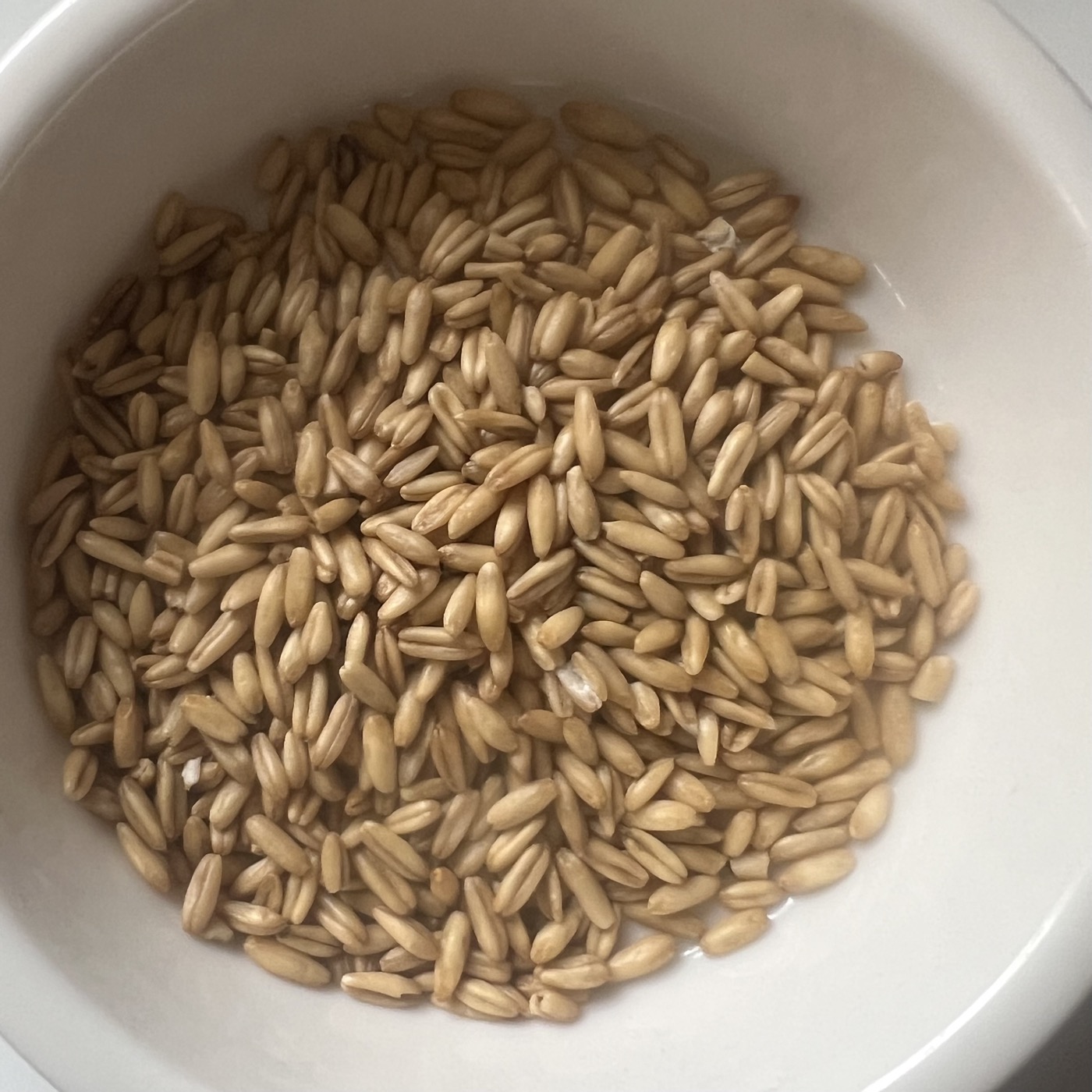
Oat Beta-Glucan Concentrate
Soluble oat fibre concentrated on mixed-linkage (1→3),(1→4)-beta-D-glucan and supplied at 22%, 35% or 70% assay — a viscosity-building powder for drinks, bakery and fibre supplements.
Specifications
| Identity | Mixed-linkage (1→3),(1→4)-beta-D-glucan, CAS 9041-22-9; glucose is essentially the only monosaccharide present |
| Botanical source | Avena sativa L. (oat) — cell-wall fibre of the kernel, concentrated in the outer endosperm and carried into the bran fraction |
| Molecular structure | Linear glucan of three or four beta-(1→4) linked glucose units separated by single beta-(1→3) links; oats carry more three-unit blocks than barley |
| Standardisation | Beta-glucan at 22%, 35% or ≥70% w/w dry basis, assayed by the McCleary lichenase and beta-glucosidase enzymatic method |
| Grade character | 22% and 35% are milled, air-classified oat bran fractions retaining starch and protein; ≥70% grades are water- and enzyme-extracted, alcohol-precipitated |
| Molecular weight | High-molecular-weight polymer; a medium-viscosity analytical oat beta-glucan reference measures about 272 kDa. Food grades sold against declared viscosity |
| Appearance | Off-white to light cream free-flowing powder with a mild, characteristic cereal note |
| Solution behaviour | Hydrates into viscous, pseudoplastic solutions; viscosity rises with molecular weight and concentration and falls under shear |
| Reference compositional floors | US labelling rules define oat bran as ≥5.5% beta-glucan soluble fibre with ≥16% total dietary fibre (dwb), rolled oats and whole oat flour as ≥4% and ≥10% |
| Allergen and origin | Oat-derived. Vegan and vegetarian; no milk, egg, soy, fish, crustacean or tree-nut input; not bovine, porcine or marine |
| Gluten status | Oats sit with the gluten-bearing cereals in EU allergen labelling and carry avenin; gluten-free oat supply tested <20 mg/kg by R5 ELISA quotable on request |
| Quality controls | Moisture, beta-glucan assay, viscosity, total plate count, yeasts and moulds, E. coli and Salmonella per batch; heavy metals and pesticides to Codex and FSSAI limits |
| Shelf life and storage | 24 months in the sealed original bag below 25 °C and 65% RH; keep dry, since the powder hydrates readily and cakes if exposed |
| HS code | 13023900 (India ITC-HS) — mucilages and thickeners derived from vegetable products, other |
Applications
Available grades
Food and supplement grade at 22%, 35% and ≥70% beta-glucan; instantised and low-microbial-load grades to order, and viscosity specified to the buyer's formula. Gluten-free oat supply tested below 20 mg/kg by R5 ELISA, non-GMO, kosher and halal options; FSSAI-licensed ISO 22000 / HACCP manufacture.
Related products
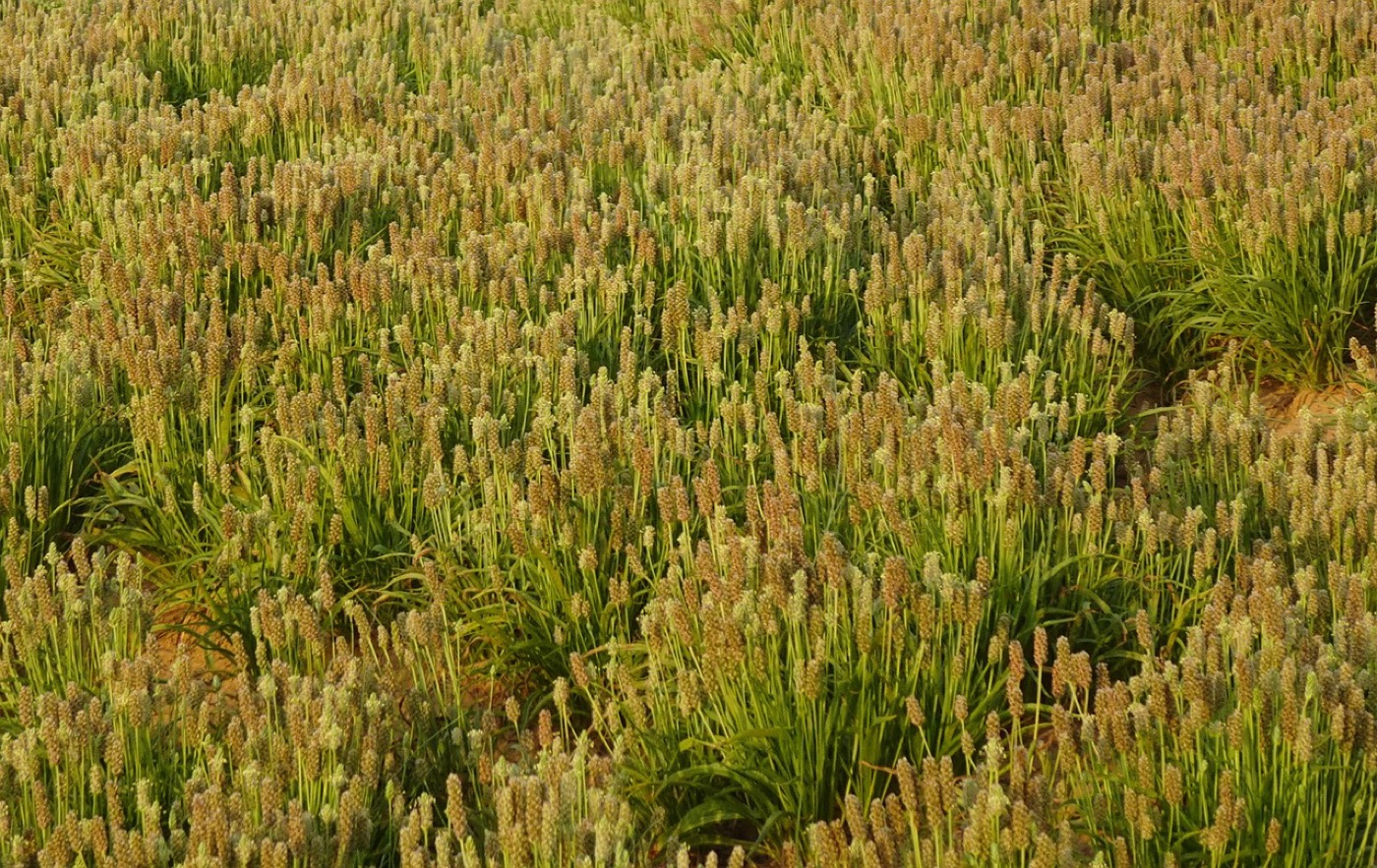
Psyllium husk (Isabgol)
Plantago ovata seed husk from north Gujarat, graded 85% to 99% USP on light extraneous matter, swell volume 40 mL/g minimum. Whole flakes at 40 mesh or milled to 60-200 mesh. Vegan and tested gluten-free.
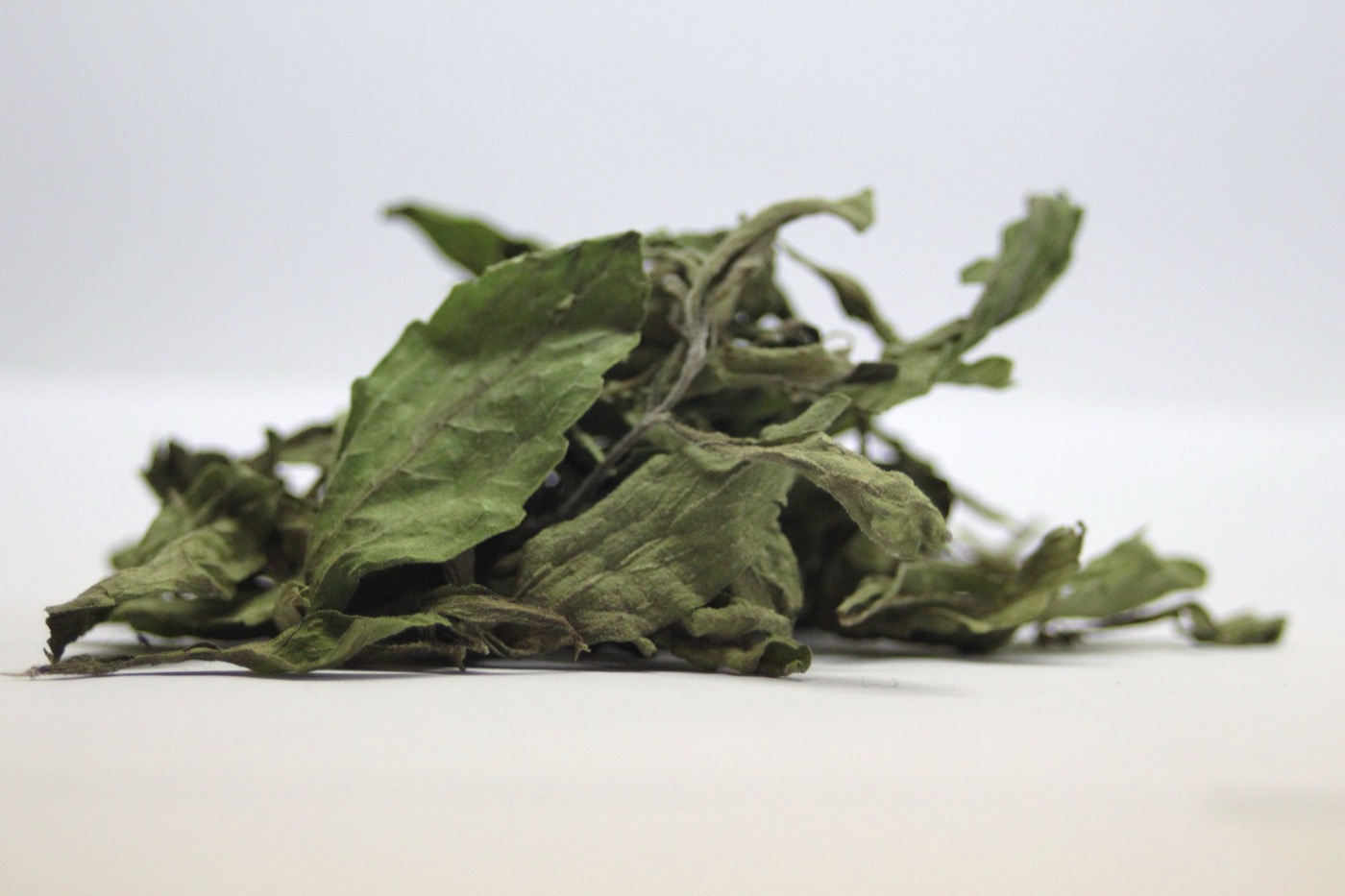
Stevia sweetener (table-top)
Steviol glycosides at 95% minimum blended with a bulking agent to a stated sucrose equivalence, supplied as bulk powder, stick packs and sachets, or compressed tablets. Vegan, with no declarable allergens.
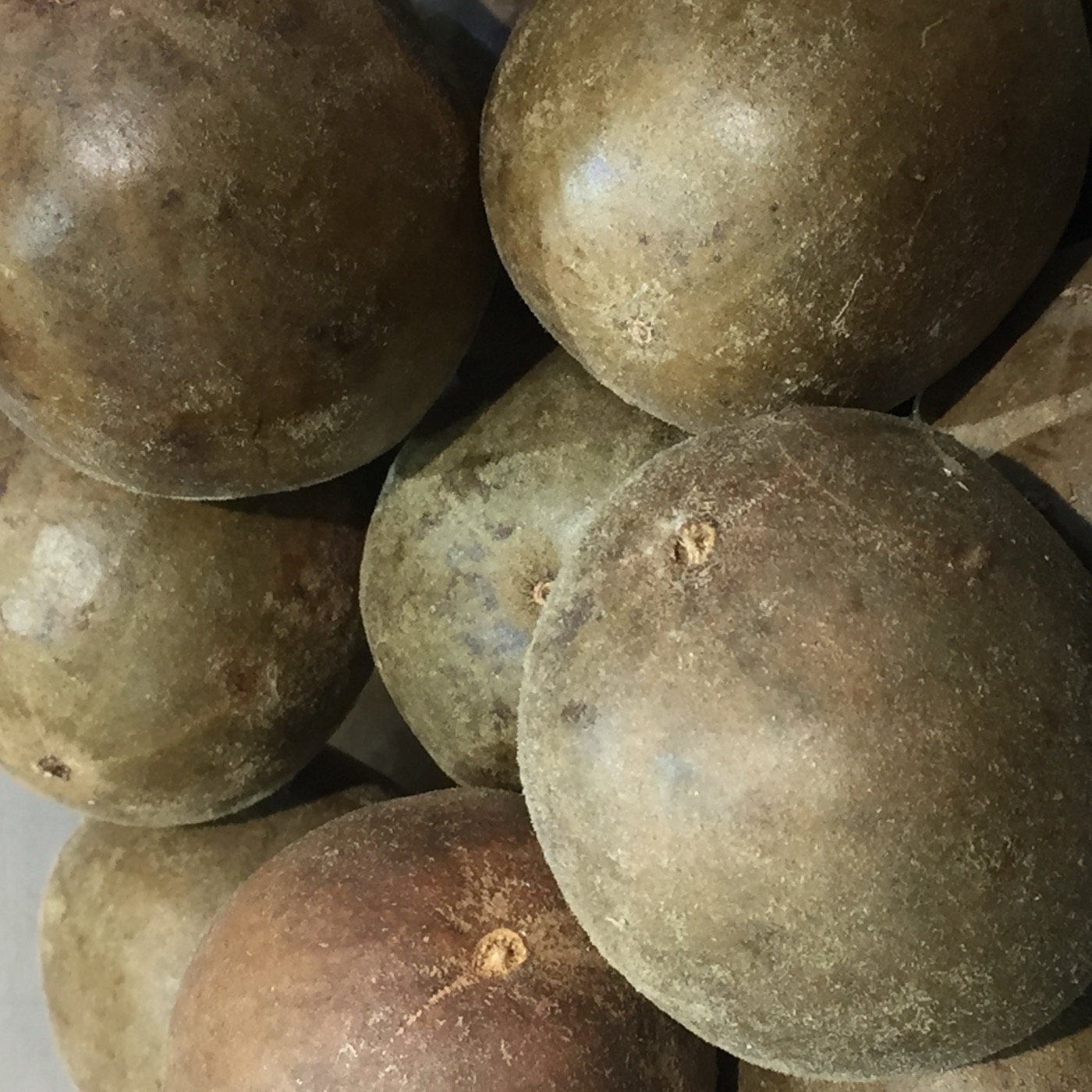
Monk fruit sweetener
Siraitia grosvenorii fruit extract standardised to mogroside V at 25%, 40% or 50% by HPLC. Water-soluble, heat and acid stable, non-nutritive. Chinese-origin fruit, vegan, no declarable allergens.