Nutritional Yeast (Inactive)
Primary-grown Saccharomyces cerevisiae, heat-inactivated and dried to yellow flakes or powder. Savoury, non-leavening, vegan, and carrying protein and B-group vitamins. Unfortified and B12-fortified grades.
Specifications
| Product identity | Inactive nutritional yeast — heat-killed whole cells of a strain of Saccharomyces cerevisiae, supplied as flakes, granules or powder |
| Production route | Primary-grown on a medium with glucose from sugarcane or beet molasses, then heat-killed, harvested, washed, dried and packed — not spent brewer's yeast |
| Appearance | Yellow flakes, granules or free-flowing powder; flake grades have low bulk density and ship by volume rather than weight |
| Odour and taste | Strong savoury character, usually described as nutty or cheesy; used as a seasoning at low inclusion rates |
| Protein and fibre | A fortified reference product is 53% protein, giving 8 g protein and 3 g dietary fibre per 15 g serving; assay confirmed per lot |
| B-group vitamins | Fortified reference product per 15 g: thiamine 11.9 mg, riboflavin 9.8 mg, niacin 46 mg, vitamin B6 5.9 mg |
| Vitamin B12 | Yeast cannot make B12. Fortified grades carry cyanocobalamin added separately — 17.6 µg per 15 g on the reference product. Unfortified grades carry none |
| Leavening activity | None. The cells are heat-inactivated, so the material will not ferment a substrate or raise a dough |
| Solubility | Disperses readily in water and hot liquids; only partially soluble — flakes soften and rehydrate rather than dissolving fully |
| Allergens | No milk, egg, fish, crustacean, peanut or tree nut. Molasses-grown yeast is not a barley product, unlike spent brewer's yeast; gluten tested per lot on request |
| Dietary status | Vegan and vegetarian; microbial (fungal) biomass with no animal, dairy, marine, bovine or porcine input at any step |
| Purity and microbiology | Heavy metals, total plate count, yeast and mould, E. coli and Salmonella tested per lot against destination market limits |
| Shelf life and storage | 24 months in sealed packaging, stored cool and dry away from light and moisture; hygroscopic once opened, so reseal after use |
| HS code (India) | 2102 20 00 — inactive yeasts. See the classification note; the final call rests with the importing customs authority |
Applications
Available grades
Unfortified (non-fortified) flakes, B12-fortified flakes, granules and fine powder. Organic certification available on request, along with kosher and halal documentation. Mesh cut and fortification level set to the buyer's specification.
Related products
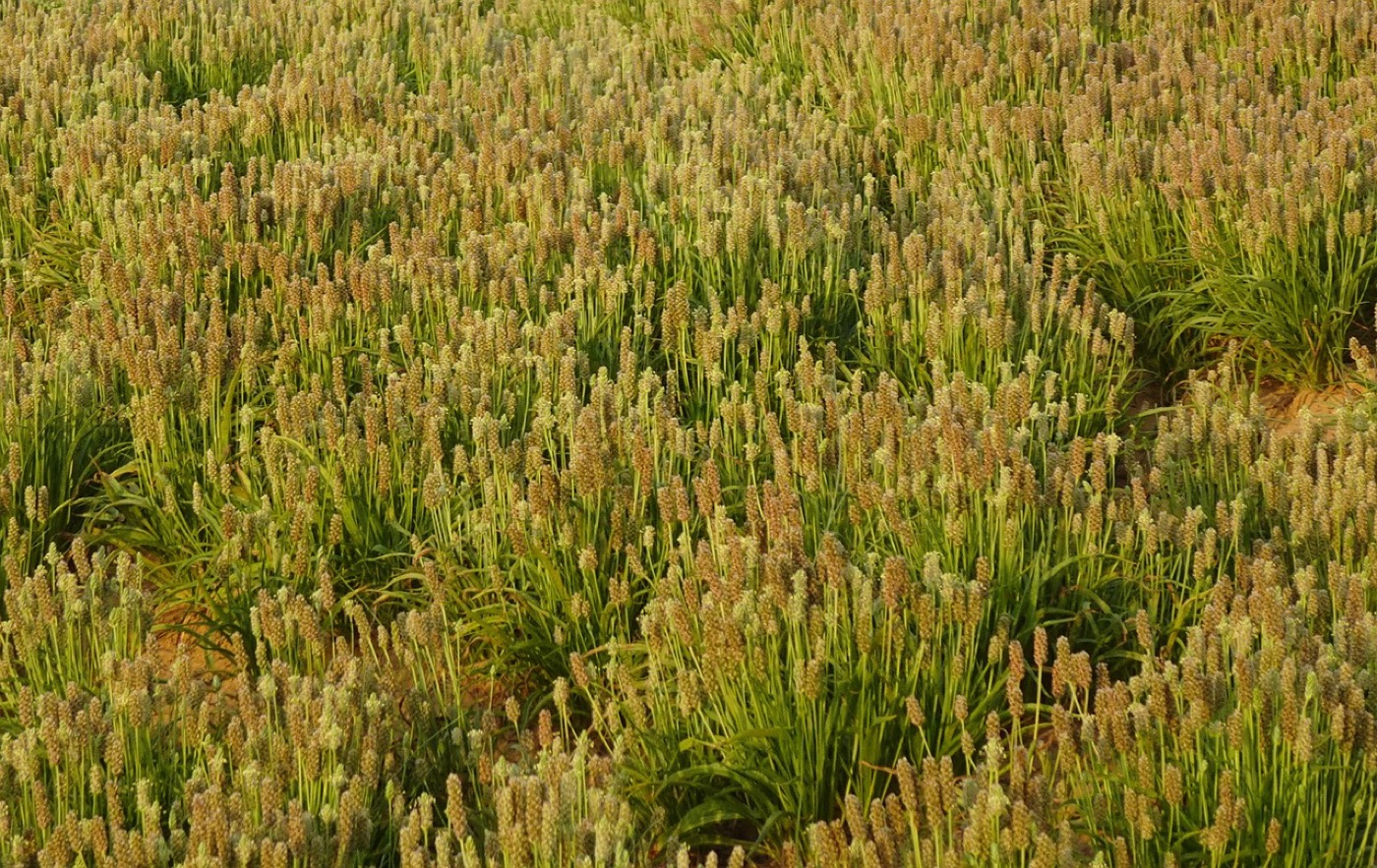
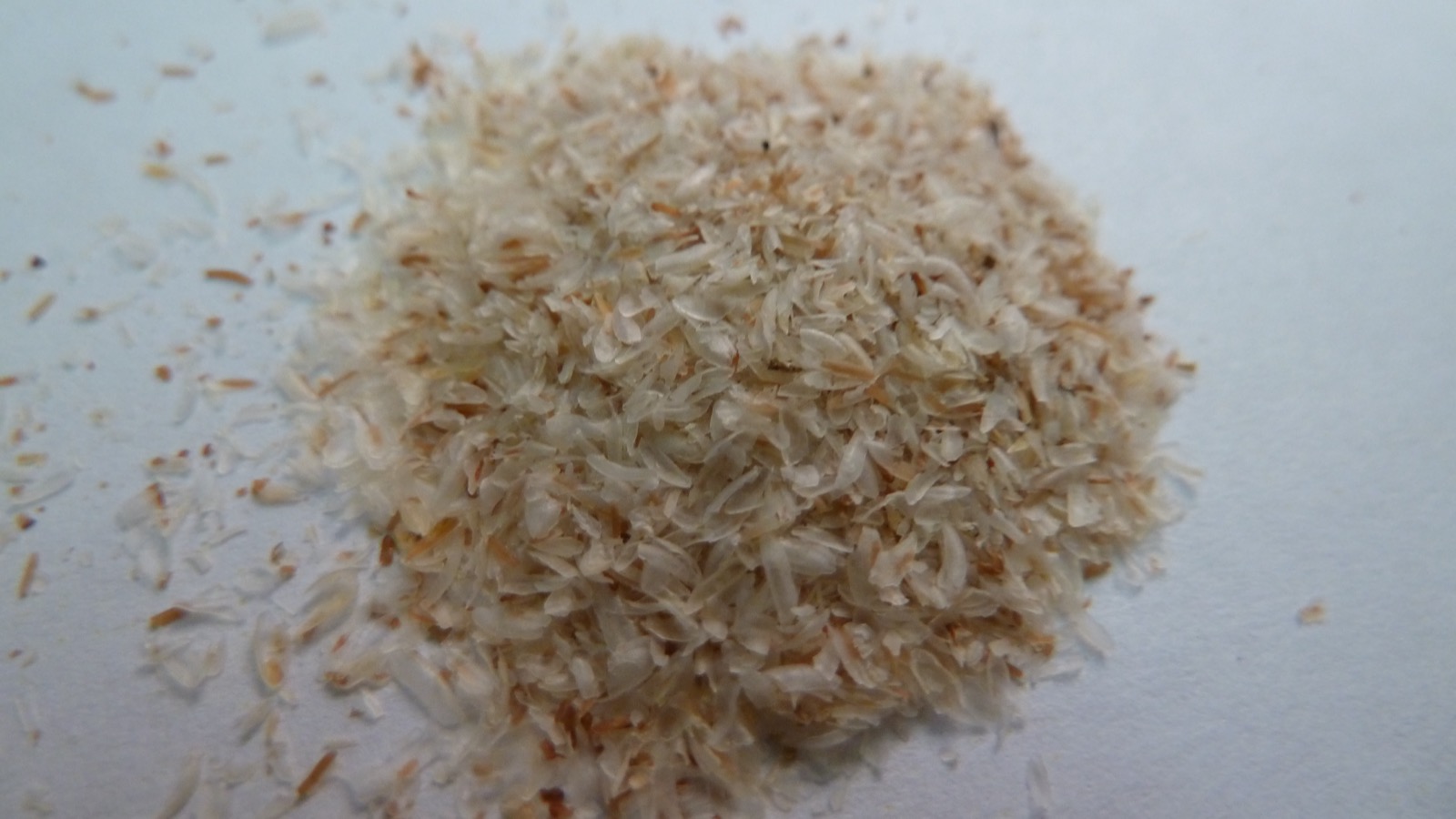
Psyllium husk (Isabgol)
Plantago ovata seed husk from north Gujarat, graded 85% to 99% USP on light extraneous matter, swell volume 40 mL/g minimum. Whole flakes at 40 mesh or milled to 60-200 mesh. Vegan and tested gluten-free.
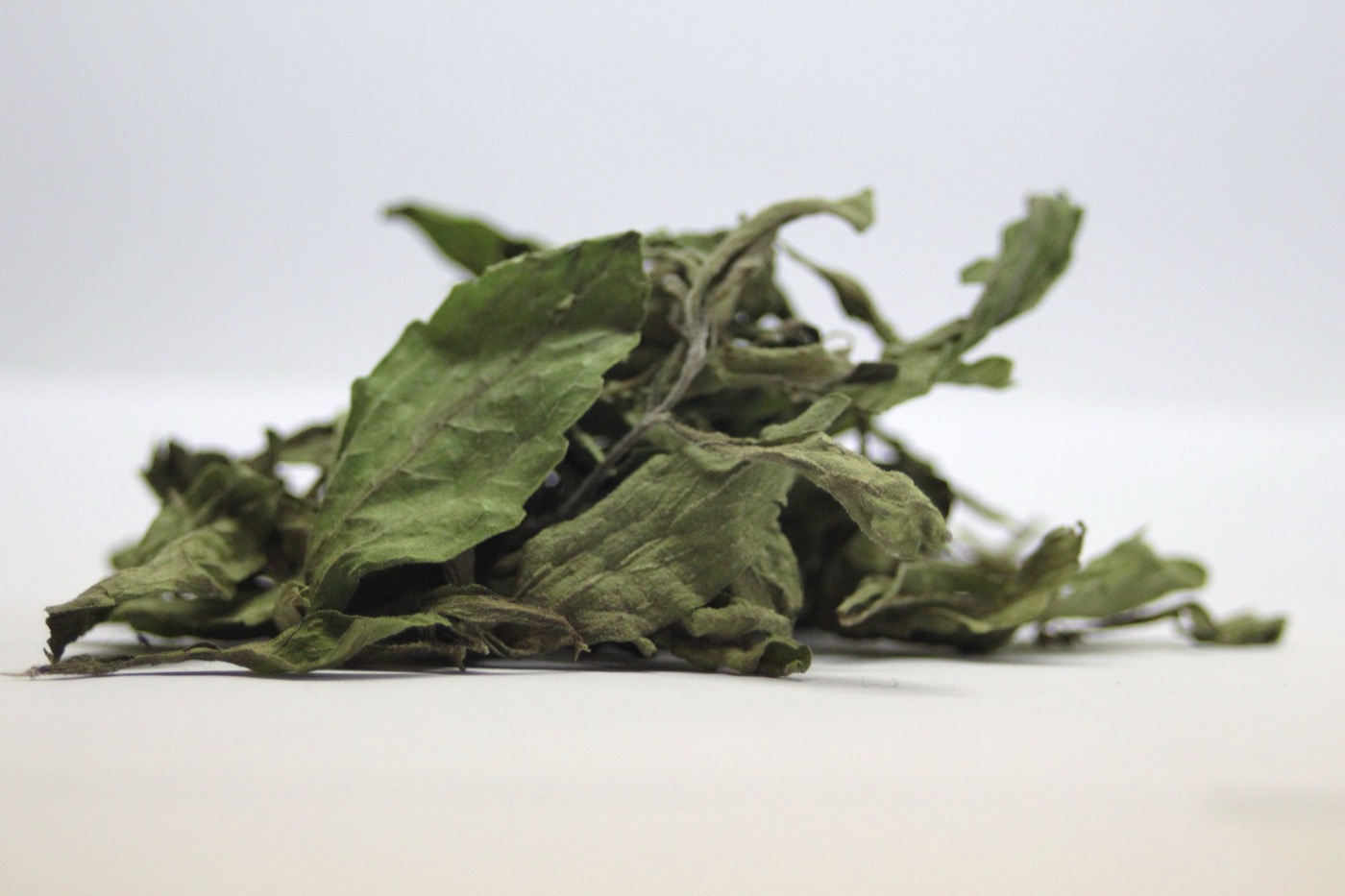
Stevia sweetener (table-top)
Steviol glycosides at 95% minimum blended with a bulking agent to a stated sucrose equivalence, supplied as bulk powder, stick packs and sachets, or compressed tablets. Vegan, with no declarable allergens.
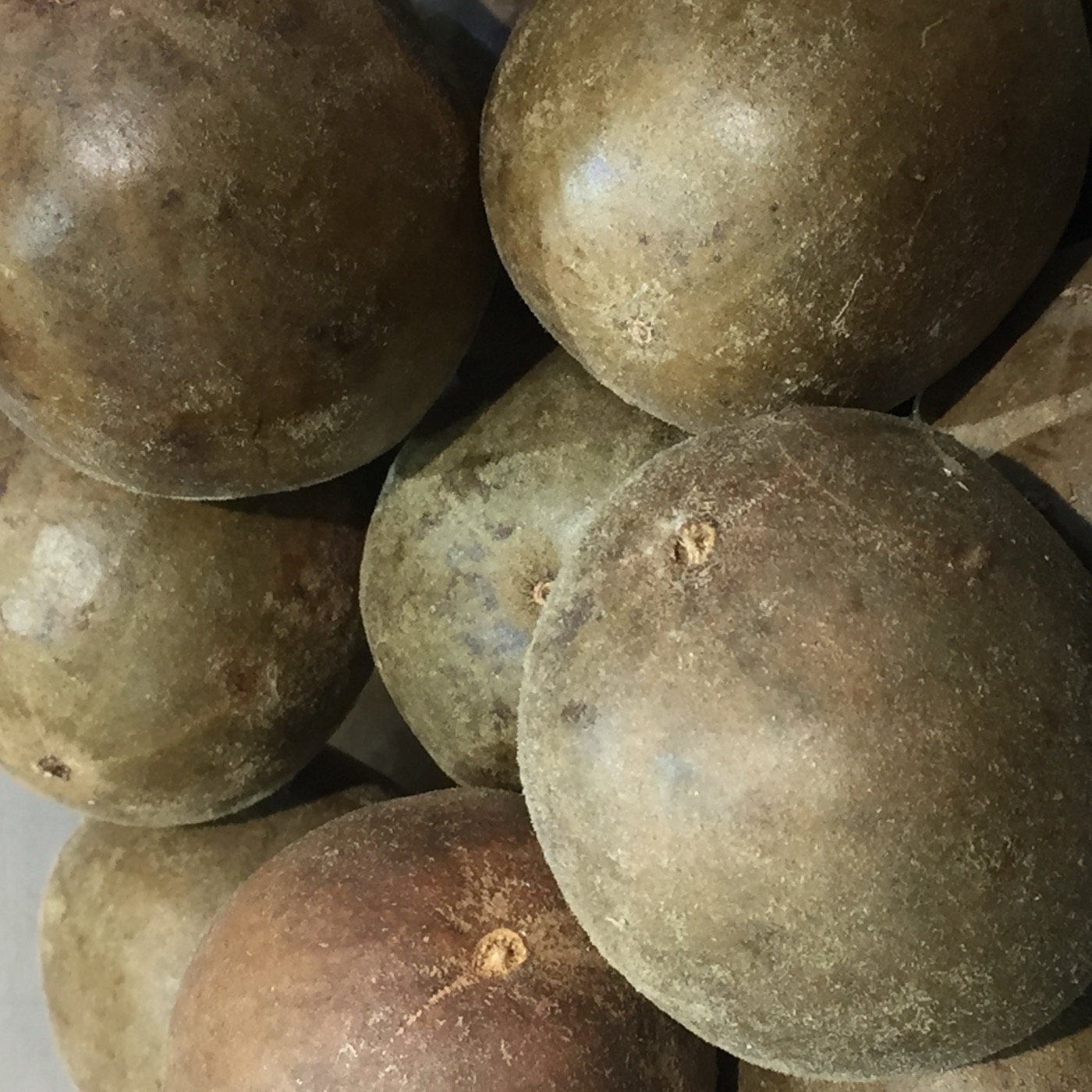
Monk fruit sweetener
Siraitia grosvenorii fruit extract standardised to mogroside V at 25%, 40% or 50% by HPLC. Water-soluble, heat and acid stable, non-nutritive. Chinese-origin fruit, vegan, no declarable allergens.