Jaggery Powder
Open-pan, non-centrifugal cane sugar milled to a free-flowing powder. The molasses fraction stays in, so it carries colour, caramel notes and cane minerals. Sulphur-free grades, vegan, allergen-free at source.
Specifications
| Product identity | Jaggery powder — non-centrifugal cane sugar (gur); known regionally as panela, muscovado or kokuto |
| Raw source | Sugarcane juice (Saccharum officinarum), clarified and open-pan evaporated without centrifugation, then dried and milled |
| Appearance | Free-flowing granular powder; golden brown to dark brown depending on cane, season and boiling end-point |
| Odour and taste | Sweet, with the caramel and molasses character retained from the uncentrifuged cane syrup |
| Sugar composition | Jaggery is reported at up to 50% sucrose and up to 20% invert sugars; the exact split is fixed per lot on the COA |
| Moisture | Reported at up to 20% for traditional jaggery; dried powder grades are supplied to a tighter agreed limit stated on the COA |
| Mineral fraction | Palm-syrup jaggery has been reported at 11.4 mg iron, 1050 mg potassium and 2.5 mg zinc per 100 g; cane values vary by soil and lot |
| Solubility | Readily soluble in water, giving a brown solution; hygroscopic, so protect from ambient humidity |
| Particle size | Mesh cut agreed with the buyer; free-flow or anti-caking treatment only if requested, and then declared on the label |
| Sulphur status | Sulphur-free and non-chemical clarified grades available; residual SO2 tested against the destination market limit |
| Allergens | No milk, egg, soy, fish, crustacean, gluten, peanut or tree nut at source; produced on cane-only lines |
| Dietary status | Vegan and vegetarian; plant origin, never decolourised over bone char unlike white refined sugar; no animal, dairy or marine input |
| Shelf life and storage | 24 months in sealed moisture-barrier packaging, stored cool and dry below 25 C; keep sealed, the powder cakes once exposed |
| HS code (India) | 1701 13 10 — cane jaggery. See the classification note; the final call rests with the importing customs authority |
Applications
Available grades
Sulphur-free powder in light golden and dark shades, chemical-free open-pan grade, and custom mesh cuts. Organic certification to NPOP, NOP or EU organic available on request. Anti-caking treated grade supplied only on request and declared on the label.
Related products
Psyllium husk (Isabgol)
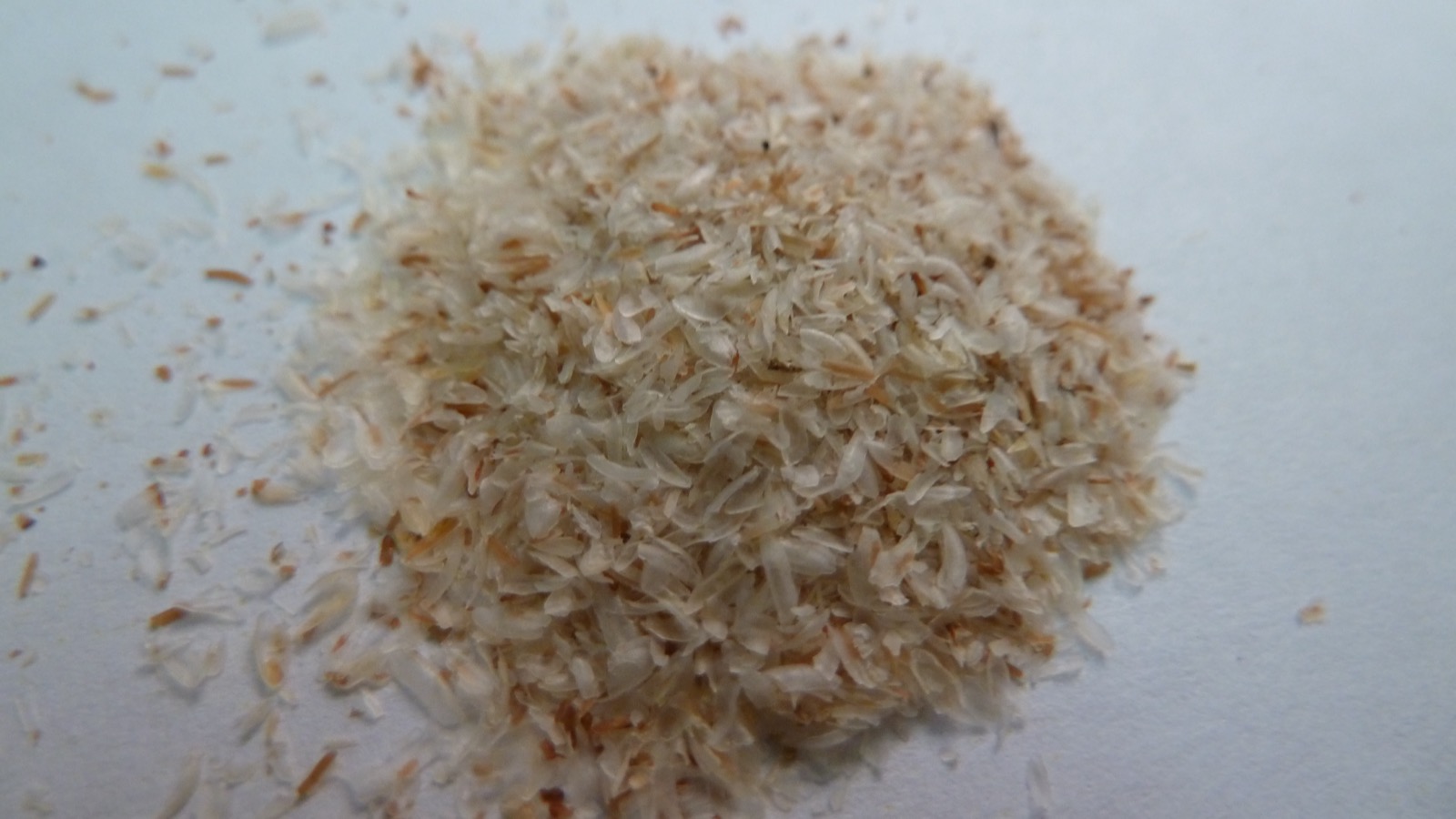
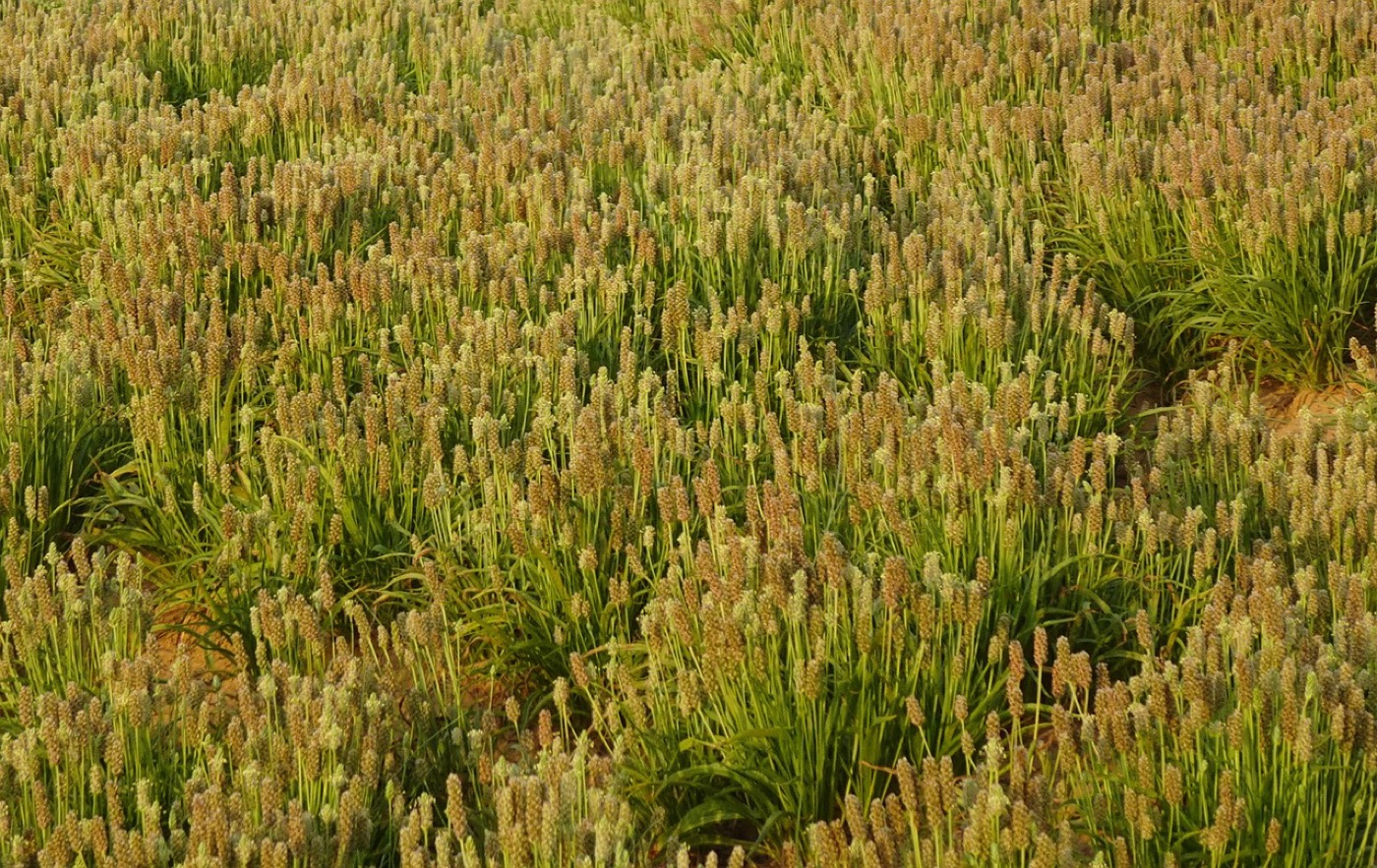
Plantago ovata seed husk from north Gujarat, graded 85% to 99% USP on light extraneous matter, swell volume 40 mL/g minimum. Whole flakes at 40 mesh or milled to 60-200 mesh. Vegan and tested gluten-free.
Stevia sweetener (table-top)
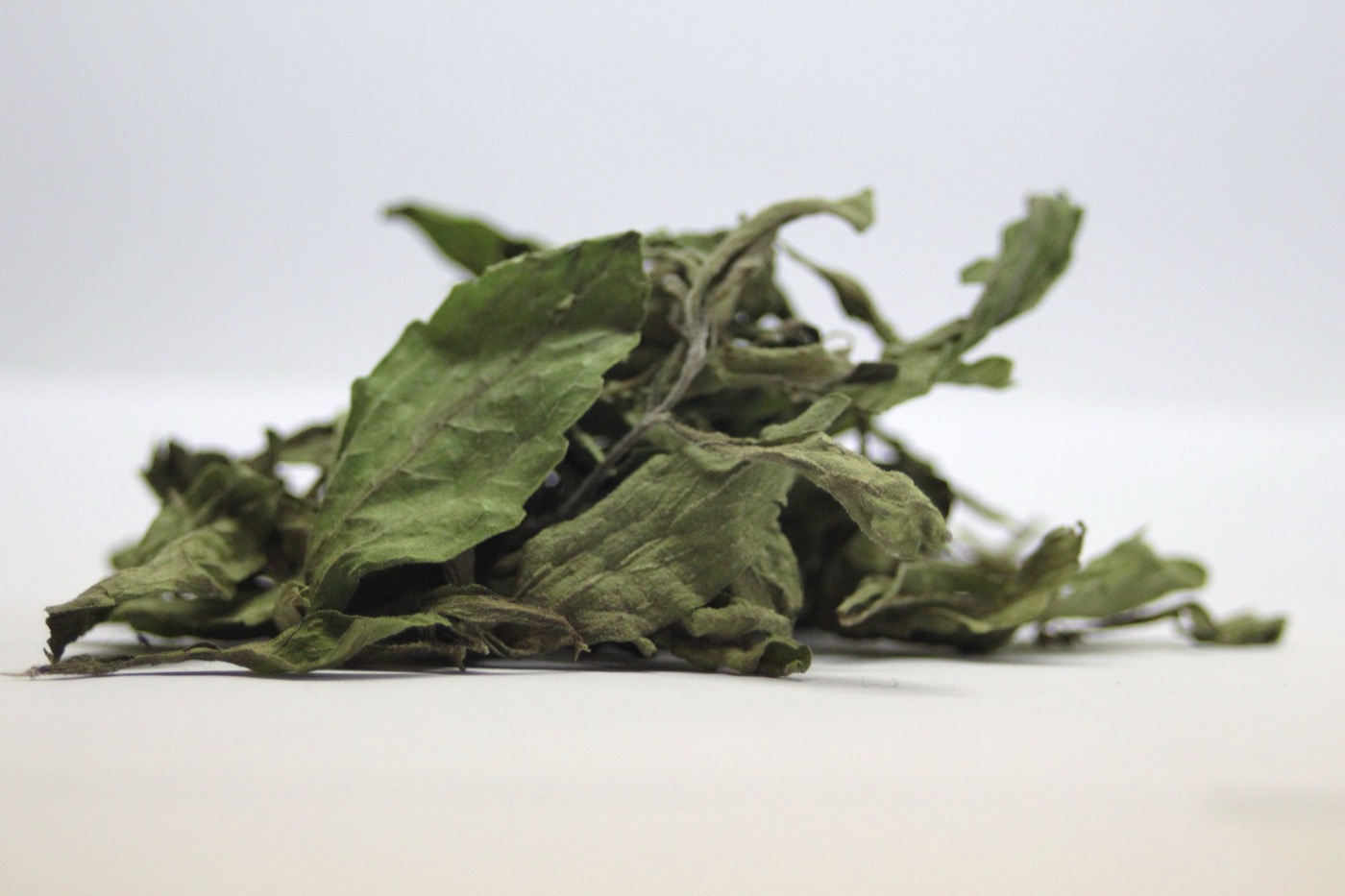
Steviol glycosides at 95% minimum blended with a bulking agent to a stated sucrose equivalence, supplied as bulk powder, stick packs and sachets, or compressed tablets. Vegan, with no declarable allergens.
Monk fruit sweetener
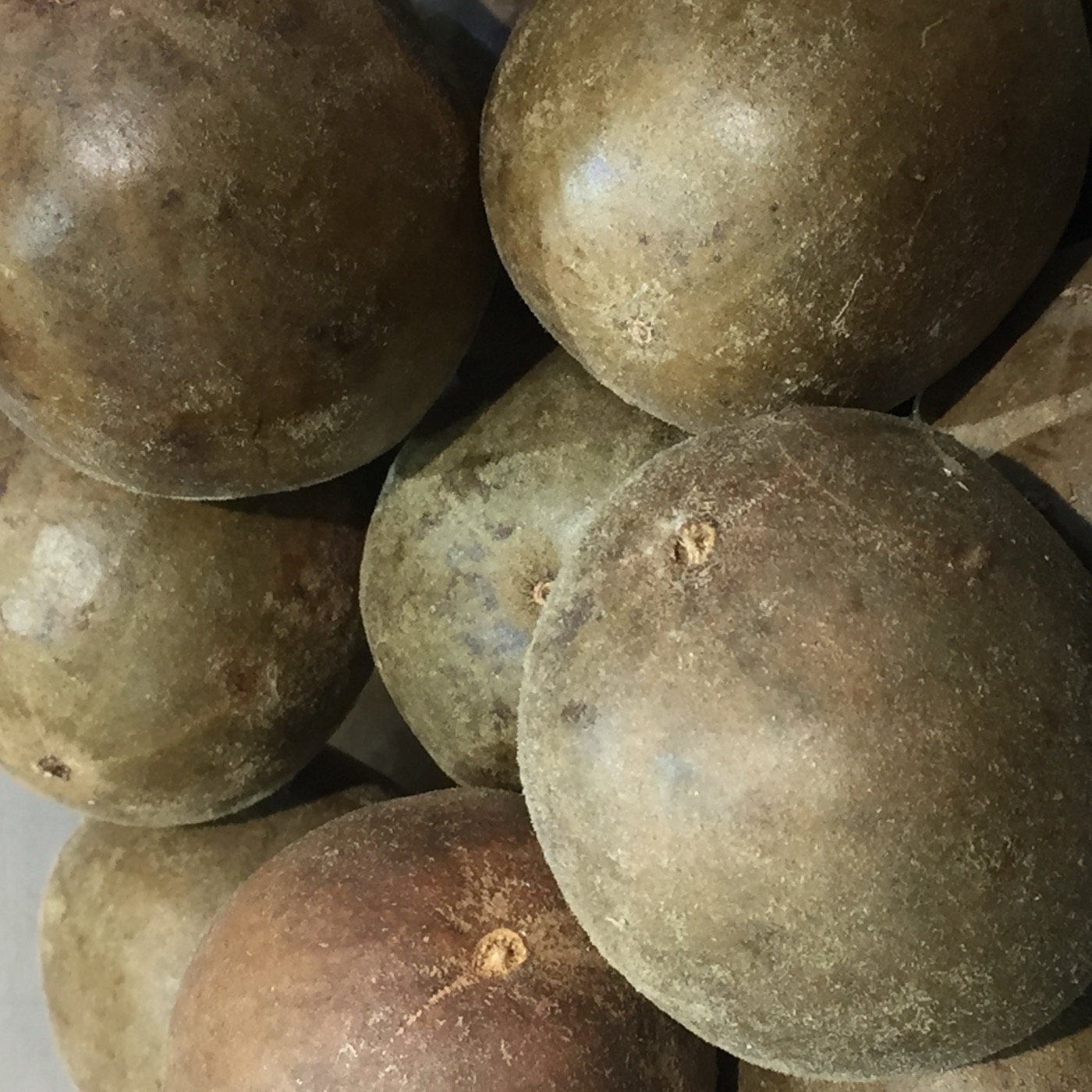
Siraitia grosvenorii fruit extract standardised to mogroside V at 25%, 40% or 50% by HPLC. Water-soluble, heat and acid stable, non-nutritive. Chinese-origin fruit, vegan, no declarable allergens.