De-oiled Lecithin, Soy or Sunflower
De-oiled lecithin granules and powder from soybean or sunflower gum, to EU Reg. 231/2012 E322 purity. Vegan. Soy grade is a declarable allergen; sunflower grade is not.
Specifications
| Identity | Lecithins, E322 / INS 322. Mixtures or fractions of phosphatides obtained by physical procedures from vegetable foodstuffs, per EU Reg. 231/2012. |
| CAS / EINECS | CAS 8002-43-5; EINECS 232-307-2. No single molecular formula: lecithin is a phosphatide mixture, not a discrete compound. |
| Source | Soybean (Glycine max) or sunflower (Helianthus annuus) gum from water-degummed crude oil. Grade must be specified at order. |
| Form and appearance | De-oiled free-flowing granules or powder, light yellow to tan, with a bland characteristic odour. Fluid lecithin available separately. |
| Acetone-insoluble matter | E322 regulatory minimum is 60.0%. Thovek de-oiled grade offered at 95% minimum, agreed on the contract specification. |
| Loss on drying | Max 2.0% (105 °C, 1 hour), per EU Reg. 231/2012. |
| Toluene-insoluble matter | Max 0.3%, per EU Reg. 231/2012. |
| Acid value | Max 35 mg potassium hydroxide per gram, per EU Reg. 231/2012. |
| Peroxide value | 10 or less, per EU Reg. 231/2012. |
| Heavy metals | Arsenic max 3 mg/kg, lead max 2 mg/kg, mercury max 1 mg/kg, per EU Reg. 231/2012. |
| Phosphatide profile | Soy: published PC 19-21%, PE 8-20%, PI 20-21%. Sunflower profile differs and is reported per lot, not inferred from soy. |
| US regulatory status | Commercial lecithin is affirmed GRAS under 21 CFR 184.1400 where it meets Food Chemicals Codex specifications. |
| Allergen status | Soy grade: declarable, EU Reg. 1169/2011 Annex II item 6, not covered by the refined-oil exemption. Sunflower grade: not listed in Annex II. |
| Dietary status and shelf life | Vegan and vegetarian, plant-derived; not egg or marine lecithin. 24 months sealed, below 25 °C, dry and out of direct light. |
| HS code | 2923.20 (29232010) |
Applications
Available grades
De-oiled soy lecithin granules or powder; de-oiled sunflower lecithin granules or powder; non-GMO identity-preserved supply on both sources; certified organic (NOP, EU) sunflower on request. Food, beverage and supplement grades. Fluid and hydrolysed lecithins quoted separately.
Related products
Psyllium husk (Isabgol)
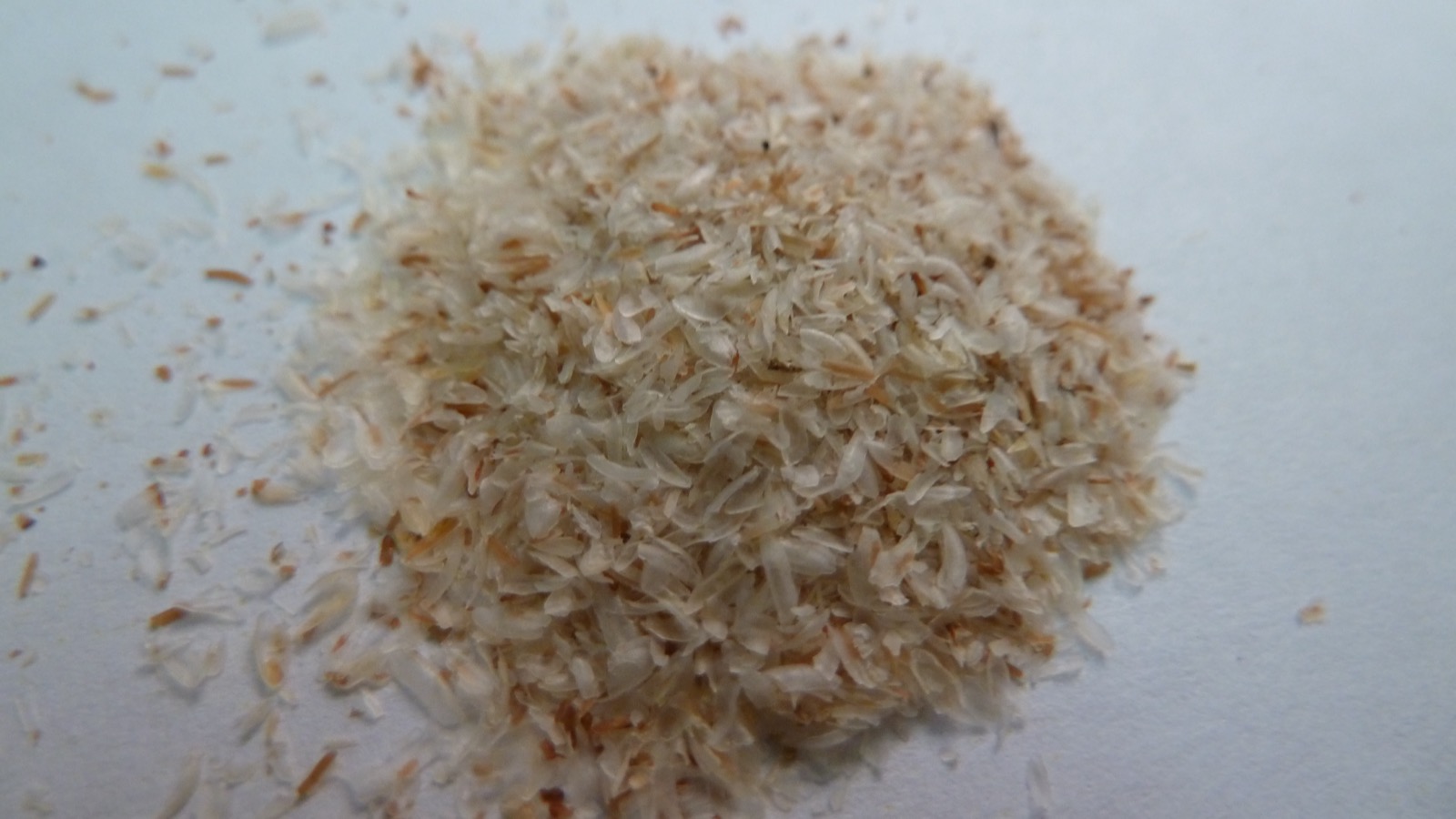
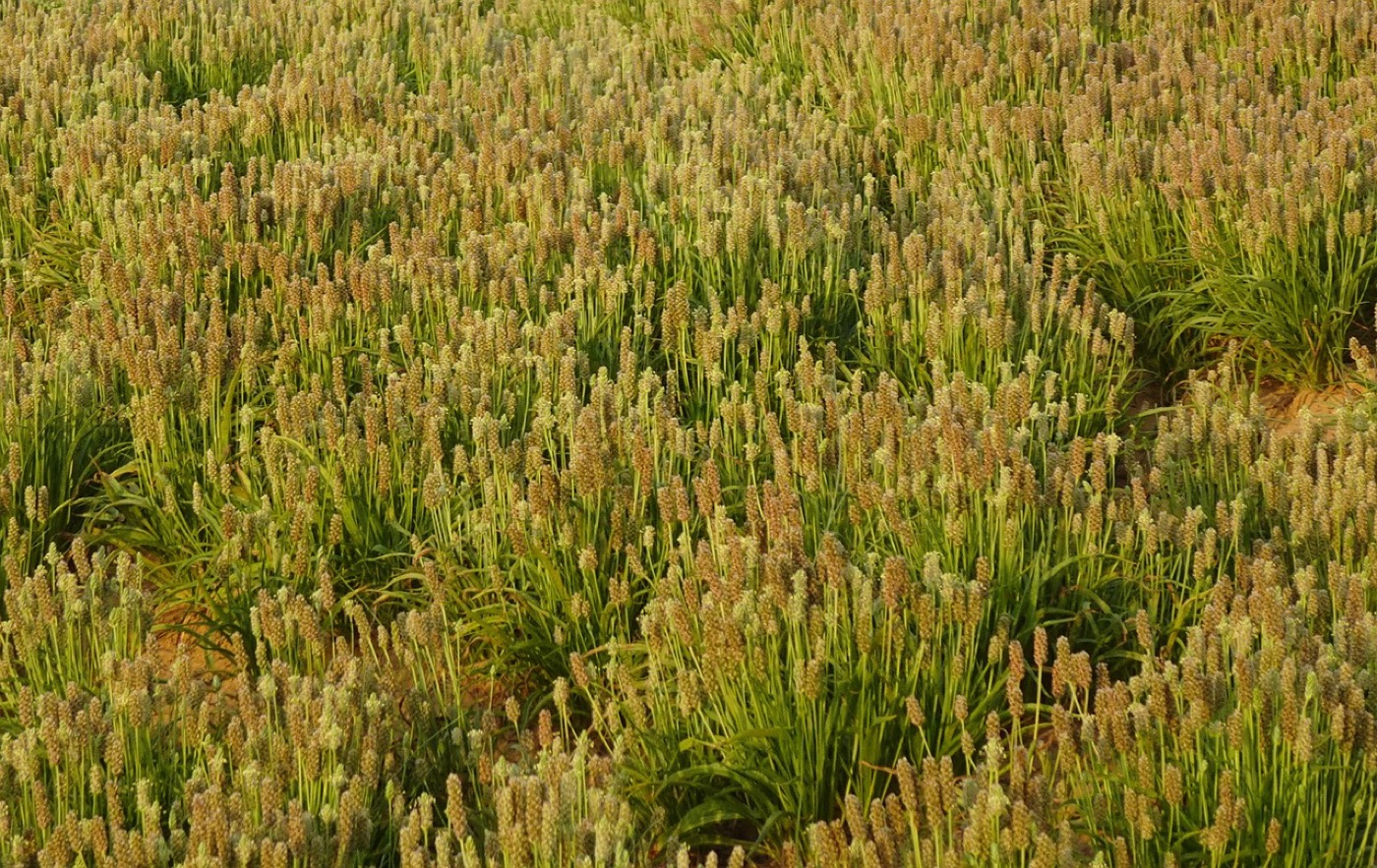
Plantago ovata seed husk from north Gujarat, graded 85% to 99% USP on light extraneous matter, swell volume 40 mL/g minimum. Whole flakes at 40 mesh or milled to 60-200 mesh. Vegan and tested gluten-free.
Stevia sweetener (table-top)
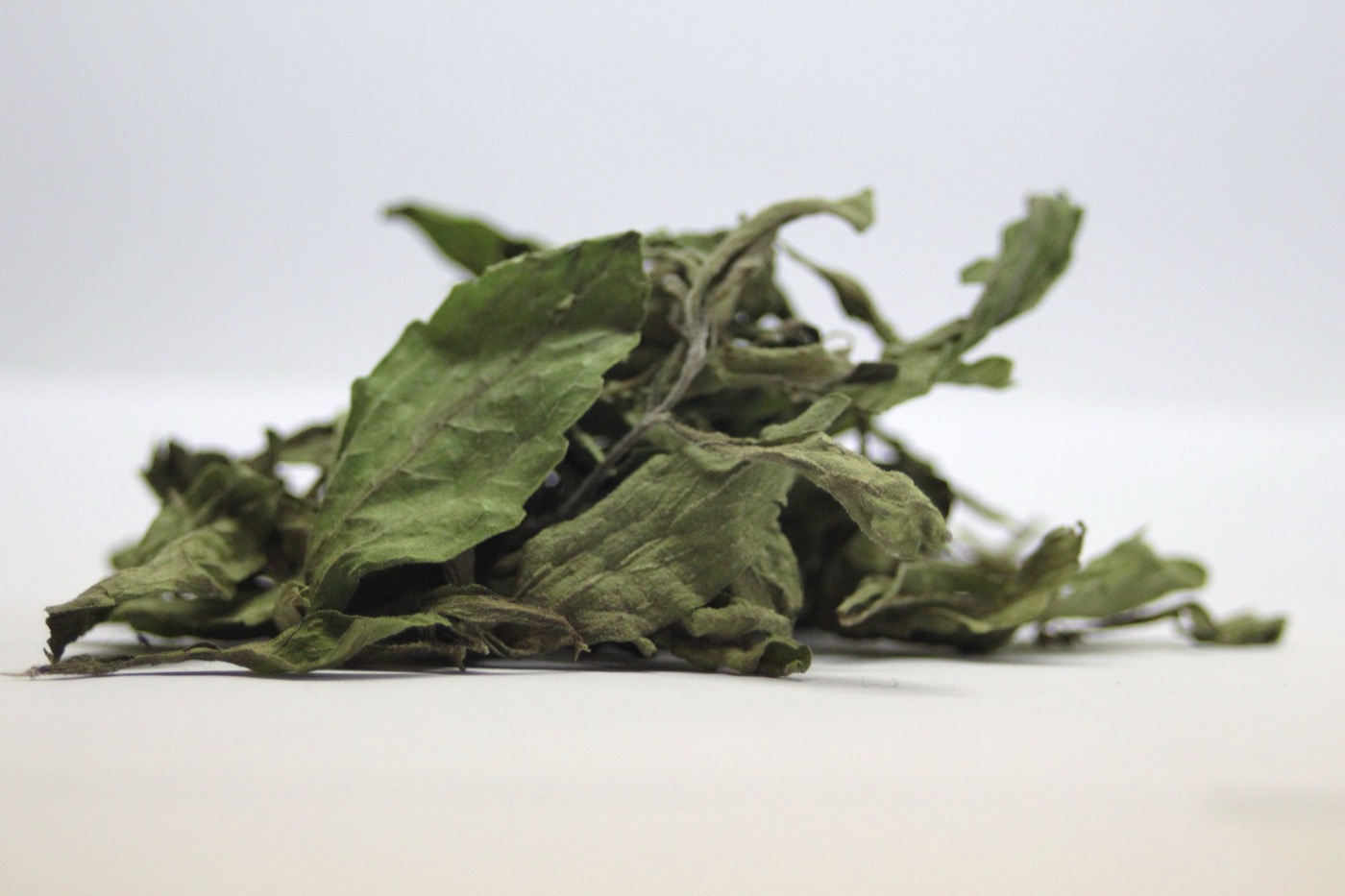
Steviol glycosides at 95% minimum blended with a bulking agent to a stated sucrose equivalence, supplied as bulk powder, stick packs and sachets, or compressed tablets. Vegan, with no declarable allergens.
Monk fruit sweetener
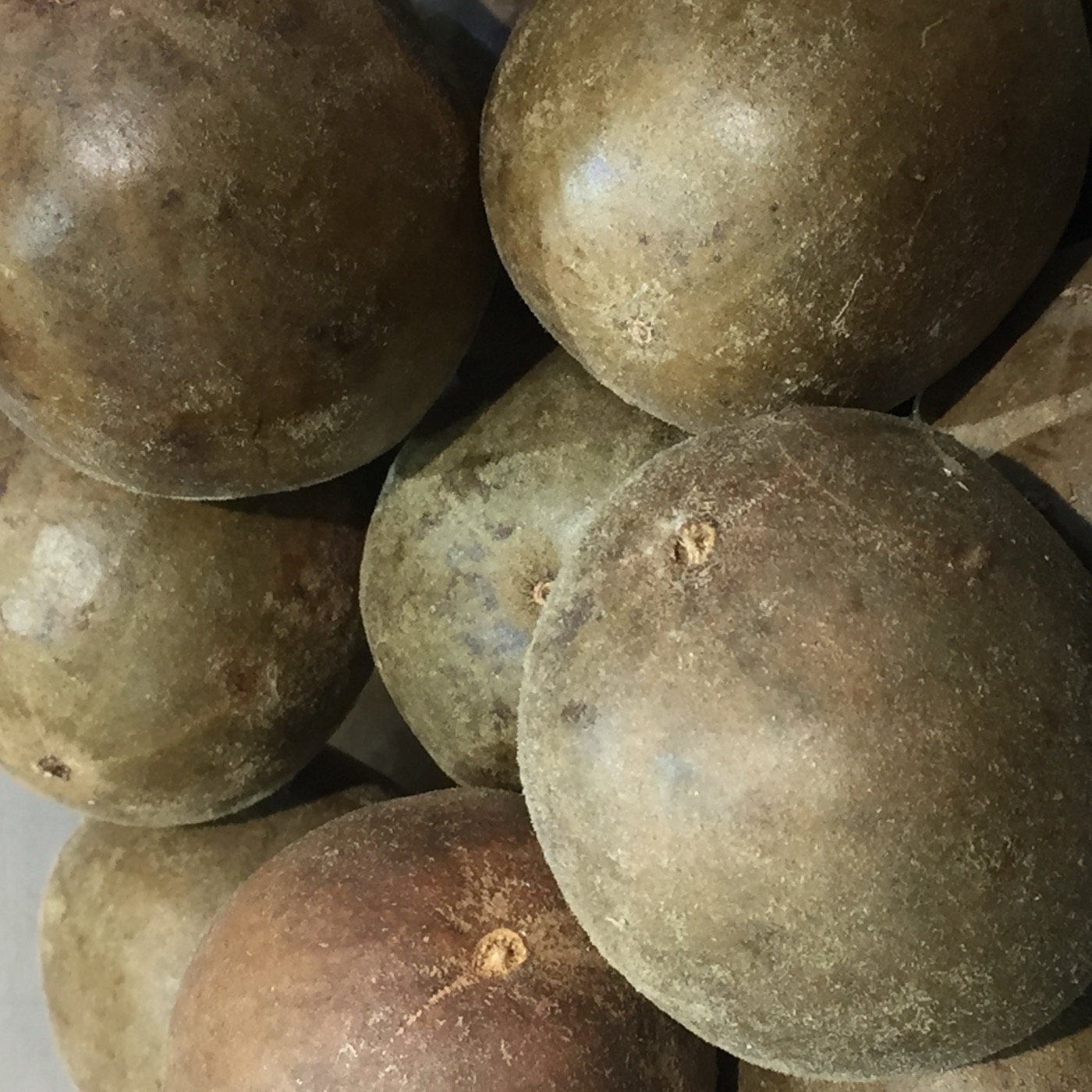
Siraitia grosvenorii fruit extract standardised to mogroside V at 25%, 40% or 50% by HPLC. Water-soluble, heat and acid stable, non-nutritive. Chinese-origin fruit, vegan, no declarable allergens.