Chicory Root Inulin Powder
Chicory root beta(2-1) fructan, fructan content 90% minimum on dry matter, mean chain length about DP 11, free sugars under 10%. Soluble fermentable fibre for bars, beverages, dairy and fibre blends.
Specifications
| Botanical source | Chicory root, Cichorium intybus L., family Asteraceae; hot-water extraction of sliced roots, purification and spray drying |
| Substance | Linear beta(2-1) fructan (GFn) with a terminal glucose unit, only a few per cent branching; inulin-type fructan, soluble dietary fibre |
| CAS number | 9005-80-5 |
| Standardisation | Fructan (inulin) not less than 90% on dry matter for native grades, determined by the AOAC 997.08 fructan method |
| Chain length | DP 2 to 60, mean DP about 11; approximately 31% at DP 2-9, 24% at DP 10-20, 28% at DP 21-40 and 17% above DP 40 in native chicory inulin |
| Free sugars | Glucose, fructose and sucrose together not more than 10% on dry matter in native grades; long-chain grades have the DP 2-9 fraction chromatographically removed |
| Appearance and solubility | White to off-white free-flowing powder, neutral odour, faintly sweet to non-sweet with rising chain length; water soluble, long-chain grades disperse best in warm water |
| Technological function | Fibre enrichment, bulking, sugar and fat replacement; hydrated long-chain inulin forms a creamy fat-like particle gel used in spreads, frozen desserts and reduced-fat dairy |
| Energy and fibre status | Declared as dietary fibre; EU energy conversion factor for fibre 2 kcal/g under Regulation 1169/2011 Annex XIV; recognised as a dietary fibre by the US FDA in 2018 |
| Regulatory reference | EU Regulation 2015/2314 lists an authorised bowel-function claim for native chicory inulin (monosaccharides below 10%, mean DP 9 or above) at 12 g per day… |
| Physico-chemical limits | Loss on drying NMT 5%, sulphated ash NMT 0.5%, pH of a 10% solution about 5 to 7 - typical trade specification, confirmed on each lot certificate of analysis |
| Microbiology | Total plate count NMT 1,000 cfu/g, yeast and mould NMT 100 cfu/g, Salmonella absent in 25 g, E. coli absent in 1 g - typical trade specification |
| Origin and allergens | Vegan and vegetarian, plant-derived; free of milk, egg, soy, fish, crustacean, nut and gluten sources; Asteraceae (Compositae) botanical, relevant to Compositae-sensitive consumers |
| HS code | 11082000 (India ITC-HS) |
Applications
Available grades
Native chicory inulin (fructan 90% minimum on dry matter, mean DP about 11, free sugars up to 10%); long-chain or high-performance inulin with the DP 2-9 fraction chromatographically removed for higher fibre content and stronger gelling; instantised or agglomerated powder for cold beverage and stick-pack applications; and short-chain oligofructose, quoted as a separate article with its own specification and tariff treatment. Organic-certified chicory inulin available subject to certificate scope; non-GMO, kosher and halal documentation supplied where the producing site holds it.
Related products
Psyllium husk (Isabgol)
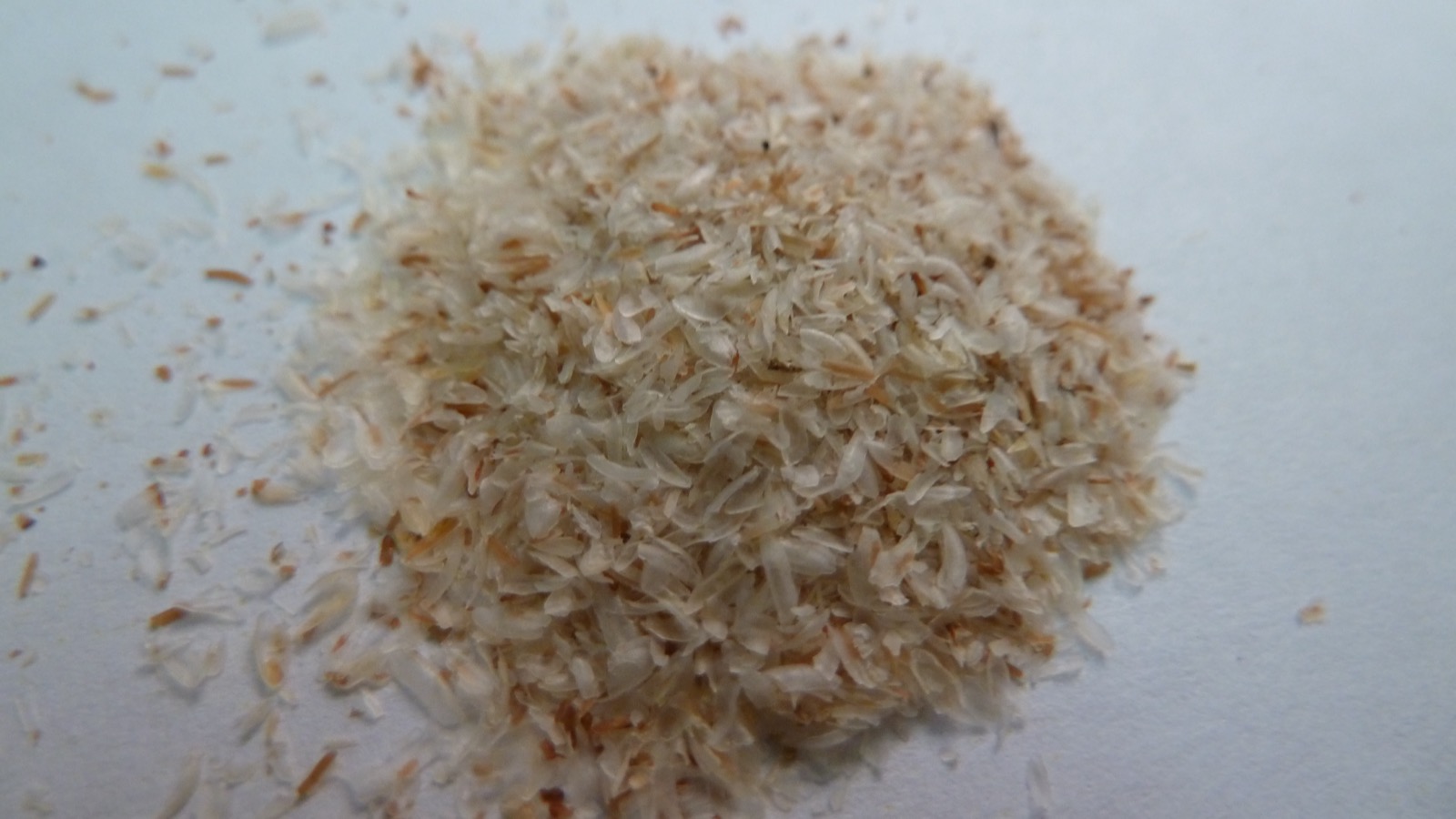
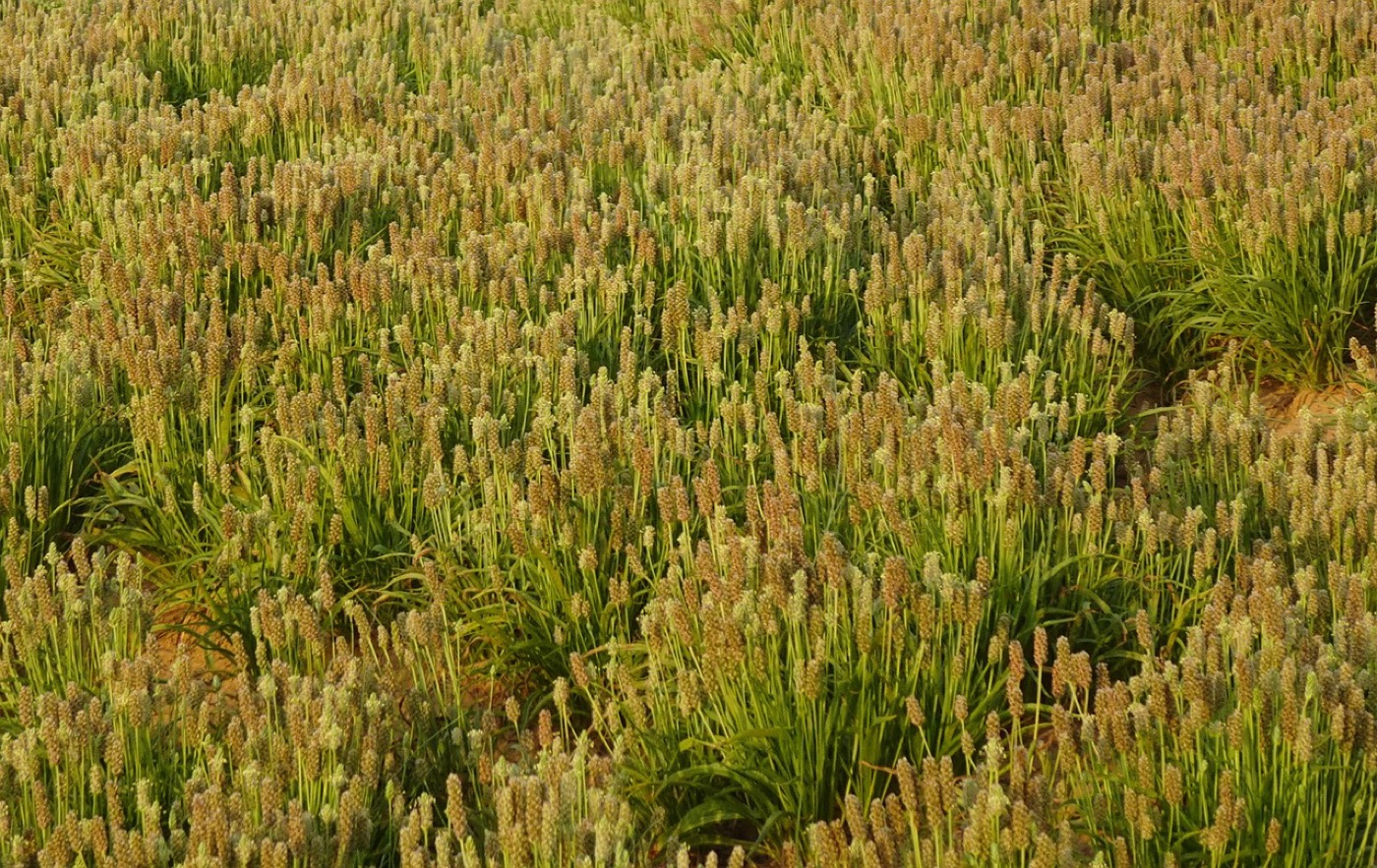
Plantago ovata seed husk from north Gujarat, graded 85% to 99% USP on light extraneous matter, swell volume 40 mL/g minimum. Whole flakes at 40 mesh or milled to 60-200 mesh. Vegan and tested gluten-free.
Stevia sweetener (table-top)
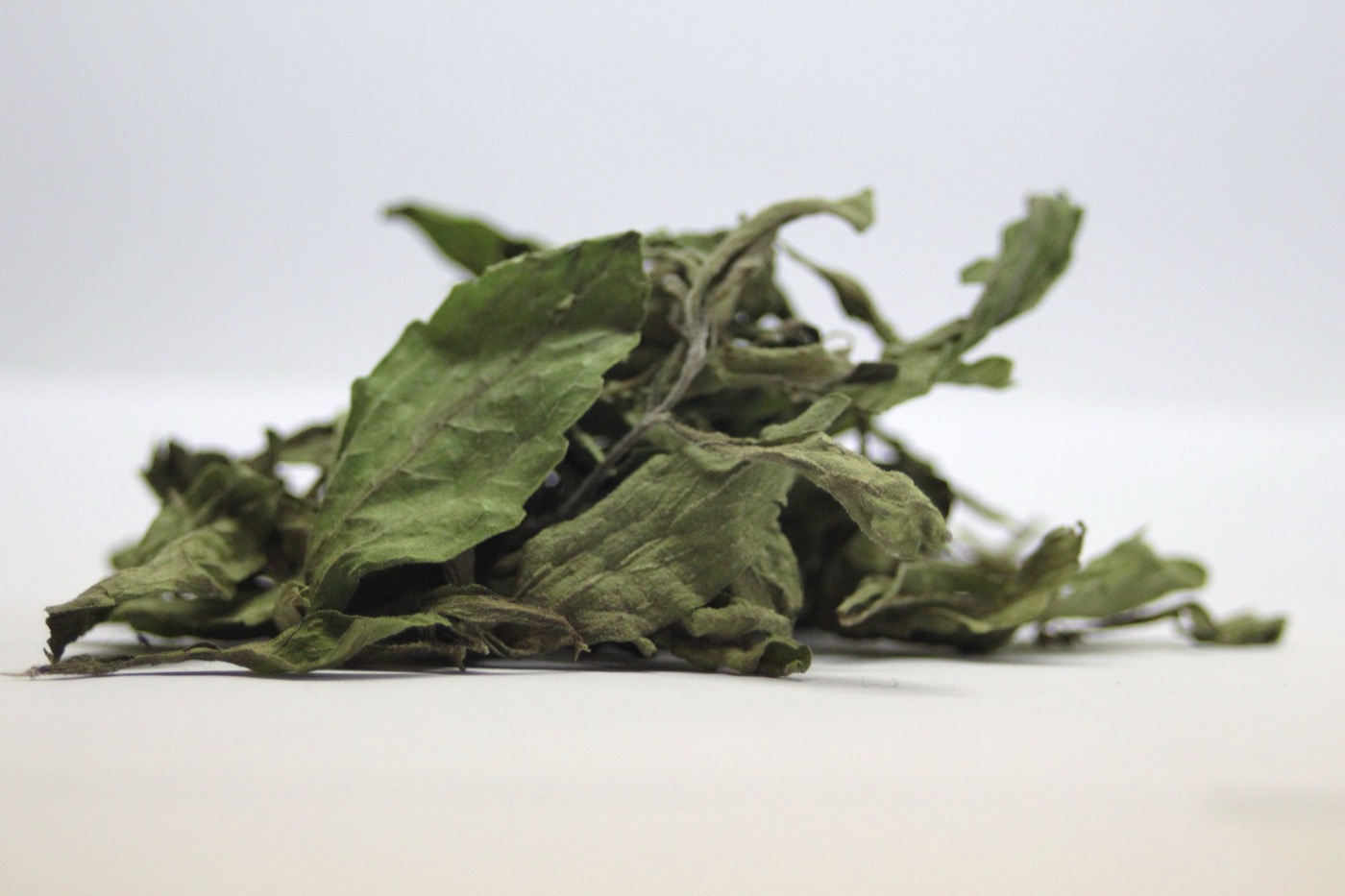
Steviol glycosides at 95% minimum blended with a bulking agent to a stated sucrose equivalence, supplied as bulk powder, stick packs and sachets, or compressed tablets. Vegan, with no declarable allergens.
Monk fruit sweetener
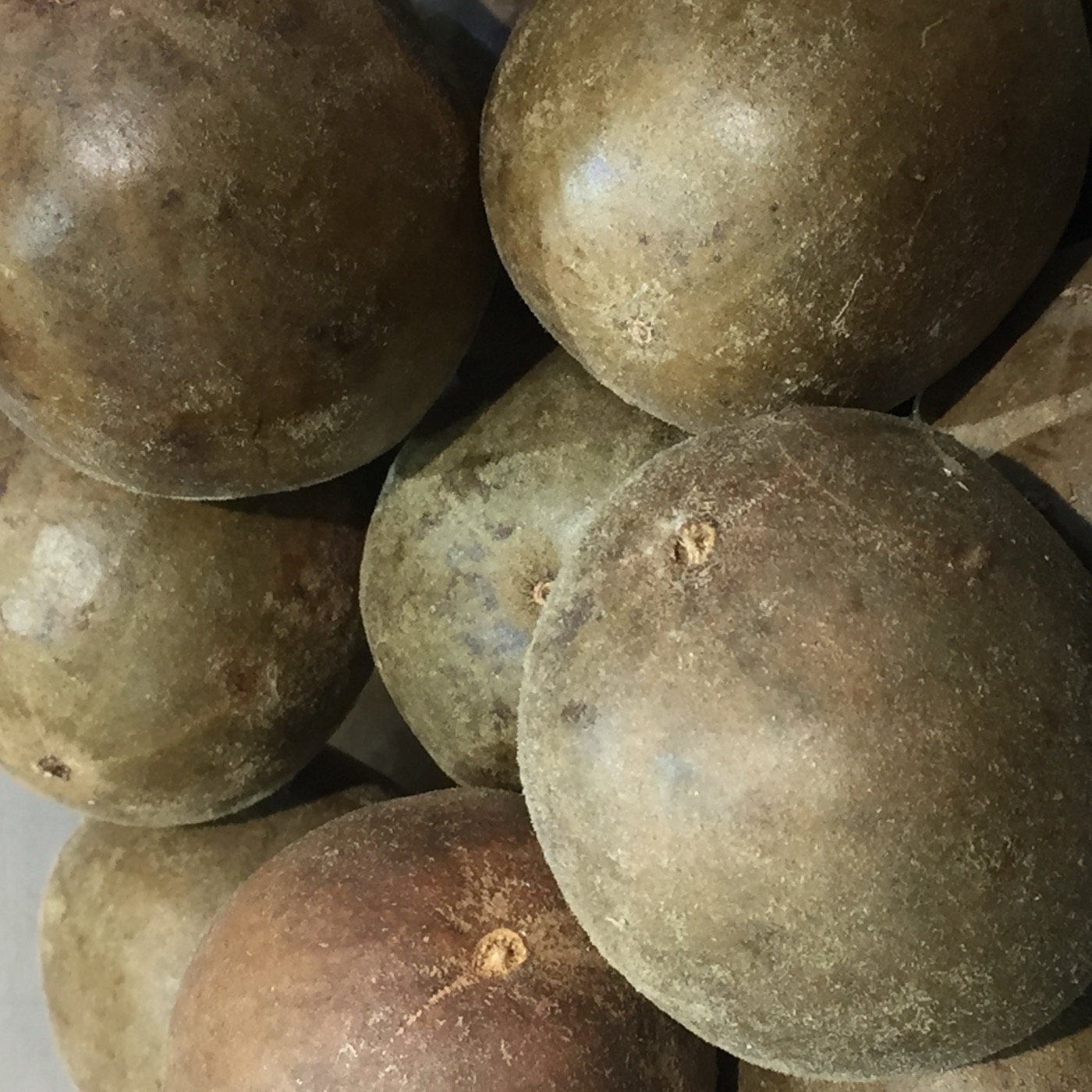
Siraitia grosvenorii fruit extract standardised to mogroside V at 25%, 40% or 50% by HPLC. Water-soluble, heat and acid stable, non-nutritive. Chinese-origin fruit, vegan, no declarable allergens.