Chia Seed, Whole and Milled
Whole black and white chia seed (Salvia hispanica) and milled chia powder, rich in alpha-linolenic acid and gel-forming fibre. Vegan, naturally gluten free, EU novel food compliant, bulk export packs.
Specifications
| Botanical identity | Salvia hispanica L. (Lamiaceae), mature seed. Black, grey-mottled and white seeds are colour variants of the same species, not different species |
| Forms supplied | Whole cleaned seed; micronised milled chia powder; partially defatted high-fibre or high-protein chia powder pressed from the same seed |
| Appearance | Small oval seeds about 1-2 mm, glossy, mottled grey-brown to off-white. Milled grade is a grey-beige free-flowing powder |
| Protein | 15-26% on the EFSA novel food compositional range for whole chia seed; lot value reported on the CoA |
| Fat and fatty acids | Total fat 18-39% on the EFSA range. Alpha-linolenic acid is the dominant fatty acid, reported at roughly 60-70% of the seed oil |
| Carbohydrate and crude fibre | Carbohydrate 18-43% and crude fibre 18-43% on the EFSA range; the soluble fraction is the mucilage that forms the characteristic gel |
| Ash and dry matter | Ash 3-7% and dry matter 90-97% on the EFSA novel food compositional range |
| Hydration behaviour | Whole seed absorbs several times its weight in water and sets a mucilage gel within minutes, which governs dosing in drinks, puddings and bakery |
| Cleaning and purity | Gravity separation, destoning, sieving and optical colour sorting. Foreign matter and other-seed limits fixed per contract and reported on the CoA |
| EU novel food status | Union-listed novel food with category limits: 5% in bread, 10% whole seed in baked goods, cereals and fruit/nut/seed mixes, 1% in fruit spreads, 15 g/day pre-packed |
| Allergens, origin and diet | Vegan, plant origin; not bovine, porcine or marine. No milk, egg, soy, fish, crustacean or nut. Naturally gluten free. Chia is not one of the 14 EU declarable allergens |
| Heavy metals and microbiology | Tested every lot to buyer or EU/Codex limits. Steam-treated low-microbial seed and powder available for ready-to-eat formats |
| Shelf life and storage | Whole seed 24 months and milled powder 12 months, in sealed original packs below 25 C, away from light and moisture |
| HS code | India ITC-HS 12079990 for whole seed; 12089000 for milled chia flour or meal |
Applications
Available grades
Whole black chia seed; whole white chia seed; mixed-colour commercial seed; micronised milled chia powder; partially defatted high-fibre chia powder; partially defatted high-protein chia powder; steam-treated low-microbial grades; conventional and certified organic (NPOP, NOP, EU).
Related products
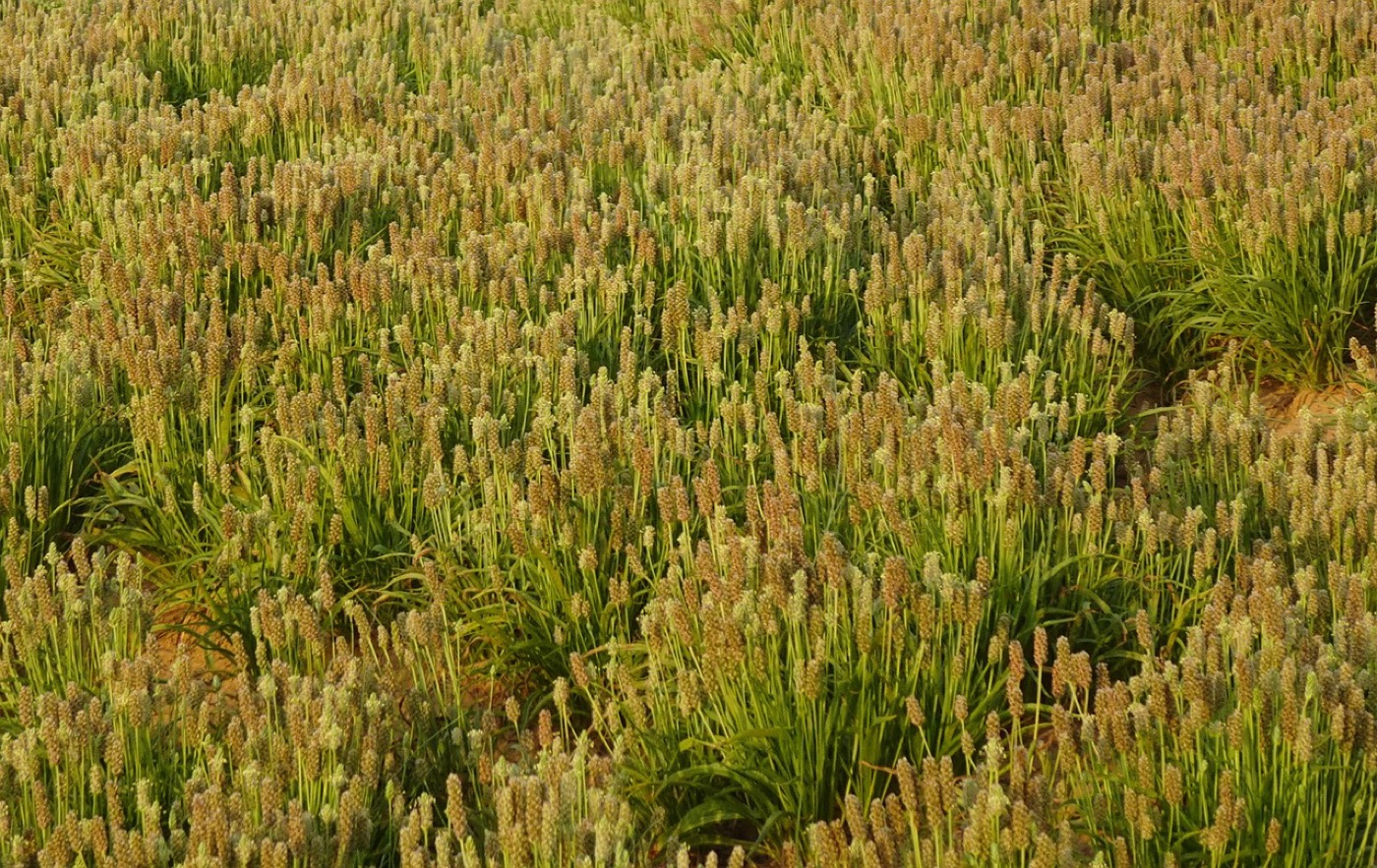
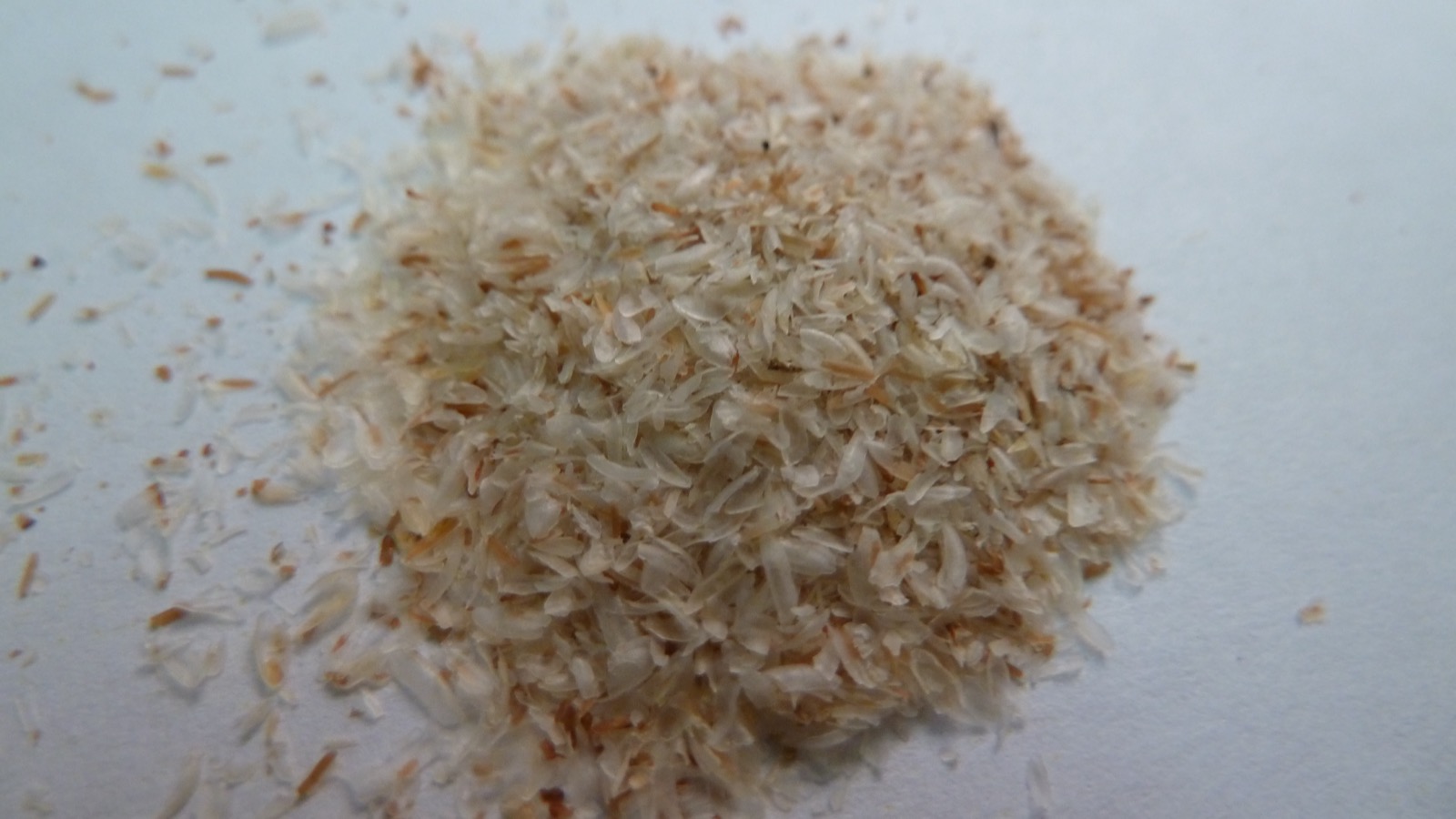
Psyllium husk (Isabgol)
Plantago ovata seed husk from north Gujarat, graded 85% to 99% USP on light extraneous matter, swell volume 40 mL/g minimum. Whole flakes at 40 mesh or milled to 60-200 mesh. Vegan and tested gluten-free.
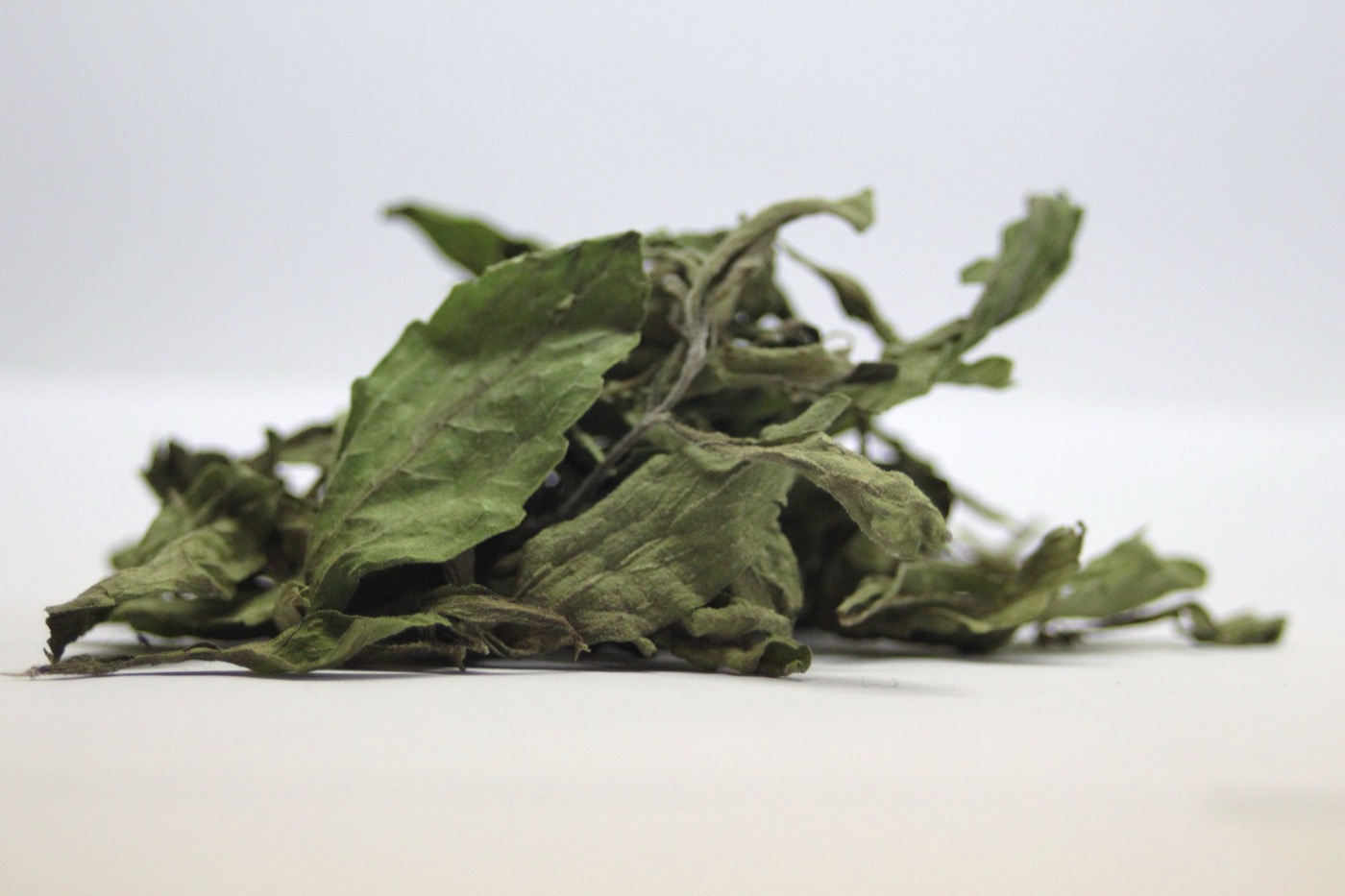
Stevia sweetener (table-top)
Steviol glycosides at 95% minimum blended with a bulking agent to a stated sucrose equivalence, supplied as bulk powder, stick packs and sachets, or compressed tablets. Vegan, with no declarable allergens.
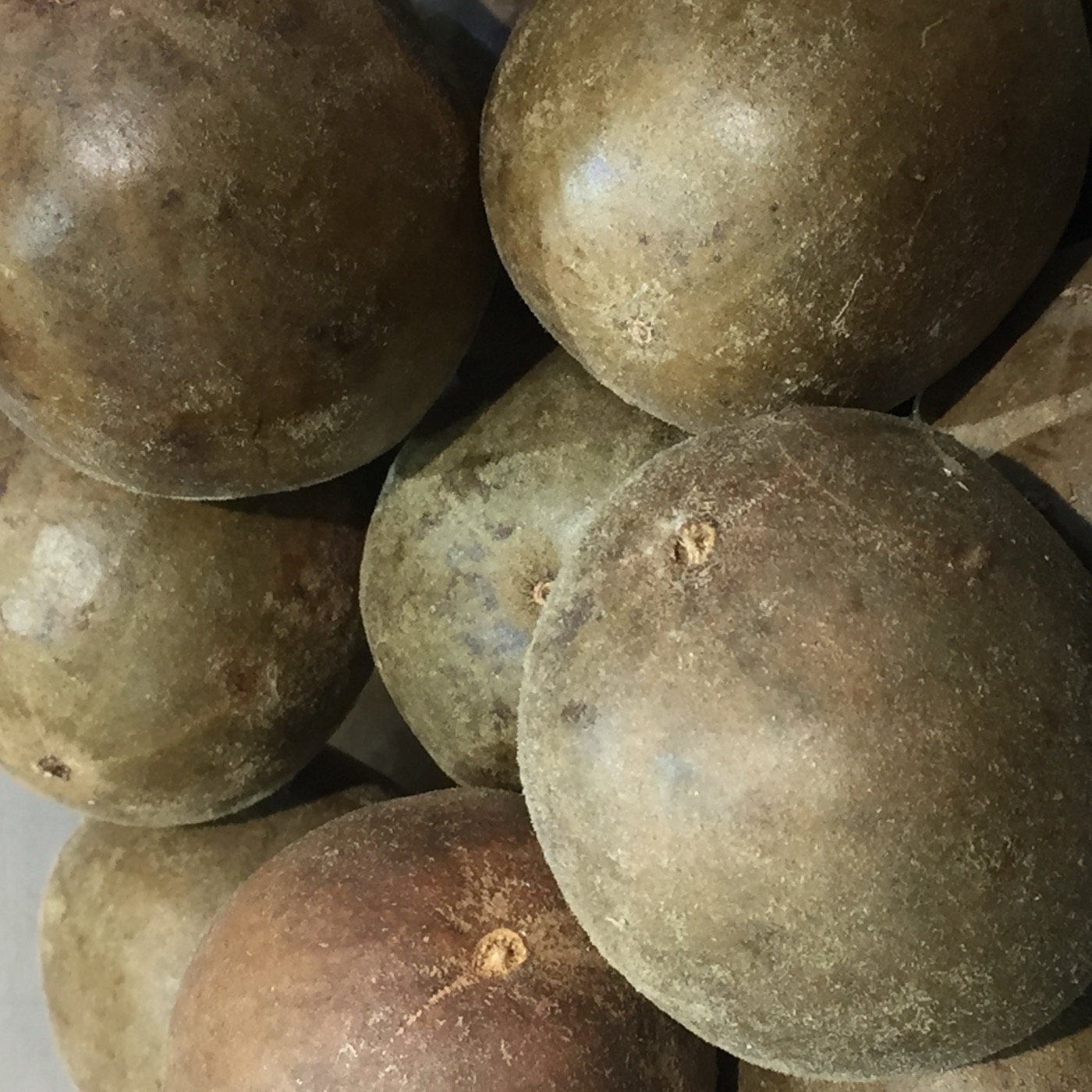
Monk fruit sweetener
Siraitia grosvenorii fruit extract standardised to mogroside V at 25%, 40% or 50% by HPLC. Water-soluble, heat and acid stable, non-nutritive. Chinese-origin fruit, vegan, no declarable allergens.