Acacia Fibre (Gum Acacia)
Spray-dried gum acacia carrying 85% or more dietary fibre — a cold-soluble, low-viscosity prebiotic fibre and emulsifier tapped from Senegalia senegal and Vachellia seyal.
Specifications
| Identity | Gum acacia (gum arabic), CAS 9000-01-5; additive number INS / E 414 |
| Botanical source | Dried exudate from stems and branches of Senegalia senegal (syn. Acacia senegal) and Vachellia seyal (syn. Acacia seyal), family Fabaceae |
| Composition | Highly branched arabinogalactan polysaccharide with a minor arabinogalactan-protein fraction; arabinose and galactose dominate the sugar profile |
| Dietary fibre | ≥85% w/w dry basis by AOAC enzymatic-gravimetric total dietary fibre methods; the batch figure is stated on the certificate of analysis |
| Regulatory standing | JECFA ADI 'not specified'; affirmed GRAS in the US under 21 CFR 184.1330; FDA added acacia to its intended dietary-fibre list in December 2021 |
| Functional class | JECFA functional classes emulsifier, stabiliser and thickener; also used as a spray-drying encapsulation wall material |
| Species identification | Senegal gum is levorotatory in solution and seyal gum dextrorotatory, and the two differ in nitrogen; USP-NF historically specified rotation of −25° to −35° |
| Molecular weight | Large branched biopolymer; the EU monograph works to a stated mean molecular weight in the region of 350,000 |
| Appearance and solution behaviour | Spray-dried free-flowing white to pale amber powder, also kibbled and granular; dissolves cold to very high solids giving low-viscosity, non-gelling solutions |
| Purity | Loss on drying, total ash, acid-insoluble matter and the starch/dextrin and tannin identity tests run to the current JECFA and E 414 monograph; values per batch |
| Allergen and origin | Plant exudate of the legume family — not a tree nut, not a regulated allergen. Vegan; no milk, egg, soy, fish, crustacean or gluten; not bovine, porcine or marine |
| Microbiology and contaminants | Salmonella, E. coli, total plate count and yeasts and moulds per batch; heavy metals to the E 414 monograph and FSSAI limits |
| Origin and supply | Wild-harvested gum belt material — Sudan supplies roughly 70% of world gum acacia, with Chad, Nigeria, Mali, Senegal and Niger the other main origins |
| HS code | 13012000 (India ITC-HS) — lac, natural gums, resins, gum-resins and oleoresins: gum arabic |
Applications
Available grades
Food, supplement and pharmaceutical grade meeting the JECFA / E 414 monograph and USP-NF acacia. Spray-dried powder, kibbled and granular gum; single-species Senegalia senegal or Vachellia seyal, or blended, declared on the CoA. Organic-certified, kosher, halal and non-GMO options; FSSAI-licensed ISO 22000 / HACCP handling.
Related products
Psyllium husk (Isabgol)
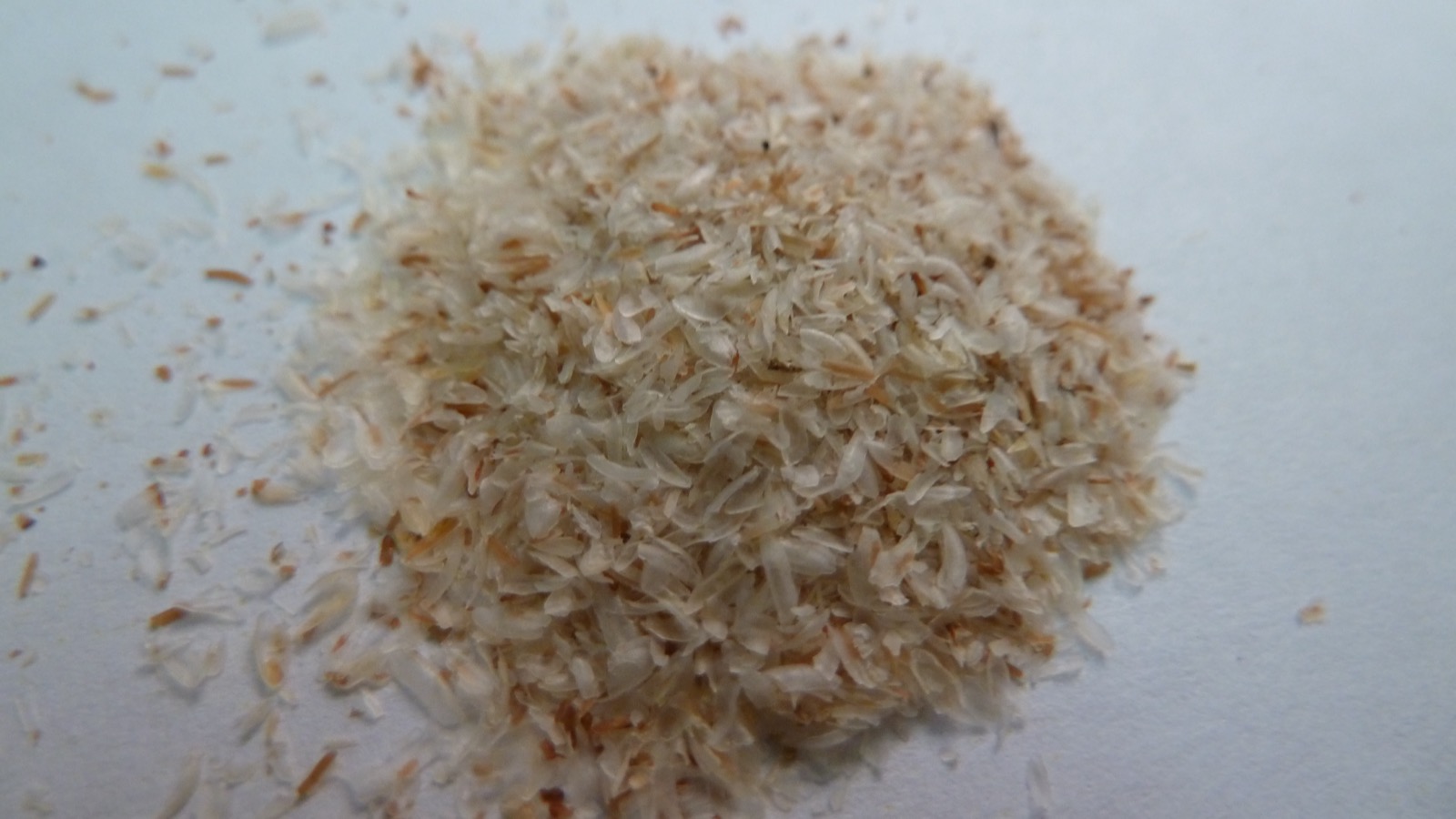
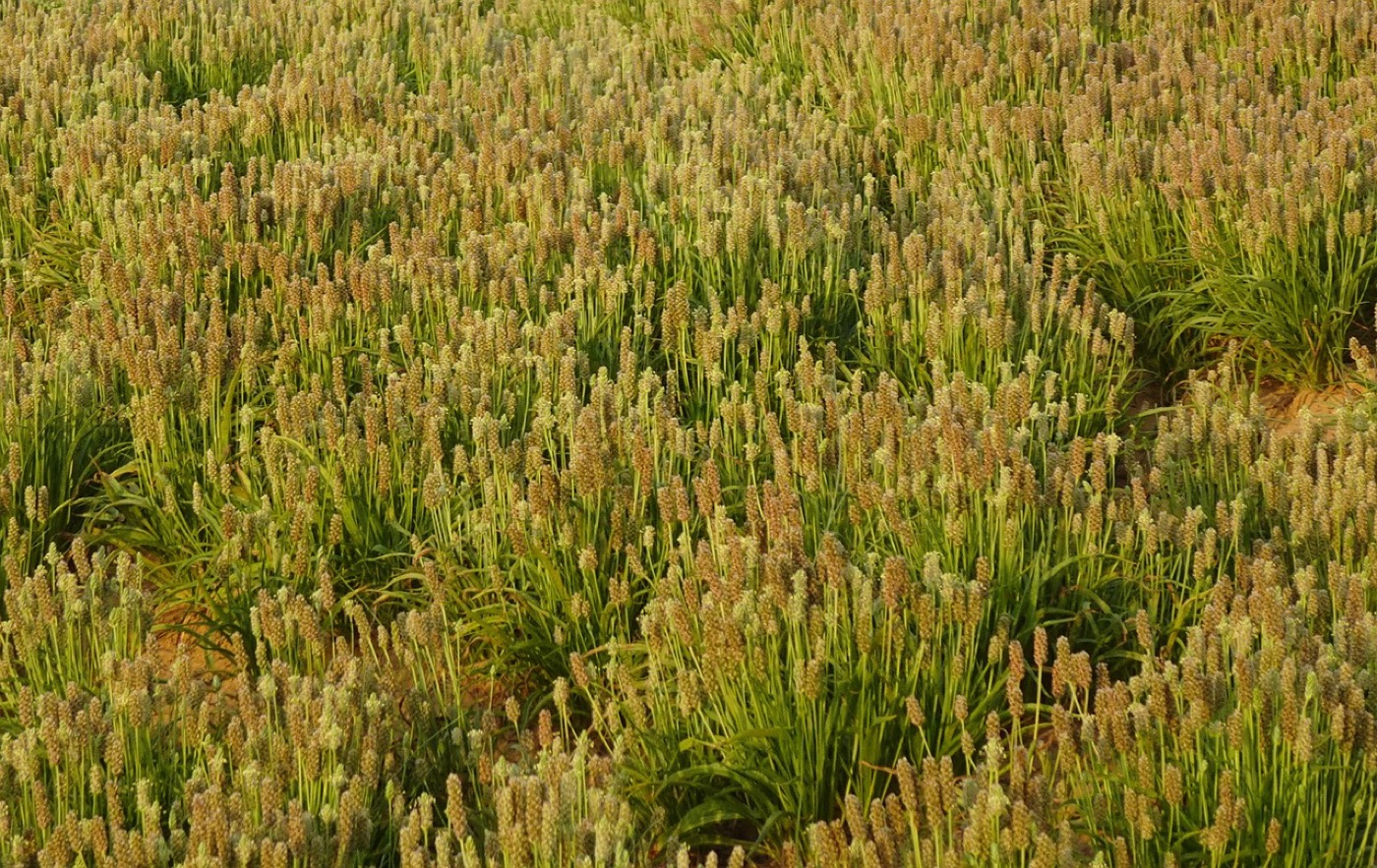
Plantago ovata seed husk from north Gujarat, graded 85% to 99% USP on light extraneous matter, swell volume 40 mL/g minimum. Whole flakes at 40 mesh or milled to 60-200 mesh. Vegan and tested gluten-free.
Stevia sweetener (table-top)
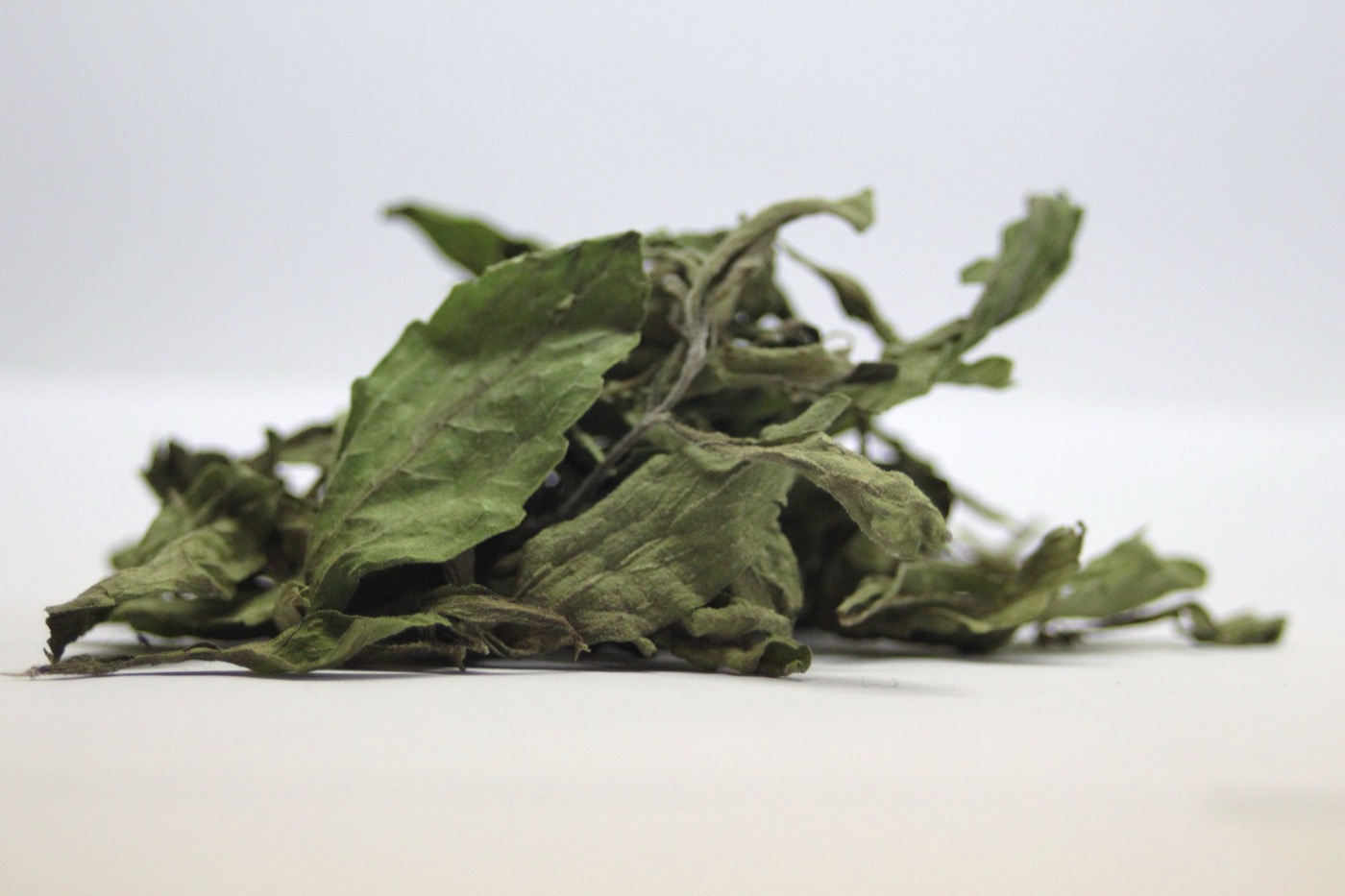
Steviol glycosides at 95% minimum blended with a bulking agent to a stated sucrose equivalence, supplied as bulk powder, stick packs and sachets, or compressed tablets. Vegan, with no declarable allergens.
Monk fruit sweetener
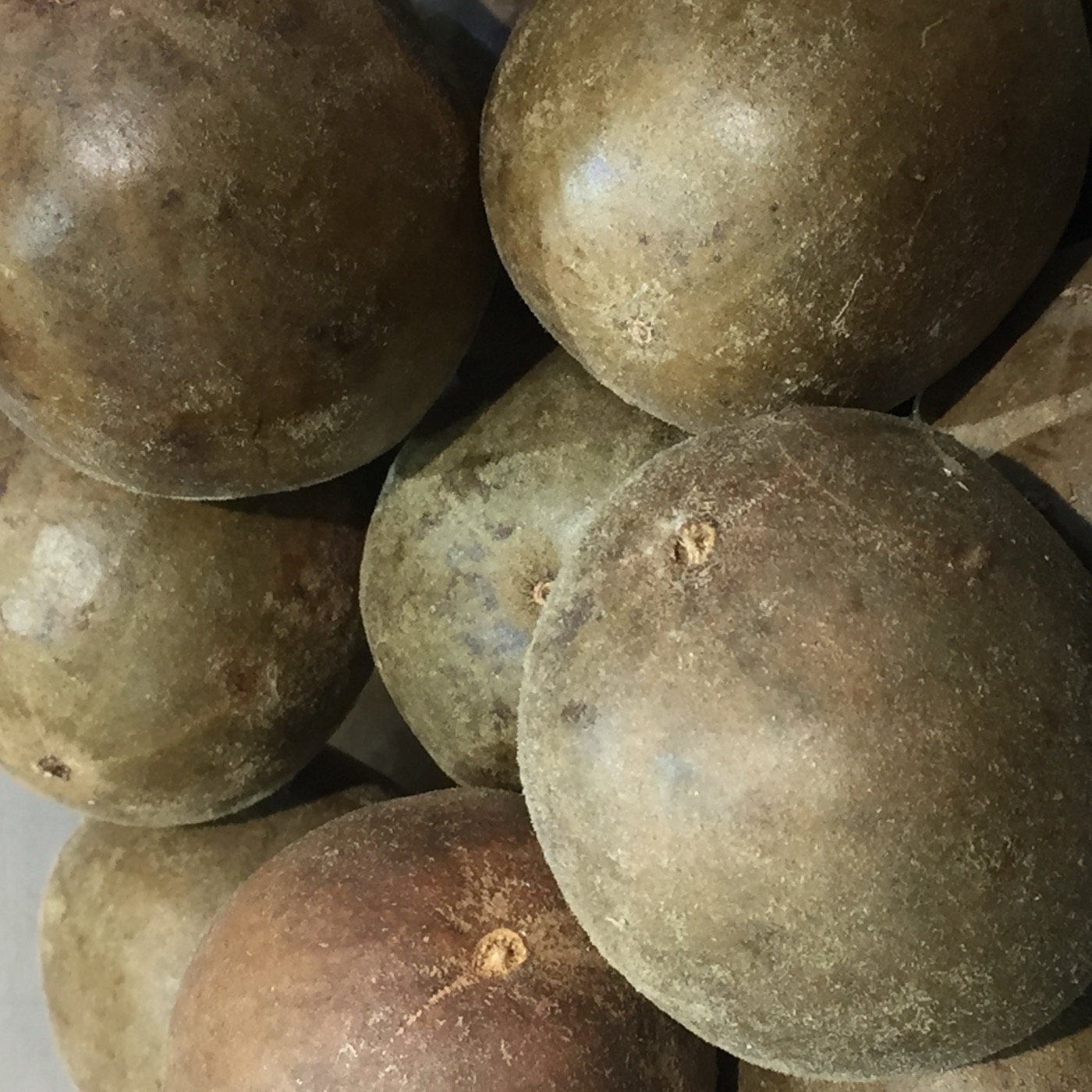
Siraitia grosvenorii fruit extract standardised to mogroside V at 25%, 40% or 50% by HPLC. Water-soluble, heat and acid stable, non-nutritive. Chinese-origin fruit, vegan, no declarable allergens.