Rice Ceramide Skin Capsules
Two-piece capsule of rice bran glucosylceramide, standardised 1% to 30% by HPLC. Vegan HPMC shell, gluten-free and wheat-free. Konjac and wheat grades run separately. Private label from India.
Specifications
| Active class | Plant glucosylceramide (GlcCer), a glycosphingolipid: sphingoid base with an amide-linked fatty acid and a single β-D-glucose head group |
| Botanical source | Oryza sativa L. bran and germ, including the gum fraction from rice bran oil refining; konjac and wheat sources supplied as separate grades |
| Standardisation | Glucosylceramide by HPLC with evaporative light-scattering detection; 1%, 3%, 5%, 10% and 30% grades, assay and method stated on every CoA |
| Molecular detail | Dominant rice sphingoid base is 4,8-sphingadienine, d18:2(4E,8Z), amide-linked to C18–C26 fatty acids with the C24 and C26 species predominating |
| CAS caution | CAS 100403-19-8 circulates in the trade for 'ceramide' but designates a ceramide mixture, not one defined molecule; specify on assay and method instead |
| Capsule build | Reference 40 mg rice ceramide extract per capsule, once daily; konjac builds run at 0.6–1.8 mg GlcCer/day and wheat builds at 30–60 mg GlcCer/day |
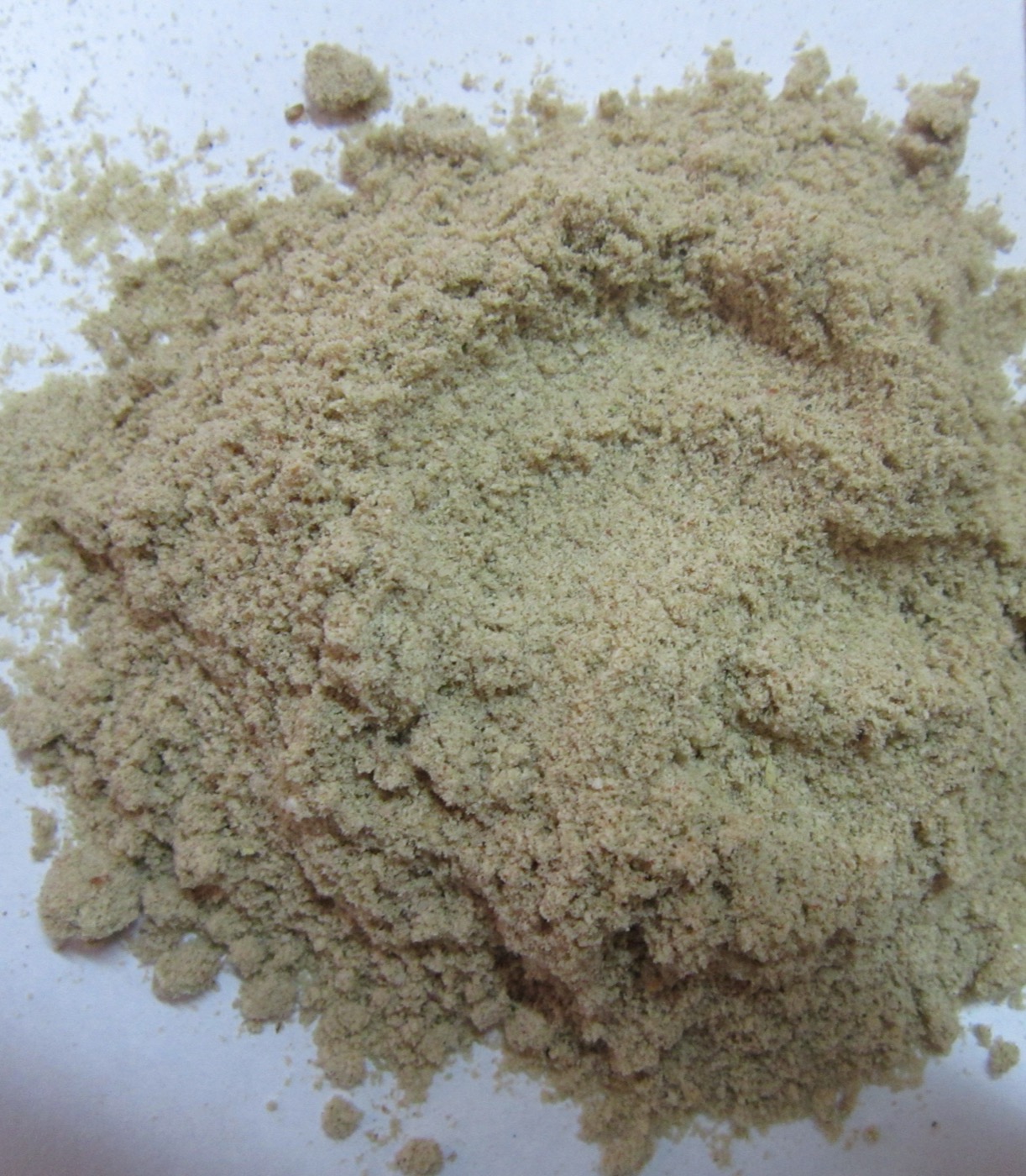
| Appearance and solubility | Off-white to pale yellow-brown free-flowing powder, faint cereal odour; poorly soluble in cold water, disperses with lecithin, soluble in warm ethanol |
| Allergen status, rice grade | No wheat, gluten, milk, egg, soy, fish, crustacean, peanut, tree nut or sesame. Gluten tested to under 20 ppm on request. |
| Allergen caution, wheat grade | A wheat-derived grade must be declared as wheat and gluten and is unsuitable for coeliac buyers; rice and konjac grades avoid the declaration entirely. |
| Origin and diet | Plant origin, vegan and vegetarian, no bovine, porcine or marine input. HPMC shell keeps the vegan claim; a bovine gelatin shell does not. |
| Regulatory position | Rice glucosylceramide has food-grade standing in Japan; EU novel-food status depends on source and history of use and must be confirmed per destination market |
| Claims position | No authorised EU health claim for plant ceramides; Thovek states lipid identity and composition only and makes no therapeutic claim |
| Shelf life and storage | 24 months in unopened original packing; store below 25 °C, dry and out of direct light — the powder is mildly hygroscopic |
| HS code | 21069099 |
Applications
Available grades
Rice bran and germ glucosylceramide at 1%, 3%, 5%, 10% and 30% by HPLC-ELSD, with the 40 mg once-daily capsule as the reference build. Konjac tuber glucosylceramide as a separate grade for 0.6–1.8 mg per day builds, and wheat-derived glucosylceramide for 30–60 mg per day builds, the latter only against a written acceptance of the wheat and gluten declaration. Shells in vegan HPMC or bovine gelatin, in sizes 0, 1 and 2. Optional co-actives include hyaluronic acid, biotin, vitamin C, vitamin E, zinc and marigold-derived lutein. Excipients on request in microcrystalline cellulose, rice flour or maltodextrin. Halal, kosher, vegan, non-GMO, gluten-free and BSE/TSE declarations available where the shell and source support them.
Related products
Lutein and Zeaxanthin Eye Softgels
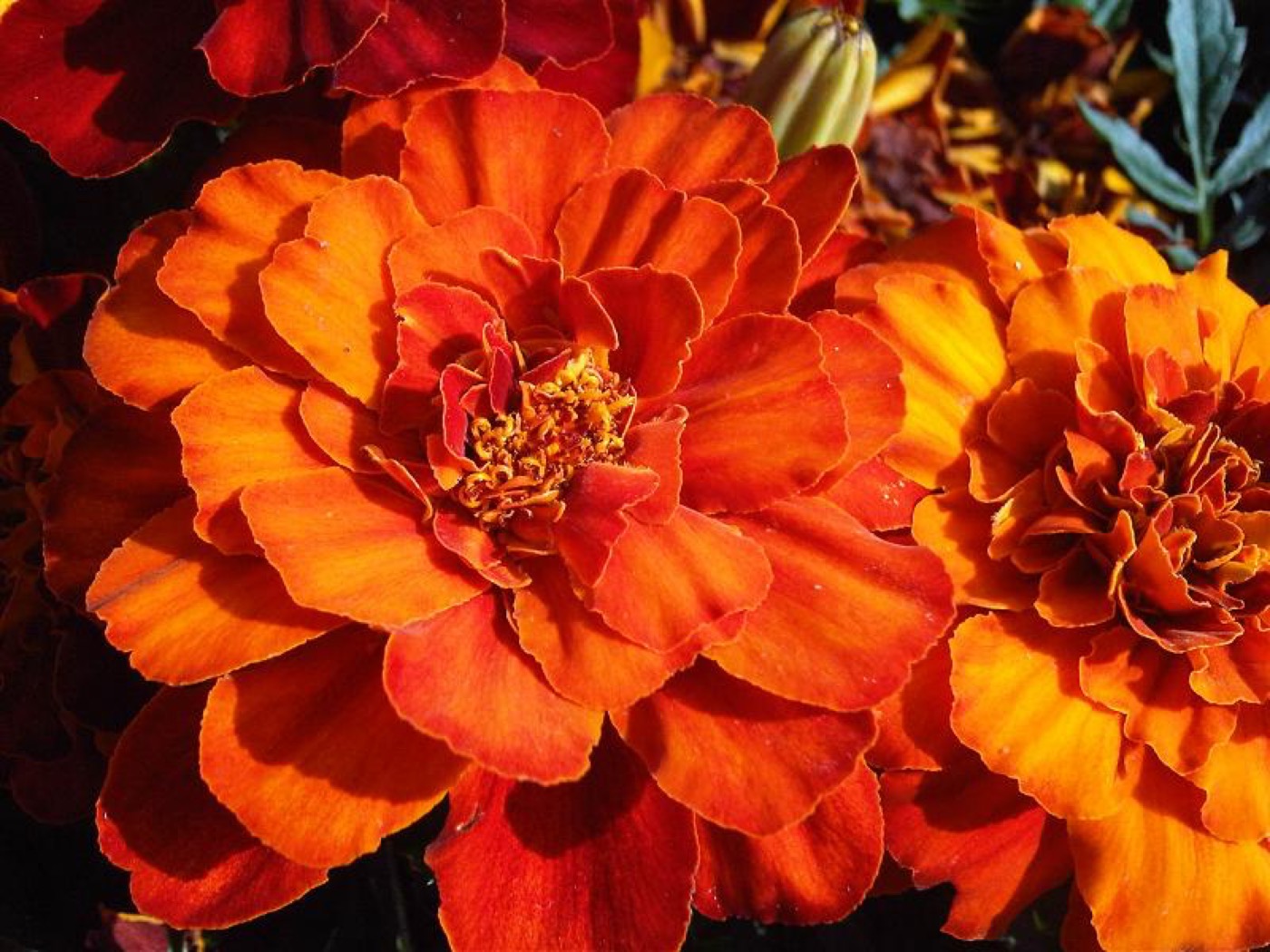
Finished softgels carrying marigold lutein and zeaxanthin at the strength you declare, from JECFA-grade saponified Tagetes erecta oleoresin. Bovine, fish or vegan shell. Made and documented in India.
Bilberry and Lutein Eye Capsules
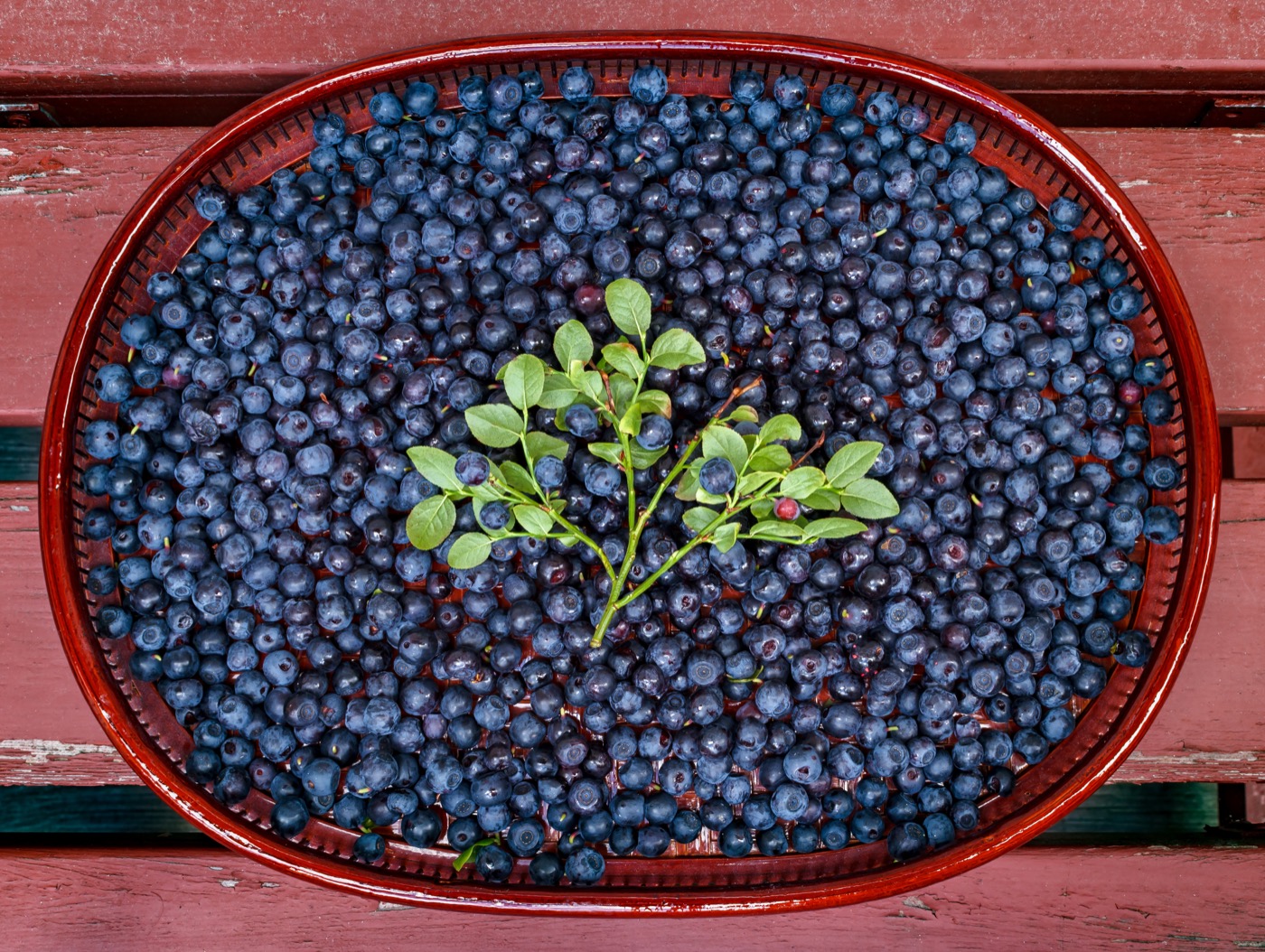
Capsules pairing refined bilberry fruit extract at 25% anthocyanidins with marigold lutein, each bought on its own assay. Vegan HPMC or gelatin shell, HPLC-fingerprinted per lot, made in India.
Collagen Beauty Drink Mix
Flavoured collagen drink built on 2-5 kDa hydrolysed peptides with vitamin C, hyaluronate and optional biotin and zinc. Bovine or marine collagen, declared. Stick packs, jars or RTD, made in India.