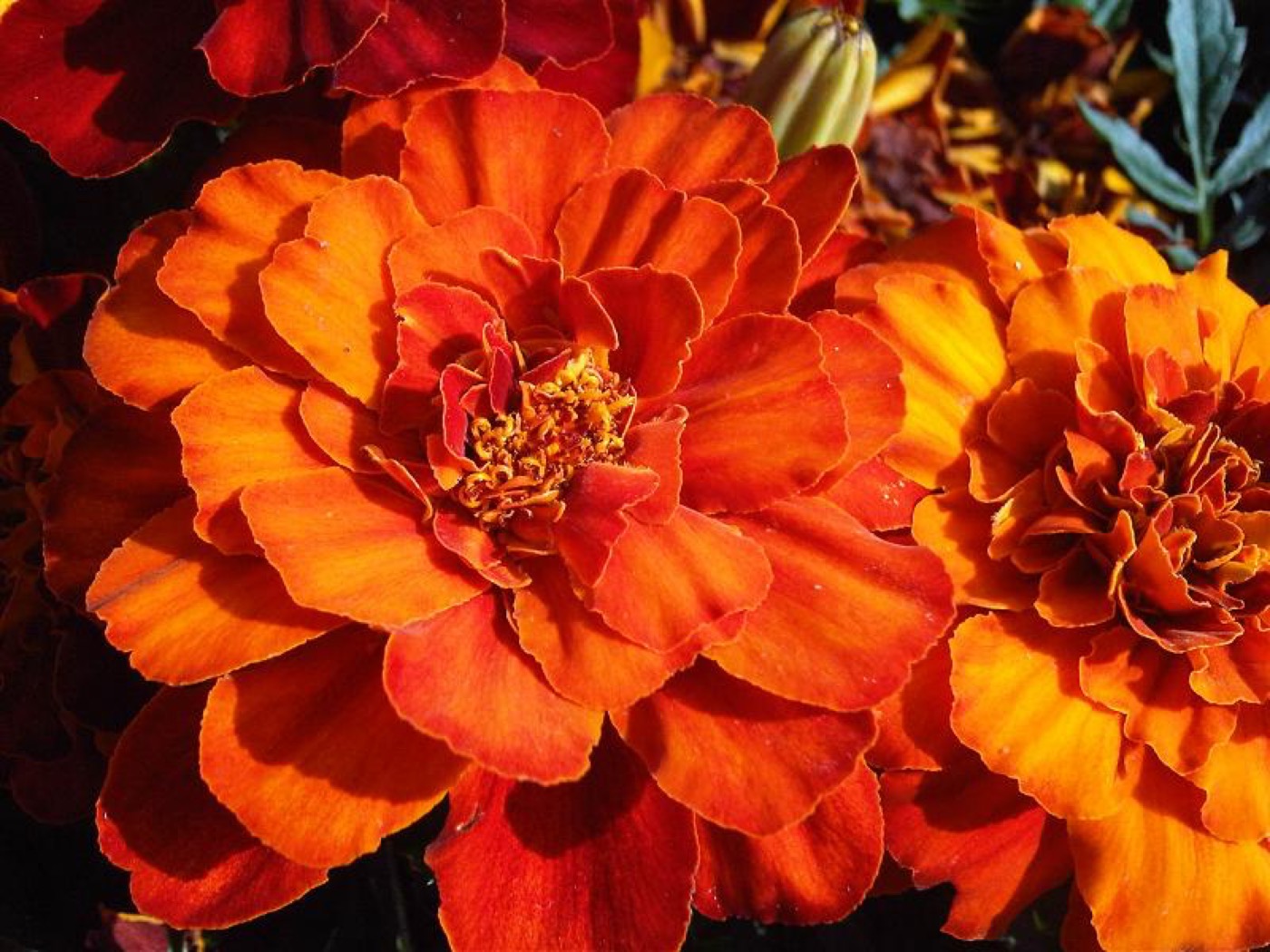
Lutein and Zeaxanthin Eye Softgels
Finished softgels carrying marigold lutein and zeaxanthin at the strength you declare, from JECFA-grade saponified Tagetes erecta oleoresin. Bovine, fish or vegan shell. Made and documented in India.
Specifications
| Dosage form | Oval or oblong soft capsule, rotary-die encapsulated under nitrogen; fill weight and shell size set by the declared carotenoid load |
| Carotenoid source | Marigold flower, Tagetes erecta L. - oleoresin of lutein esters, saponified with potassium hydroxide to the free diols |
| Lutein identity | CAS 127-40-2; C40H56O2; MW 568.87; beta,epsilon-carotene-3,3'-diol; EU food colour number E 161b |
| Zeaxanthin identity | CAS 144-68-3; C40H56O2; MW 568.87; beta,beta-carotene-3,3'-diol - the 3R,3'R stereoisomer that plants and algae make |
| meso-Zeaxanthin option | CAS 31272-50-1, the (3R,3'S) stereoisomer, supplied for three-carotenoid builds and declared separately from zeaxanthin on the label |
| Standard builds | 10 mg lutein with 2 mg zeaxanthin per softgel; 20/4 and 40/8 also run, plus custom ratios. Overage fixed from stability data, not assumed |
| Raw material assay | JECFA: not less than 80% total carotenoids and not less than 70% lutein; zeaxanthin typically 2-9% of the carotenoid fraction, topped up to the declared figure |
| Fill system | Lutein 20% suspension in safflower, sunflower or MCT oil with beeswax and lecithin suspending agents and mixed tocopherols or ascorbyl palmitate |
| Appearance and solubility | Dark orange-red to reddish-brown oily suspension in an opaque amber or brown shell. Carotenoids are fat soluble and practically insoluble in water |
| Shell options | Bovine gelatin, fish gelatin or vegan HPMC and modified starch. The shell, not the carotenoid, decides the allergen and dietary status of the finished unit |
| Allergen status | Fish gelatin shells carry a declarable fish allergen. Fill is soy-free by default on sunflower lecithin, soy lecithin only on request. No milk, egg, gluten, crustacean or nut |
| Origin and diet | Carotenoids are plant-derived and vegan. Bovine gelatin shells are bovine with TSE/BSE documentation and halal or kosher options; HPMC keeps the unit vegan |
| Safety and claim status | EFSA ADI 1 mg/kg bw/day for lutein E 161b (2010). No authorised EU health claim exists for lutein or zeaxanthin - European labels lean on vitamin A, riboflavin or zinc |
| Shelf life | 24 months in the sealed export pack below 25 C, protected from light. |
| HS code | 21069099 as a finished supplement |
Applications
Available grades
Health-supplement grade finished softgel. Standard 10 mg lutein with 2 mg zeaxanthin, plus 20/4, 40/8 and customer-defined ratios including three-carotenoid builds with meso-zeaxanthin. Shell as bovine gelatin, fish gelatin or vegan HPMC/modified starch. Carrier oil selectable as safflower, sunflower or MCT. FSSAI-licensed GMP manufacture with HACCP and ISO 22000; gluten-free; non-GMO declaration available. Halal and kosher on the qualifying shell and carrier combinations. Vegan only on the HPMC or starch shell.
Related products
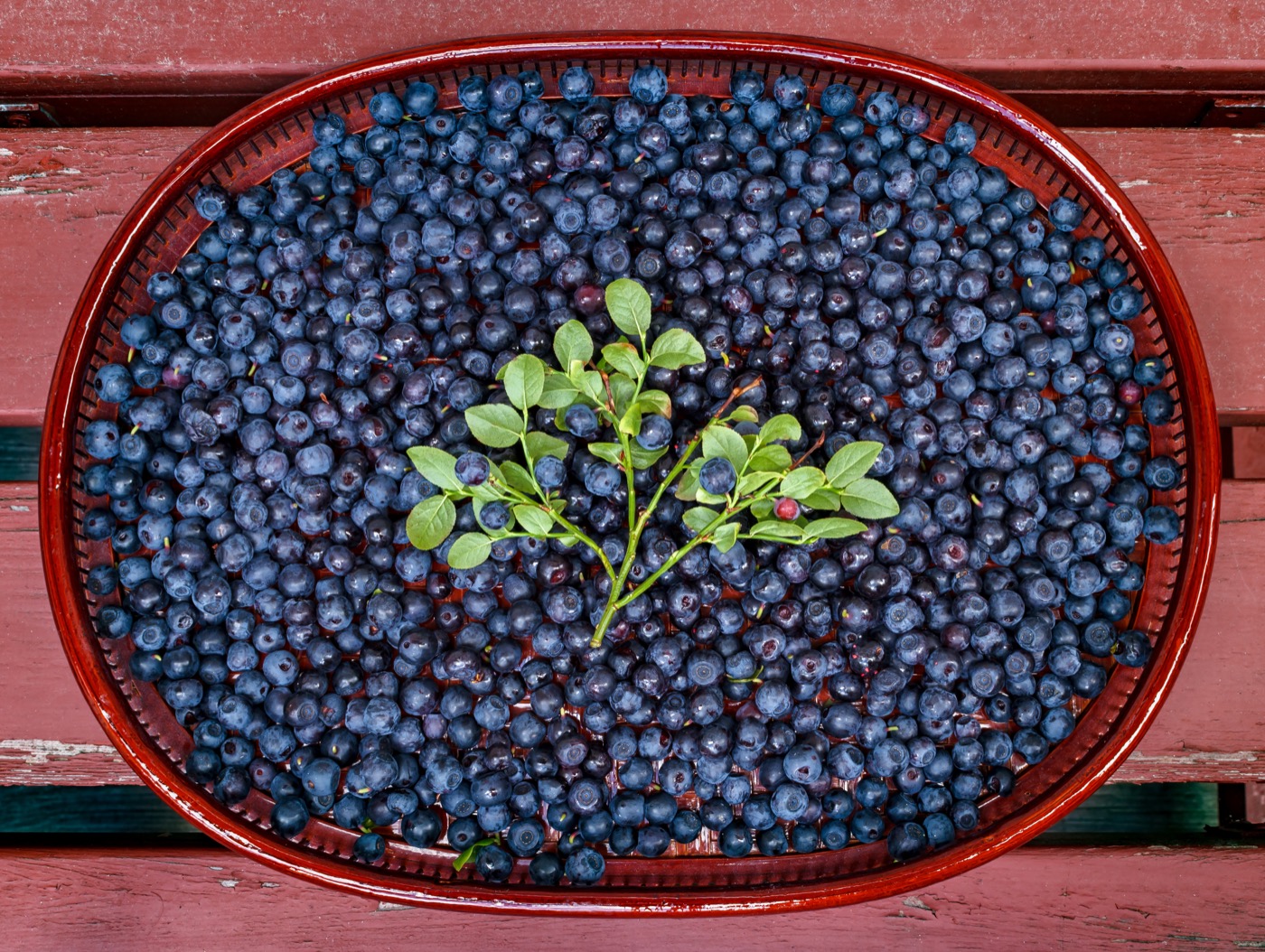
Bilberry and Lutein Eye Capsules
Capsules pairing refined bilberry fruit extract at 25% anthocyanidins with marigold lutein, each bought on its own assay. Vegan HPMC or gelatin shell, HPLC-fingerprinted per lot, made in India.
Collagen Beauty Drink Mix
Flavoured collagen drink built on 2-5 kDa hydrolysed peptides with vitamin C, hyaluronate and optional biotin and zinc. Bovine or marine collagen, declared. Stick packs, jars or RTD, made in India.
Biotin, Collagen Peptide and Keratin Tablets
Finished tablets combining USP-grade biotin with hydrolysed collagen peptides and hydrolysed keratin. Each active assayed separately, animal origin declared, private label and contract manufacture from India.