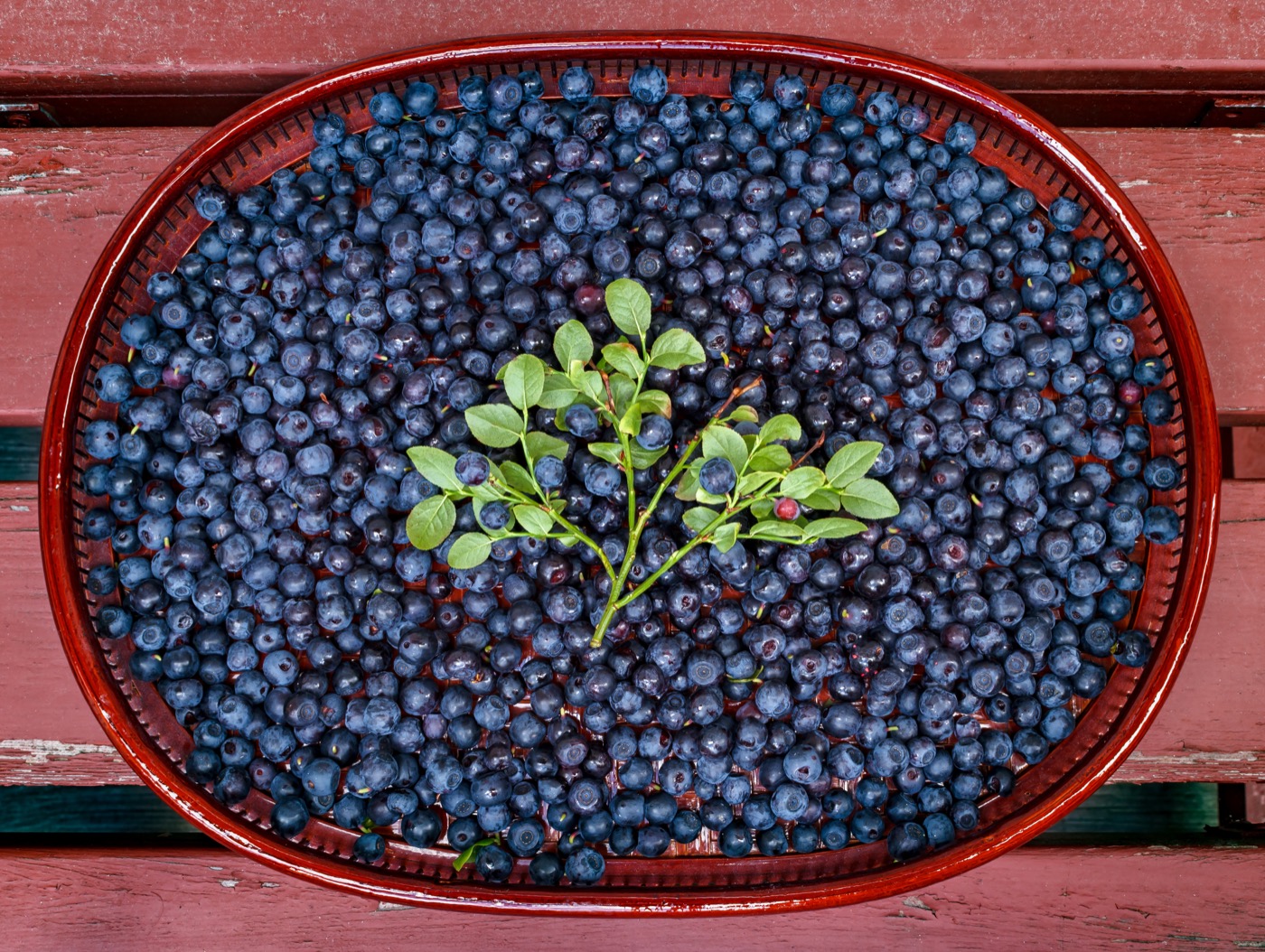
Bilberry and Lutein Eye Capsules
Capsules pairing refined bilberry fruit extract at 25% anthocyanidins with marigold lutein, each bought on its own assay. Vegan HPMC or gelatin shell, HPLC-fingerprinted per lot, made in India.
Specifications
| Composition | Two declared actives - refined bilberry fruit extract and marigold lutein - each specified on its own assay, with per-capsule strengths fixed by the approved formula |
| Bilberry identity | Vaccinium myrtillus L., fruit; family Ericaceae. Species confirmed against V. corymbosum and V. uliginosum on every lot |
| Bilberry standardisation | 25% anthocyanidins, the same material also quoted as 36% anthocyanosides; UV and HPLC figures both reported on the certificate of analysis |
| Pharmacopoeial reference | Ph. Eur. 07/2008:2394, fresh bilberry fruit dry extract, refined and standardised - 32.4 to 39.6% anthocyanins as cyanidin 3-O-glucoside chloride |
| Drug-to-extract ratio | 153-76:1 on the Ph. Eur. refined grade, extraction solvent methanol 70% V/V, with residual solvent controlled to the pharmacopoeial limit |
| Anthocyanin profile | 3-glycosides of delphinidin and cyanidin dominate, with petunidin, peonidin and malvidin following; profile reported as a fingerprint, not a single number |
| Adulteration control | HPLC and HPTLC fingerprint on every lot. UV colour alone is not accepted, because black rice, mulberry, soybean hull and azo dyes can meet a UV number |
| Lutein component | Marigold lutein, CAS 127-40-2, C40H56O2, MW 568.87, from saponified Tagetes erecta L. oleoresin; cold-water-dispersible beadlet at 5%, 10% or 20% |
| Zeaxanthin co-fraction | Zeaxanthin, CAS 144-68-3, travels with marigold lutein at 2 to 9% of the carotenoid fraction and is declared wherever the label carries it |
| Optional nutrients | Vitamin A as retinyl acetate or palmitate, riboflavin (CAS 83-88-5) and zinc are the usual additions, and are the parts that can carry an EU vision claim |
| Capsule shell | Vegan HPMC by default, bovine gelatin on request; size 0 or 1, printed or plain. The shell choice decides the dietary status of the finished unit |
| Appearance | Deep purple to purple-black free-flowing blend flecked orange from the lutein beadlet, filled into an opaque or coloured shell to keep light off the anthocyanins |
| Allergen and origin | Vegan and vegetarian on the HPMC shell. Free from milk, egg, soy, fish, crustacean, gluten and nuts. Bovine only where a gelatin shell is specified |
| Shelf life | 24 months below 25 C in the sealed pack, away from light and humidity. |
| HS code | 21069099 as a finished supplement |
Applications
Available grades
Health-supplement grade finished capsule. Bilberry component available as the Ph. Eur.-pattern refined extract at 25% anthocyanidins, or at 1%, 5%, 10% and 15% anthocyanins by UV as cyanidin-3-O-glucoside for cost-driven builds. Lutein component as 5%, 10% or 20% cold-water-dispersible beadlet, with declared zeaxanthin where required. Shell as vegan HPMC or bovine gelatin. FSSAI-licensed GMP manufacture with HACCP and ISO 22000; gluten-free; non-GMO and vegan declarations available on the HPMC shell; halal and kosher on qualifying builds.
Related products
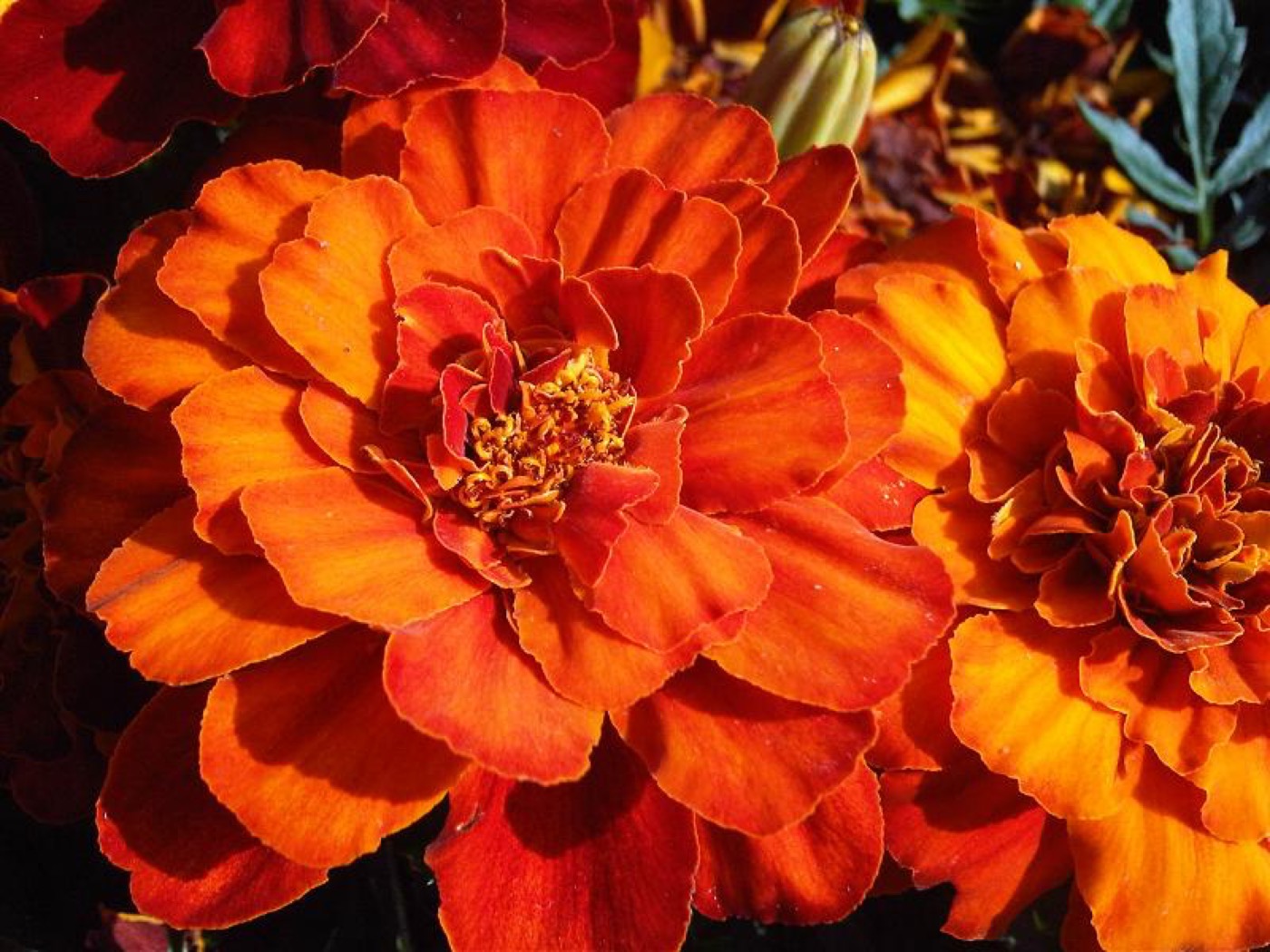
Lutein and Zeaxanthin Eye Softgels
Finished softgels carrying marigold lutein and zeaxanthin at the strength you declare, from JECFA-grade saponified Tagetes erecta oleoresin. Bovine, fish or vegan shell. Made and documented in India.
Collagen Beauty Drink Mix
Flavoured collagen drink built on 2-5 kDa hydrolysed peptides with vitamin C, hyaluronate and optional biotin and zinc. Bovine or marine collagen, declared. Stick packs, jars or RTD, made in India.
Biotin, Collagen Peptide and Keratin Tablets
Finished tablets combining USP-grade biotin with hydrolysed collagen peptides and hydrolysed keratin. Each active assayed separately, animal origin declared, private label and contract manufacture from India.