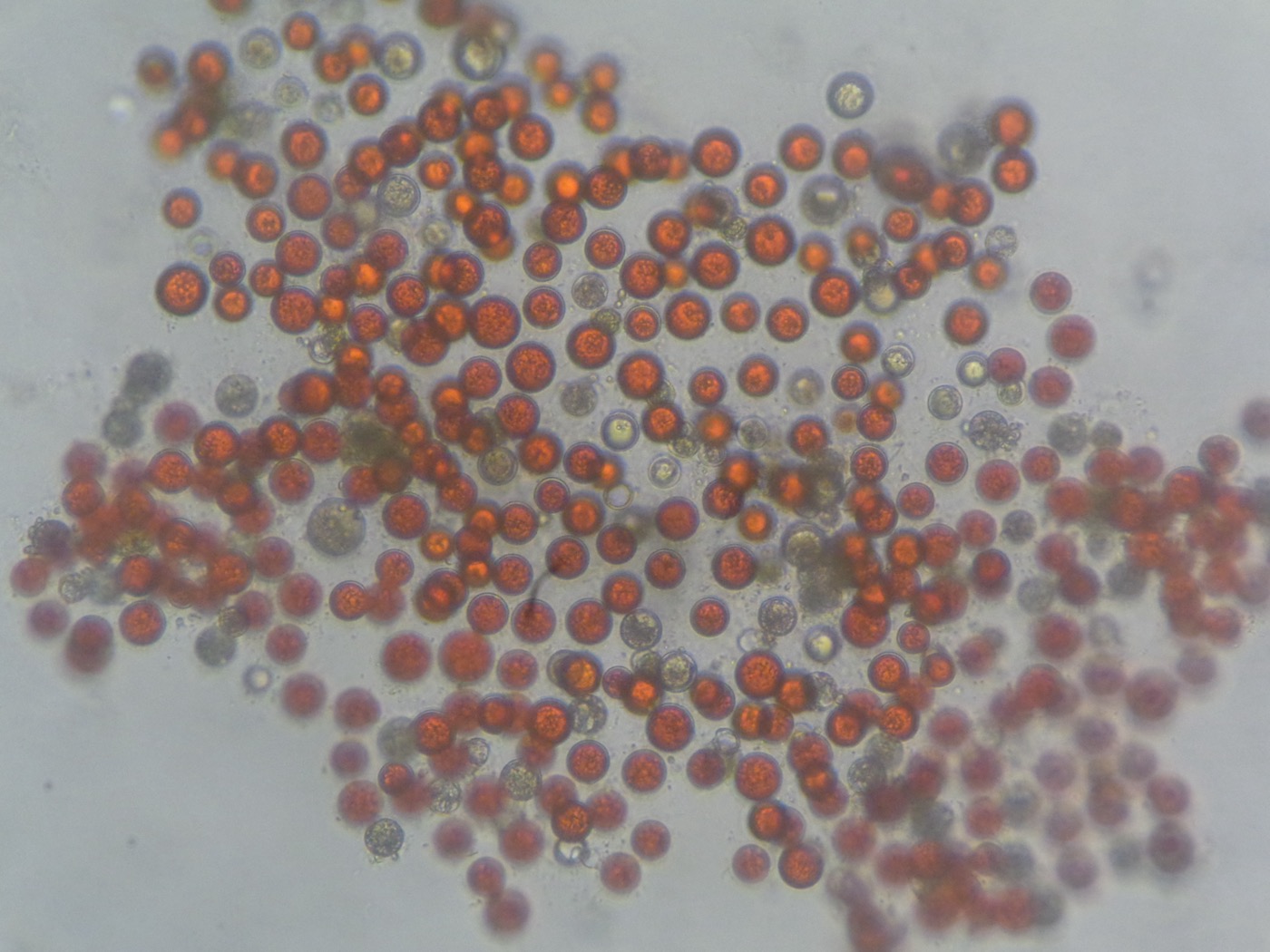
Natural Astaxanthin Softgels
Oil-suspension softgel carrying natural astaxanthin from Haematococcus pluvialis oleoresin. Reference builds 4, 6 and 12 mg. Bovine, fish or vegan shell, declared per order. Private label from India.
Specifications
| Active and CAS number | Astaxanthin (3,3'-dihydroxy-β,β-carotene-4,4'-dione), CAS 472-61-7; xanthophyll carotenoid, not a vitamin A precursor |
| Formula and molecular weight | C40H52O4, molecular weight 596.85 |
| Source and extraction | Oleoresin from cultivated Haematococcus pluvialis biomass by supercritical CO2 extraction; natural origin only, no synthetic astaxanthin supplied |
| Oleoresin assay | 10.0–11.1% w/w total astaxanthin in the EU novel-food oleoresin, total carotenoids 11.02–11.16%; 5% and 20% oleoresin grades also run |
| Ester and isomer profile | Naturally esterified: monoesters 66.7–91.5%, diesters 0.16–32.50% of total astaxanthin; all-trans over 60%, 9-cis 0.3–30.0%, 13-cis 0.2–7.0% |
| Softgel strength | Reference builds 4 mg, 6 mg and 12 mg astaxanthin per softgel; other strengths to buyer formula within the applicable national ceiling |
| Fill and appearance | Deep red to near-black oil fill in an oval softgel; oleoresin cut into safflower, sunflower, MCT or olive oil with mixed tocopherols and rosemary extract |
| Physical properties | Lipophilic; practically insoluble in water at under 1 mg/L, soluble in chloroform, acetone and ethanol; natural isolate melts near 216 °C |
| Allergen status | Microalgal active — not crustacean-derived, no crustacean allergen. A fish gelatin shell adds a fish declaration; vegan and bovine shells do not. |
| Origin and diet | Algal active, vegan in itself. Bovine gelatin shell is bovine and not vegetarian; fish gelatin shell is marine; vegan starch-carrageenan shell available. |
| Regulatory intake limits | FSSAI Schedule II permits 2–12 mg per day and natural H. pluvialis source only; EFSA ADI 0.2 mg/kg bw/day, about 14 mg for a 70 kg adult |
| Claims position | No authorised EU health claim exists for astaxanthin; Thovek states composition and carotenoid antioxidant function only and makes no therapeutic claim |
| Shelf life and storage | 24 months in unopened original packing; store below 25 °C, dry, away from light and oxygen — carotenoids oxidise and fade |
| HS code | 21069099 |
Applications
Available grades
Reference strengths 4 mg, 6 mg and 12 mg astaxanthin per softgel, with 2 mg and intermediate builds to buyer formula inside the FSSAI 2–12 mg per day ceiling. Oleoresin input at 5%, 10% or 20% total astaxanthin, or 1.5–3.5% dried H. pluvialis biomass powder where a whole-algae label is wanted. Shells in bovine gelatin, fish gelatin, or a vegan modified-starch and carrageenan shell. Carrier oils in safflower, sunflower, MCT or olive; soybean oil only where a soy declaration is acceptable. Optional co-actives include vitamin E, vitamin C, lutein, zeaxanthin, zinc and fish or algal omega-3. Halal, kosher, vegan, non-GMO and BSE/TSE declarations available where the shell and carrier support them.
Related products
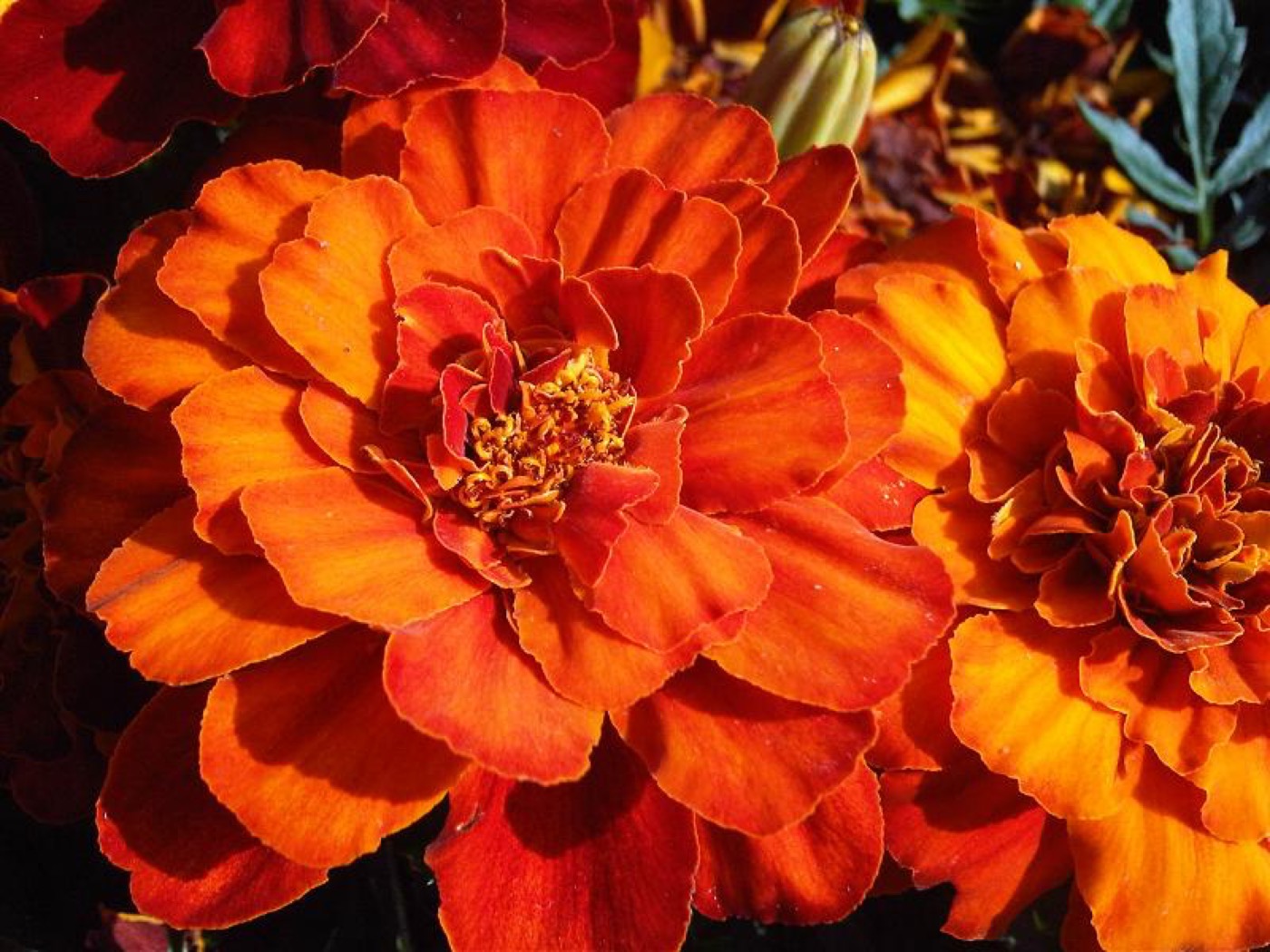
Lutein and Zeaxanthin Eye Softgels
Finished softgels carrying marigold lutein and zeaxanthin at the strength you declare, from JECFA-grade saponified Tagetes erecta oleoresin. Bovine, fish or vegan shell. Made and documented in India.
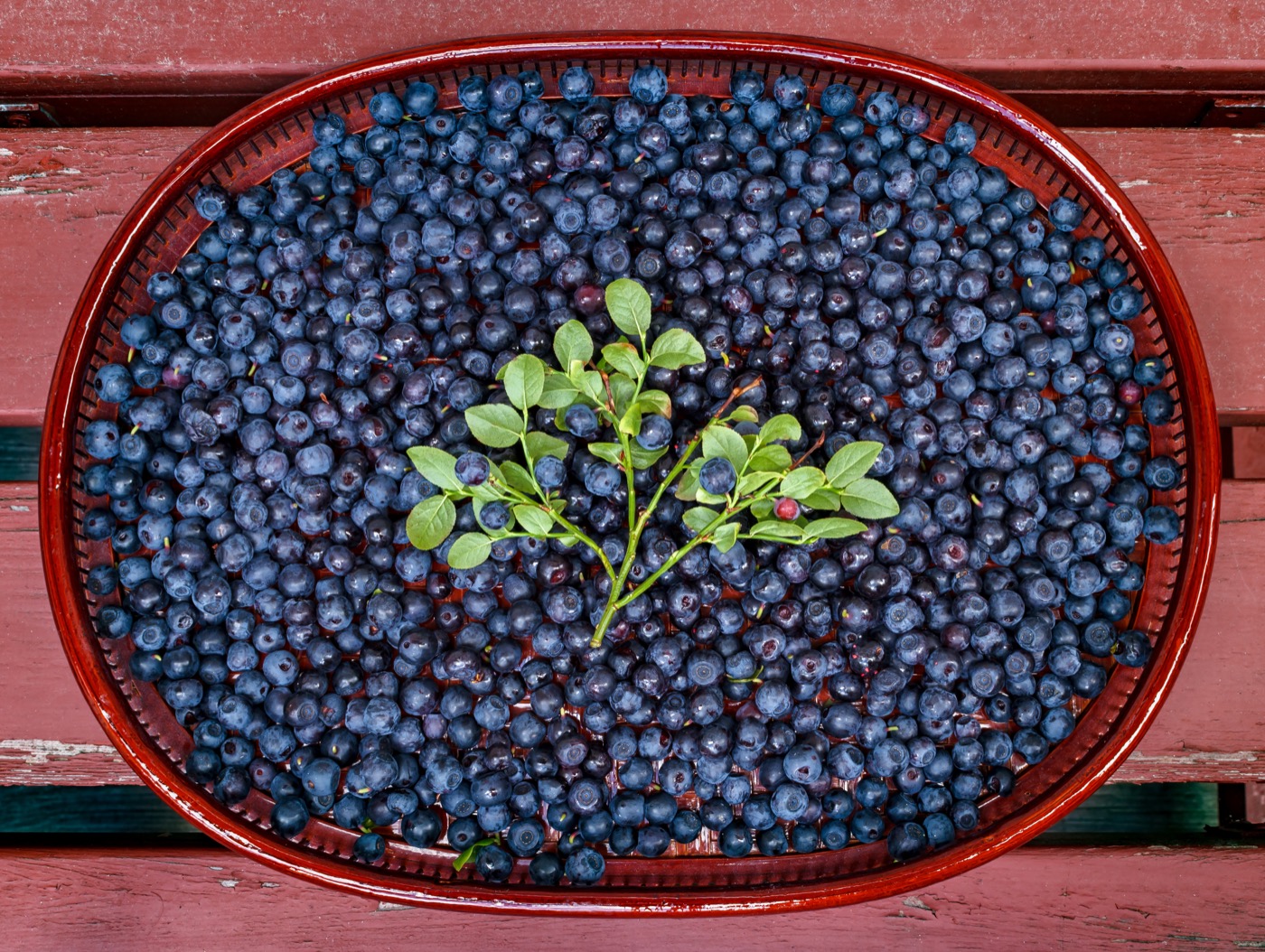
Bilberry and Lutein Eye Capsules
Capsules pairing refined bilberry fruit extract at 25% anthocyanidins with marigold lutein, each bought on its own assay. Vegan HPMC or gelatin shell, HPLC-fingerprinted per lot, made in India.
Collagen Beauty Drink Mix
Flavoured collagen drink built on 2-5 kDa hydrolysed peptides with vitamin C, hyaluronate and optional biotin and zinc. Bovine or marine collagen, declared. Stick packs, jars or RTD, made in India.