Hyaluronic Acid Capsules (Sodium Hyaluronate)
Capsules of fermentation-derived sodium hyaluronate, non-animal and vegan, supplied in defined oral molecular weight grades. Private label and contract manufacture from India.
Specifications
| Identity | Sodium hyaluronate, CAS 9067-32-7, repeat unit (C14H20NNaO11)n; the free acid form, hyaluronic acid, is CAS 9004-61-9. Also traded as hyaluronan |
| Structure | Linear glycosaminoglycan of repeating D-glucuronic acid and N-acetyl-D-glucosamine disaccharide units joined alternately by beta-1,3 and beta-1,4 glycosidic bonds |
| Assay | Sodium hyaluronate typically not less than 91-93% on the dried basis, calibrated against glucuronic acid content of not less than about 44-45%; exact limits fixed on the agreed spec |
| Molecular weight grades | Oral grades span oligomeric and low molecular weight material below about 10 kDa, a 50-110 kDa band, and high molecular weight above 1,000 kDa. Band must be stated on the purchase spec |
| Source organism | Bacterial fermentation, normally a non-GMO strain of Streptococcus equi subsp. zooepidemicus; cells inactivated and removed, leaving a purified polysaccharide above 90% purity |
| Origin and dietary status | Non-animal and vegan on the fermentation route. The legacy rooster comb extraction route is avian tissue and is not vegan or vegetarian - source is stated on every certificate of analysis |
| EU novel food status | An Article 4 consultation under Regulation (EU) 2015/2283 concluded that biotechnologically produced sodium hyaluronate is not a novel food in food supplements… |
| Appearance | White to off-white or pale cream powder or granules, odourless, hygroscopic, filled into a clear or coloured capsule shell as agreed |
| Solubility | Freely soluble in water, forming a viscous solution whose viscosity rises steeply with molecular weight; practically insoluble in ethanol and other common organic solvents |
| Key purity limits | Protein not more than 0.1%, loss on drying not more than 10%, pH of dilute solution about 5.0-8.5; heavy metals, residual solvents and microbiology to the agreed specification |
| Capsule shell | Vegan HPMC or bovine gelatin, size 0 or 1 typical. A gelatin shell removes the vegan and vegetarian status of the finished SKU whatever the fill is |
| Allergen status | No milk, egg, fish, crustacean, soy, peanut, tree nut or gluten input. No crustacean material in the fermentation route, despite the common assumption drawn from glucosamine |
| Claim wording | Hyaluronic acid carries no authorised health claim under Regulation (EU) 432/2012, so EU-facing copy must remain compositional and attribute no physiological effect to the ingredient |
| Storage, shelf life | Below 25 °C at RH not above 60%, away from light; 24 months in the unopened alu-alu blister or desiccated bottle. Exported as a finished supplement under |
| HS code | 21069099 |
Applications
Available grades
Fermentation-derived food-grade sodium hyaluronate in the customer's chosen molecular weight band, low, medium or high, stated on the specification and certificate of analysis. Capsule shell in vegan HPMC or bovine gelatin. Single-active or combination builds with vitamin C, collagen peptides, zinc or biotin quoted on the approved formula. Vegan, vegetarian, halal and kosher builds available on the HPMC shell route.
Related products
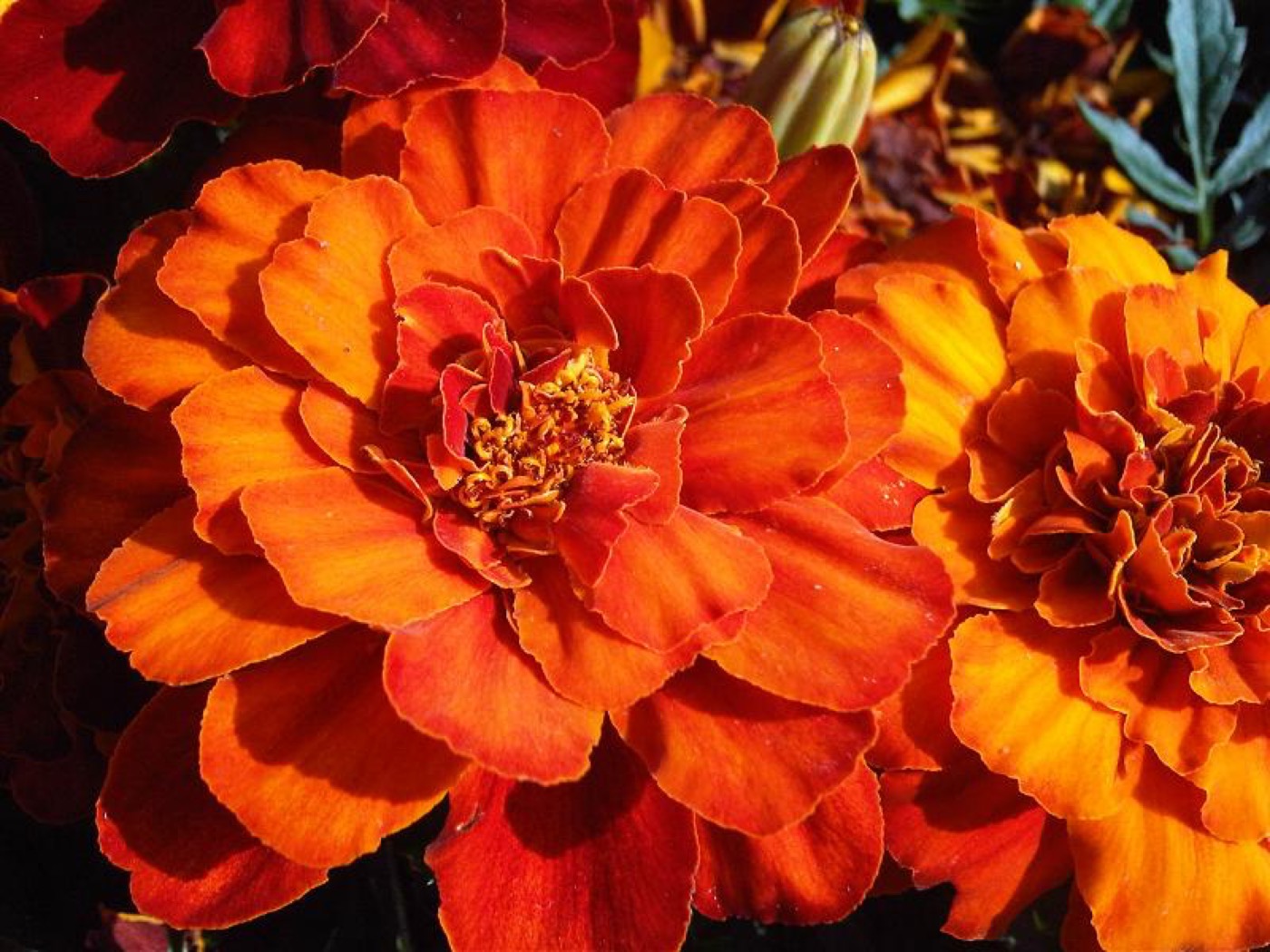
Lutein and Zeaxanthin Eye Softgels
Finished softgels carrying marigold lutein and zeaxanthin at the strength you declare, from JECFA-grade saponified Tagetes erecta oleoresin. Bovine, fish or vegan shell. Made and documented in India.
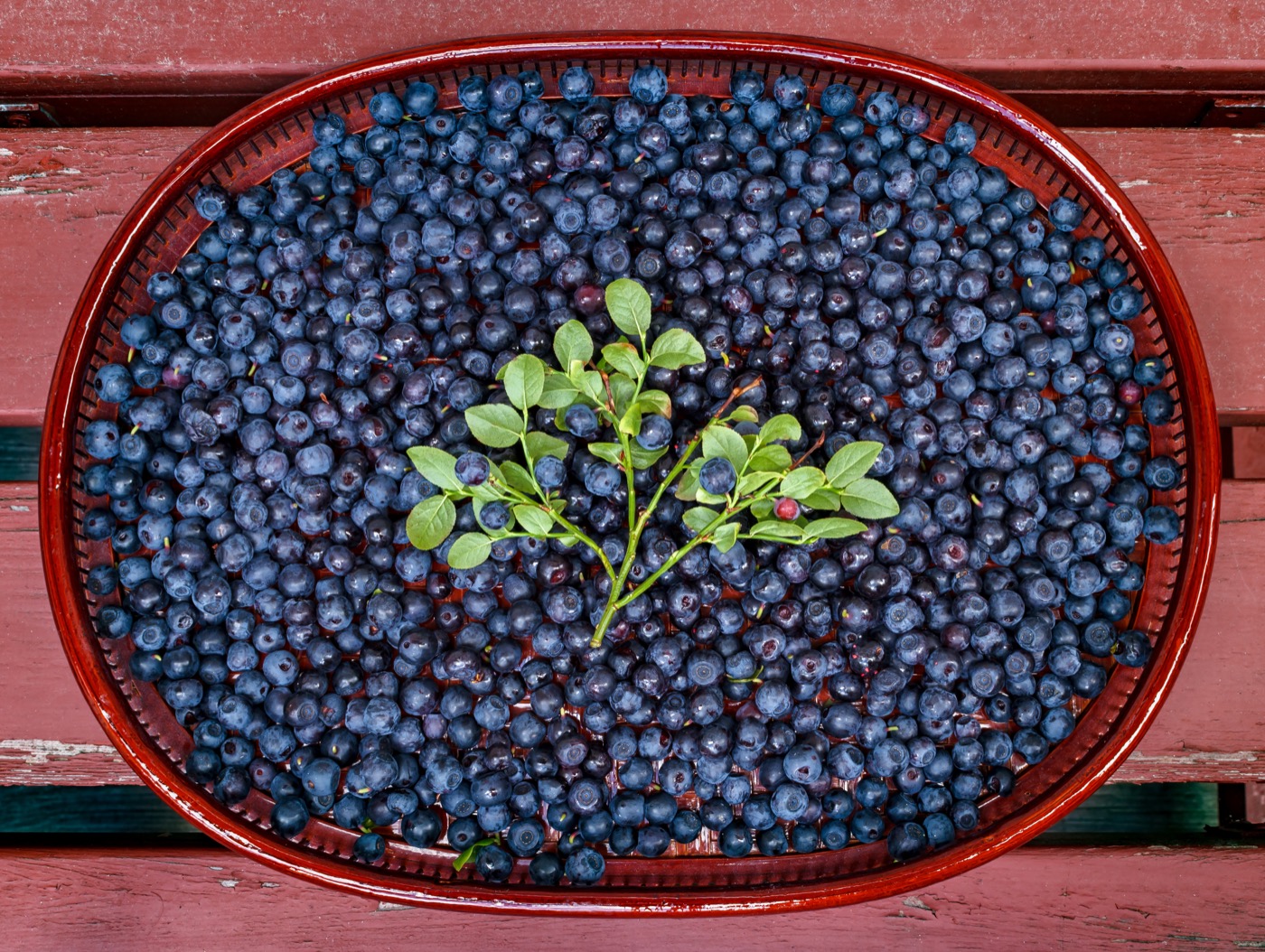
Bilberry and Lutein Eye Capsules
Capsules pairing refined bilberry fruit extract at 25% anthocyanidins with marigold lutein, each bought on its own assay. Vegan HPMC or gelatin shell, HPLC-fingerprinted per lot, made in India.
Collagen Beauty Drink Mix
Flavoured collagen drink built on 2-5 kDa hydrolysed peptides with vitamin C, hyaluronate and optional biotin and zinc. Bovine or marine collagen, declared. Stick packs, jars or RTD, made in India.