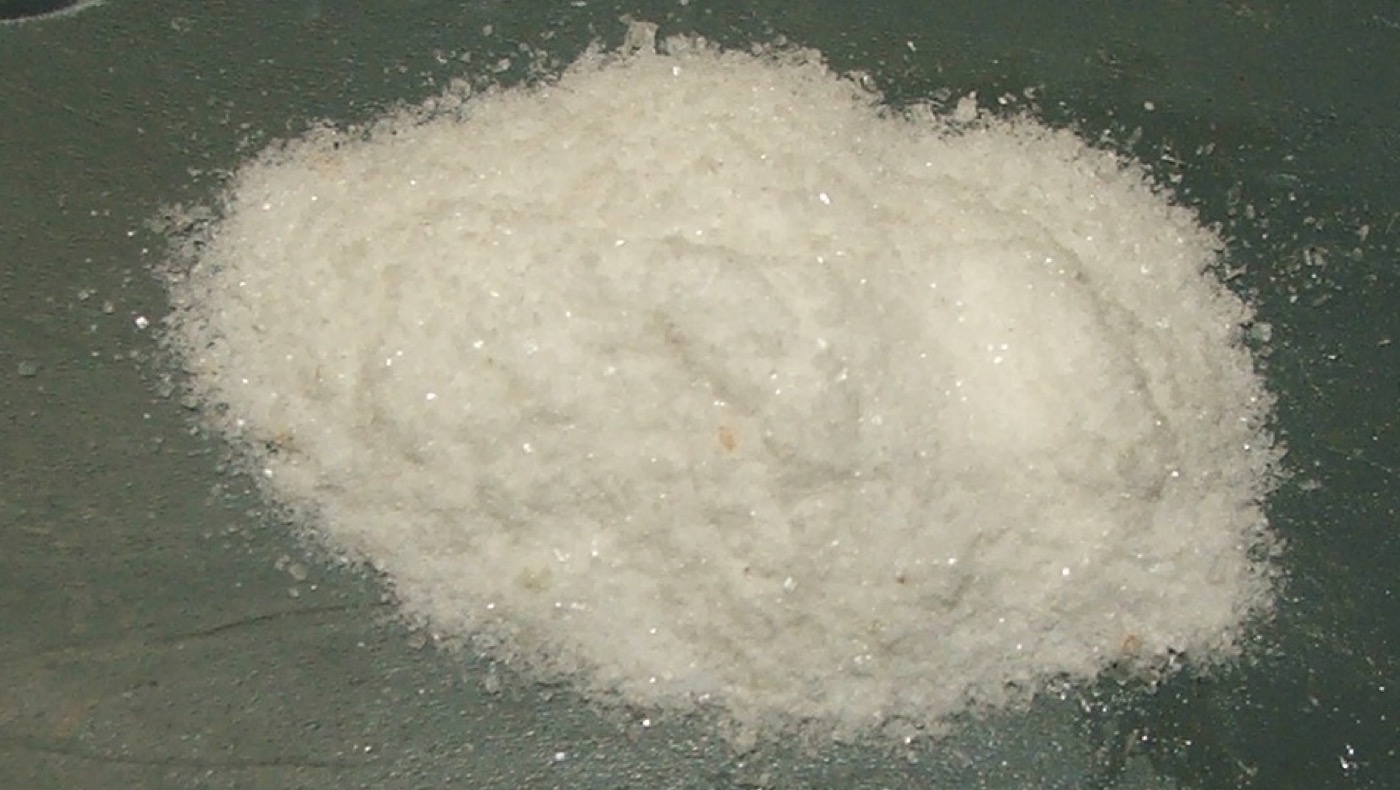
Reduced Glutathione with Vitamin C Tablets and Sachets
Tablets and stick sachets pairing fermentation-derived reduced L-glutathione with USP L-ascorbic acid. Vegan, both actives assayed separately, private label and contract manufacture from India.
Specifications
| Composition | Two declared actives - reduced L-glutathione and vitamin C - each specified on its own assay; ratio and per-unit strengths fixed by the approved formula, not by a single blended figure |
| Glutathione identity | Reduced L-glutathione (GSH), gamma-L-glutamyl-L-cysteinylglycine, CAS 70-18-8, EC 200-725-4, C10H17N3O6S, MW 307.32, PubChem CID 124886 |
| Glutathione grade and origin | Food grade, assay not less than 98%, produced by yeast fermentation (normally Saccharomyces cerevisiae). Non-animal and vegan; no bovine, porcine or marine input |
| Related glutathione forms | Oxidised glutathione GSSG (CAS 27025-41-8) and S-acetyl-L-glutathione are separate articles with separate specifications and are quoted independently, not interchanged |
| Vitamin C identity and assay | L-ascorbic acid, CAS 50-81-7, EC 200-066-2, C6H8O6, MW 176.12; USP assay 99.0-100.5%. Sodium ascorbate (CAS 134-03-2) and calcium ascorbate offered as buffered alternatives |
| Appearance | White to off-white tablet or free-flowing white to pale cream sachet powder; ascorbic acid is a white to slightly yellow crystalline powder before blending |
| Solubility | Both actives are freely soluble in water and practically insoluble in ethanol; the sachet build is designed to dissolve completely in 150-200 ml of water |
| Stability and handling | The glutathione thiol oxidises to GSSG with moisture, oxygen and trace metal ions; blending, compression and filling run under controlled low humidity with a foil barrier pack |
| Permitted claim wording | Regulation (EU) 432/2012 permits vitamin C contributes to normal collagen formation for the normal function of skin, at 12 mg per portion (15% of the 80 mg NRV)… |
| Marketing restriction | No skin-lightening, whitening, brightening or depigmenting claims. Supplied as an oral food supplement only; Thovek does not supply or endorse injectable glutathione |
| Allergen and dietary status | Vegan and vegetarian. No milk, egg, fish, crustacean, soy, peanut, tree nut or gluten input… |
| Purity limits and testing | Glutathione assay and GSSG content by HPLC, vitamin C by titration or HPLC, plus weight or fill variation, disintegration or dissolution, heavy metals, residual solvents and microbiology |
| Packaging protection | Alu-alu blister or three-ply foil stick laminate; plain HDPE without desiccant is not accepted for this pair because assay loss follows moisture ingress directly |
| Storage, shelf life | Below 25 °C at RH not above 60%, away from light; 24 months in the unopened foil pack. Exported as a finished supplement under |
| HS code | 21069099 |
Applications
Available grades
Built to the customer's approved formula in tablet or stick-sachet form. Vitamin C supplied as plain ascorbic acid, coated or directly compressible ascorbic acid, sodium ascorbate or calcium ascorbate depending on format and acidity target. Glutathione is fermentation-derived reduced GSH; oxidised GSSG and S-acetyl builds quoted separately. Vegan, vegetarian, halal and kosher builds available; sugar-free and flavoured sachet versions on request.
Related products
Lutein and Zeaxanthin Eye Softgels
Finished softgels carrying marigold lutein and zeaxanthin at the strength you declare, from JECFA-grade saponified Tagetes erecta oleoresin. Bovine, fish or vegan shell. Made and documented in India.
Bilberry and Lutein Eye Capsules
Capsules pairing refined bilberry fruit extract at 25% anthocyanidins with marigold lutein, each bought on its own assay. Vegan HPMC or gelatin shell, HPLC-fingerprinted per lot, made in India.
Collagen Beauty Drink Mix
Flavoured collagen drink built on 2-5 kDa hydrolysed peptides with vitamin C, hyaluronate and optional biotin and zinc. Bovine or marine collagen, declared. Stick packs, jars or RTD, made in India.