Serratiopeptidase Enteric-Coated Tablets
Enteric-coated serratiopeptidase tablets. Zinc metalloendopeptidase (serralysin, EC 3.4.24.40, CAS 70851-98-8) from Serratia marcescens fermentation. No animal material.
Specifications
| Enzyme and EC number | Serratiopeptidase (serralysin), EC 3.4.24.40; a zinc metalloendopeptidase of peptidase family M10, formerly classified EC 3.4.24.4 |
| CAS number | 70851-98-8 (37312-62-2 also appears in some registries for the same substance) |
| Other names | Serrapeptase (INN), serratiopeptidase, serratia peptidase, Serratia E-15 protease, Serratia marcescens extracellular proteinase, serralysin |
| Source organism | Serratia marcescens ATCC 21074 (formerly Serratia sp. E-15), first isolated from silkworm gut; submerged fermentation, organism removed downstream |
| Protein data | UniProt P23694: 487 amino acid residues, 52,105 Da, one catalytic Zn(2+) and seven Ca(2+) ions bound per molecule |
| Specificity and pH | Preferential cleavage of peptide bonds with hydrophobic residues in P1'; pH optimum for digesting proteins about 9–10 (IUBMB EC 3.4.24.40) |
| Dosage form | Enteric-coated tablet — the enzyme is acid-labile, so the coat resists the gastric stage and releases in the intestinal buffer stage |
| Enteric coating | HPMC-phthalate or methacrylic acid copolymer film; titanium-dioxide-free coating for EU-bound goods per Reg. (EU) 2022/63 |
| Potency declaration | Milligram label strength plus enzyme units per tablet; unit system and assay method fixed by the approved formula and stated on each batch CoA |
| Excipients | Diluents, binders and disintegrants to the approved formula; vegetable-source magnesium stearate and lactose-free diluent sets available on request |
| Allergen status | No milk, egg, fish, crustacean, soy, peanut, tree nut, sesame or gluten added; lactose-containing diluents excluded on request, lot allergen statement issued |
| Origin and diet | Microbial fermentation origin — no bovine, porcine or marine material. Vegan and vegetarian when vegetable stearate and a TiO2-free vegan coat are used. |
| Testing | Enzyme activity, uniformity of weight, hardness, friability, two-stage disintegration (acid then buffer), moisture, heavy metals, microbiology |
| Claims and status | Thovek makes no therapeutic or health claim. Legal status differs by market and is regulated as a drug substance in some — see the classification note. |
| HS code | 3004.90 (30049099) |
Applications
Available grades
Single-ingredient enteric-coated tablets at the buyer's approved strength and unit potency; bulk serratiopeptidase enzyme powder with declared unit activity for buyers who compress and coat in-house. Combination formulas only where the destination market's licensing permits them.
Related products
Papain
Proteolytic enzyme powder from the latex of unripe papaya fruit. A cysteine endopeptidase complex standardised on tyrosine units, active on casein, gelatin and muscle protein. Plant-extracted and vegan.
Bromelain
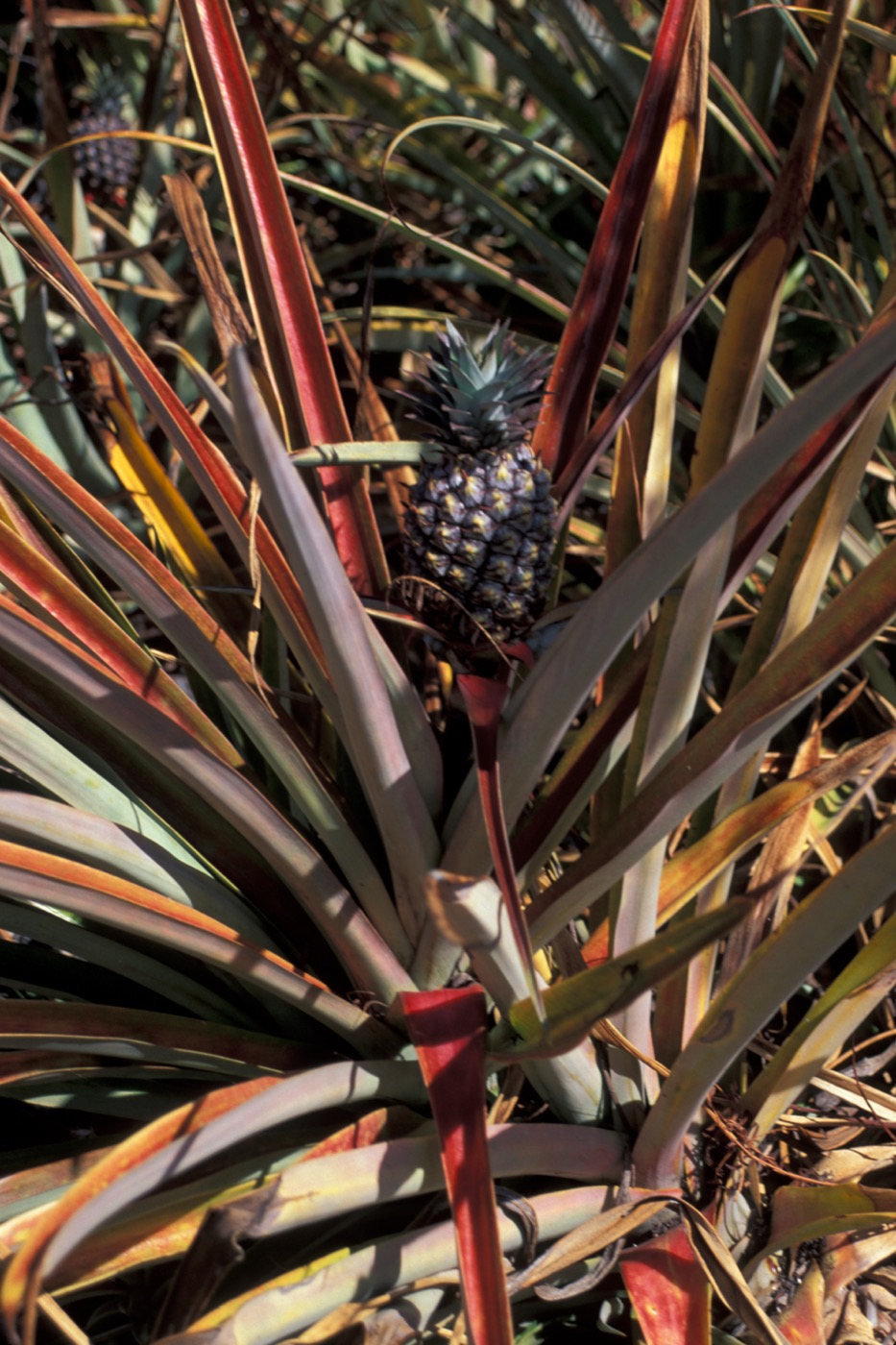
Stem bromelain powder from pineapple. A glycosylated cysteine endopeptidase standardised on gelatin digesting units and assayed lot by lot, because under-delivery against the label is documented. Vegan.
Amylase (Alpha-Amylase)
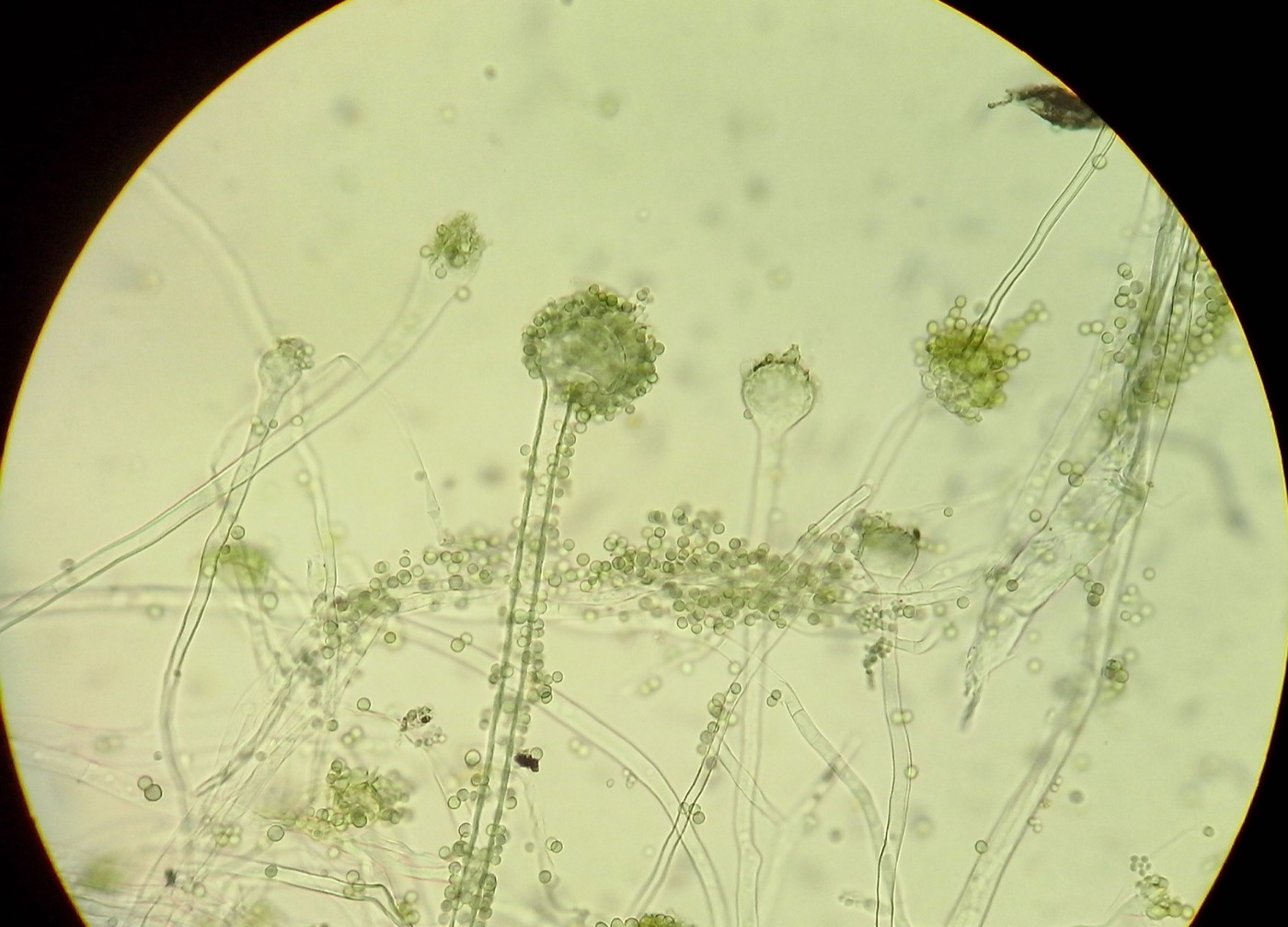
Microbial alpha-amylase powder, CAS 9000-90-2, from Aspergillus oryzae fermentation or a Bacillus route. Endo-hydrolyses starch at alpha-1,4 bonds. Vegan, with no porcine pancreatic input.