Papain
Carica papaya latex · cysteine endopeptidase EC 3.4.22.2, standardised on tyrosine units
Proteolytic enzyme powder from the latex of unripe papaya fruit. A cysteine endopeptidase complex standardised on tyrosine units, active on casein, gelatin and muscle protein. Plant-extracted and vegan.
Specifications
| Identity | Cysteine endopeptidase from papaya latex, sold as a complex of papain (EC 3.4.22.2), chymopapain (3.4.22.6), caricain (3.4.22.30) and glycyl endopeptidase (3.4.22.25) |
| CAS number | 9001-73-4 |
| EC number and specificity | EC 3.4.22.2, peptidase family C1; formerly EC 3.4.4.10. Broad-specificity protein hydrolysis, preferring a bulky hydrophobic residue at P2; will not accept Val at P1' |
| Botanical source | Latex of the unripe fruit of Carica papaya L. (Caricaceae), collected by scoring the fruit, then dried, refined and spray-dried. Plant-extracted, not fermented |
| Molecular description | Mature chain 212 amino acids (UniProt P00784, residues 134-345 of a 345-residue precursor); three disulfide bonds; catalytic cysteine-histidine dyad |
| Activity standardisation | Tyrosine units: 1 TU releases 1 microgram of L-tyrosine equivalents from casein per minute under the assay conditions. EFSA-assessed food grades averaged about 1,060 TU/mg |
| Unit systems | USP/NF papain units, FCC papain units, TU and milk-clotting units are all in use and do not interconvert. The unit and method must be named on the order and the CoA |
| Appearance and solubility | Off-white to light tan free-flowing powder with a faint characteristic odour; soluble in water to a slightly opalescent solution, insoluble in common organic solvents |
| Optimum conditions and stability | Relatively heat-resistant, with a reported optimum temperature range of 60 to 70 C. Activated by cysteine and EDTA; inhibited by E-64, cystatins, oxidisers and heavy metals |
| Typical purity limits | Lead 5 mg/kg max. under the FAO/WHO general specification for enzyme preparations; arsenic, cadmium and mercury to agreed limits; loss on drying and ash to specification |
| Microbiology | Total coliforms 30 CFU/g max.; Salmonella absent in 25 g; E. coli absent in 25 g; no antimicrobial activity, per the general criteria applied to food enzyme preparations |
| Allergen status | Papaya is not an EU Annex II or FALCPA allergen, but papain and chymopapain (Cari p 2) are papaya allergens and papain is an occupational respiratory sensitiser |
| Origin and dietary status | Plant-derived; vegan and vegetarian. No milk, egg, fish, crustacean, mollusc, soy, gluten, bovine or porcine input. Lactose-free carrier as standard. Halal and kosher on request |
| Shelf life and storage | 24 months from manufacture in sealed original packaging below 25 C, dry and out of light; cold storage at 2 to 8 C is recommended for high-activity grades. HS code 35079099 |
| HS code | 3507.90 (35079099) |
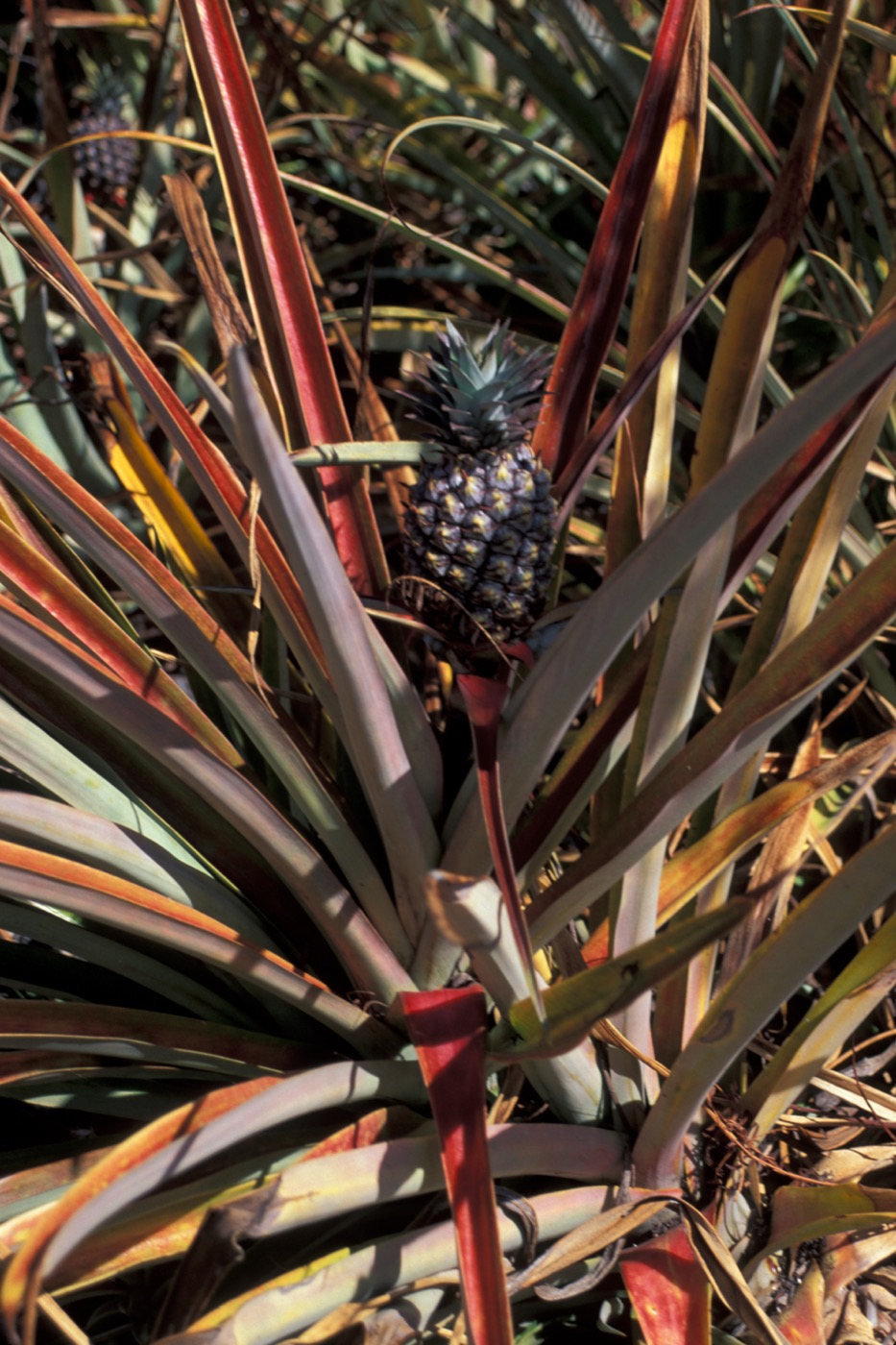
Papain is tapped, not fermented. The unripe green fruit of Carica papaya L. is scored on the tree, the latex that weeps from the cut is collected, dried and then refined and spray-dried into the powder that trades as papain, CAS 9001-73-4, EC 3.4.22.2, a cysteine endopeptidase of peptidase family C1 and formerly listed as EC 3.4.4.10. UniProt P00784 describes a 345-residue precursor whose mature chain runs from residue 134 to 345, giving a 212 amino acid enzyme held by three disulfide bonds and working through a catalytic cysteine-histidine dyad. Specificity is broad, with a preference for a bulky hydrophobic side chain at the P2 position and a refusal to accept valine at P1'. What matters commercially is that the article of trade is not a single protein: EFSA's food-enzyme assessments describe papain as a cysteine endopeptidase complex containing papain (EC 3.4.22.2), chymopapain (EC 3.4.22.6), caricain (EC 3.4.22.30) and glycyl endopeptidase (EC 3.4.22.25), sharing 62 to 81 per cent sequence identity. A buyer specifying 'papain' is buying that complex, and any allergen or purity assessment has to be built on all four.
The enzyme is sold on activity, and activity is only meaningful once the unit and the method are named. The tyrosine unit is the common basis: one TU is the amount of enzyme that releases one microgram of L-tyrosine equivalents from casein per minute under the conditions of the assay, read spectrophotometrically at 280 nm. Commercial food-grade batches assessed by EFSA against that method averaged roughly 1,060 TU/mg. USP and NF papain units, FCC papain units and milk-clotting units are also quoted in this trade and none of them convert cleanly into the others, so a contract that names one unit and a certificate that reports another cannot be reconciled without a cross-assay. Papain is relatively heat-resistant for a protease, with a reported optimum temperature range of 60 to 70 C, which is what makes it useful in meat tenderising, protein hydrolysate manufacture, beer chill-proofing and dough conditioning. The active site is a reduced thiol, so the enzyme is activated by cysteine and by chelators such as EDTA and knocked down by oxidising agents, heavy metals, E-64 and cystatin-family proteins. Purity follows the general specification applied to food enzyme preparations: lead 5 mg/kg maximum, total coliforms 30 CFU/g maximum, Salmonella and E. coli absent in 25 g, and no antimicrobial activity.
On allergens the honest answer is more complicated than 'plant-derived, therefore clean'. Papaya appears on neither the EU Regulation 1169/2011 Annex II list of fourteen nor the US FALCPA and FASTER Act list of nine, so there is no mandatory allergen declaration in most markets. But papain and chymopapain, the latter catalogued as Cari p 2, are recognised papaya food allergens, papain is a documented occupational respiratory sensitiser causing rhinitis and asthma among people who handle enzyme dust, and EFSA records cross-reactivity with bromelain, actinidins and mite allergens, which matters directly if papain and bromelain are going into the same multi-enzyme blend. Treat it as an allergenic protein dust in the plant, specify low-dust or granulated grades, and name the papaya source on the ingredient statement even where it is not compelled. The carrier is the other declaration risk: enzymes are standardised down onto a diluent, and while maltodextrin and starch are the defaults, lactose has historically been used as an enzyme diluent and would bring a milk declaration with it. Thovek ships lactose-free and gluten-free unless the buyer specifies otherwise, states the carrier on the specification and the CoA, and will not change it between lots without written agreement. Casein appears only as the laboratory assay substrate; no milk protein enters the product. The material is vegan and vegetarian with no bovine, porcine, fish, crustacean, molluscan or other marine input, and because it is extracted from the plant rather than fermented, no production micro-organism is involved at any stage.
Applications
Digestive enzyme blendsMeat tenderising systemsProtein hydrolysate manufactureBeer chill-proofingBakery dough conditioningCollagen peptide processingPet food palatantsCosmetic exfoliant formulations
Available grades
Refined spray-dried food and supplement grade supplied against a Food Chemicals Codex-style specification agreed lot by lot, and crude dried latex papain for industrial protein hydrolysis. Activity bands are agreed with the buyer and reported as measured on the CoA rather than as a nominal figure; unit basis (TU, USP, FCC or MCU) is fixed at order stage because the systems do not interconvert. Maltodextrin or starch standardised as standard, lactose-free; low-dust granulated and coated grades for open blending; cysteine-stabilised grades where hold time before use is long. Kosher and halal certification on request.
Packaging: 25 kg net HDPE-lined fibre drums or 20 to 25 kg foil-laminate sacks inside a fibre drum, both with a double food-grade PE liner. Enzyme powders are hygroscopic and the dust is an occupational sensitiser, so drums rather than open-mouth paper bags are the default and low-dust granulated grades are recommended where the receiving plant hand-charges blenders. Palletised and stretch-wrapped, with a desiccant option for humid destinations and refrigerated container shipment quoted for high-activity grades. Retained samples held against every lot; 1 kg pilot packs and 100 g samples available before commitment.