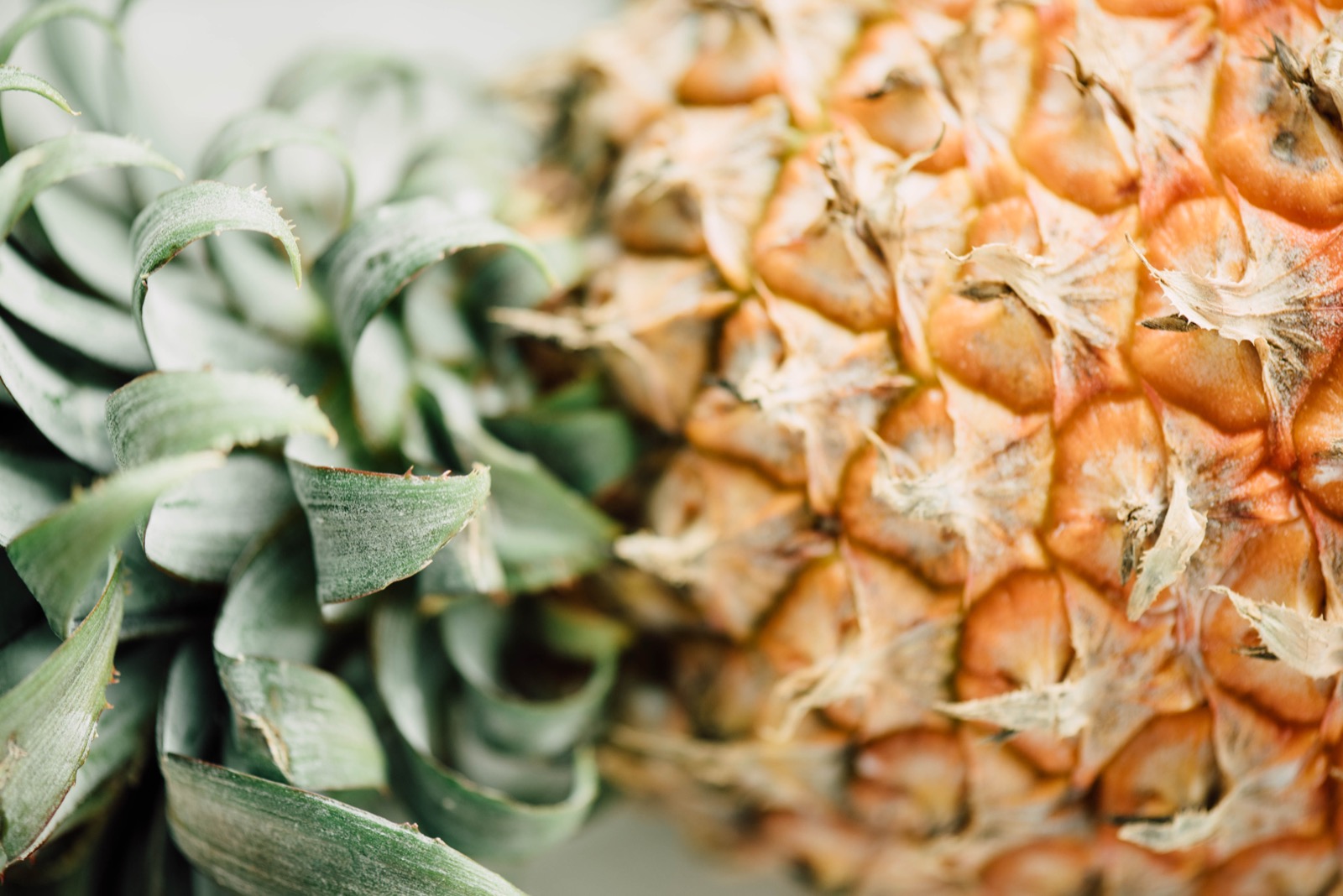
Protease
Bulk proteolytic enzyme powder (EC 3.4) that hydrolyses peptide bonds in dietary protein. Fungal, bacterial, papain and bromelain types, standardised to a declared activity per lot.
Specifications
| Enzyme class | Peptide hydrolases (peptidases), EC 3.4 — serine, cysteine, aspartic, threonine, metallo and glutamic catalytic types |
| Reaction catalysed | Hydrolysis of peptide bonds in proteins and polypeptides, releasing shorter peptides and free amino acids |
| CAS number | No single CAS — protease is an enzyme class. Component enzymes: papain 9001-73-4; stem bromelain 37189-34-7; fruit bromelain 9001-00-7; subtilisin 9014-01-1 |
| Source options | Fungal (Aspergillus oryzae, A. niger); bacterial (Bacillus subtilis, subtilisin EC 3.4.21.62); papain (Carica papaya, EC 3.4.22.2); bromelain (Ananas comosus, EC 3.4.22.32/33) |
| Appearance | Free-flowing off-white to light tan powder with a faint characteristic fermentation odour |
| Activity declaration | Stated per lot on the CoA in the FCC assay unit for the type ordered (HUT, SAPU or PC unit systems). One enzyme unit (U) = 1 micromole of substrate converted per minute |
| Active pH type | Acid, neutral and alkaline-active variants available; the pH and temperature optimum of the selected type is given on its type-specific data sheet |
| Standardisation carrier | Maltodextrin or dicalcium phosphate diluent used to bring the lot to declared activity; the carrier actually used is named on the CoA |
| Solubility | Disperses in water to a slightly hazy solution; practically insoluble in ethanol and other common organic solvents |
| Purity and microbiology | Lead and heavy metals, coliforms, E. coli, Salmonella and absence of antimicrobial activity tested to the FCC Enzyme Preparations family monograph; results reported per lot |
| Allergen status — microbial types | Fermentation media may contain wheat bran, rice bran or soy nutrients; gluten and soy status confirmed by test on each lot before release, never assumed |
| Allergen status — plant types | Papain and bromelain are free of milk, egg, soy, fish, crustacean, gluten and tree nut; papaya or pineapple origin must be declared on the buyer's label |
| Dietary and origin status | Vegan and vegetarian. No bovine, porcine, marine, egg or dairy material used in production, recovery or standardisation |
| Storage, shelf life | Shelf life and re-test date stated per lot on the CoA; store cool, dry and sealed. |
| HS code | 35079099, unit of quantity kg |
Applications
Available grades
Food grade to the FCC Enzyme Preparations family monograph, nutraceutical grade and feed grade. Fungal (Aspergillus), bacterial (Bacillus subtilisin), papain and bromelain types; acid, neutral and alkaline-active variants; activity level to buyer specification. Non-GMO, kosher, halal and vegan documentation available on request.
Related products
Papain
Proteolytic enzyme powder from the latex of unripe papaya fruit. A cysteine endopeptidase complex standardised on tyrosine units, active on casein, gelatin and muscle protein. Plant-extracted and vegan.
Bromelain
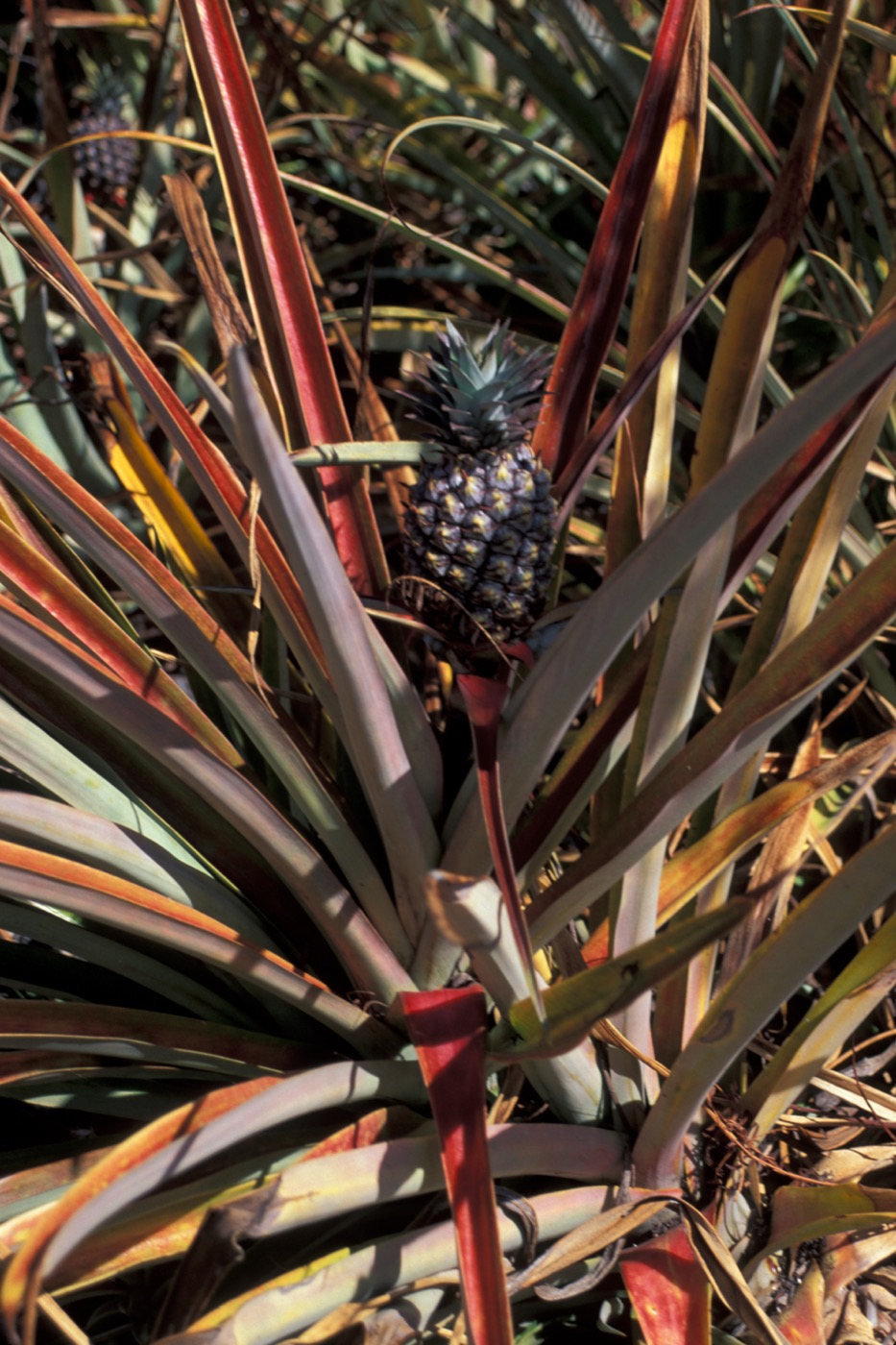
Stem bromelain powder from pineapple. A glycosylated cysteine endopeptidase standardised on gelatin digesting units and assayed lot by lot, because under-delivery against the label is documented. Vegan.
Amylase (Alpha-Amylase)
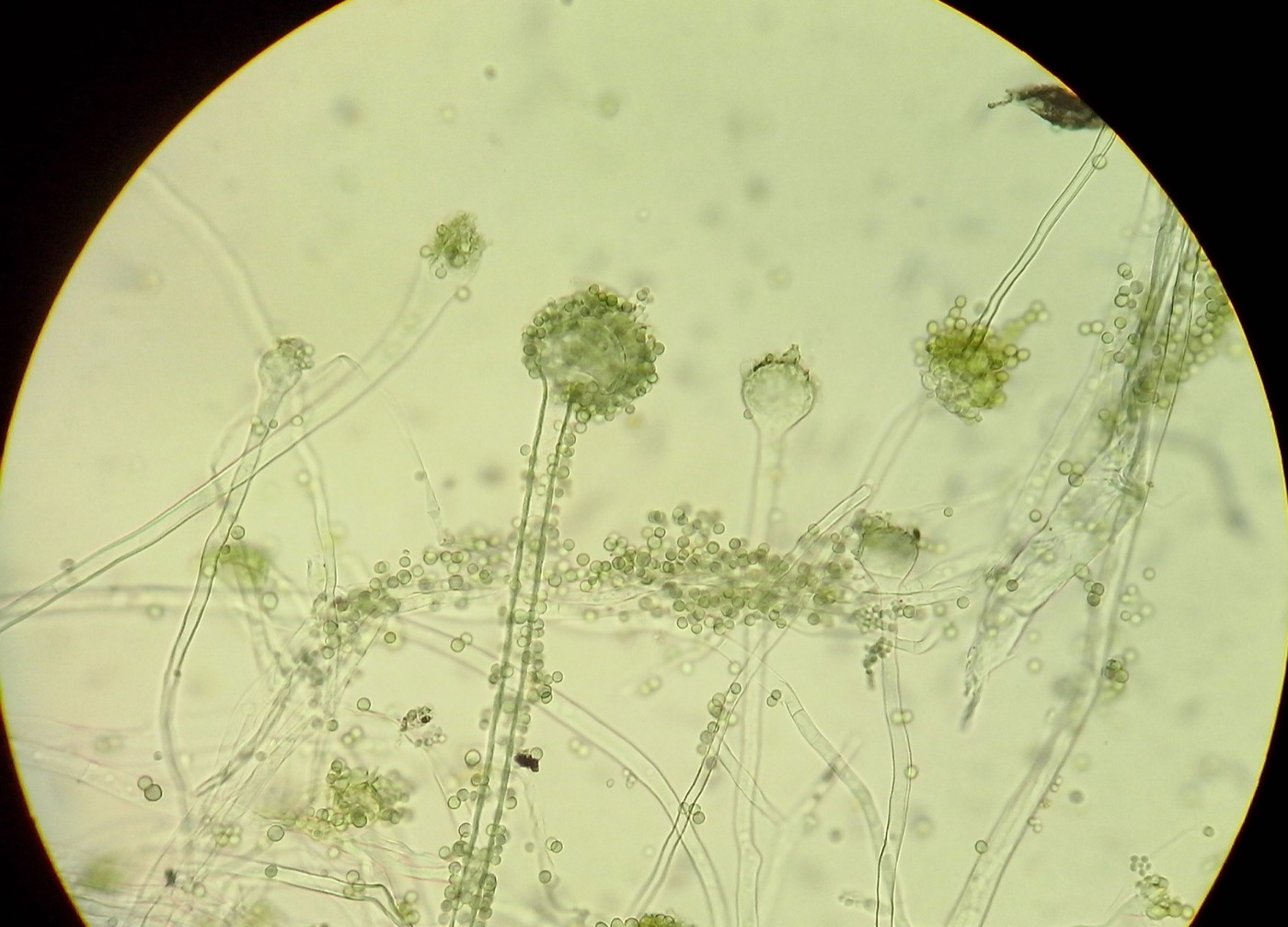
Microbial alpha-amylase powder, CAS 9000-90-2, from Aspergillus oryzae fermentation or a Bacillus route. Endo-hydrolyses starch at alpha-1,4 bonds. Vegan, with no porcine pancreatic input.