Amylase (Alpha-Amylase)
Microbial alpha-amylase EC 3.2.1.1 · standardised on dextrinizing units (DU/SKB)
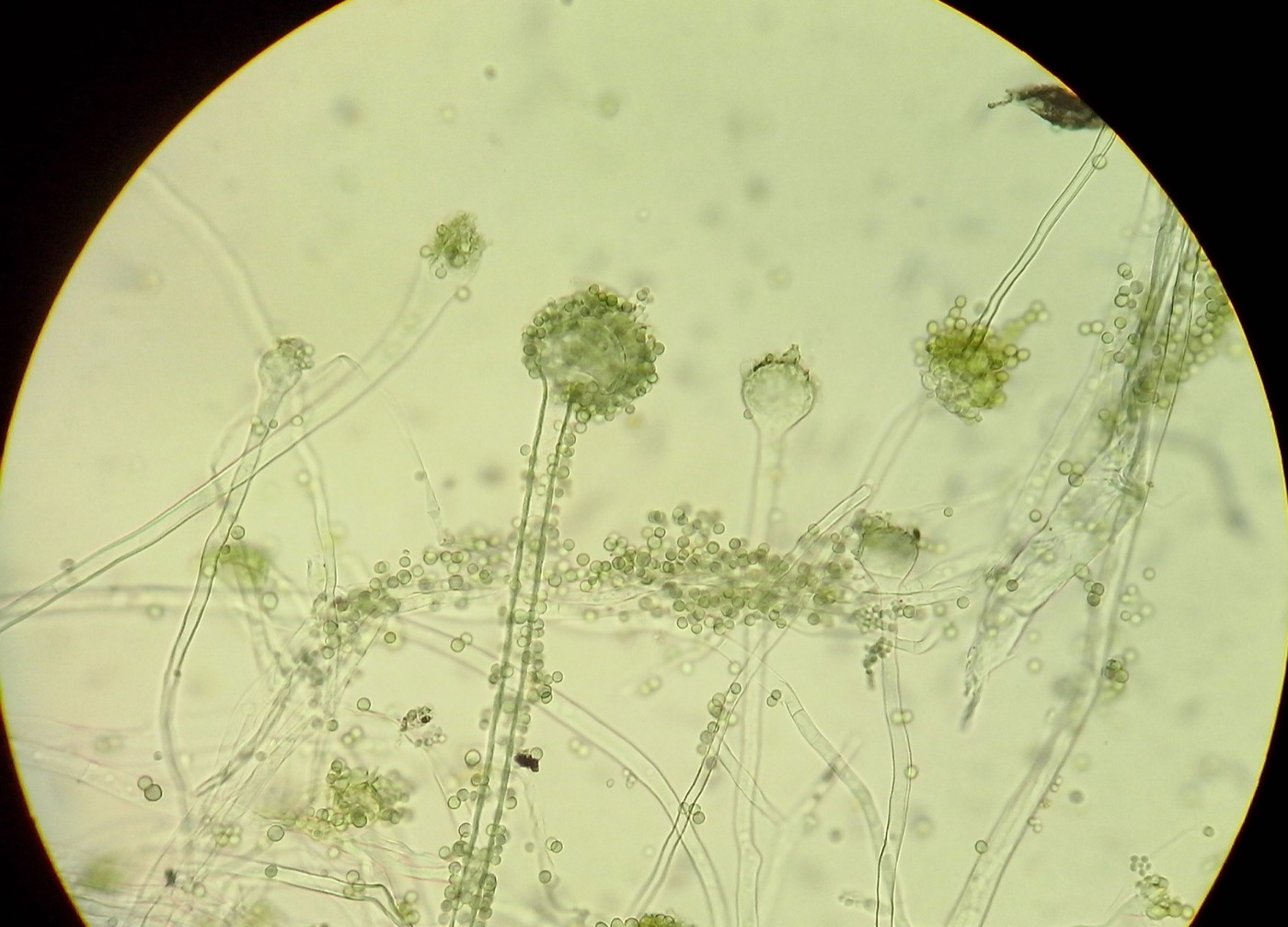
Microbial alpha-amylase powder, CAS 9000-90-2, from Aspergillus oryzae fermentation or a Bacillus route. Endo-hydrolyses starch at alpha-1,4 bonds. Vegan, with no porcine pancreatic input.
Specifications
| Identity | Alpha-amylase, systematically 4-alpha-D-glucan glucanohydrolase, also called glycogenase. An endo-acting carbohydrase, not a saccharifying glucoamylase or exo-acting beta-amylase |
| CAS number | 9000-90-2 |
| EC number and reaction | EC 3.2.1.1. Endohydrolysis of (1->4)-alpha-D-glucosidic linkages in polysaccharides containing three or more (1->4)-alpha-linked D-glucose units |
| Production source | Fungal from Aspergillus oryzae fermentation as standard; heat-stable bacterial grades from Bacillus licheniformis or Bacillus subtilis. Microbial only, never porcine pancreatin |
| Molecular description | A. oryzae enzyme: 478 amino acid mature chain from a 499-residue, 54,810 Da precursor (UniProt P0C1B3); two structural calcium ions per subunit; N-glycan at Asn218 |
| Activity standardisation | Fungal grades in dextrinizing units, DU or SKB after the Sandstedt-Kneen-Blish assay; bacterial grades in BAU. The unit and the assay must both be named on the order |
| Assay conditions vary | The EFSA-assessed dossier defined activity as starch hydrolysis at pH 3.8 and 60 C for 10 min by loss of iodine-staining capacity, with batches at 1,024 to 2,189 Units/g |
| Appearance and solubility | White to light tan or cream free-flowing powder, faint fermentation odour; soluble in water to a slightly hazy solution, insoluble in common organic solvents |
| Optimum conditions | A. oryzae alpha-amylase is reported optimal near pH 5.0 and 50 C. Strain-dependent: the EFSA-assessed enzyme peaked near pH 3.6 at 70 C. Confirm against the actual grade |
| Stability and cofactor | Calcium is structural at two ions per subunit, so chelators strip activity while high calcium is itself inhibitory. Little residual activity above 80 C after 5 min at pH 4.6 |
| Typical purity limits | Lead 5 mg/kg max. under the FAO/WHO general specification for enzyme preparations; mycotoxins below detection; arsenic, cadmium and mercury to agreed limits |
| Microbiology | Total coliforms 30 CFU/g max.; Salmonella absent in 25 g; E. coli absent in 25 g; no antimicrobial activity, per the general criteria for food enzyme preparations |
| Allergen status | Asp o 21, the A. oryzae alpha-amylase, is a catalogued allergen and baker's asthma sensitiser. Fermentation substrate and carrier are declared on every CoA |
| Origin, diet and shelf life | Fermentation-derived, vegan and vegetarian, no porcine pancreatin. Gluten-free and lactose-free as standard. 24 months sealed below 25 C, dry. HS code 35079099 |
| HS code | 3507.90 (35079099) |
Alpha-amylase, EC 3.2.1.1, CAS 9000-90-2, systematically 4-alpha-D-glucan glucanohydrolase and older literature's glycogenase, catalyses the endohydrolysis of (1->4)-alpha-D-glucosidic linkages in polysaccharides containing three or more (1->4)-alpha-linked D-glucose units. Endo is the operative word. The enzyme cuts inside the chain at random rather than nibbling from an end, so viscosity collapses long before much reducing sugar appears and the products are dextrins and maltose rather than glucose; that is what separates it from exo-acting beta-amylase and from glucoamylase, and it is why alpha-amylase is the enzyme used to thin a starch system rather than to saccharify it. The supplement and food default is the fungal enzyme from Aspergillus oryzae, historically Taka-amylase A, which UniProt P0C1B3 describes as a 499-residue precursor of 54,810 Da whose mature chain runs from residue 22 to 499, a 478 amino acid protein that binds two calcium ions per subunit for structural stability and carries an N-linked glycan at Asn218. Bacillus licheniformis and Bacillus subtilis supply the heat-stable bacterial amylases used in starch liquefaction. The commercially decisive point is that all of these are microbial. Pancreatic amylase reaches the market through pancreatin, which is porcine, and that rules it straight out of vegan, halal and kosher programmes. Thovek's amylase is fermentation-derived with no animal input at any stage.
Activity numbers for amylase mean nothing without the method attached to them. Fungal amylase is normally quoted in dextrinizing units, written DU or SKB after the Sandstedt, Kneen and Blish assay, and published supplement work describes doses such as 500 SKB alpha-amylase dextrinizing units; bacterial amylase is usually quoted in BAU. The EFSA food-enzyme dossier for a commercial alpha-amylase illustrates how far the conditions can drift: activity was defined by starch hydrolysis at pH 3.8 and 60 C over 10 minutes, measured by the rate at which iodine-staining capacity falls, expressed in Units per gram against an internal standard, with commercial batches running 1,024 to 2,189 Units/g. Behaviour is strain-specific and must be confirmed against the actual grade rather than assumed: alpha-amylase from Aspergillus oryzae is reported in the literature to work best around pH 5.0 and 50 C, while the EFSA-assessed enzyme peaked near pH 3.6 at 70 C and retained almost no activity above 80 C after five minutes at pH 4.6. Calcium is structural, two ions per subunit, so chelators strip activity while high calcium is itself inhibitory. Purity follows the general specification for food enzyme preparations: lead 5 mg/kg maximum, mycotoxins below detection, Salmonella and E. coli absent in 25 g, total coliforms 30 CFU/g maximum and no antimicrobial activity.
Origin and allergen status carry two specific risks that a generic 'plant and microbial, therefore clean' statement would miss. The first is the enzyme protein itself: Asp o 21, the alpha-amylase of Aspergillus oryzae, is a catalogued allergen and one of the classic baker's asthma sensitisers, so the powder must be handled as an allergenic protein dust, granulated or coated low-dust grades are strongly preferred where blenders are hand-charged, and the receiving plant's occupational hygiene function should be told. The second is everything the enzyme travels with. Microbial fermentations are commonly run on substrates such as wheat bran, corn steep liquor or soy meal, and the harvested enzyme is then standardised down onto a carrier that is usually maltodextrin or starch but has historically sometimes been lactose. Wheat and soy are declarable allergens in both the EU and the US and lactose brings a milk declaration, so the fermentation substrate and the carrier are label questions rather than process trivia. Thovek states both on the specification and on every certificate of analysis, ships gluten-free and lactose-free as the default, and will not change either between lots without written agreement. The material is vegan and vegetarian with no bovine, porcine, milk, egg, fish, crustacean, molluscan or other marine input, and it is explicitly not a pancreatin. Non-GMO production strains are available; where a genetically modified production strain is used it is declared as such, and Aspergillus oryzae itself carries a long documented history of use in food fermentation. Kosher and halal certification is available on request.
Applications
Digestive enzyme blendsStarch liquefactionBakery dough conditioningBrewing and distilling mashesGlucose syrup manufactureStarch hydrolysate productionInstant cereal thinningAnimal feed enzyme premixes
Available grades
Fungal alpha-amylase from Aspergillus oryzae as the food and supplement default, and heat-stable bacterial alpha-amylase from Bacillus licheniformis or Bacillus subtilis for starch liquefaction and brewing, quoted separately because the pH and temperature profiles are not interchangeable. Activity band agreed at order stage and reported as measured, in DU/SKB for fungal grades or BAU for bacterial, with the assay named. Maltodextrin or starch standardised, gluten-free and lactose-free as standard; low-dust granulated and coated grades for open blending and for acid-resistant delivery systems; non-GMO production strains and kosher and halal certification on request.
Packaging: 25 kg net HDPE-lined fibre drums or 20 to 25 kg foil-laminate sacks inside an outer fibre drum, double food-grade PE lined. Amylase powder is hygroscopic and its dust is a recognised respiratory sensitiser, so sealed drums rather than open-mouth paper sacks are standard and granulated or coated low-dust grades are recommended wherever blenders are hand-charged. Desiccant fitted for humid destinations; refrigerated container shipment quoted on request for high-activity grades. Palletised and stretch-wrapped, retained samples held against every lot, with 1 kg pilot packs and 100 g samples available before commitment.