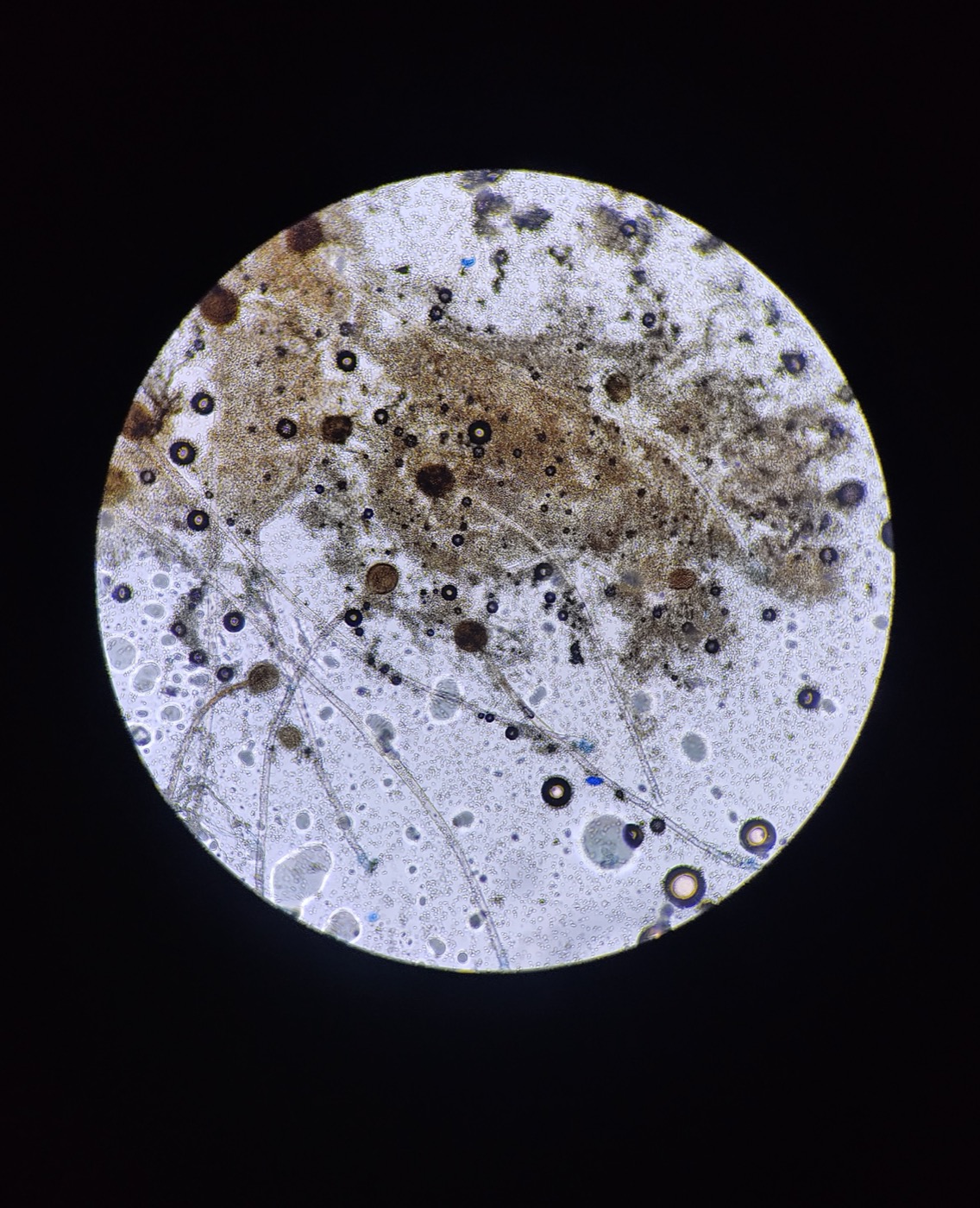
Lipase
Bulk microbial lipase powder (EC 3.1.1.3, CAS 9001-62-1) that hydrolyses dietary triglycerides to fatty acids and glycerol. Non-porcine, vegan-suitable, standardised activity per lot.
Specifications
| Enzyme | Triacylglycerol lipase; also known as lipase, triglyceride lipase and tributyrase |
| EC number | 3.1.1.3 (carboxylic ester hydrolases, EC 3.1.1) |
| CAS number | 9001-62-1 |
| Reaction catalysed | A triacylglycerol + H2O = a diacylglycerol + a fatty acid + H+; hydrolysis continues to monoacylglycerol and then to glycerol plus free fatty acids |
| Source | Microbial fermentation — Rhizopus oryzae, Aspergillus niger or A. oryzae, or Candida rugosa. The production strain is named on the lot documentation |
| Origin declaration | Not porcine and not bovine. Contains no pancreatin and no animal pancreas material. Vegan and vegetarian suitable; halal and kosher certification on request |
| Appearance | Free-flowing off-white to pale cream powder with a faint fermentation odour |
| Activity declaration | Stated per lot on the CoA in FCC lipase units or FIP units; one enzyme unit (U) = 1 micromole of substrate converted per minute. Target activity agreed at order |
| Standardisation carrier | Maltodextrin or dicalcium phosphate diluent used to bring the lot to declared activity; the carrier actually used is named on the CoA |
| Solubility | Disperses in water to a slightly opalescent solution; practically insoluble in ethanol and other common organic solvents |
| Purity and microbiology | Lead and heavy metals, coliforms, E. coli, Salmonella and absence of antimicrobial activity tested to the FCC Enzyme Preparations family monograph; reported per lot |
| Allergen status | Free from milk, egg, fish, crustacean, tree nut and peanut. Soy and wheat status depends on the fermentation medium and is confirmed by test on each lot |
| Storage and shelf life | Shelf life and re-test date stated per lot on the CoA; store cool, dry and sealed, protected from moisture, heat and direct sunlight |
| HS code (India ITC-HS) | 35079099 — enzymes; prepared enzymes not elsewhere specified or included, other. Unit of quantity kg; import policy Free |
Applications
Available grades
Food and nutraceutical grade to the FCC Enzyme Preparations family monograph; feed grade on request. Microbial origin only (Rhizopus, Aspergillus or Candida) — no porcine pancreatin is offered. Activity level and pH profile to buyer specification. Non-GMO, kosher, halal and vegan documentation available on request.
Related products
Papain
Proteolytic enzyme powder from the latex of unripe papaya fruit. A cysteine endopeptidase complex standardised on tyrosine units, active on casein, gelatin and muscle protein. Plant-extracted and vegan.
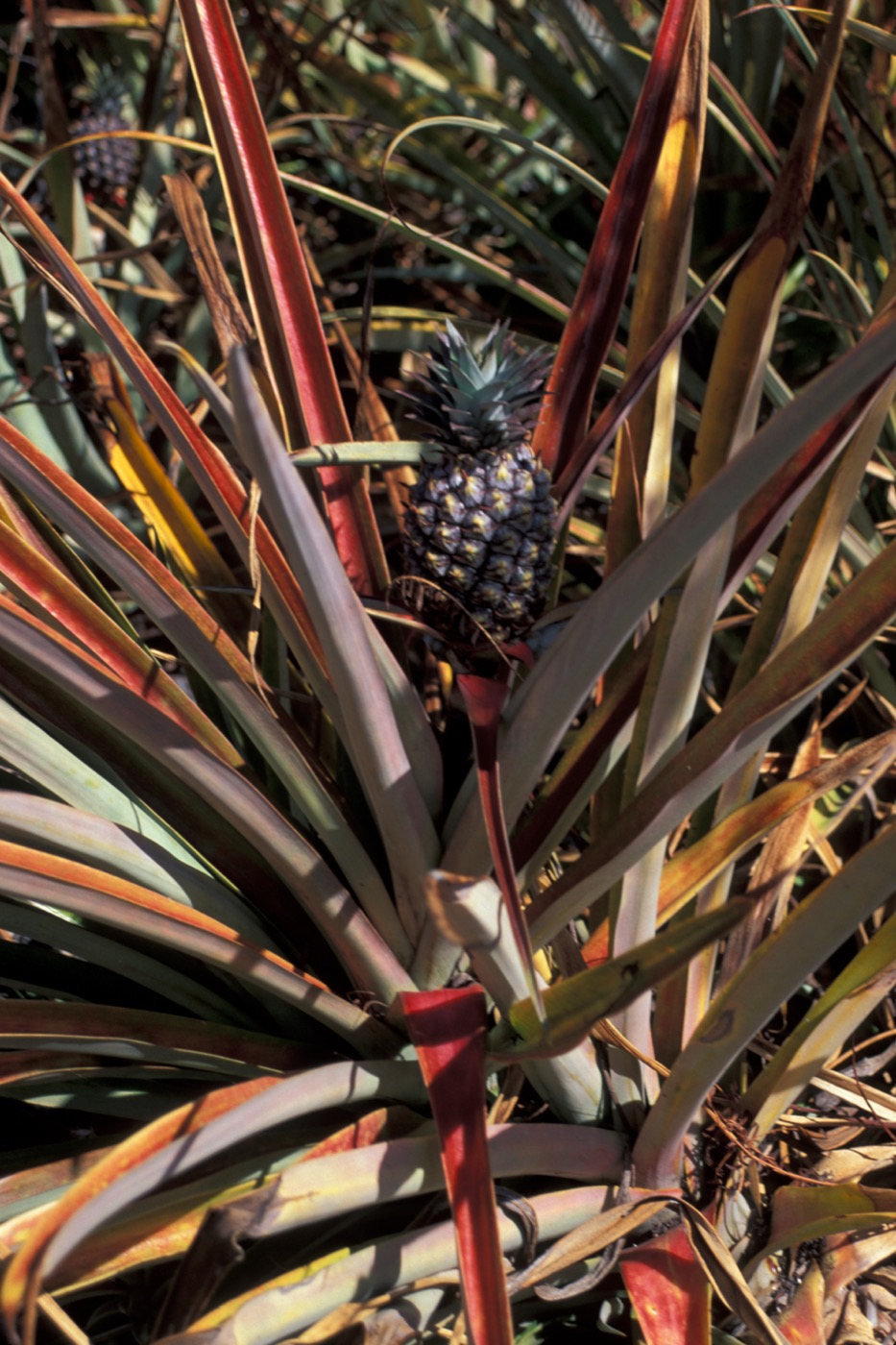
Bromelain
Stem bromelain powder from pineapple. A glycosylated cysteine endopeptidase standardised on gelatin digesting units and assayed lot by lot, because under-delivery against the label is documented. Vegan.
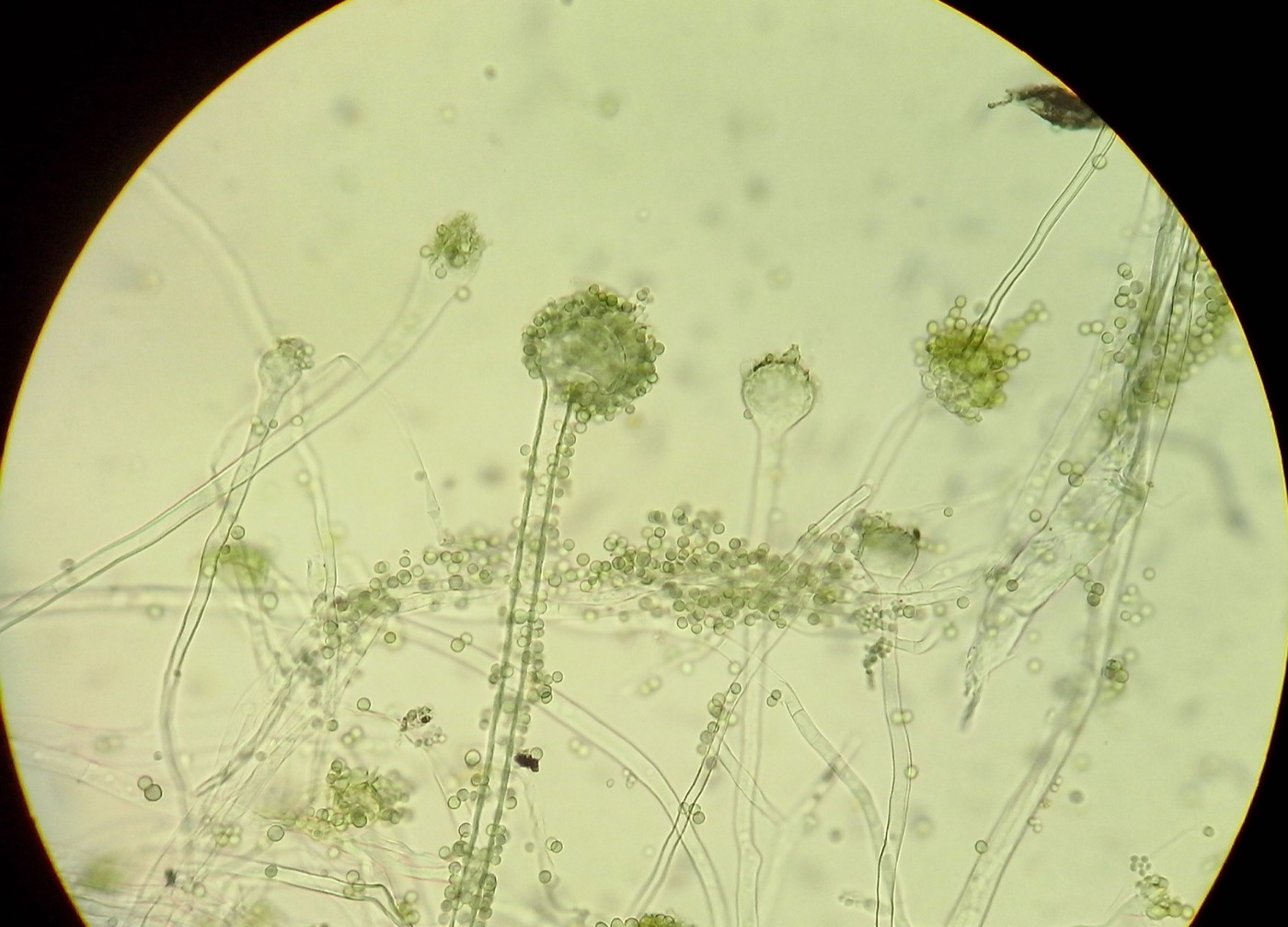
Amylase (Alpha-Amylase)
Microbial alpha-amylase powder, CAS 9000-90-2, from Aspergillus oryzae fermentation or a Bacillus route. Endo-hydrolyses starch at alpha-1,4 bonds. Vegan, with no porcine pancreatic input.