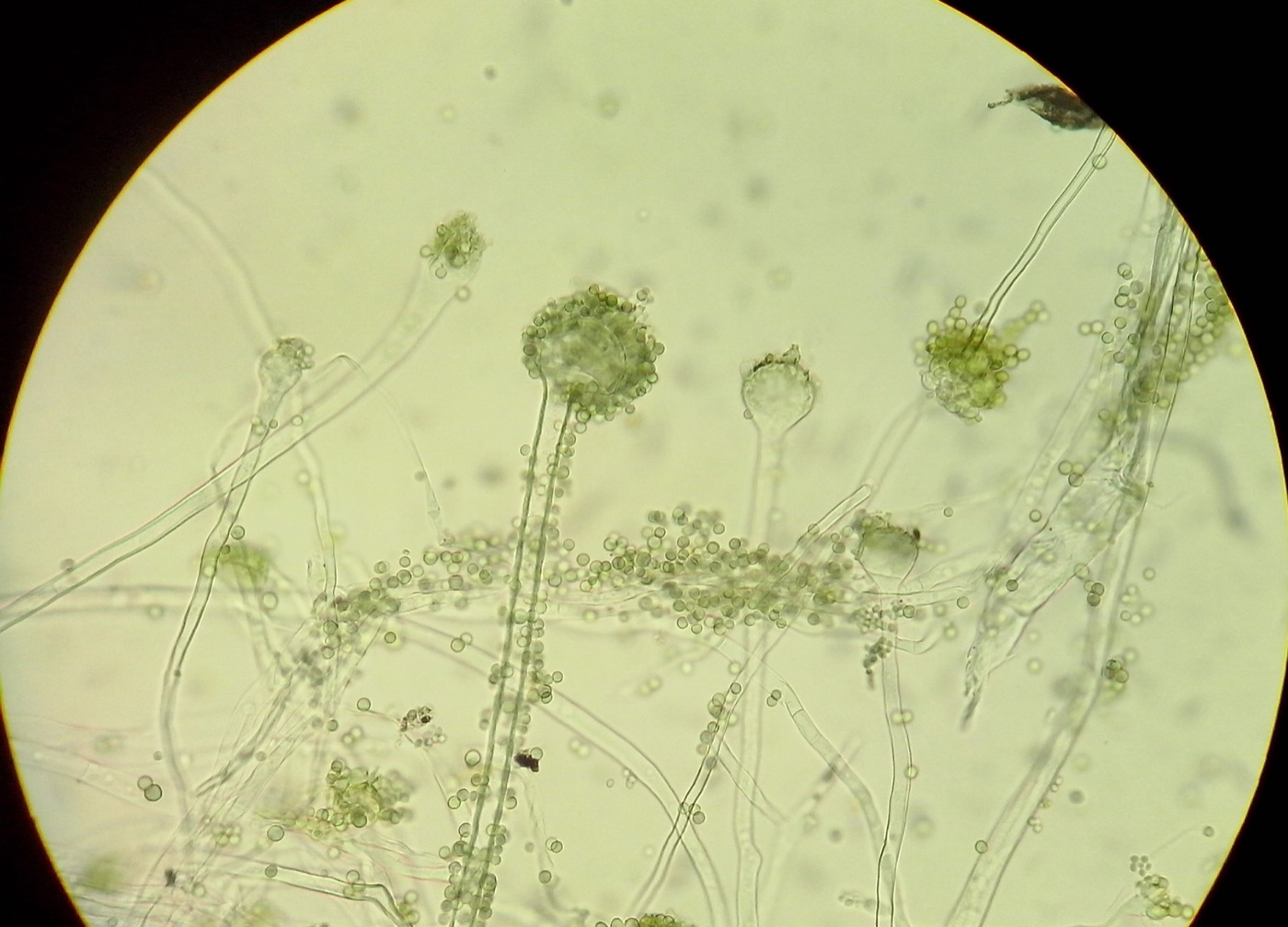
Lactase
Bulk lactase (beta-galactosidase, EC 3.2.1.23, CAS 9031-11-2) that hydrolyses lactose to glucose and galactose. Supplied as standardised powder or as uncoated compressed tablets.
Specifications
| Enzyme | Beta-galactosidase (lactase); systematic name beta-D-galactoside galactohydrolase |
| EC number | 3.2.1.23 for the microbial food enzyme. The human intestinal lactase-phlorizin hydrolase is separately numbered EC 3.2.1.108 and EC 3.2.1.62 |
| CAS number | 9031-11-2 |
| Reaction catalysed | Hydrolysis of terminal non-reducing beta-D-galactose residues in beta-D-galactosides; lactose + H2O gives D-glucose + D-galactose |
| Source options | Acid lactase from Aspergillus oryzae or A. niger; neutral lactase from Kluyveromyces lactis or K. fragilis. Source is fixed at order and named on the CoA |
| Allergen status (critical) | Kluyveromyces lactase is propagated on lactose or whey media and must be declared as containing MILK. Aspergillus acid lactase is made without dairy substrate |
| Other allergens | Free from egg, fish, crustacean, tree nut and peanut. Soy and wheat status depends on the fermentation medium and is confirmed by test on each lot |
| Dietary status | Aspergillus-derived acid lactase is vegan and vegetarian suitable. Yeast-derived neutral lactase is vegetarian but not vegan owing to its dairy substrate |
| Appearance | Powder: free-flowing off-white to light tan. Tablet: uncoated compressed tablet, off-white, plain or scored, to agreed weight and dimensions |
| Activity declaration | Stated per lot on the CoA in FCC acid lactase units (ALU) for fungal grades or neutral lactase units for yeast grades; one enzyme unit (U) = 1 micromole per minute |
| Solubility | Powder disperses readily in water and in milk; practically insoluble in ethanol. Tablets disintegrate in aqueous media |
| Tablet excipients | Microcrystalline cellulose, croscarmellose sodium and vegetable-source magnesium stearate; stearate origin stated in writing so vegan claims can be substantiated |
| Purity and microbiology | Lead and heavy metals, coliforms, E. coli, Salmonella and absence of antimicrobial activity tested to the FCC Enzyme Preparations family monograph; reported per lot |
| Storage, shelf life | Shelf life and re-test date per lot on the CoA; store cool, dry and sealed. Bulk powder |
| HS code | 35079099 |
Applications
Available grades
Food and nutraceutical grade to the FCC Enzyme Preparations family monograph. Acid lactase (Aspergillus, low-pH active, vegan-suitable) and neutral lactase (Kluyveromyces, dairy-substrate, milk allergen declared) grades; powder for blending or uncoated compressed tablets to agreed weight and activity. Non-GMO, kosher and halal documentation available on request.
Related products
Papain
Proteolytic enzyme powder from the latex of unripe papaya fruit. A cysteine endopeptidase complex standardised on tyrosine units, active on casein, gelatin and muscle protein. Plant-extracted and vegan.
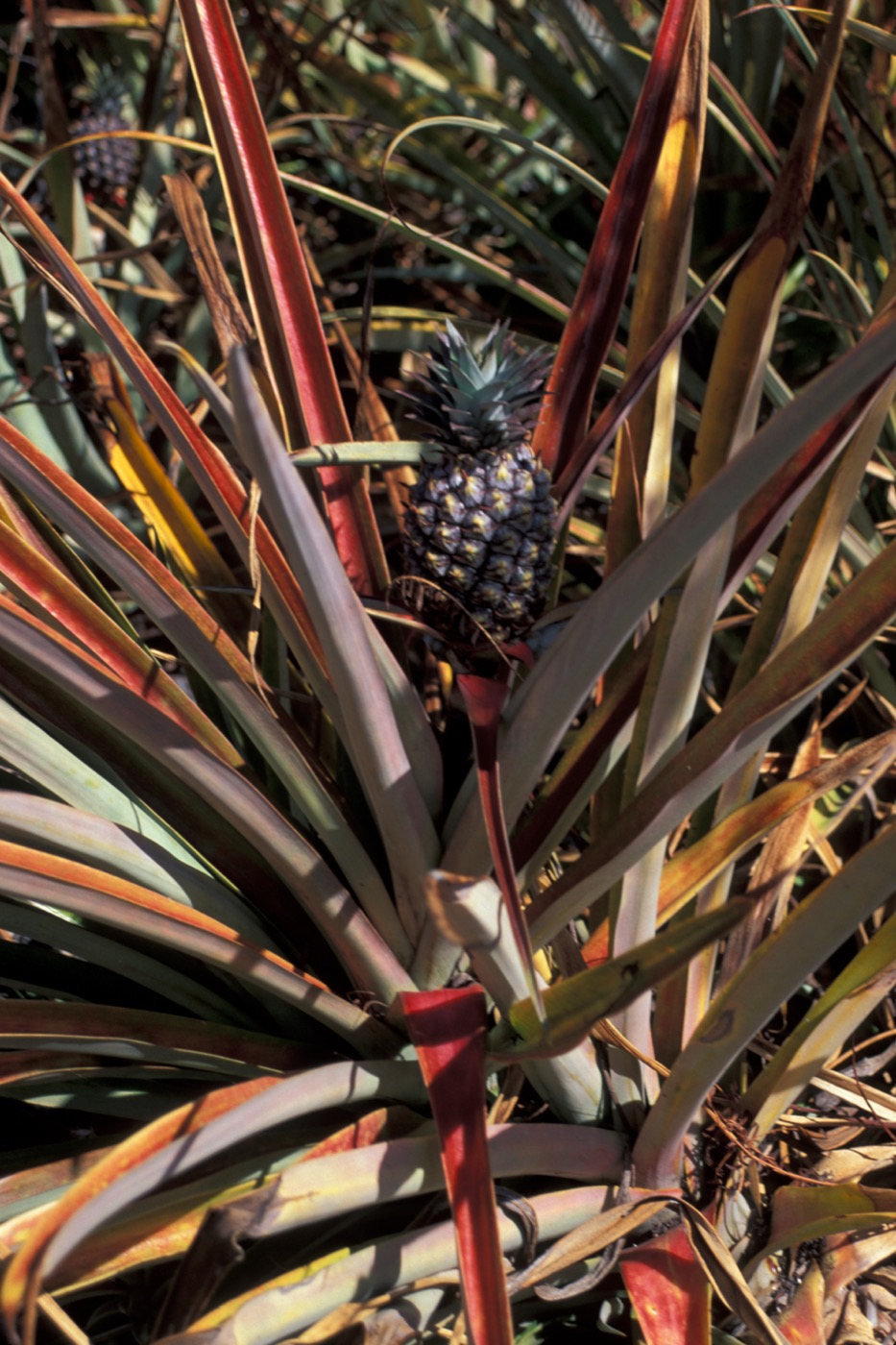
Bromelain
Stem bromelain powder from pineapple. A glycosylated cysteine endopeptidase standardised on gelatin digesting units and assayed lot by lot, because under-delivery against the label is documented. Vegan.
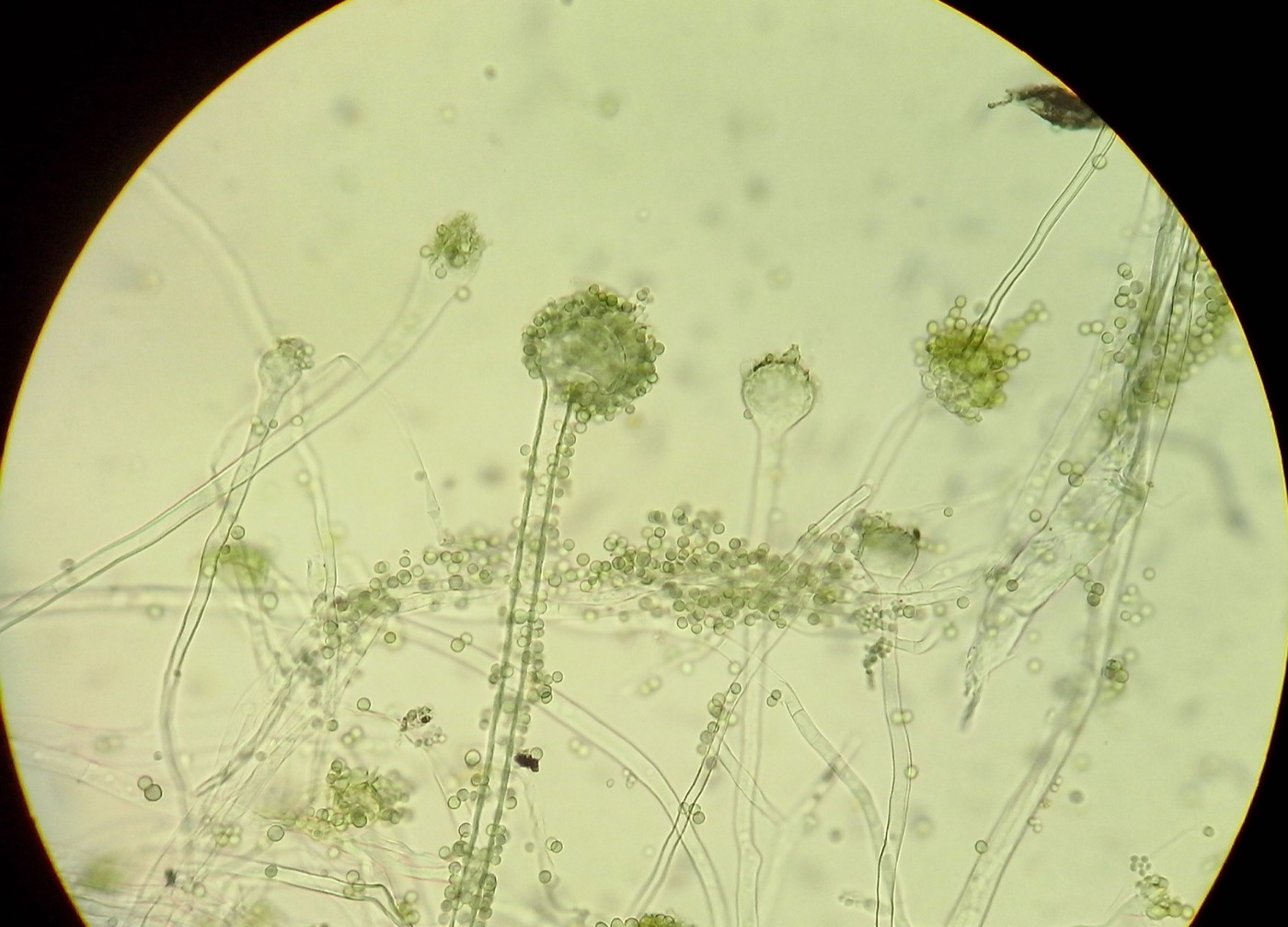
Amylase (Alpha-Amylase)
Microbial alpha-amylase powder, CAS 9000-90-2, from Aspergillus oryzae fermentation or a Bacillus route. Endo-hydrolyses starch at alpha-1,4 bonds. Vegan, with no porcine pancreatic input.