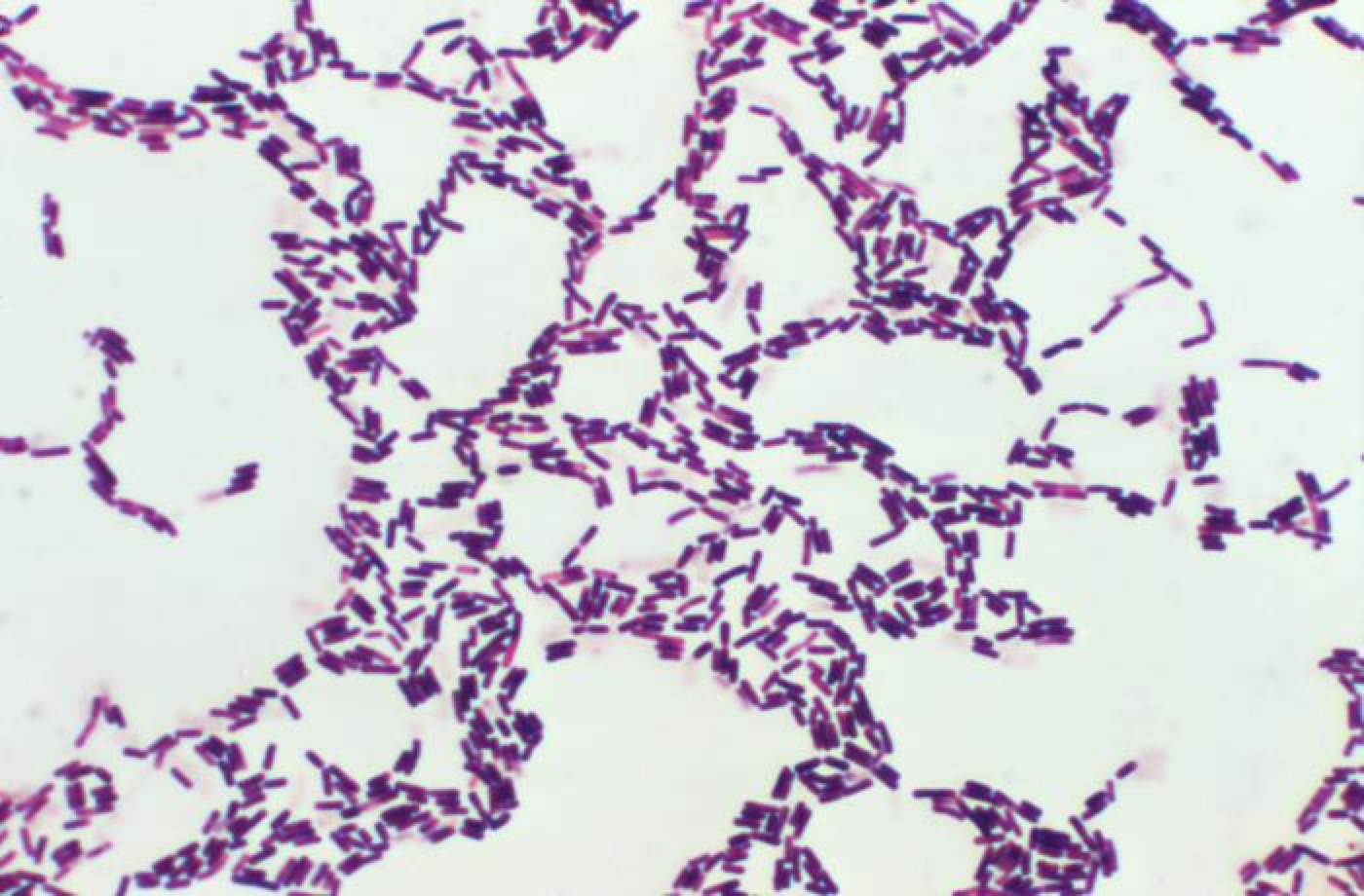
Digestive enzyme and probiotic blend
Broad-spectrum fungal and plant enzyme complex with spore-forming Bacillus coagulans, 1–5 billion CFU per capsule. Vegan, dairy-free, gluten-free. Activities declared in DU, HUT, FIP, ALU, CU and GDU.
Specifications
| Product type | Multi-enzyme complex plus spore-forming probiotic, filled into capsules; also supplied as a bulk premix powder. Indicative fill 500 mg, size 0 or size 1. |
| Enzyme sources | Aspergillus oryzae and A. niger (amylase, proteases, lactase, alpha-galactosidase), Rhizopus oryzae (lipase), Trichoderma (cellulase); plus pineapple and papaya proteases. |
| Indicative activities per capsule | Amylase 5,000 DU; protease 20,000 HUT; lipase 500 FIP; lactase 500 ALU; cellulase 200 CU; alpha-galactosidase 100 GalU; bromelain 60 GDU; papain 50 mg at NLT 6,000 USP units/mg. |
| Probiotic organism | Bacillus coagulans (syn. Weizmannia coagulans 2020, Heyndrickxia coagulans 2023) — Gram-positive, spore-forming, lactic-acid-producing. EFSA QPS listed; FSSAI permitted. |
| Probiotic loading | 1, 2 or 5 billion CFU per capsule at manufacture with declared overage to hold label claim to end of shelf life. FSSAI requires NLT 10^8 CFU in the recommended daily serving. |
| Appearance | Off-white to light tan free-flowing granulated powder, faint fermentation odour. Dust-suppressed granulation for high-speed encapsulation and sachet filling. |
| Moisture control | Water activity NMT 0.30 and loss on drying NMT 6.0% in the finished capsule — both enzyme activity and spore viability fall away rapidly above this. |
| Carriers and shell | Microcrystalline cellulose, non-GMO maize maltodextrin and silicon dioxide as carriers. HPMC shell as standard for a vegan claim; bovine gelatin shell on request. |
| Allergen status | No milk, egg, soy, wheat/gluten, fish, crustacean, peanut or tree nut. Lactase is fungal, not dairy-derived. Bromelain (pineapple) and papain (papaya) declared by source. |
| Diet and origin | Vegan and vegetarian in the HPMC shell; non-GMO; probiotic propagated on a non-dairy medium. Halal and kosher certification available for the standard vegan build. |
| Handling and safety | Enzyme dusts — proteases, papain, bromelain, fungal amylase — are recognised respiratory sensitisers. Dispense under local exhaust ventilation with respiratory protection. |
| Purity and microbiology | Pb NMT 0.5, As NMT 0.5, Cd NMT 0.3, Hg NMT 0.1 ppm. Salmonella absent/25 g, E. coli absent/g, yeast and mould NMT 100 cfu/g; TPC excludes the declared probiotic count. |
| Stability and shelf life | 24 months from manufacture in unopened original packing at NMT 25 °C and NMT 60% RH. Avoid moisture pick-up; do not expose the premix to processing above 60 °C. |
| HS code | India ITC-HS 21069099 for the finished capsule supplement. Bulk enzyme-only premix 35079099; Bacillus coagulans culture on its own 30024900. See classification note. |
Applications
Available grades
Enzyme-only complex without probiotic; enzyme complex with Bacillus coagulans at 1, 2 or 5 billion CFU per capsule; high-lipase build for fat-forward meals; high-protease build for protein powders; lactase-forward build; vegan HPMC or bovine gelatin shell; dust-suppressed granulated premix for sachets and stickpacks; customer-nominated probiotic strain and custom activity matrix to order.
Related products
Papain
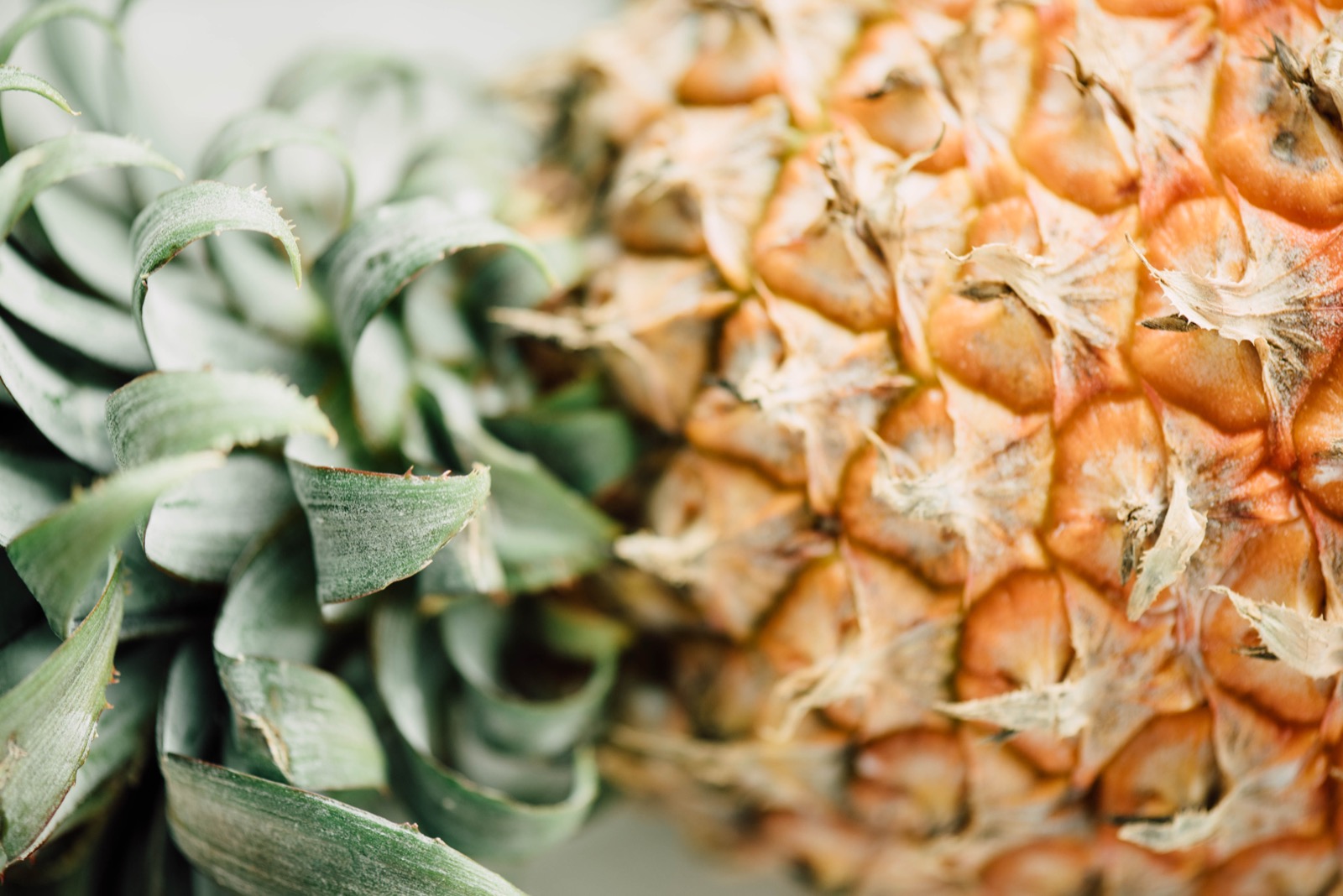
Proteolytic enzyme powder from the latex of unripe papaya fruit. A cysteine endopeptidase complex standardised on tyrosine units, active on casein, gelatin and muscle protein. Plant-extracted and vegan.
Bromelain
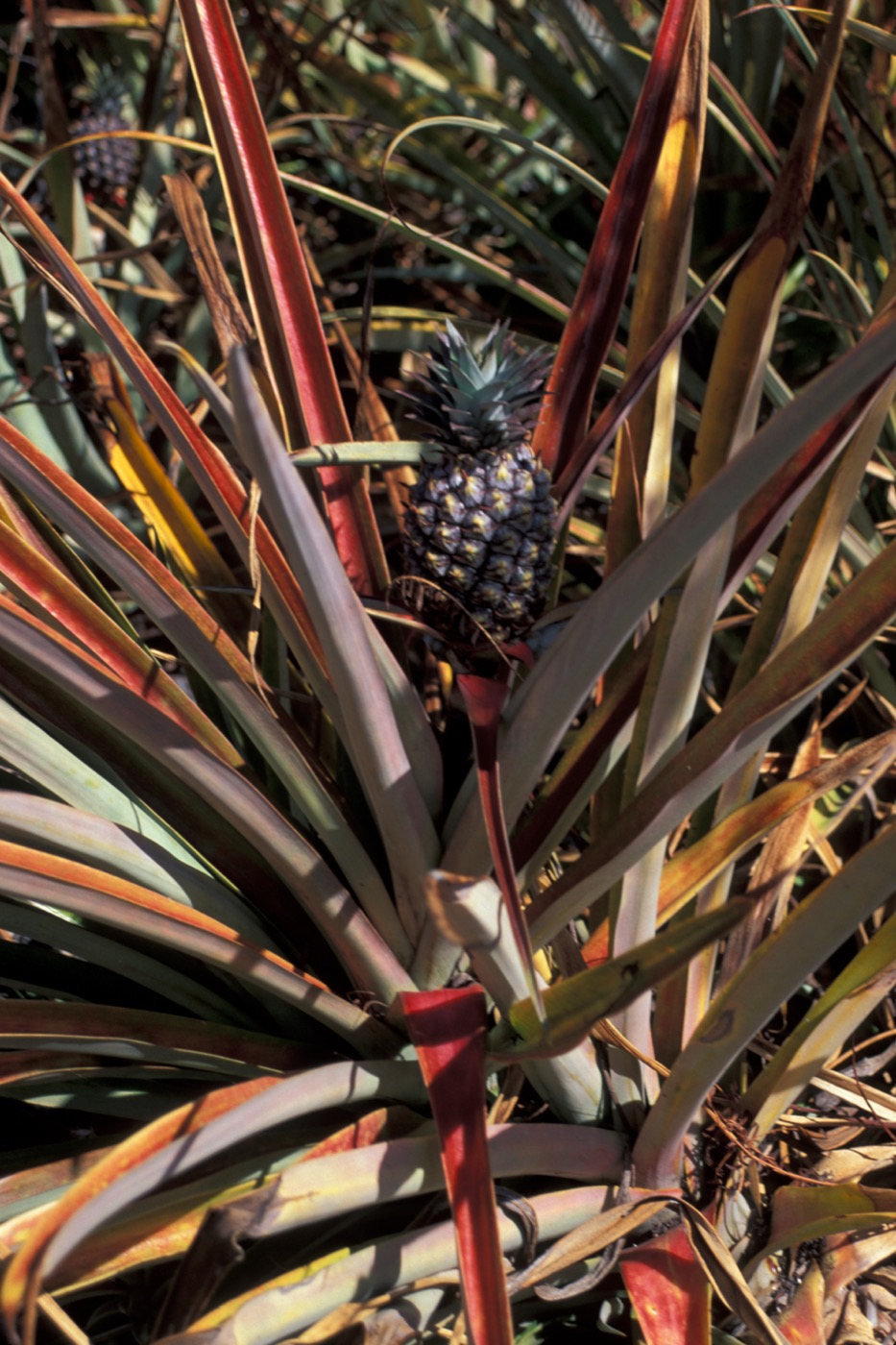
Stem bromelain powder from pineapple. A glycosylated cysteine endopeptidase standardised on gelatin digesting units and assayed lot by lot, because under-delivery against the label is documented. Vegan.
Amylase (Alpha-Amylase)
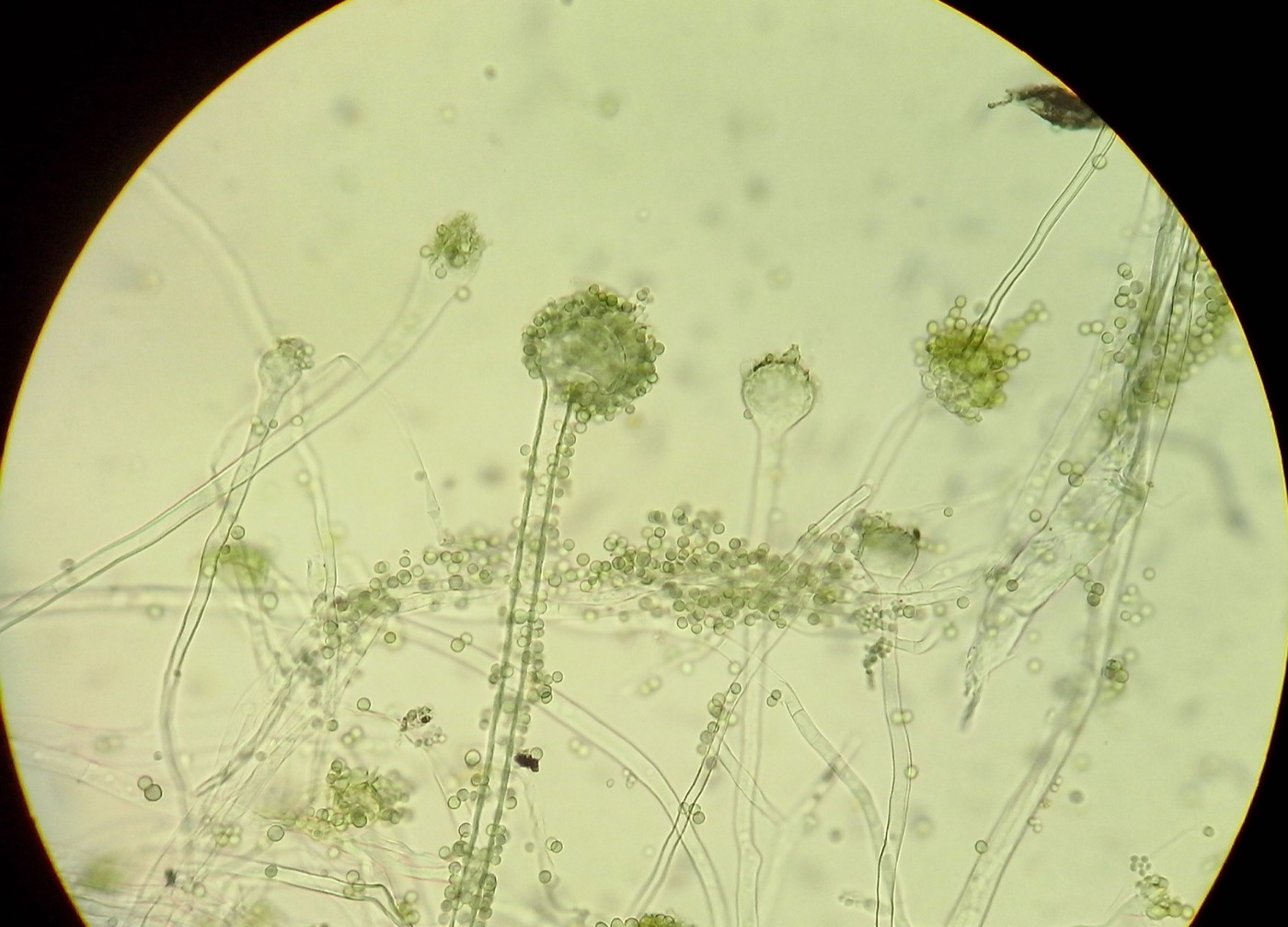
Microbial alpha-amylase powder, CAS 9000-90-2, from Aspergillus oryzae fermentation or a Bacillus route. Endo-hydrolyses starch at alpha-1,4 bonds. Vegan, with no porcine pancreatic input.