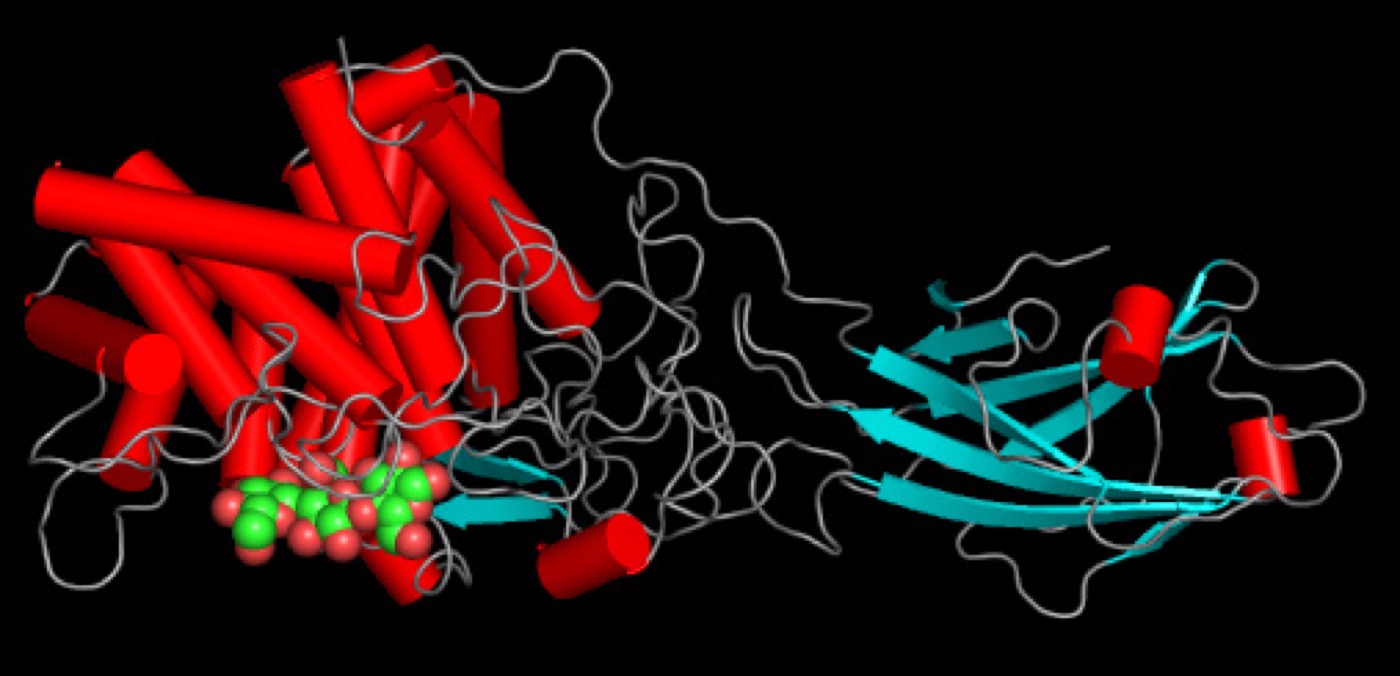
Cellulase
Bulk food-grade cellulase powder, EC 3.2.1.4 / CAS 9012-54-8, from Trichoderma reesei or Aspergillus niger fermentation. Vegan, animal-free, activity declared on every lot.
Specifications
| Enzyme and EC number | Cellulase (endo-1,4-β-D-glucanase), EC 3.2.1.4; also known as endoglucanase, carboxymethyl cellulase, β-1,4-glucanase, avicelase |
| CAS number | 9012-54-8 |
| Reaction catalysed | Endohydrolysis of (1→4)-β-D-glucosidic linkages in cellulose, lichenin and cereal β-D-glucans (IUBMB EC 3.2.1.4) |
| Cellulase complex | Trade preparations act in sequence: endoglucanase EC 3.2.1.4, cellobiohydrolase EC 3.2.1.91, β-glucosidase EC 3.2.1.21 |
| Source organism | Submerged fermentation of Trichoderma reesei (T. longibrachiatum) or Aspergillus niger; production organism removed in downstream processing |
| Appearance | Free-flowing off-white to light tan powder with a faint characteristic fermentation odour |
| Activity declaration | Declared in cellulase units per gram on each lot CoA; state the unit system and assay you work to (viscometric CMC or reducing-sugar) at enquiry stage |
| Standardisation | Concentrate blended to the ordered activity on maltodextrin, dextrose or starch; carrier identity and load stated on the CoA and technical data sheet |
| Solubility | Disperses and dissolves in water; practically insoluble in ethanol, chloroform and ether |
| Allergen status | No milk, egg, fish, crustacean, soy, peanut, tree nut or sesame added. Fermentation media can include wheat or soy derivatives — lot allergen statement issued. |
| Origin and diet | Microbial fermentation origin — no bovine, porcine, marine or other animal material. Vegan and vegetarian. Halal and Kosher certification on request. |
| Purity and safety | Tested to general food-enzyme preparation requirements: heavy metals, absence of the production organism, coliforms, E. coli, Salmonella, no antimicrobial activity |
| Shelf life and storage | Grade-specific, typically 12–24 months in unopened original packing; store below 25 °C, dry and out of direct light — heat and humidity cost activity |
| HS code | 35079099 |
Applications
Available grades
Food grade for supplements and food processing, feed grade, and technical grade for textile and biomass work. Activity built to the buyer's declared unit target; low-dust and agglomerated versions available for high-speed encapsulation lines.
Related products
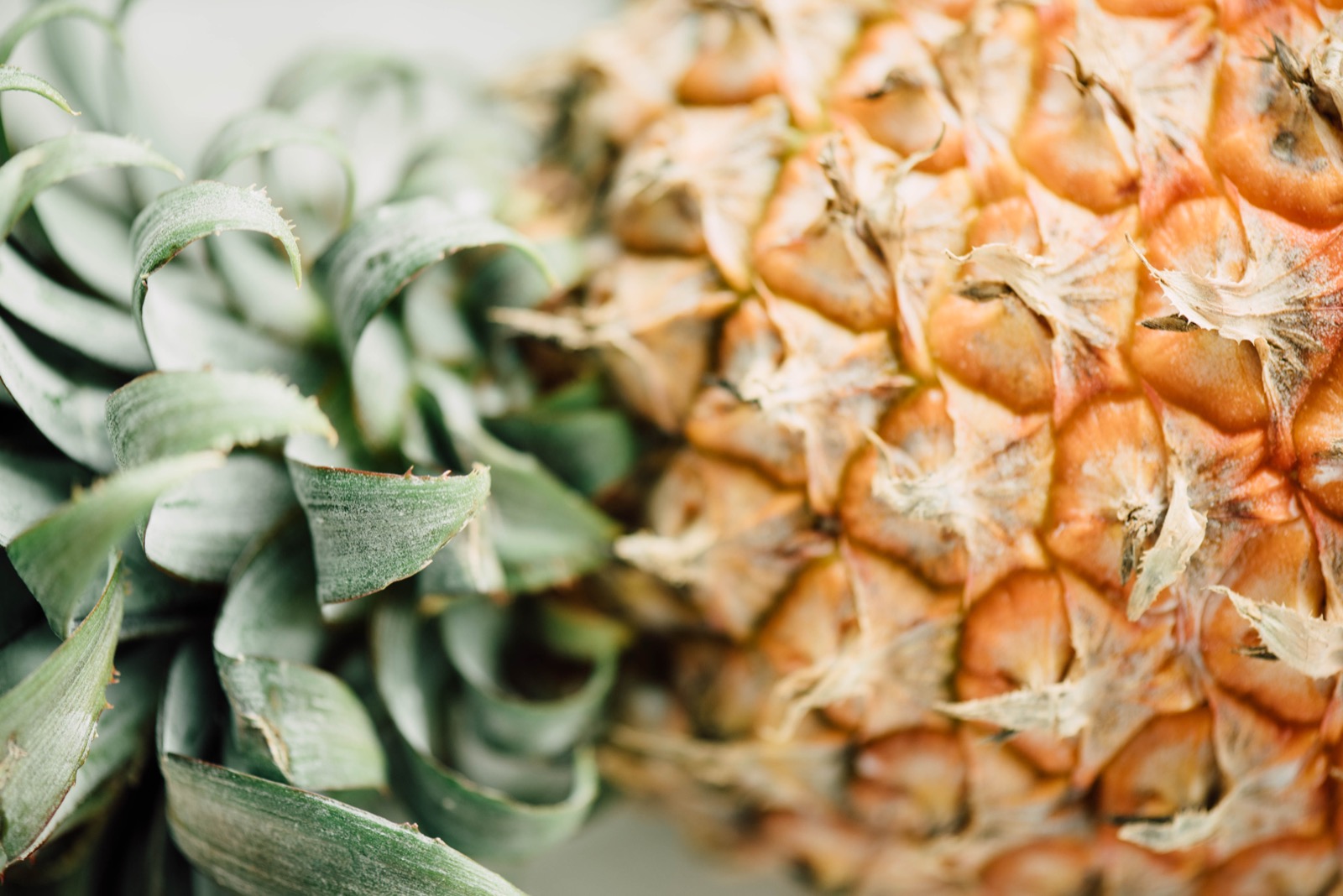
Papain
Proteolytic enzyme powder from the latex of unripe papaya fruit. A cysteine endopeptidase complex standardised on tyrosine units, active on casein, gelatin and muscle protein. Plant-extracted and vegan.
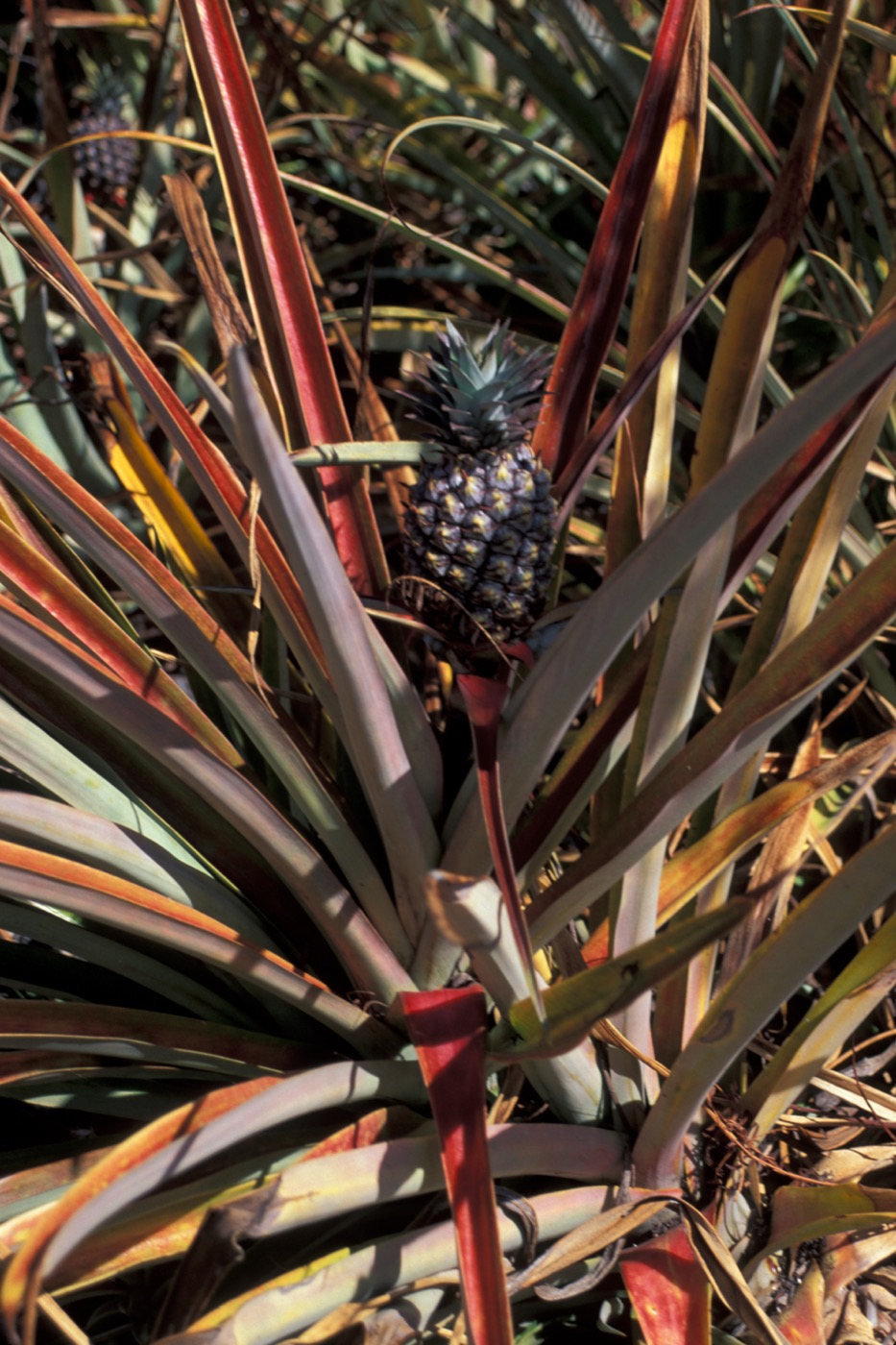
Bromelain
Stem bromelain powder from pineapple. A glycosylated cysteine endopeptidase standardised on gelatin digesting units and assayed lot by lot, because under-delivery against the label is documented. Vegan.
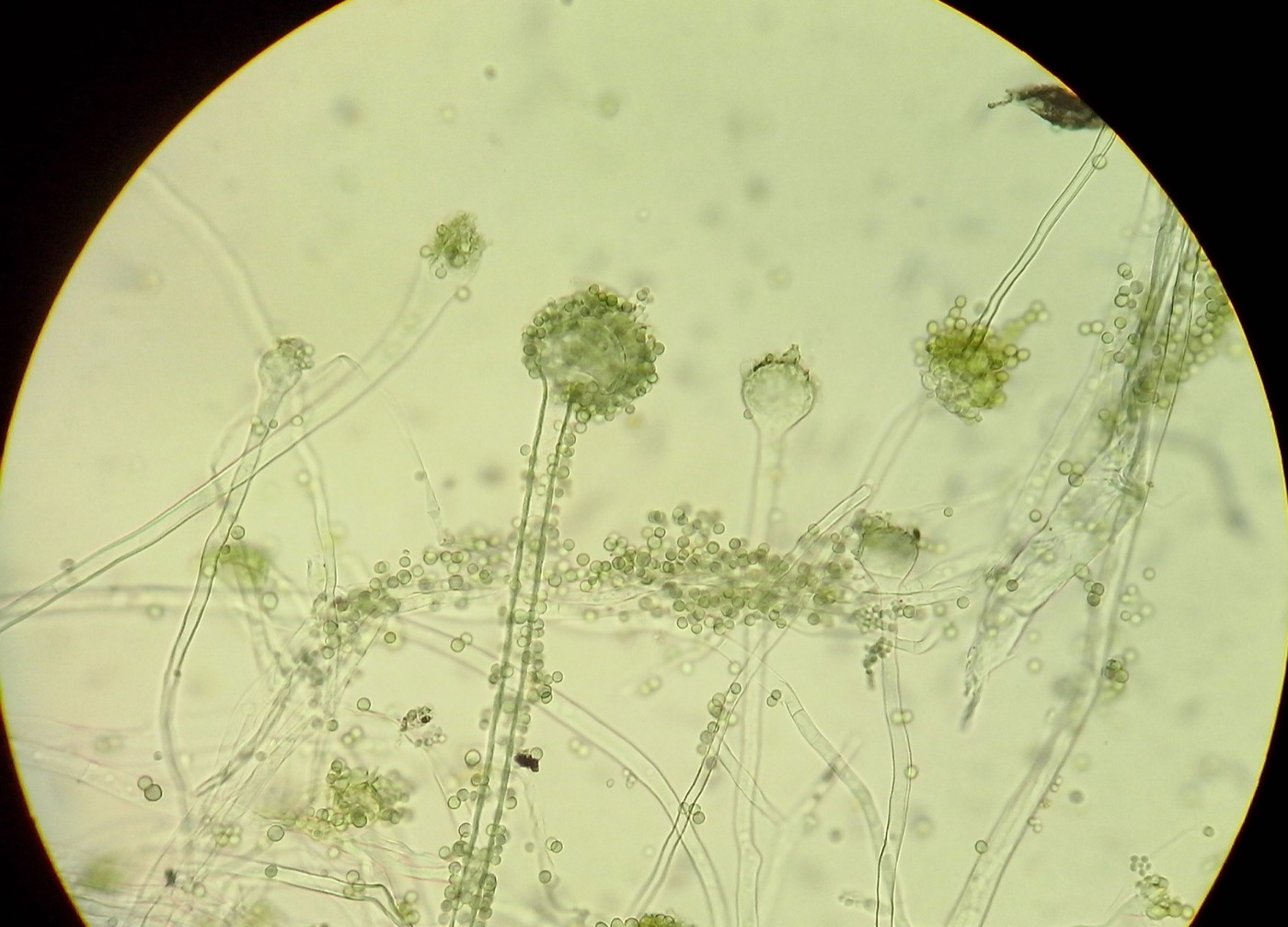
Amylase (Alpha-Amylase)
Microbial alpha-amylase powder, CAS 9000-90-2, from Aspergillus oryzae fermentation or a Bacillus route. Endo-hydrolyses starch at alpha-1,4 bonds. Vegan, with no porcine pancreatic input.