Betaine HCl + Pepsin Capsules
Capsules pairing assayed betaine hydrochloride with NF-grade porcine pepsin. Two actives specified separately, porcine origin declared, private label and contract manufacture from India.
Specifications
| Composition | Two declared actives - betaine hydrochloride as the acid component and pepsin as the protease component; the ratio and per-capsule strengths are fixed by the approved formula |
| Betaine HCl identity | Betaine hydrochloride, CAS 590-46-5, EINECS 209-683-1, C5H12ClNO2, MW 153.61; IUPAC carboxymethyl(trimethyl)azanium chloride; PubChem CID 11545 |
| Free-base conversion | Betaine (trimethylglycine) CAS 107-43-7, C5H11NO2, MW 117.15 - the free base is 76.3% of the hydrochloride by mass, the factor to use when a label declares betaine |
| Betaine origin | Betaine occurs naturally in sugar beet (Beta vulgaris), the source of its name; supplied as beet-derived or synthetic material with the origin stated on the certificate of analysis |
| Pepsin identity | Pepsin, EC 3.4.23.1, CAS 9001-75-6; an aspartic protease secreted in vivo as the zymogen pepsinogen |
| Pepsin source | Extracted from the glandular layer of hog stomachs - porcine material. Not vegetarian, not vegan, not halal and not kosher under any capsule shell option |
| Pepsin potency | NF trade designations 1:3,000 and 1:10,000; the ratio is the multiple of its own weight of coagulated protein substrate digested under the NF assay. Grade fixed in the spec |
| pH activity window | Pepsin is most active between pH 1.5 and 2.5 and is not fully denatured until pH 8.0; betaine hydrochloride is the acidifying component of the pair |
| Capsule shell | Bovine gelatin or vegetarian HPMC, size 0 or 00 typical. Note the fill is porcine, so an HPMC shell does not make the finished product vegetarian |
| Allergen status | No milk, egg, fish, crustacean, soy, peanut, tree nut or gluten input. Porcine origin must be declared on label, specification and customer allergen questionnaire |
| Regulatory note | US FDA ended OTC marketing of betaine hydrochloride as a gastric aid drug in 1993; it continues in trade as a supplement ingredient - confirm status per destination market |
| Handling | Both actives are moisture-sensitive, so blending, encapsulation and packing run under controlled low humidity with band sealing or alu-alu blistering as the moisture barrier |
| Testing | Betaine HCl assay by titration or HPLC, pepsin activity by the NF proteolytic assay, fill weight variation, disintegration, heavy metals and microbiology |
| Storage and shelf life | Below 25 °C at RH not above 60%, away from light; 24 months from manufacture in the unopened alu-alu blister or desiccated HDPE bottle, with stability data on request |
| HS code | 21069099 as finished capsules; bulk betaine hydrochloride alone 29239000, bulk pepsin alone 35079099 |
Applications
Available grades
Health-supplement grade; betaine hydrochloride to an agreed assay specification, pepsin to NF potency designation (1:3,000 or 1:10,000); FSSAI-licensed GMP manufacture with HACCP and ISO 22000; gluten-free. Porcine - not vegetarian, vegan, halal or kosher
Related products
Papain
Proteolytic enzyme powder from the latex of unripe papaya fruit. A cysteine endopeptidase complex standardised on tyrosine units, active on casein, gelatin and muscle protein. Plant-extracted and vegan.
Bromelain
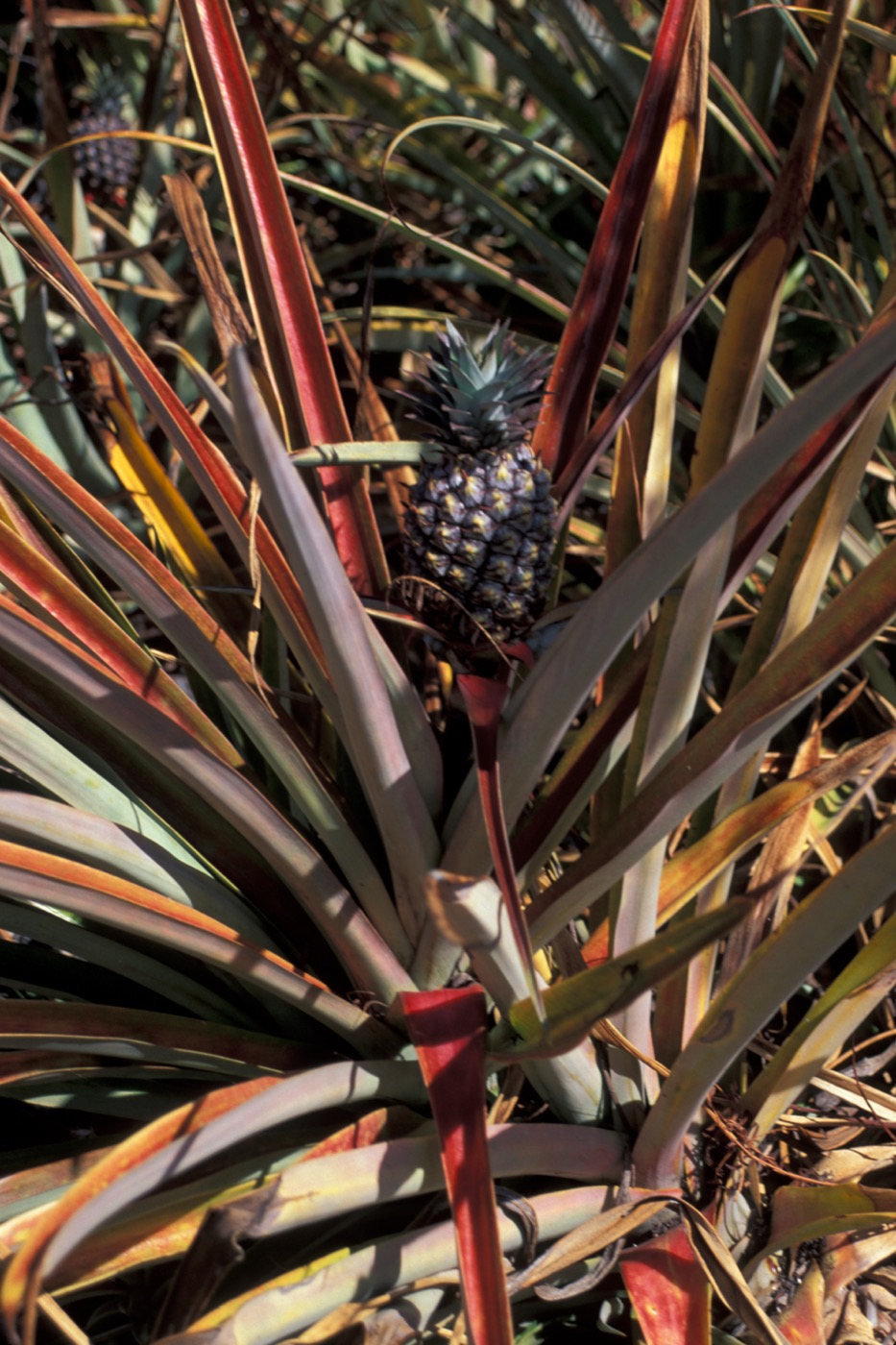
Stem bromelain powder from pineapple. A glycosylated cysteine endopeptidase standardised on gelatin digesting units and assayed lot by lot, because under-delivery against the label is documented. Vegan.
Amylase (Alpha-Amylase)
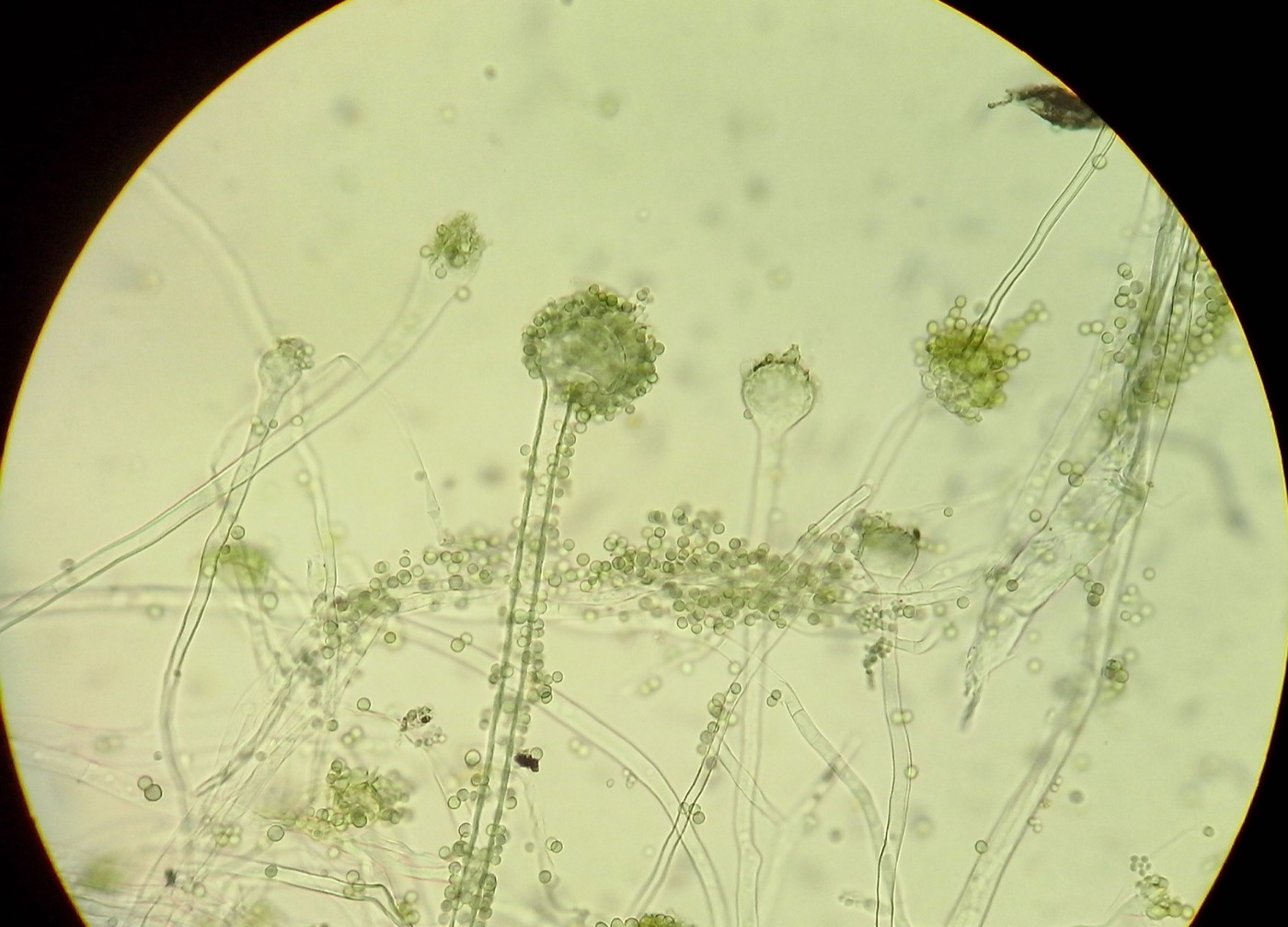
Microbial alpha-amylase powder, CAS 9000-90-2, from Aspergillus oryzae fermentation or a Bacillus route. Endo-hydrolyses starch at alpha-1,4 bonds. Vegan, with no porcine pancreatic input.