Alpha-Galactosidase Tablets
Compressed tablets of Aspergillus niger alpha-galactosidase, the enzyme that opens raffinose-family oligosaccharides in pulses and brassicas. GalU-declared potency, vegan, private label.
Specifications
| Enzyme identity | Alpha-galactosidase (alpha-D-galactoside galactohydrolase), EC 3.2.1.22, CAS 9025-35-8 |
| Source organism | Aspergillus niger, food-grade submerged or solid-state fermentation; A. niger fermentation carries US FDA GRAS status under the Federal Food, Drug, and Cosmetic Act |
| Catalytic action | Hydrolyses terminal, non-reducing alpha-D-galactose residues in alpha-D-galactosides, including galacto-oligosaccharides, galactomannans and galactolipids |
| Target substrates | Raffinose-family oligosaccharides of pulses, soy and brassicas - raffinose (C18H32O16, CAS 512-69-6), stachyose, verbascose; also melibiose to galactose plus glucose |
| Why it is supplied | Human digestion has no alpha-galactosidase, so RFOs reach the colon intact and are fermented there by gut bacteria that do carry it, yielding short-chain fatty acids and gas |
| pH and temperature | Acid-active fungal enzyme; a purified A. niger alpha-galactosidase was characterised at pH 3.5 and 60 °C optimum, with the exact optimum strain- and preparation-dependent |
| Potency basis | Declared in GalU (galactosidase units); the assay method and unit definition are written into the specification agreed with the buyer, as definitions differ between houses |
| Dosage form | Compressed tablet - uncoated, HPMC film-coated, chewable or orally disintegrating; shape, deboss and coating colour to buyer brief |
| Tablet weight | Typically 250-800 mg, set by the enzyme load, the carrier system and the disintegration profile required |
| Excipients | Microcrystalline cellulose, mannitol, croscarmellose sodium, colloidal silica and magnesium stearate or vegetable-source alternatives; excipient set to buyer preference |
| Allergen status | No milk, egg, fish, crustacean, soy, peanut, tree nut or gluten input; fungal fermentation origin (A. niger) declared on the label and specification |
| Origin / diet status | Vegan and vegetarian - no bovine, porcine or marine material at any stage; halal and kosher certification available; non-GMO declaration on request |
| Purity and microbiology | Lead and heavy metals, Salmonella, E. coli, coliforms, total plate count, yeast and mould, mycotoxin screen appropriate to a fungal enzyme; antimicrobial activity absent |
| Storage and shelf life | Below 25 °C at RH not above 60%; 24 months from manufacture in the unopened alu-alu blister or desiccated HDPE bottle, supported by stability data |
| HS code | 21069099 as finished tablets; bulk alpha-galactosidase enzyme preparation classifies to 35079099 |
Applications
Available grades
Food and health-supplement grade Aspergillus niger enzyme preparation tested on FCC-style enzyme criteria; FSSAI-licensed GMP manufacture with HACCP and ISO 22000; vegan, vegetarian, halal, kosher, non-GMO and gluten-free declarations available
Related products
Papain
Proteolytic enzyme powder from the latex of unripe papaya fruit. A cysteine endopeptidase complex standardised on tyrosine units, active on casein, gelatin and muscle protein. Plant-extracted and vegan.
Bromelain
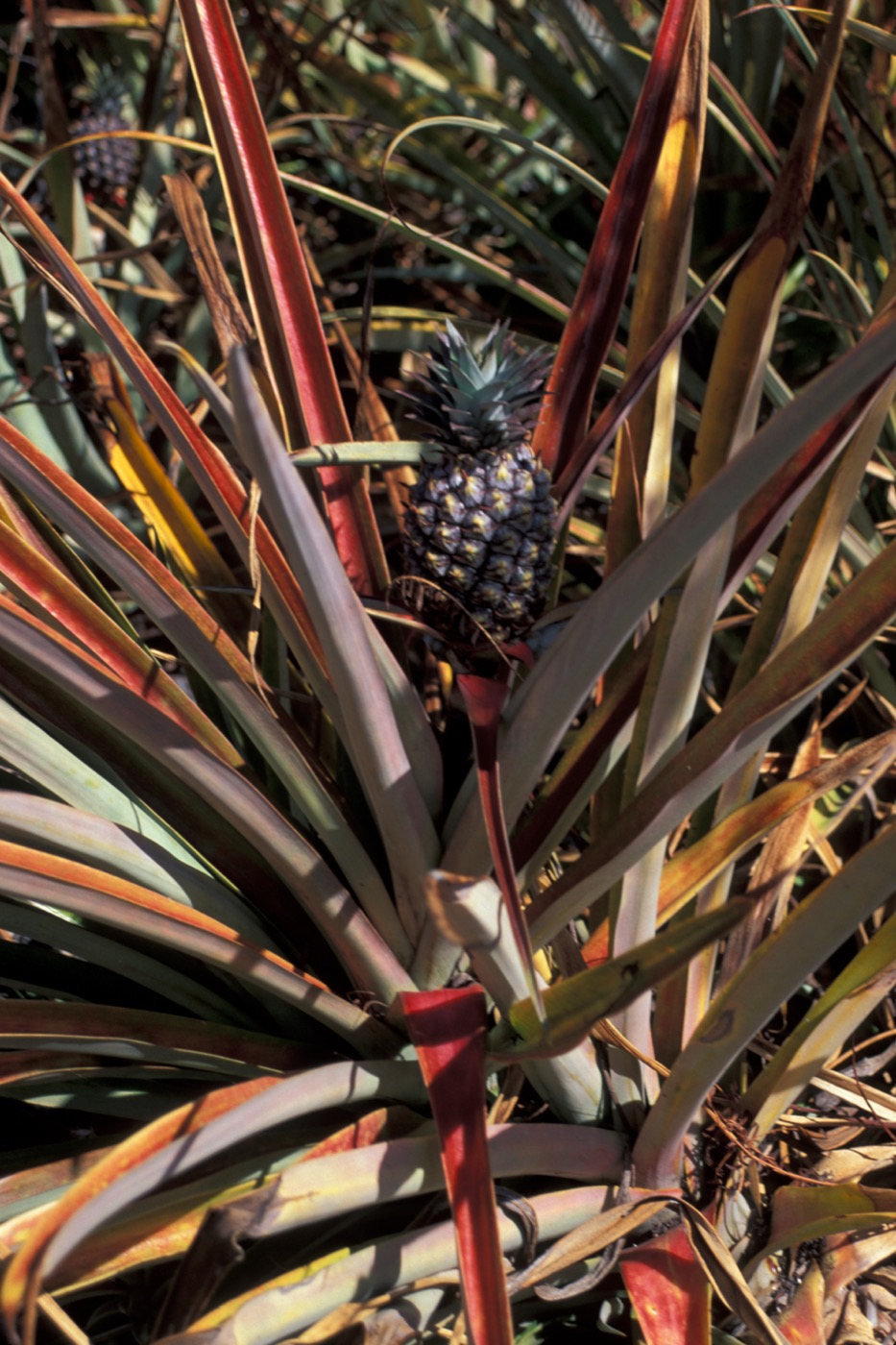
Stem bromelain powder from pineapple. A glycosylated cysteine endopeptidase standardised on gelatin digesting units and assayed lot by lot, because under-delivery against the label is documented. Vegan.
Amylase (Alpha-Amylase)
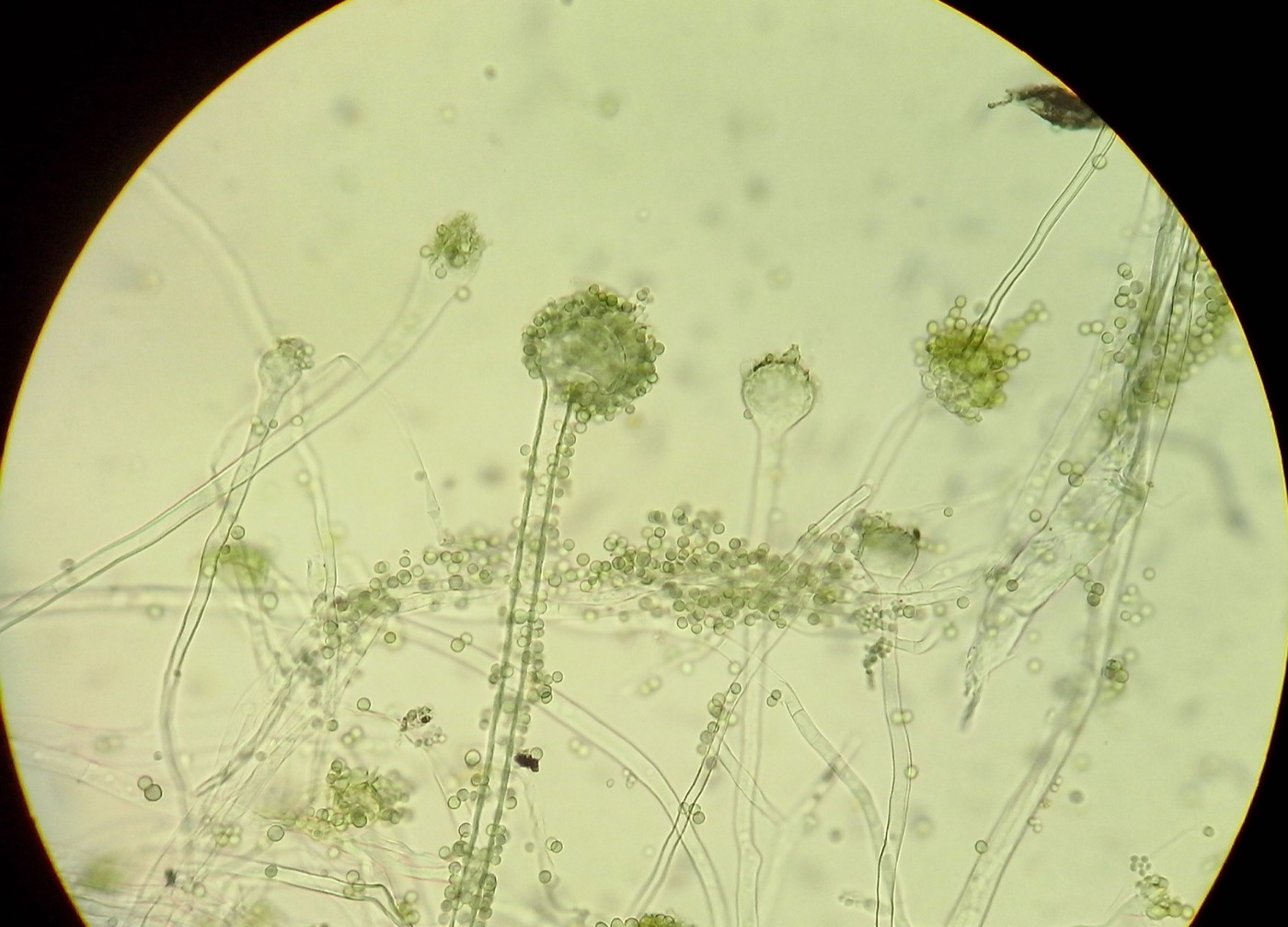
Microbial alpha-amylase powder, CAS 9000-90-2, from Aspergillus oryzae fermentation or a Bacillus route. Endo-hydrolyses starch at alpha-1,4 bonds. Vegan, with no porcine pancreatic input.