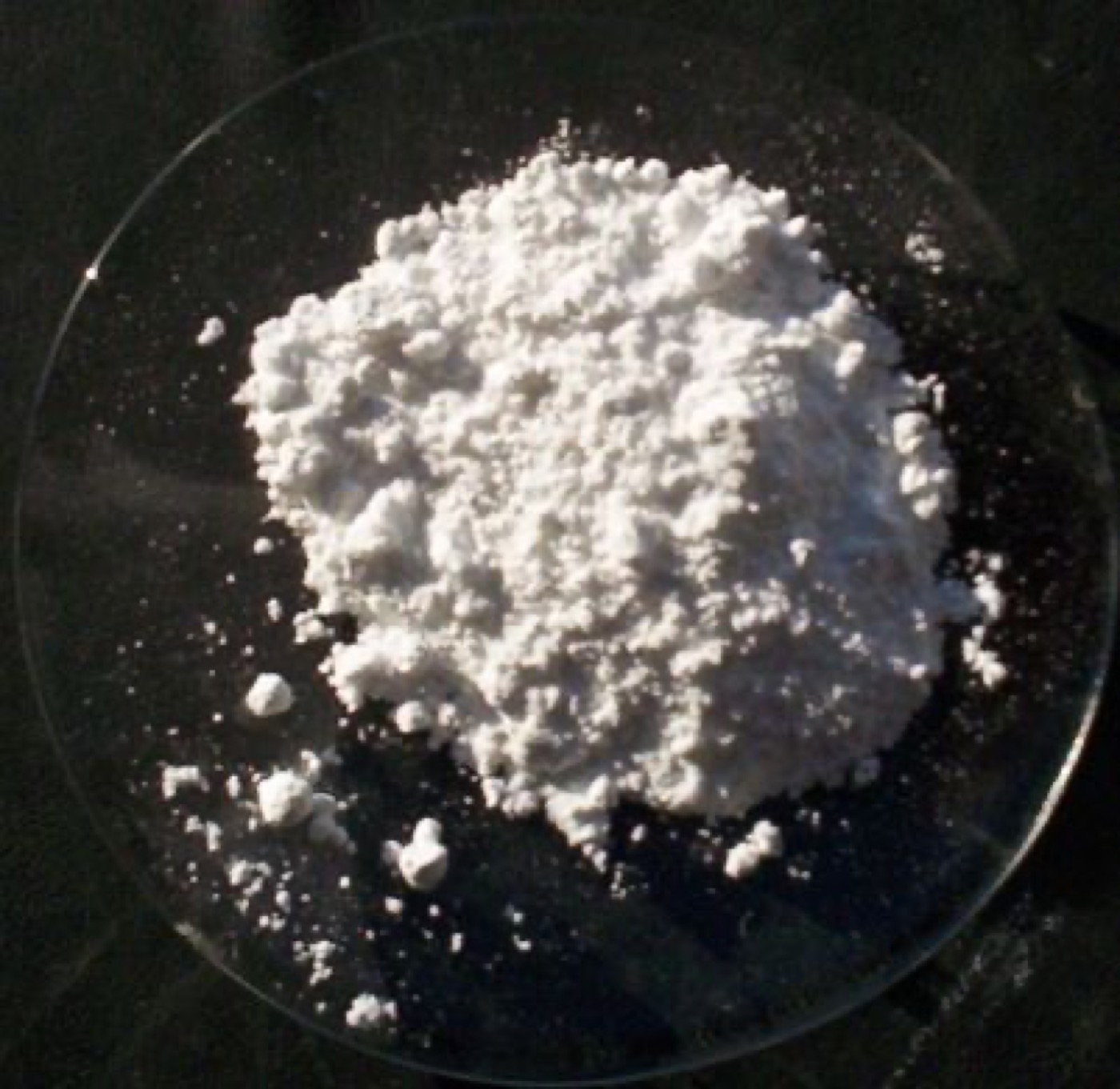
Calcium and Vitamin D3 Bone Support Tablets
Finished-dose tablets pairing calcium carbonate or calcium citrate with cholecalciferol (vitamin D3), built to the buyer's strength, coating and label. Bulk, blister and private-label runs.
Specifications
| Product type | Finished-dose food supplement tablet made to the buyer's formula, artwork and market; not supplied as a bulk chemical. |
| Calcium sources | Calcium carbonate (CAS 471-34-1), ~40% elemental Ca; calcium citrate, Ca3(C6H5O7)2 (CAS 813-94-5), ~21% elemental Ca. Blends or tricalcium phosphate to order. |
| Vitamin D3 | Cholecalciferol, CAS 67-97-0, C27H44O, MW 384.64. USP/Ph.Eur. potency basis: 1 IU = 0.025 mcg, so 1 mcg = 40 IU. |
| Typical strengths | 500 or 600 mg elemental calcium with 400 to 1000 IU (10 to 25 mcg) vitamin D3 per tablet; other ratios and once-daily formats to order. |
| Vitamin D3 raw form | Cold-water-dispersible beadlet at 100,000 IU/g or 40,000 IU/g on acacia and modified starch, with a declared overage to hold label claim through shelf life. |
| Appearance | White to off-white round or oblong film-coated tablet; buyer-specified size, debossing and coating colour. |
| Assay and label claim | Calcium by complexometric titration or ICP-OES; vitamin D3 by HPLC. Release limits set with overage so that claim is met to end of shelf life. |
| Physical tests | Disintegration not more than 30 minutes in purified water; friability not more than 1.0%; hardness and weight variation to the agreed in-house spec. |
| Heavy metals | Lead, arsenic, cadmium and mercury controlled on the finished tablet against USP <2232> and FSSAI limits; tighter buyer limits accepted on request. |
| Microbiology | Total plate count, yeast and mould within supplement limits; E. coli, Salmonella and S. aureus absent. Full result set on each batch COA. |
| Origin and diet status | Lanolin-sourced D3 is ovine in origin: vegetarian but not vegan. Lichen-derived D3 or yeast-derived D2 available where a vegan claim is required. |
| Allergen status | Free from milk, egg, soy, fish, crustacean, gluten, peanut and tree nut on the standard excipient set; soy is declared if a soy tocopherol carrier is used. |
| Gelatin caution | Some D3 beadlets are gelatin-based (fish or bovine). Specify an acacia/starch beadlet where fish allergen or bovine origin must be excluded. |
| Shelf life | 24 months from manufacture at 25 C or below and 60% RH or below in the sealed pack. |
| HS code | 2106 90 99 |
Applications
Available grades
Food and nutraceutical grade, produced under FSSAI licence to the Health Supplements and Nutraceuticals Regulations 2016; actives to IP, USP or Ph.Eur. monographs. Vegetarian as standard (lanolin D3) or vegan (lichen D3 or yeast D2). Sugar-free, lactose-free and gluten-free builds available. Halal and kosher certification, GMP and HACCP documentation on request. Film-coated, chewable and effervescent variants.
Related products
Prenatal DHA + Folic Acid Softgels
Contract-made prenatal softgels pairing DHA with folic acid or L-5-MTHF, in a marine fish-oil build or a fish-free vegan algal build. Allergen and diet status declared per build; 200 mg DHA is the usual base.
Shatavari Women's Tonic (Powder & Syrup)
Shatavari (Asparagus racemosus) women's tonic in powder or syrup form, standardised on total steroidal saponins to the buyer's figure. Vegan, milk-free export build; dairy versions declared.
Cranberry + D-Mannose Capsules
Cranberry extract standardised on proanthocyanidins by DMAC (AOAC 2019.06) blended with D-mannose in one capsule. Vegan HPMC shell, peanut-free cranberry verified per lot, private label to order.