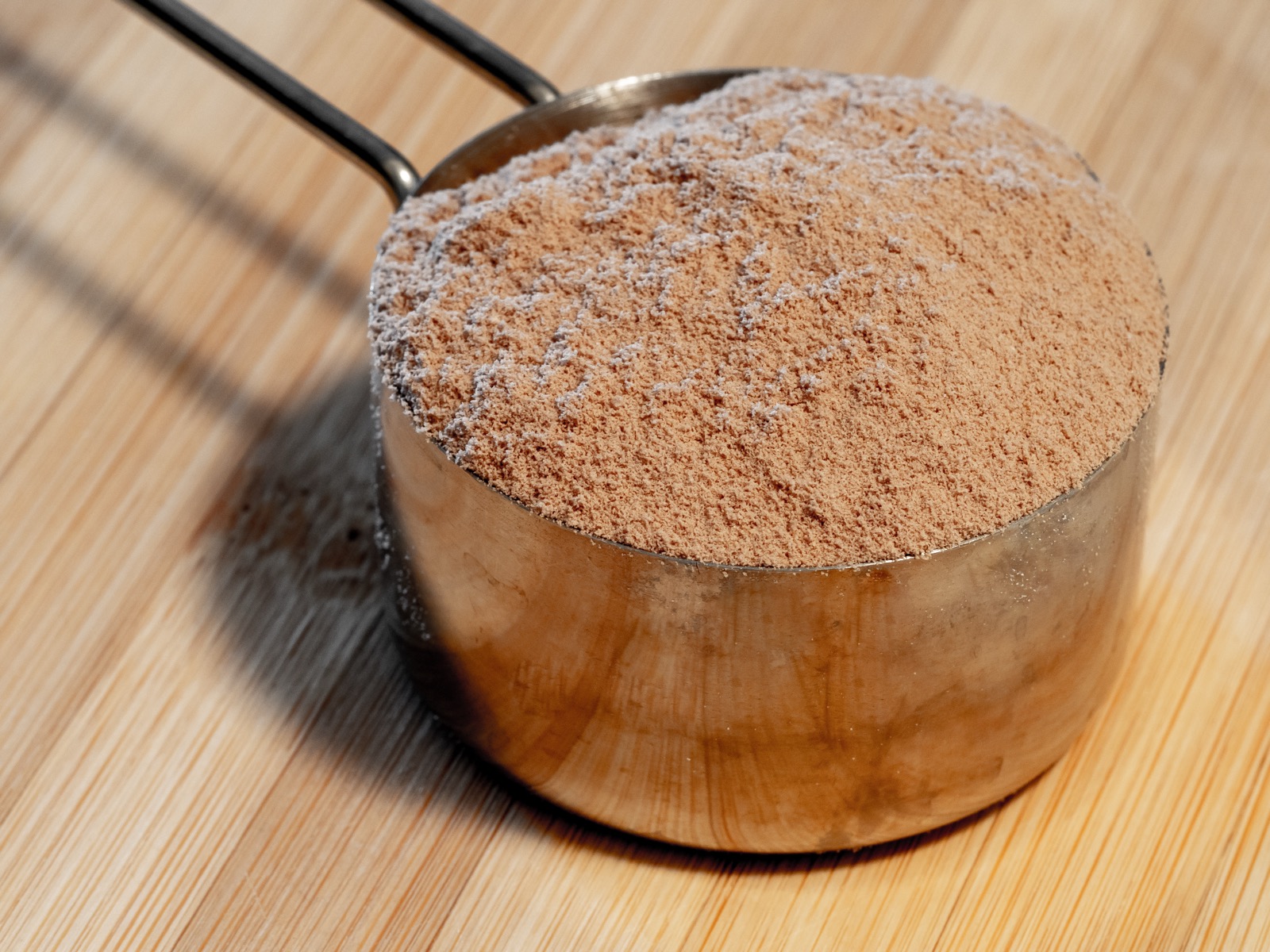
Whey Protein Hydrolysate (WPH)
Bovine whey protein hydrolysate produced by controlled enzymatic cleavage of WPC or WPI — a defined peptide mixture with higher solubility, lower viscosity and reduced heat gelation.
Specifications
| Source | Bovine dairy whey, hydrolysed from whey protein concentrate or whey protein isolate. Not a synthetic or fermentation-derived protein. |
| Protein content (dry basis) | Set by the substrate, not by a standard of its own: WPC 80-based hydrolysate is near 80–82% on dry matter, WPI-based near 90%. Specify base and DH together when enquiring. |
| Degree of hydrolysis | Commercial range 5–30% DH, most often 10–25%. ADPI requires DH be measurably above the source protein and analytically verified, by pH-stat, OPA, TNBS or formol titration. |
| Appearance | White to light cream free-flowing spray-dried powder. Colour deepens and flavour moves from bland toward bitter as degree of hydrolysis rises. |
| Solubility | More soluble and lower in viscosity than intact whey protein, with better acid and heat stability and reduced heat-induced gelation — the reason it is used in high-protein RTDs. |
| Moisture | Typically not more than 6.0%, as-is basis, in line with dairy powder practice. Method AOAC 925.45. Confirm the agreed limit on the lot COA. |
| Fat | Follows the substrate: roughly 4–8% for a WPC 80 base, under 1.5% for a WPI base. As-is basis, method AOAC 989.05. |
| Ash | Follows the substrate and rises with any acid or base used to control pH during hydrolysis. Method AOAC 942.05. Agree the ceiling in the specification. |
| Particle size | No standard mesh applies. Regular and agglomerated grades supplied to the buyer's specification; peptide size in commercial material clusters at 2.5–5 kDa and 5–8 kDa. |
| Amino acid profile note | Same complete profile as the parent whey protein, delivered as intact protein, polypeptides, oligopeptides, dipeptides and free amino acids. Leucine ~10–11 g per 100 g protein. |
| Processing method | Controlled enzymatic hydrolysis of WPC or WPI with food-grade proteases, enzyme inactivation, then spray drying. ADPI also recognises chemical hydrolysis. |
| Allergen status | MILK ALLERGEN. Hydrolysis does not remove it. Declare as milk, including lactose, under EU 1169/2011 Annex II, US FALCPA and FSSAI Labelling and Display Regulations 2020. |
| Shelf life | Store and ship below 27 °C at under 65% relative humidity, stock rotated. Hygroscopic — keep the liner sealed. Manufacturer's stated expiry or retest date governs. |
| HS code | 35040099 (India ITC-HS) — other protein substances and their derivatives. Not 21061000, not 3502 and not 0404; see the classification note. |
Applications
Available grades
Food grade, unflavoured, to a declared degree of hydrolysis on a stated WPC or WPI base. Low-DH (under 10%) functional grades and higher-DH peptide grades; instantised or regular. ADPI sets a definition for WPH but no compositional standard.
Related products
Whey Protein Concentrate (WPC)
Spray-dried bovine whey protein concentrate in WPC 34 through WPC 80 grades, made to ADPI composition — bland clean flavour, high hydration rate, gelation and acid stability for beverage, bar and dairy work.
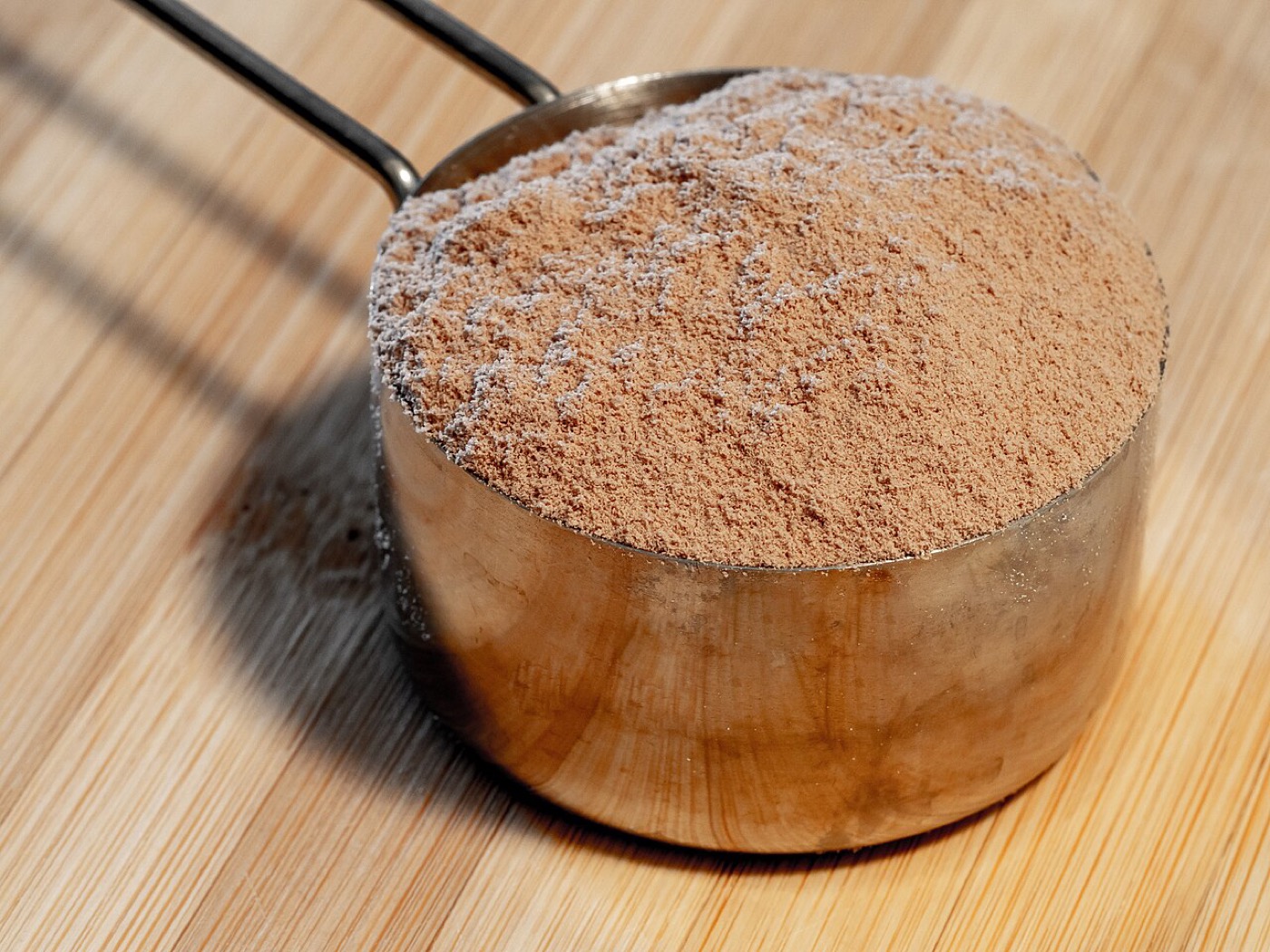
Whey Protein Isolate (WPI)
Bovine whey protein isolate at 90–92% protein on dry matter, made by cross-flow microfiltration or ion exchange — near lactose-free, low fat, and clear in acid beverages at pH 3–4.
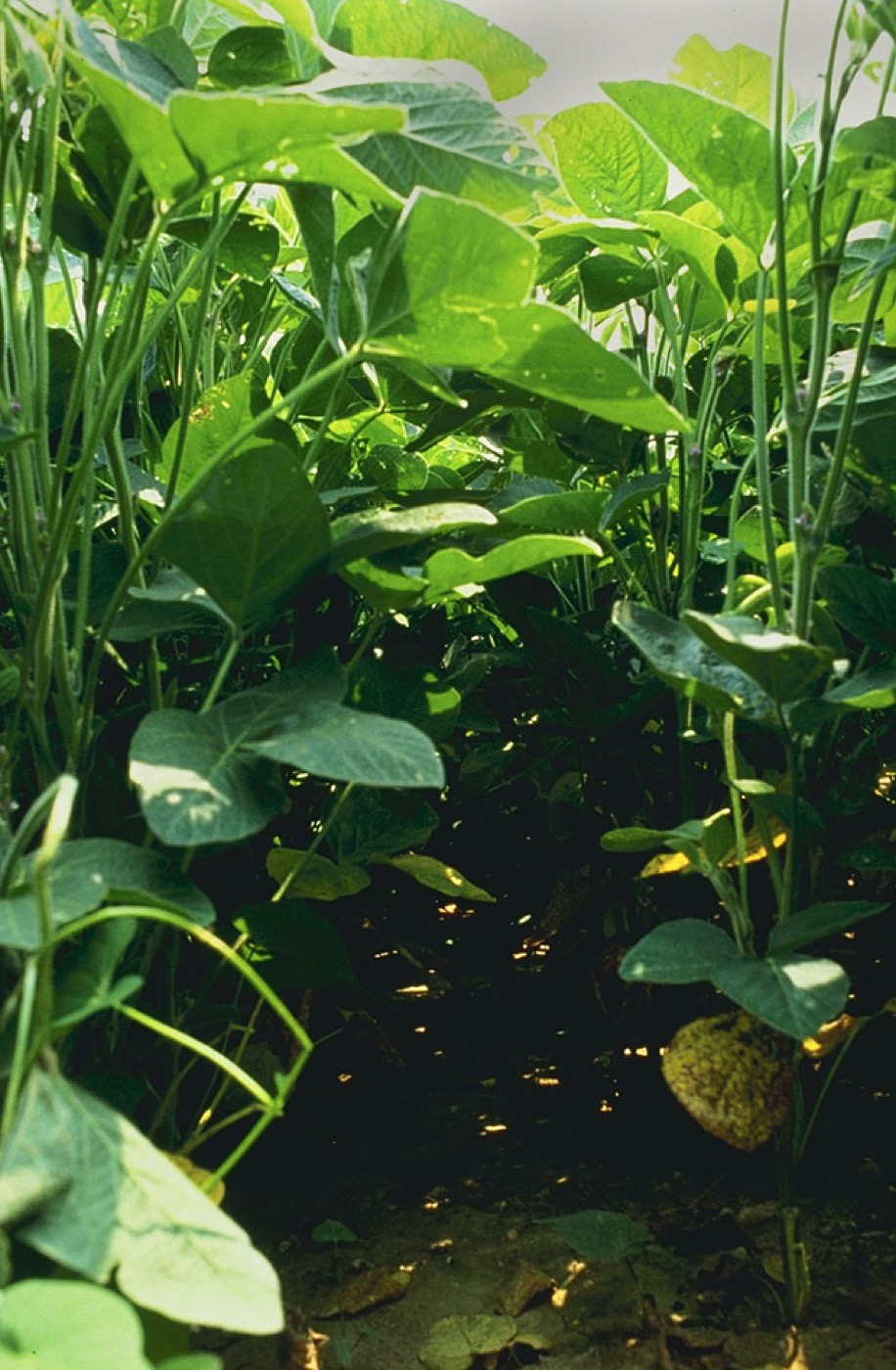
Soy protein isolate
Bulk soy protein isolate at not less than 90% protein on a dry basis — a bland, spray-dried powder for meat systems, analogues, beverages and bars. Contains soy, a declared major allergen.