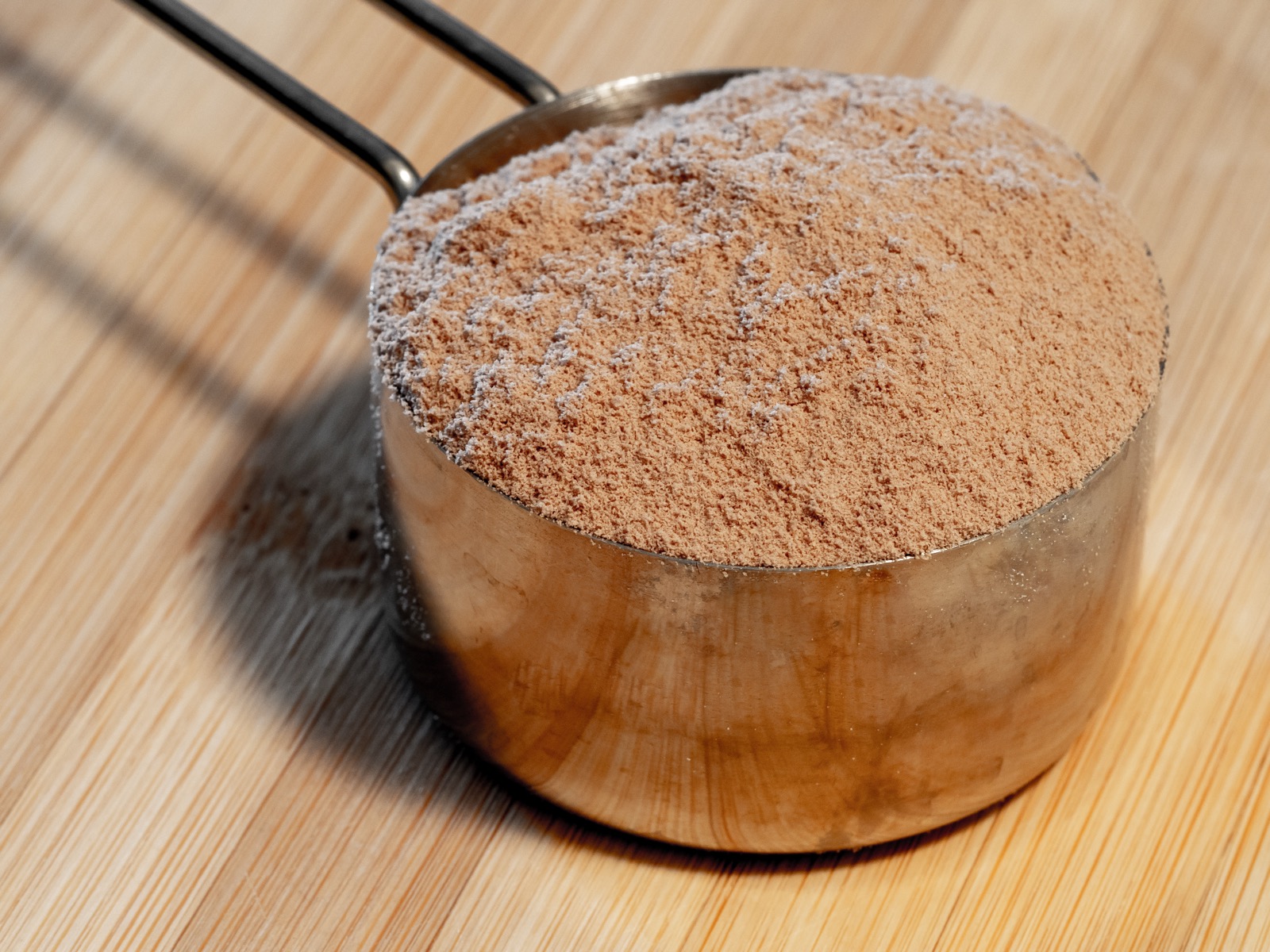
Whey Protein Concentrate (WPC)
Spray-dried bovine whey protein concentrate in WPC 34 through WPC 80 grades, made to ADPI composition — bland clean flavour, high hydration rate, gelation and acid stability for beverage, bar and dairy work.
Specifications
| Source | Bovine sweet dairy whey, the co-product of cheese manufacture. Not a synthetic or fermentation-derived protein. |
| Protein content (dry basis) | WPC 34: 34.0–36.0% as-is, 33.5% min. WPC 80: 80.0–82.0% dry basis, 79.5% min. ADPI quotes WPC 80 protein on dry matter, all other values as-is. |
| Appearance | White to cream free-flowing spray-dried powder; bland, clean flavour; pH 6.0–6.7 (ADPI WPC Standard v4.0). |
| Solubility | Readily soluble in water across the normal beverage pH range. ADPI rates WPC 80 high for hydration rate, gelation and acid stability. |
| Moisture | 3.0–5.0% typical with a 6.0% maximum for both WPC 34 and WPC 80, as-is basis. Method AOAC 925.45. |
| Fat | WPC 34: 3.0–4.5% typical, 5.0% max. WPC 80: 4.0–8.0% typical, 10.0% max. As-is basis, method AOAC 989.05. |
| Lactose | WPC 34: 48.0–55.0%. WPC 80: 4.0–10.0%. Method ISO 22662 / IDF 198. Lactose falls sharply as protein rises across the grade ladder. |
| Ash | WPC 34: 6.5–8.0%. WPC 80: 3.0–5.0%. As-is basis, method AOAC 942.05. |
| Particle size | ADPI sets no mesh specification. Regular and agglomerated (instantised) grades are supplied to the buyer's mesh. Scorched particles 15.0 mg/25 g maximum. |
| Amino acid profile note | Complete profile, nitrogen factor N × 6.38 (AOAC 991.20). ADPI cites PDCAAS 1.00 and DIAAS 0.97 for WPC 80. Leucine is roughly 10–11 g per 100 g protein, lot-dependent. |
| Processing method | Physical separation of non-protein solids from whey by membrane filtration (ultrafiltration with diafiltration), followed by spray drying. No chemical extraction. |
| Allergen status | MILK ALLERGEN. Declare as milk, including lactose, under EU 1169/2011 Annex II, US FALCPA and FSSAI Labelling and Display Regulations 2020. Not lactose-free at any grade. |
| Shelf life | Store and ship below 27 °C at under 65% relative humidity; industry guidance is use within 9–12 months. The manufacturer's stated expiry or retest date governs. |
| HS code | Grade-dependent: 0404.10 (04041020) for WPC 25–80% protein; 3502.20 (35022000) for WPC over 80% whey protein on dry matter (i.e. WPC 80) |
Applications
Available grades
Food grade to the ADPI Whey Protein Concentrate Standard v4.0 and FSSAI whey protein concentrate standards. WPC 34, WPC 60, WPC 70 and WPC 80, in regular and instantised (lecithinated) forms.
Related products
Whey Protein Isolate (WPI)
Bovine whey protein isolate at 90–92% protein on dry matter, made by cross-flow microfiltration or ion exchange — near lactose-free, low fat, and clear in acid beverages at pH 3–4.
Whey Protein Hydrolysate (WPH)
Bovine whey protein hydrolysate produced by controlled enzymatic cleavage of WPC or WPI — a defined peptide mixture with higher solubility, lower viscosity and reduced heat gelation.
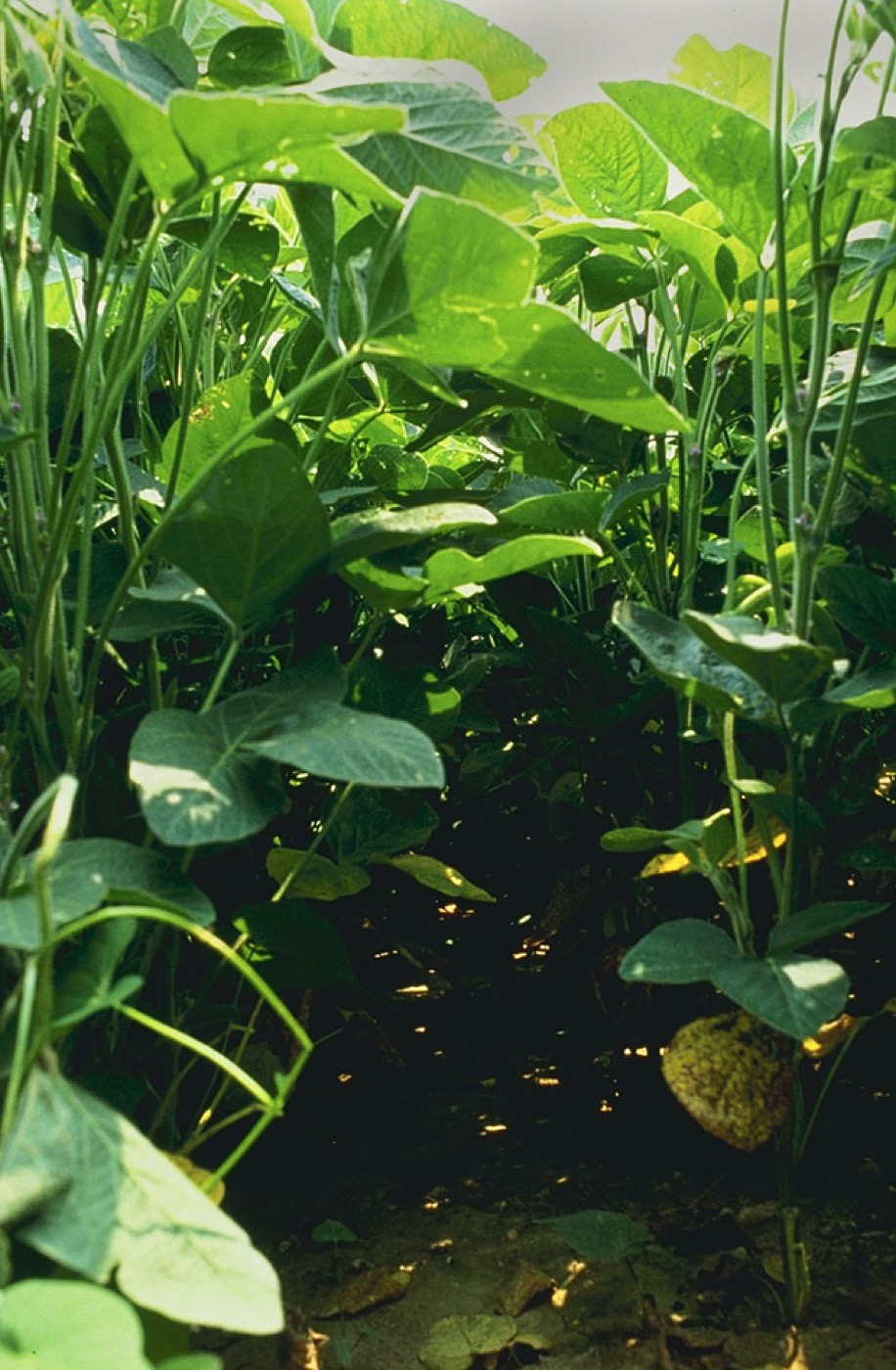
Soy protein isolate
Bulk soy protein isolate at not less than 90% protein on a dry basis — a bland, spray-dried powder for meat systems, analogues, beverages and bars. Contains soy, a declared major allergen.