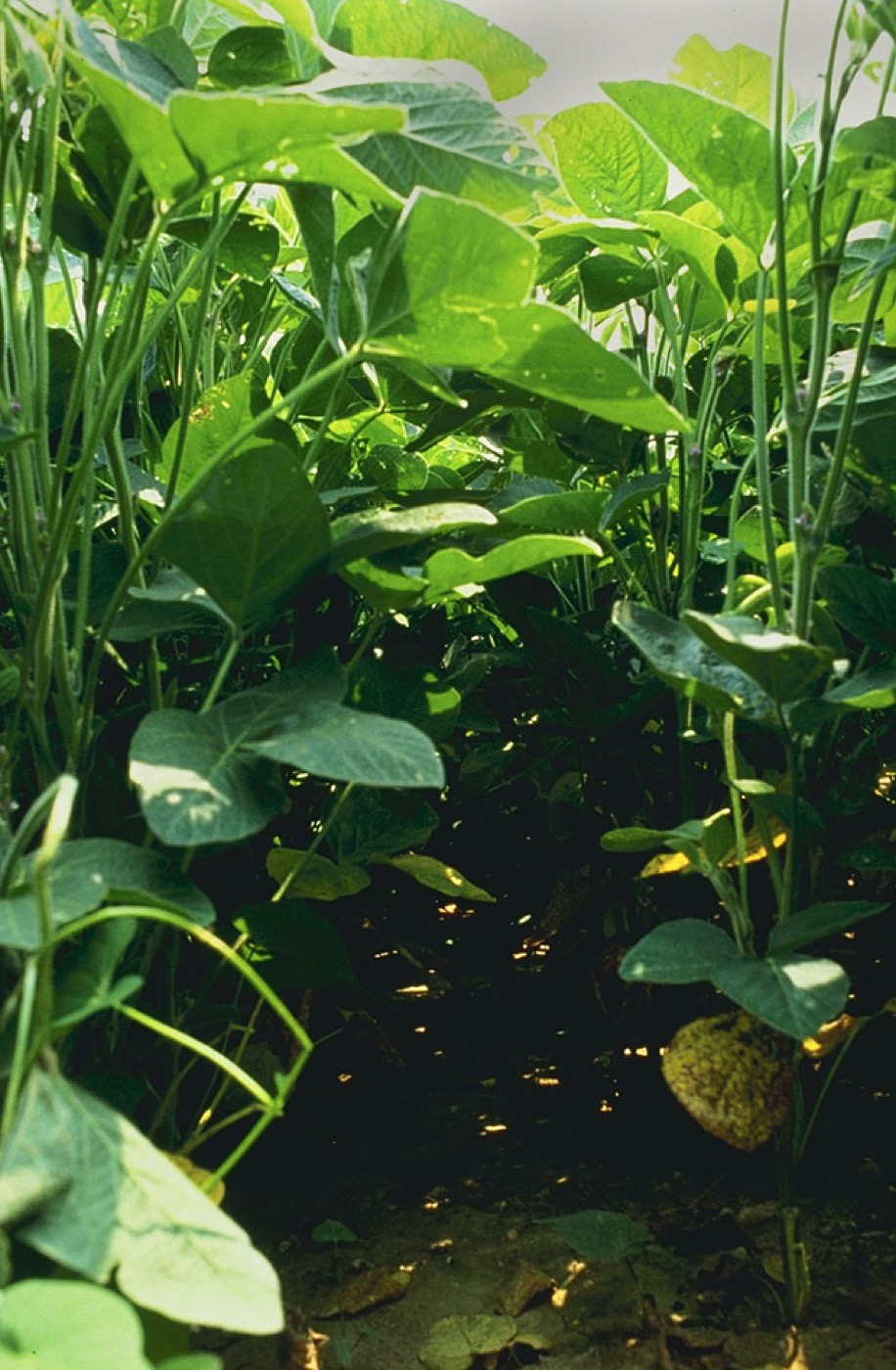
Soy protein isolate
Bulk soy protein isolate at not less than 90% protein on a dry basis — a bland, spray-dried powder for meat systems, analogues, beverages and bars. Contains soy, a declared major allergen.
Specifications
| Source | Dehulled, defatted soybean (Glycine max) white flakes with high protein solubility index; oil is removed before protein extraction. |
| Protein content (dry basis) | Not less than 90% (N x 6.25) on a moisture-free basis, per the standard trade definition. As-is protein typically 84-88% at 5-6% moisture. |
| Appearance | Free-flowing off-white to light cream powder. Bland, neutral odour and flavour; low inherent colour contribution to finished systems. |
| Solubility | Nitrogen Solubility Index typically 75% or higher. Minimum solubility near the isoelectric point pH 4.5, recovering above pH 7. |
| Moisture | Typically 6.0% maximum. Store below 25 C and dry; high humidity plus heat degrades functional properties over time. |
| Fat | Typically 1.0% maximum. FAO reference composition for isolated soy protein is 0.5% fat on a moisture-free basis. |
| Ash | Typically 6.0% maximum of dry matter; FAO reference figure is 4.5%. Sodium level reflects the alkali used in extraction and neutralisation. |
| Particle size | Standard grind passes 100 mesh (150 micron). Agglomerated and instantised grades are coarser by design for wetting performance. |
| Amino acid profile note | Complete indispensable amino acid profile. PDCAAS reported at or near 1.0; DIAAS around 0.9. Methionine is the lowest-scoring indispensable amino acid. |
| Processing method | Alkaline extraction of defatted white flakes at pH 7.5-9.0 near 55 C, isoelectric precipitation at about pH 4.5, curd washing, neutralisation, spray drying. |
| Isoflavones | Aqueous-process isolates reported at roughly 690-1096 micrograms total isoflavones per gram of protein; alcohol-washed grades are far lower. |
| GMO status | Soybean is a widely GM crop. Non-GMO identity-preserved material is available with IP chain documentation; state the requirement at enquiry stage. |
| Allergen status | Contains SOY. Declared major allergen under FSSAI, US FALCPA and EU Regulation 1169/2011 Annex II. Must be declared on every downstream label. |
| Shelf life | 24 months from manufacture in unopened original packaging, stored below 25 C, dry, and away from strong odours and direct sunlight. |
| HS code | India 3504 00 91 (Isolated soya protein). NOT 2106 10 00 for the plain, uncompounded isolate — see the classification note. |
Applications
Available grades
Gelling / emulsifying grade for meat and meat-analogue systems; agglomerated high-dispersibility grade for beverage and dry-blend use; low-viscosity grade for ready-to-drink formats; extrusion grade for texturised output. Alcohol-washed (low-isoflavone) and aqueous-washed (isoflavone-retaining) options. Non-GMO identity-preserved supply available with documentation. Kosher and Halal certification on request.
Related products
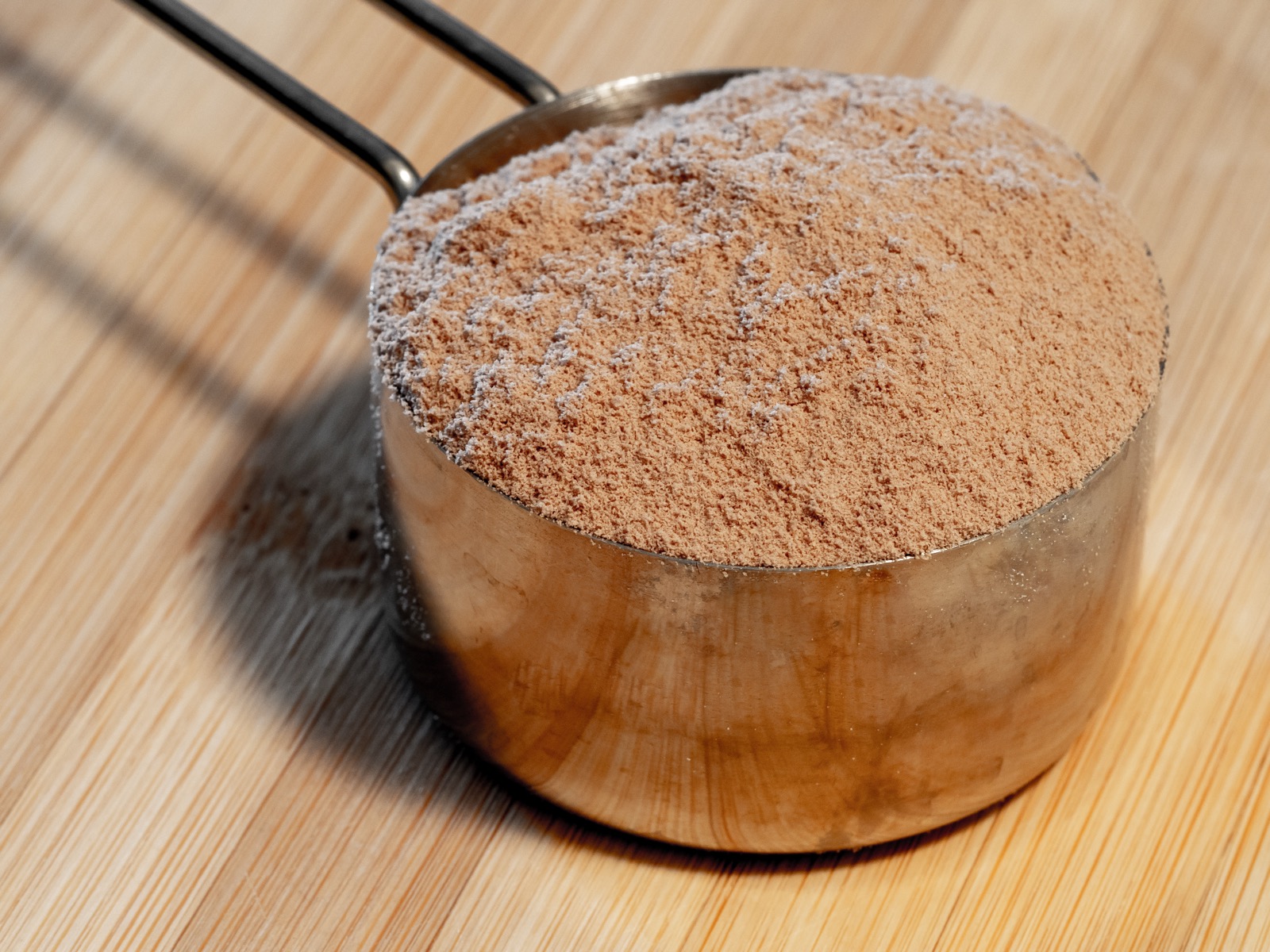
Whey Protein Concentrate (WPC)
Spray-dried bovine whey protein concentrate in WPC 34 through WPC 80 grades, made to ADPI composition — bland clean flavour, high hydration rate, gelation and acid stability for beverage, bar and dairy work.
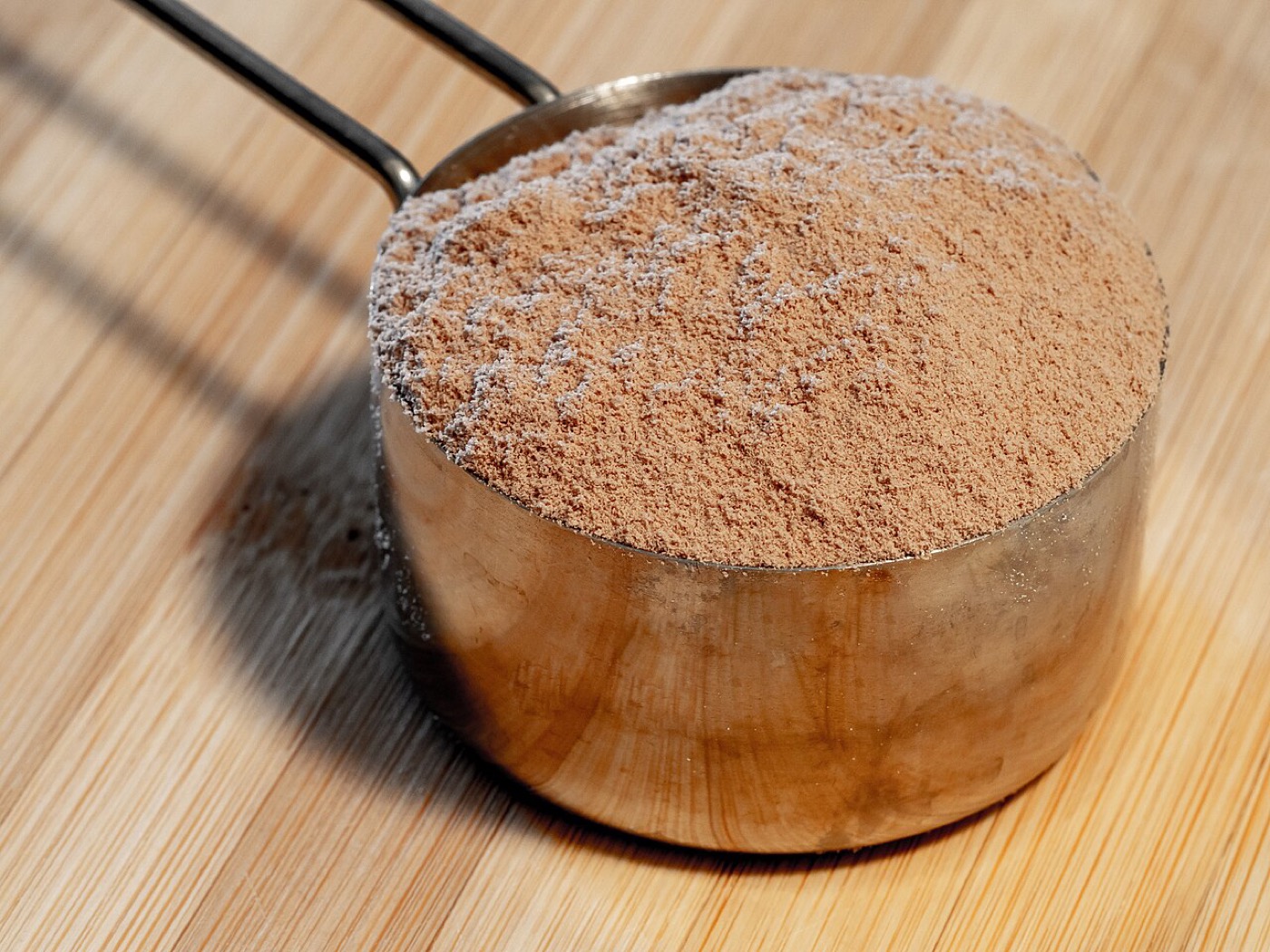
Whey Protein Isolate (WPI)
Bovine whey protein isolate at 90–92% protein on dry matter, made by cross-flow microfiltration or ion exchange — near lactose-free, low fat, and clear in acid beverages at pH 3–4.
Whey Protein Hydrolysate (WPH)
Bovine whey protein hydrolysate produced by controlled enzymatic cleavage of WPC or WPI — a defined peptide mixture with higher solubility, lower viscosity and reduced heat gelation.