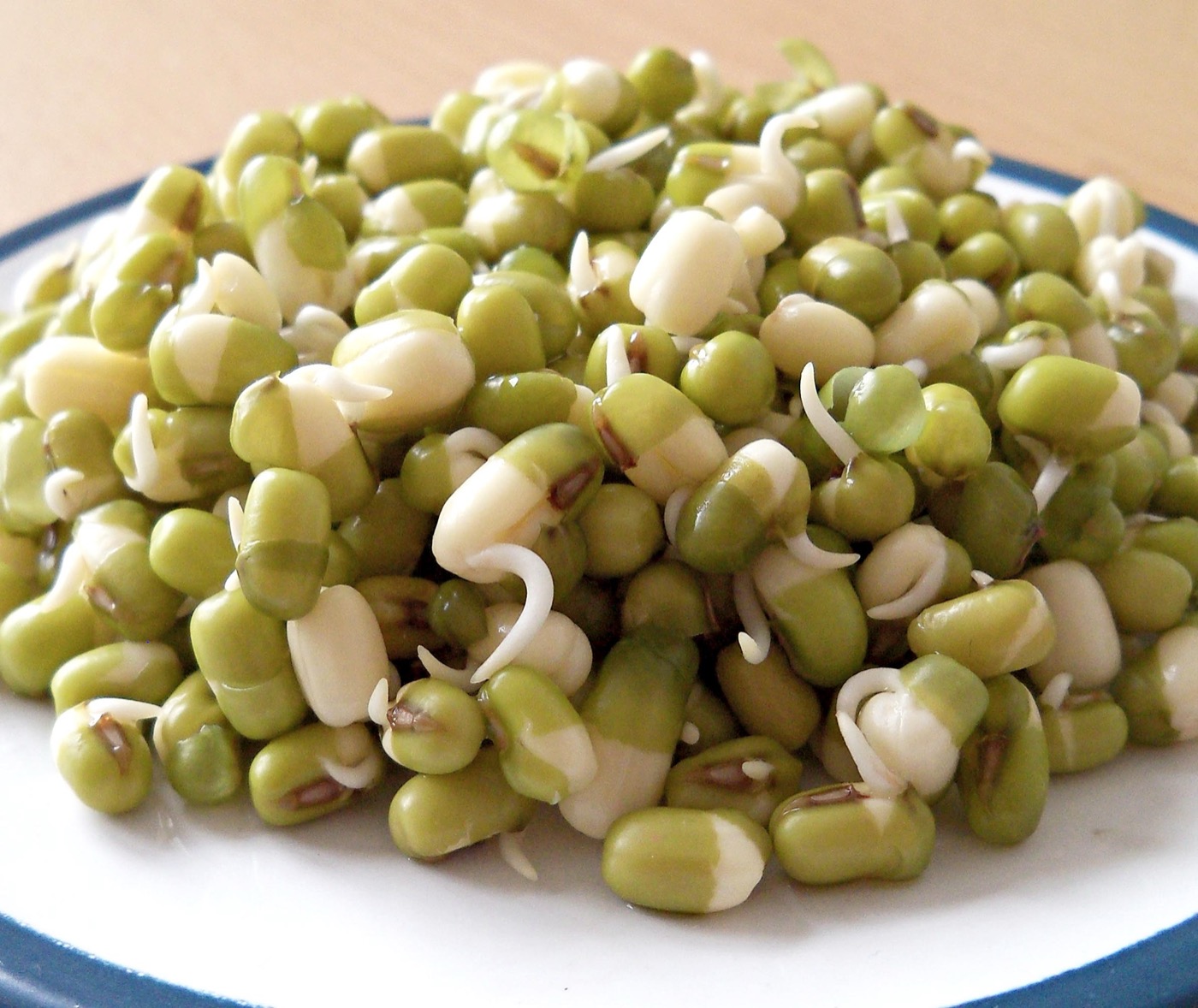
Sprouted Plant Protein Blend
Blend of sprouted brown rice protein with sprouted mung or lentil protein and sprouted quinoa, amaranth, millet and chia, standardised to 70% protein. Vegan, clean-label, phytate reduced by germination.
Specifications
| Composition | Sprouted brown rice protein base with sprouted mung or lentil protein and sprouted quinoa, amaranth, millet and chia; exact ratio set at order |
| Botanical sources | Oryza sativa, Vigna radiata or Lens culinaris, Chenopodium quinoa, Amaranthus spp., Panicum miliaceum, Salvia hispanica |
| Protein (N x 6.25) | 70% minimum standard build; 60% whole-sprout and 80% high-protein builds to order |
| Process | Controlled steeping and germination of cleaned seed, then drying, milling and protein enrichment; spray or drum dried |
| Germination data (quinoa) | Published sprouting trials report total amino acids up 7.43% in yellow and 14.36% in red quinoa, with lysine, phenylalanine, threonine and tyrosine all raised |
| Germination data (brown rice) | Germinated brown rice reported with GABA up 53.43%, free phenolic acids up 21.71% and bound phenolic acids up 7.14% versus ungerminated |
| Phytate | Reduced by endogenous phytase during steeping; brown rice soaked 36 h at 50 °C shows higher phytase activity and lower phytic acid than at 30 °C |
| Appearance and odour | Light tan to brown free-flowing powder; earthy, mildly nutty aroma characteristic of sprouted grain |
| Moisture, ash, fat | Moisture maximum 8.0%; ash maximum 8.0%; fat maximum 8.0% |
| Particle size | 95% through 80 mesh; coarser whole-sprout grade retains more fibre and sits nearer 60 mesh |
| Allergen and diet status | Vegan; no milk, egg, fish, crustacean, soy or nut input; gluten-free unless sprouted wheat, barley or rye is specified; buckwheat and sesame variants are declarable in some markets |
| Microbiology | Germination is a warm wet step, so every lot is released against Salmonella absent/25 g, E. coli absent/10 g, Enterobacteriaceae, TPC and yeast-mould limits |
| Heavy metals | Rice-based material tested per lot for lead, cadmium, mercury and arsenic against buyer limits; certificate issued with each consignment |
| Shelf life | 24 months unopened below 25 °C and 60% RH |
| HS code | 2106.10.00 |
Applications
Available grades
Standard 70% protein sprouted blend; 60% whole-sprout grade with fibre retained; 80% high-protein build; certified organic (NOP, EU, NPOP); raw / low-temperature dried grade; unflavoured or masked; instantised for cold dispersion.
Related products
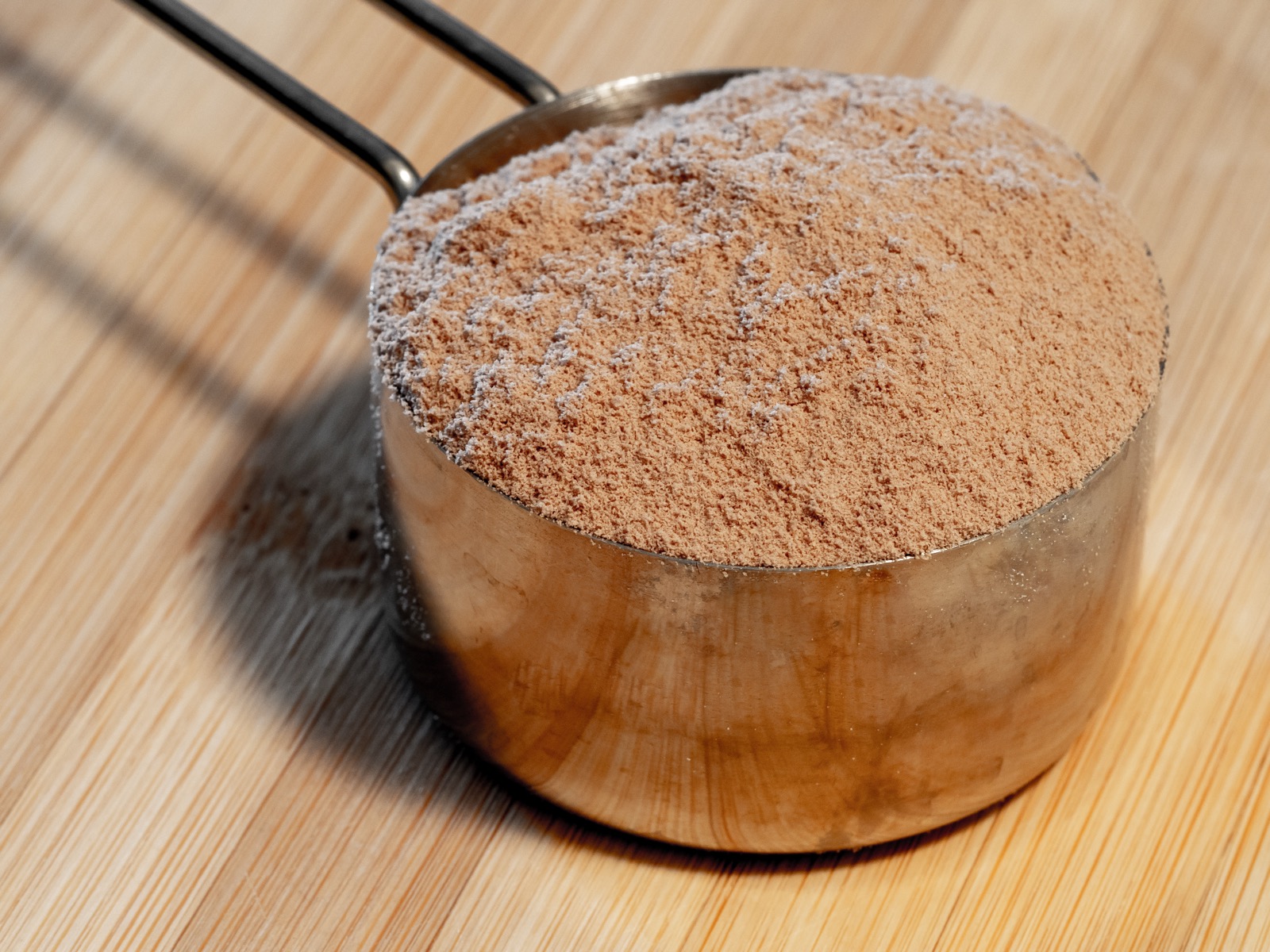
Whey Protein Concentrate (WPC)
Spray-dried bovine whey protein concentrate in WPC 34 through WPC 80 grades, made to ADPI composition — bland clean flavour, high hydration rate, gelation and acid stability for beverage, bar and dairy work.
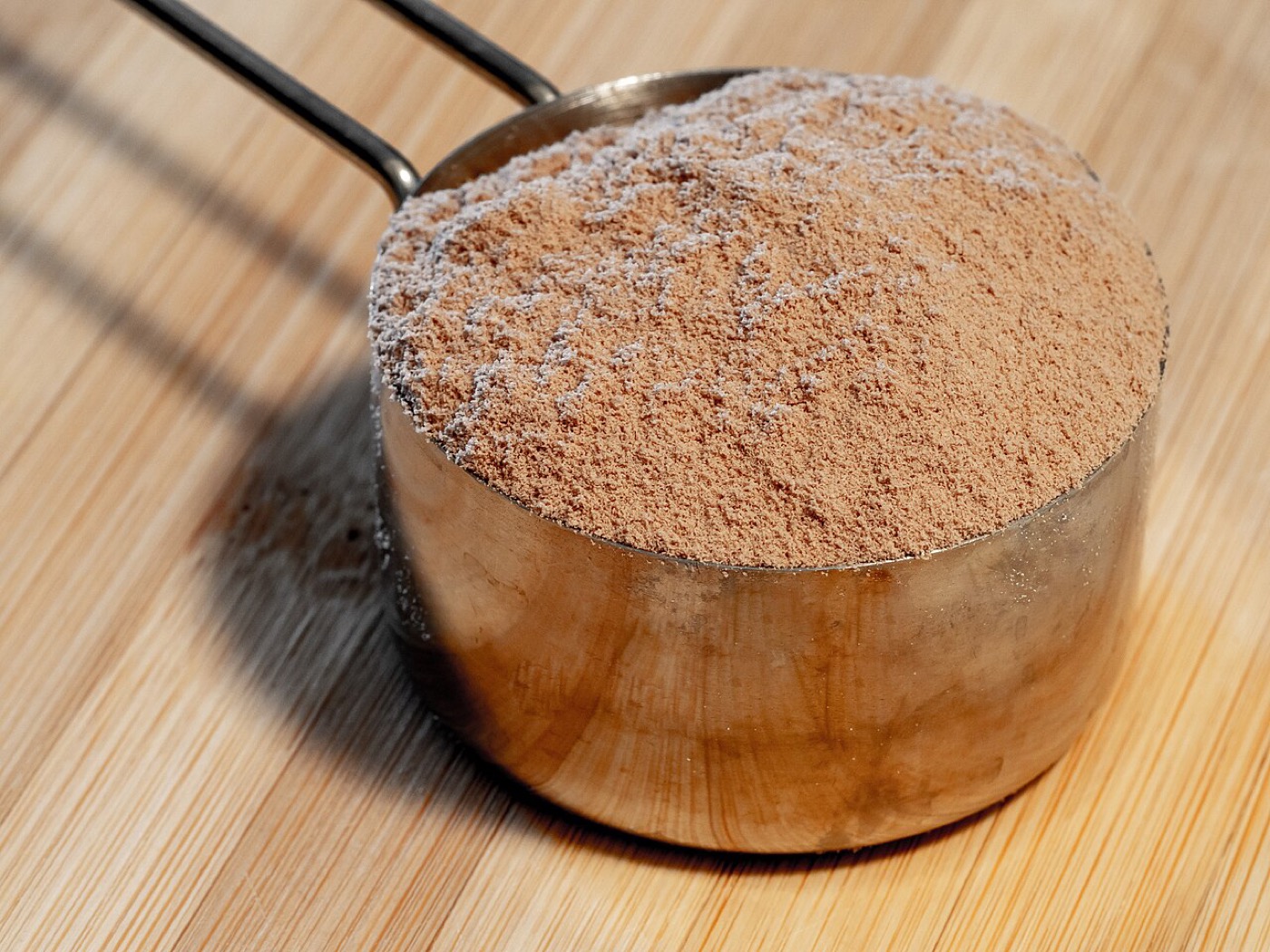
Whey Protein Isolate (WPI)
Bovine whey protein isolate at 90–92% protein on dry matter, made by cross-flow microfiltration or ion exchange — near lactose-free, low fat, and clear in acid beverages at pH 3–4.
Whey Protein Hydrolysate (WPH)
Bovine whey protein hydrolysate produced by controlled enzymatic cleavage of WPC or WPI — a defined peptide mixture with higher solubility, lower viscosity and reduced heat gelation.