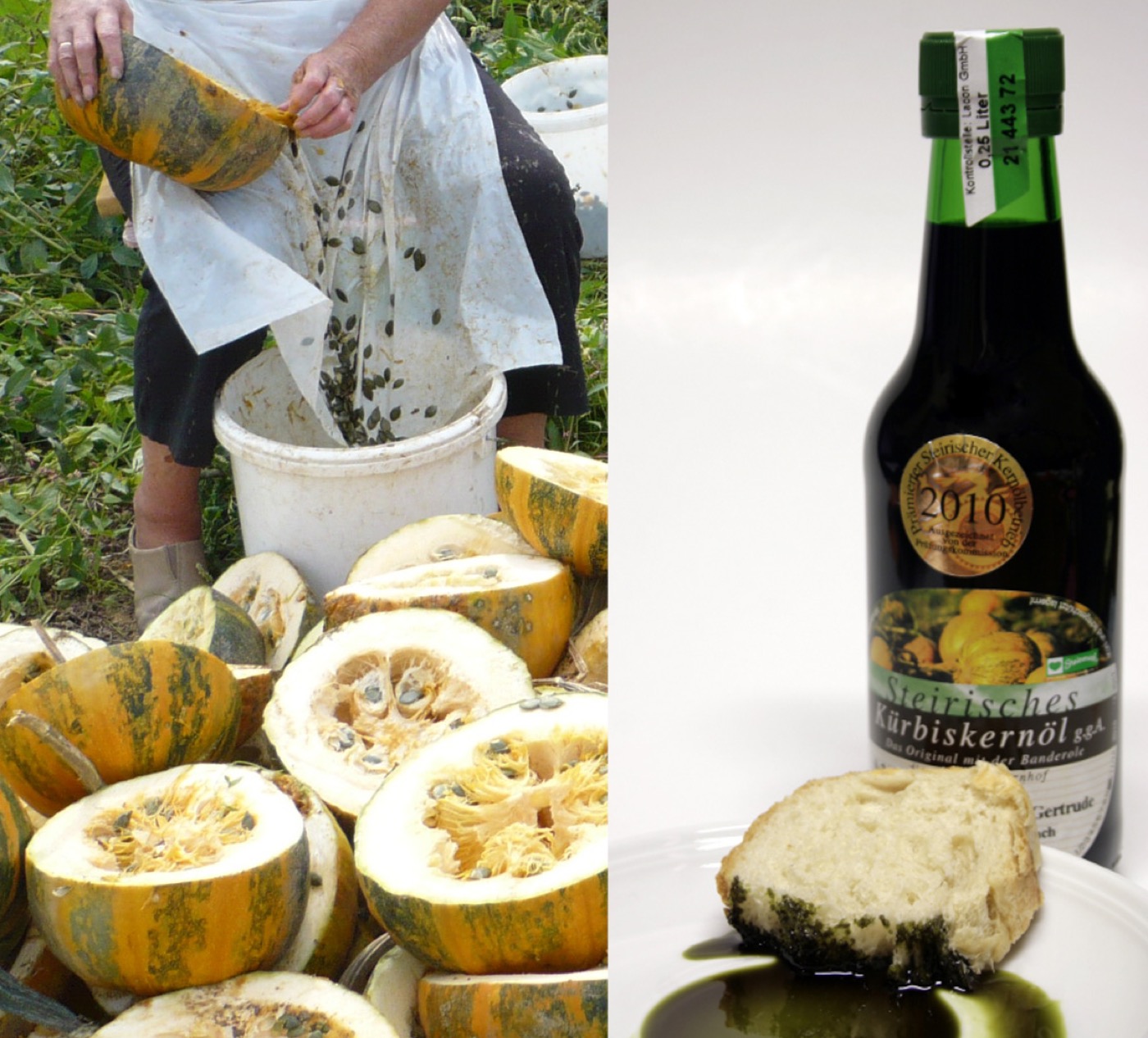
Pumpkin seed protein
Bulk pumpkin seed protein powder, 60% protein on a dry basis, milled from cold-pressed seed cake. Exceptionally arginine-rich, deep green, vegan, no declarable allergen.
Specifications
| Source | Hull-less pumpkin seed (Cucurbita pepo, including the Styrian hull-less oil pumpkin group); cold-pressed seed cake, milled and classified |
| Protein content (dry basis) | 60% minimum on the standard grade, typical commercial band 55-65%; premium concentrate at 65% and aqueous-extracted isolate at 75% and above. Declared N x 6.25 |
| Appearance | Free-flowing green to olive-green powder, mild nutty and faintly savoury. The colour comes from chlorophyll in the thin seed coat and is not economically removable |
| Solubility | Strongly pH dependent: nitrogen solubility index about 15-25% near the isoelectric point at pH 4.5-5.0, rising to 65-80% at pH 8-9. Acidic beverages will drop it out |
| Moisture | Not more than 7.0% |
| Fat | Not more than 10% on the cold-pressed grade; not more than 2% on the solvent-extracted grade. Choose the route with mouthfeel and shelf life in mind |
| Ash | Not more than 6.0% |
| Crude fibre | Not more than 5.0% |
| Particle size | 95% through 80 mesh as standard; 100 mesh available where a finer mouthfeel is required |
| Amino acid profile note | Arginine-rich - published pumpkin seed flour analyses report about 13.3 g per 100 g protein, commercial ranges 12.0-15.5; glutamic acid about 15.2, aspartic about 8.0 |
| Limiting amino acids | Lysine and the sulphur amino acids are low; lysine is reported near 2.4 g per 100 g protein, about half the FAO/WHO adult reference. Blend with lysine-rich pulse protein |
| Processing method | Hull-less seed cold-pressed for oil, cake milled then sieved or air-classified. Organic grades use cold press plus aqueous or CO2 extraction; hexane is not permitted |
| Allergen status | Pumpkin seed is not declarable under EU Reg. 1169/2011 Annex II, the US FASTER Act nine, or Codex, and is not a tree nut. Vegan, gluten-free, dairy-free, soy-free |
| HS code | 2306.90 (23069090) for the 60% press-cake standard grade; 2106.10 (21061000) for the 65% classified concentrate; 3504.00 is a live alternative for the 75%+ aqueous-extracted isolate |
| Shelf life | 24 months unopened, cool and dry |
Applications
Available grades
60% protein cold-pressed concentrate as standard, with a 65% premium concentrate and a 75%-plus aqueous-extracted isolate. Low-fat solvent-extracted grade under 2% fat, plus organic certified to NPOP, NOP and EU rules on request.
Related products
Whey Protein Concentrate (WPC)
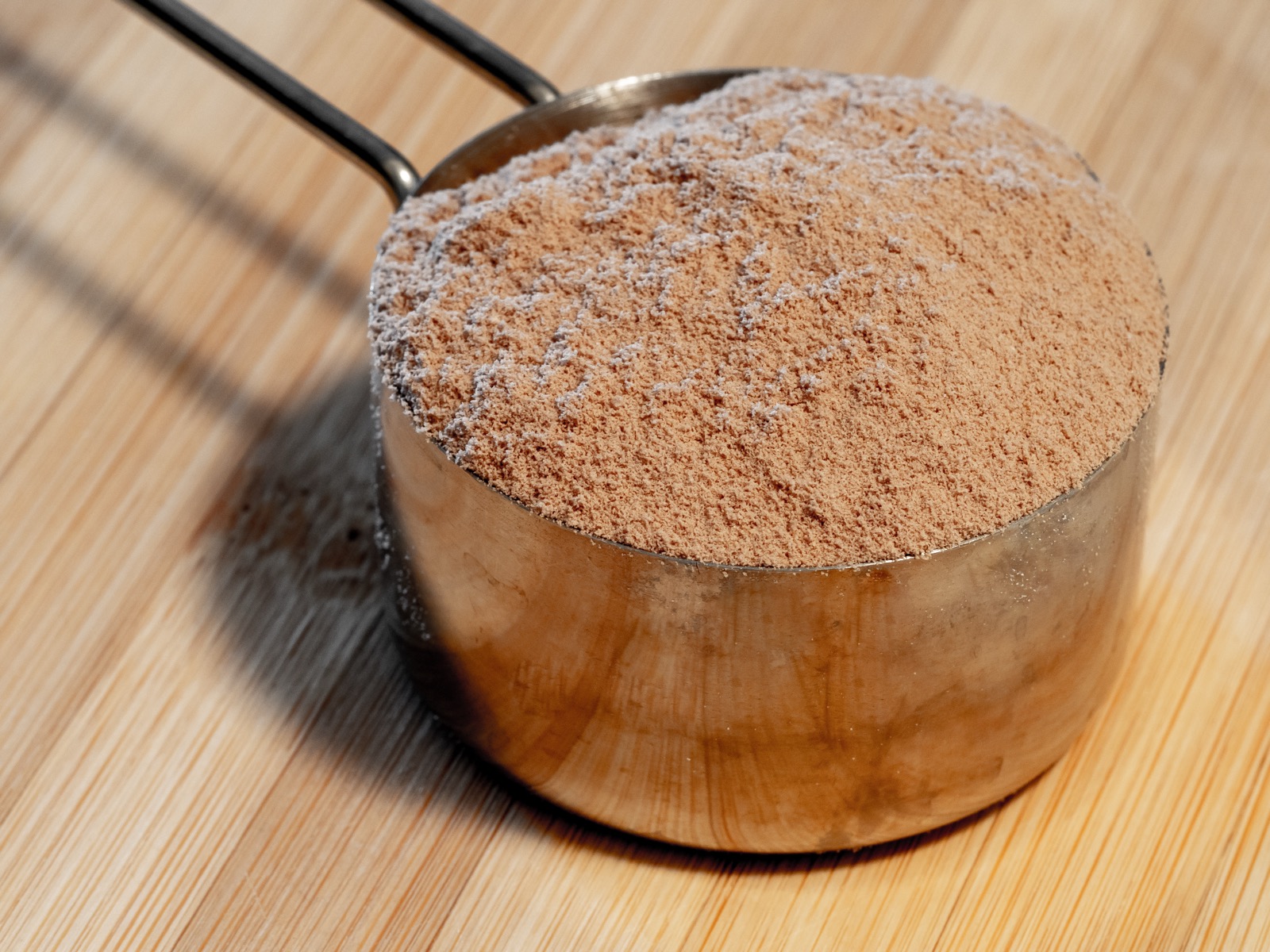
Spray-dried bovine whey protein concentrate in WPC 34 through WPC 80 grades, made to ADPI composition — bland clean flavour, high hydration rate, gelation and acid stability for beverage, bar and dairy work.
Whey Protein Isolate (WPI)
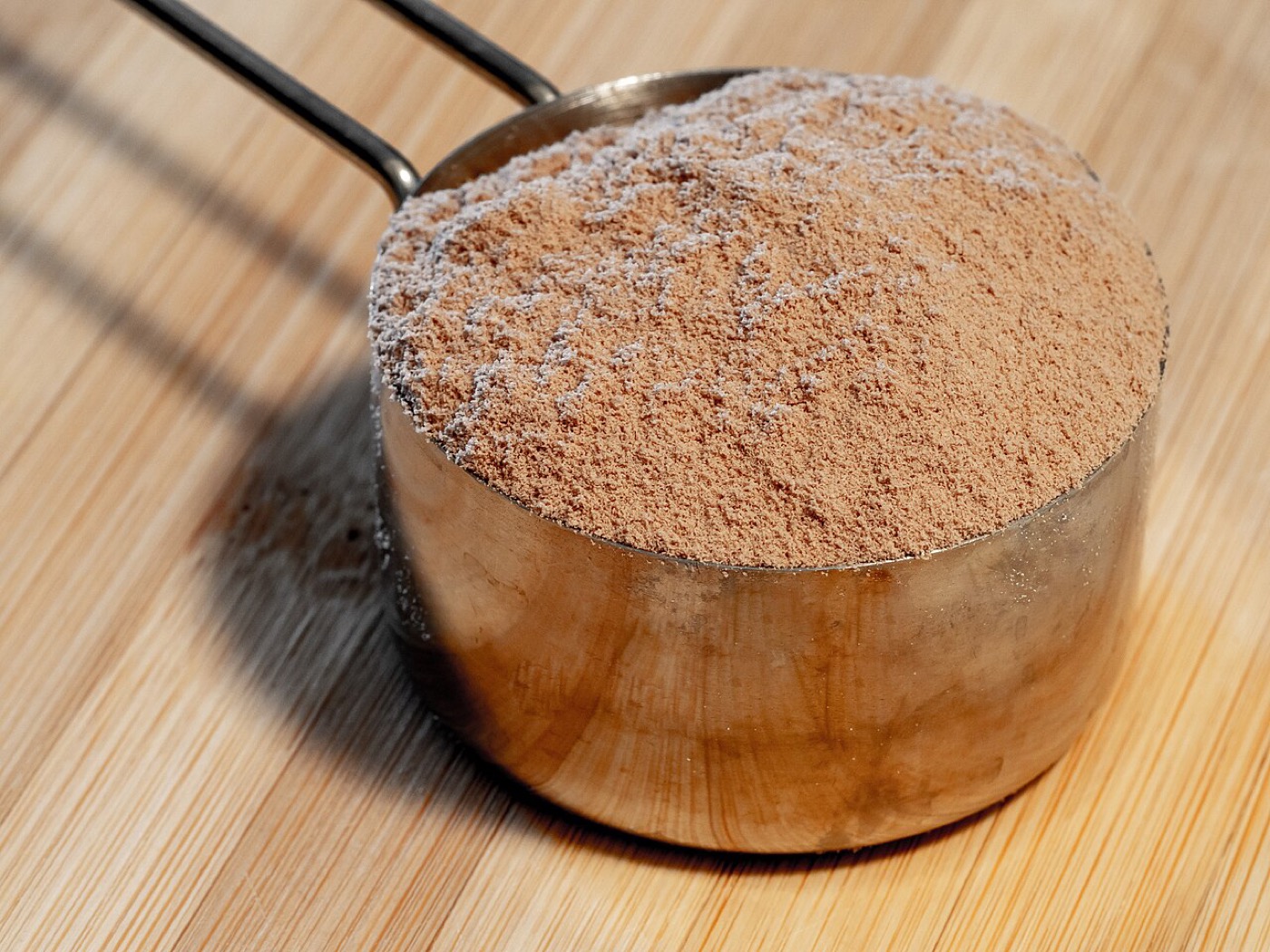
Bovine whey protein isolate at 90–92% protein on dry matter, made by cross-flow microfiltration or ion exchange — near lactose-free, low fat, and clear in acid beverages at pH 3–4.
Whey Protein Hydrolysate (WPH)
Bovine whey protein hydrolysate produced by controlled enzymatic cleavage of WPC or WPI — a defined peptide mixture with higher solubility, lower viscosity and reduced heat gelation.