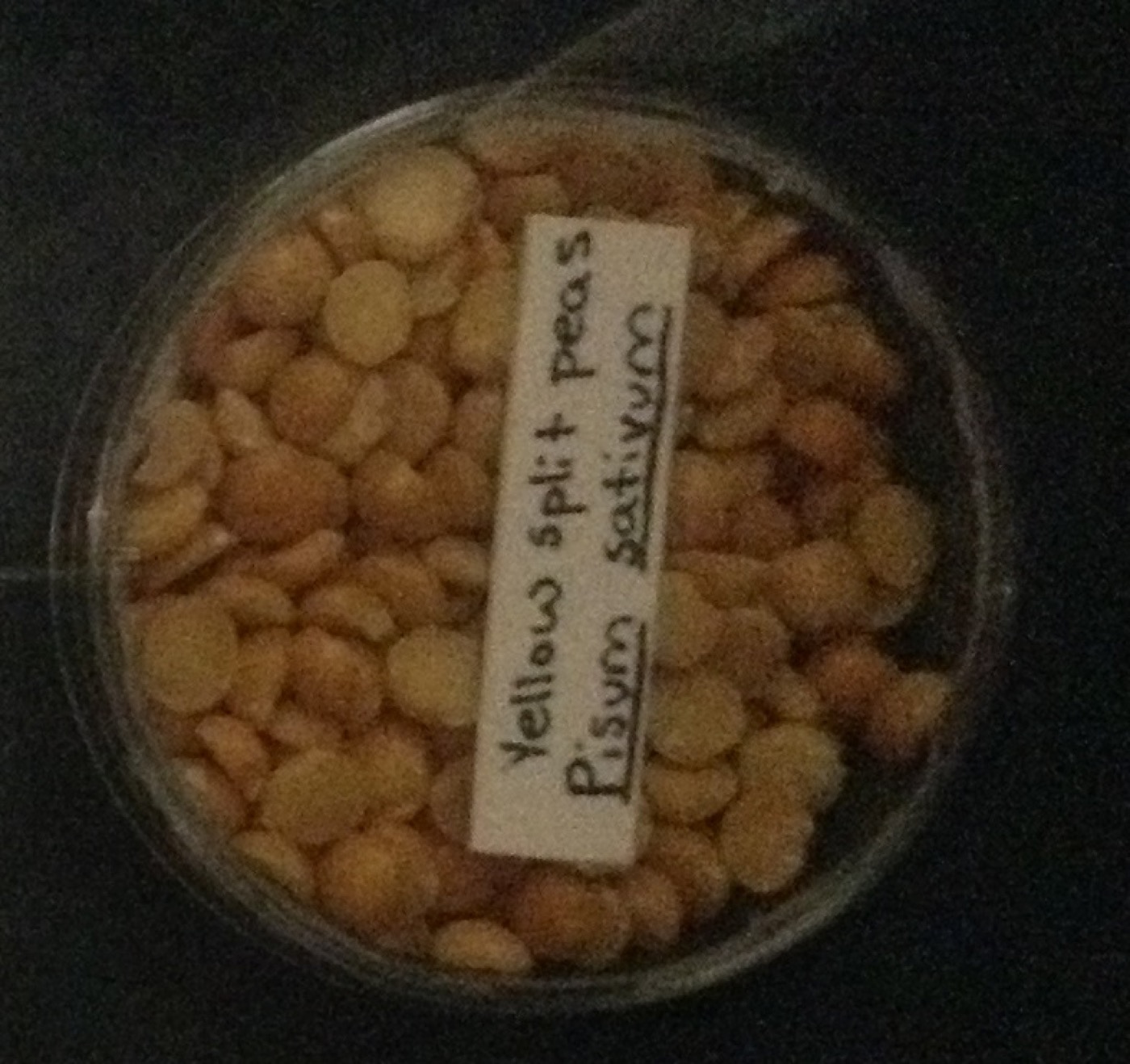
Pea protein isolate
Bulk yellow pea protein isolate, typically 80-85% protein as-is, spray-dried to a fine pale powder for shakes, bars, dairy alternatives and extruded formats. Non-GM by source.
Specifications
| Source | Dehulled yellow field pea (Pisum sativum L.), wet-fractionated from pea flour after separation of the starch and fibre streams. |
| Protein content (dry basis) | Commercial isolates average 80-85% crude protein (N x 6.25) as-is, equal to roughly 87-92% on a dry basis at 7-8% moisture. Specify the basis on contract. |
| Appearance | Fine, free-flowing pale yellow to light beige powder with a characteristic mild legume note. Colour varies slightly by cultivar and drying conditions. |
| Solubility | pH dependent: poorest near the isoelectric point pH 4.5, improving above pH 7. Wetting and dispersion vary with drying route and agglomeration. |
| Moisture | Typically 8.0% maximum. Published survey of ten commercial isolates found 7.5-8.2% moisture (91.8-94.1% dry matter). |
| Fat | Typically around 5% total fat. Higher than soy isolate because peas are not solvent-defatted; the main driver of oxidative flavour drift on long storage. |
| Ash | Typically 4.1-5.0%. Sodium level depends on the alkali used in extraction and neutralisation; ultrafiltration grades run differently. |
| Particle size | Standard spray-dried grind typically passes 100 mesh (150 micron). Agglomerated grades available where cold-water dispersibility matters. |
| Amino acid profile note | Globulin-rich: legumin, vicilin, convicilin 70-80%; albumins 10-20%. High lysine and arginine; methionine and cysteine limiting. PDCAAS ~0.89, DIAAS ~0.80. |
| Processing method | Aqueous extraction of dehulled pea flour, isoelectric precipitation near pH 4.5, curd washing, neutralisation, spray drying. Ultrafiltration grades also traded. |
| GMO status | No genetically modified field pea is in commercial cultivation, so pea protein is non-GM by source. Confirm against your own IP or certification scheme. |
| Allergen status | Pea is NOT a declared major allergen under FSSAI, US FALCPA or EU 1169/2011 Annex II. Cross-reactivity with peanut and lupin is documented; declare shared-line risk. |
| Shelf life | 24 months from manufacture in unopened original packaging, stored below 25 C and dry. Residual lipid makes cool storage more important than for soy isolate. |
| HS code | 3504.00 (35040099) |
Applications
Available grades
Standard spray-dried isolate for dry blends, bars and extrusion; agglomerated / instantised grade for shakes and cold-water dispersion; low-viscosity high-solubility grade for ready-to-drink and acidic beverage systems; deflavoured grade where the legume note limits inclusion. Textured pea protein and hydrolysed pea peptides are separate product lines with their own specifications and are not covered by this record. Organic, Kosher and Halal certification on request.
Related products
Whey Protein Concentrate (WPC)
Spray-dried bovine whey protein concentrate in WPC 34 through WPC 80 grades, made to ADPI composition — bland clean flavour, high hydration rate, gelation and acid stability for beverage, bar and dairy work.
Whey Protein Isolate (WPI)
Bovine whey protein isolate at 90–92% protein on dry matter, made by cross-flow microfiltration or ion exchange — near lactose-free, low fat, and clear in acid beverages at pH 3–4.
Whey Protein Hydrolysate (WPH)
Bovine whey protein hydrolysate produced by controlled enzymatic cleavage of WPC or WPI — a defined peptide mixture with higher solubility, lower viscosity and reduced heat gelation.