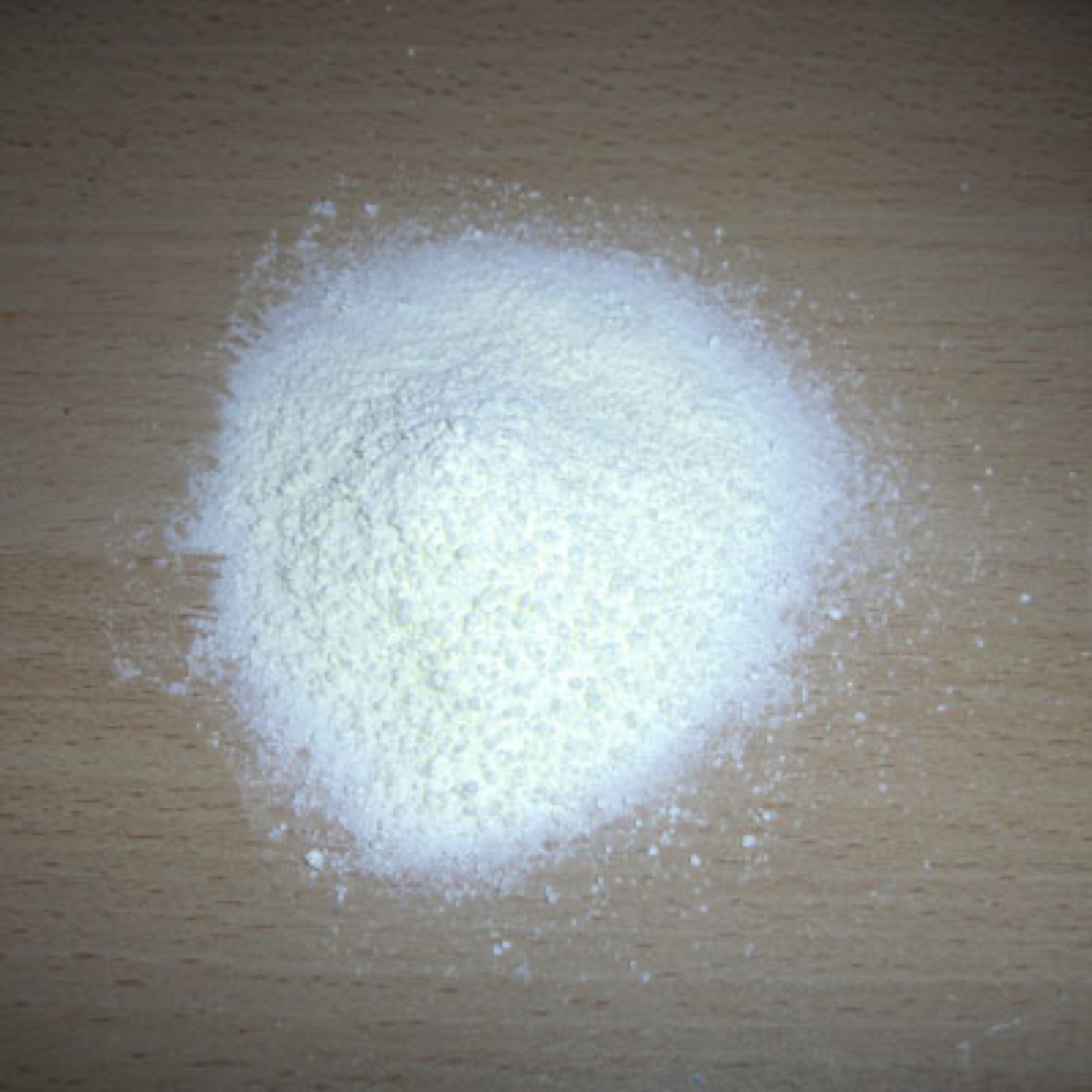
Meal replacement protein
Bulk meal replacement powder base built to the Codex CXS 181-1991 shape: 200-400 kcal per serving, 25-50% of energy from protein, fibre and a full vitamin-mineral premix. Dairy or vegan build.
Specifications
| Product type | Nutritionally complete dry blend - protein, carbohydrate, fat, dietary fibre and a vitamin-mineral premix in one matrix. Supplied as a base for the buyer to flavour and pack |
| Energy per serving | 200-400 kcal (835-1,670 kJ) per meal is the Codex CXS 181-1991 range for a single-meal replacement; 800-1,200 kcal a day where the product replaces the whole daily diet |
| Protein contribution | Codex CXS 181-1991 requires 25-50% of ready-to-serve energy from protein. At a 250 kcal serving that is 15.6-31.3 g; commercial builds usually sit at 20-25 g per serving |
| Fat limit | Not more than 30% of available energy from fat, including not less than 3% of available energy from linoleic acid in glyceride form, per Codex CXS 181-1991 |
| Vitamin and mineral premix | A single-meal replacement carries at least 33% of the specified Codex daily vitamin and mineral amounts at three servings a day, or at least 25% at four servings a day |
| Protein system | Dairy build uses milk protein concentrate, calcium caseinate and whey concentrate or isolate; vegan build uses pea with rice or another pulse protein in complementary ratio |
| Carbohydrate and fibre | Maltodextrin, oat flour or resistant dextrin as the base, with inulin, FOS or soluble corn fibre for the fibre figure. Sweetened with sucralose, ace-K or steviol glycosides |
| Appearance and solubility | Free-flowing powder, off-white to cream before flavouring. Instantised with lecithin; disperses in cold water or milk with a hand shaker and holds a stable suspension |
| Moisture | Not more than 5.0%. The premix is the moisture-sensitive part of the blend, so pack barrier integrity governs the declared vitamin figures more than the blend itself does |
| Microbiology (typical) | Total plate count max 10,000 cfu/g; yeast and mould max 100 cfu/g; E. coli, Salmonella and Staph. aureus absent in the stated sample size. Limits fixed per contract |
| Allergen status | Dairy build declares MILK; soy protein or soy lecithin declares SOY; oat flour or oat fibre declares GLUTEN. No egg, fish, crustacean, peanut or tree nut in the standard build |
| Origin and dietary status | Dairy build is bovine and vegetarian, not vegan. No porcine, gelatin or marine material. Fully vegan build available. Halal and kosher certification on request |
| HS code | 21069099 as the working code for a complete fortified powder; 21061000 only where protein genuinely dominates; heading 1901 where the base is milk solids or malt extract |
| Shelf life | 18 months unopened in the original sealed pack, below 25 C and below 60% relative humidity. Micronutrient figures hold against the agreed overage, not beyond it |
Applications
Available grades
Dairy standard grade as the base, with a fully vegan pea-and-rice grade, a lactose-reduced whey-isolate grade and an unflavoured neutral base for buyers who flavour in-house. High-fibre and no-added-sugar builds, single-meal premix strength or total-diet-replacement premix strength, and organic certification to NPOP, NOP and EU rules on request.
Related products
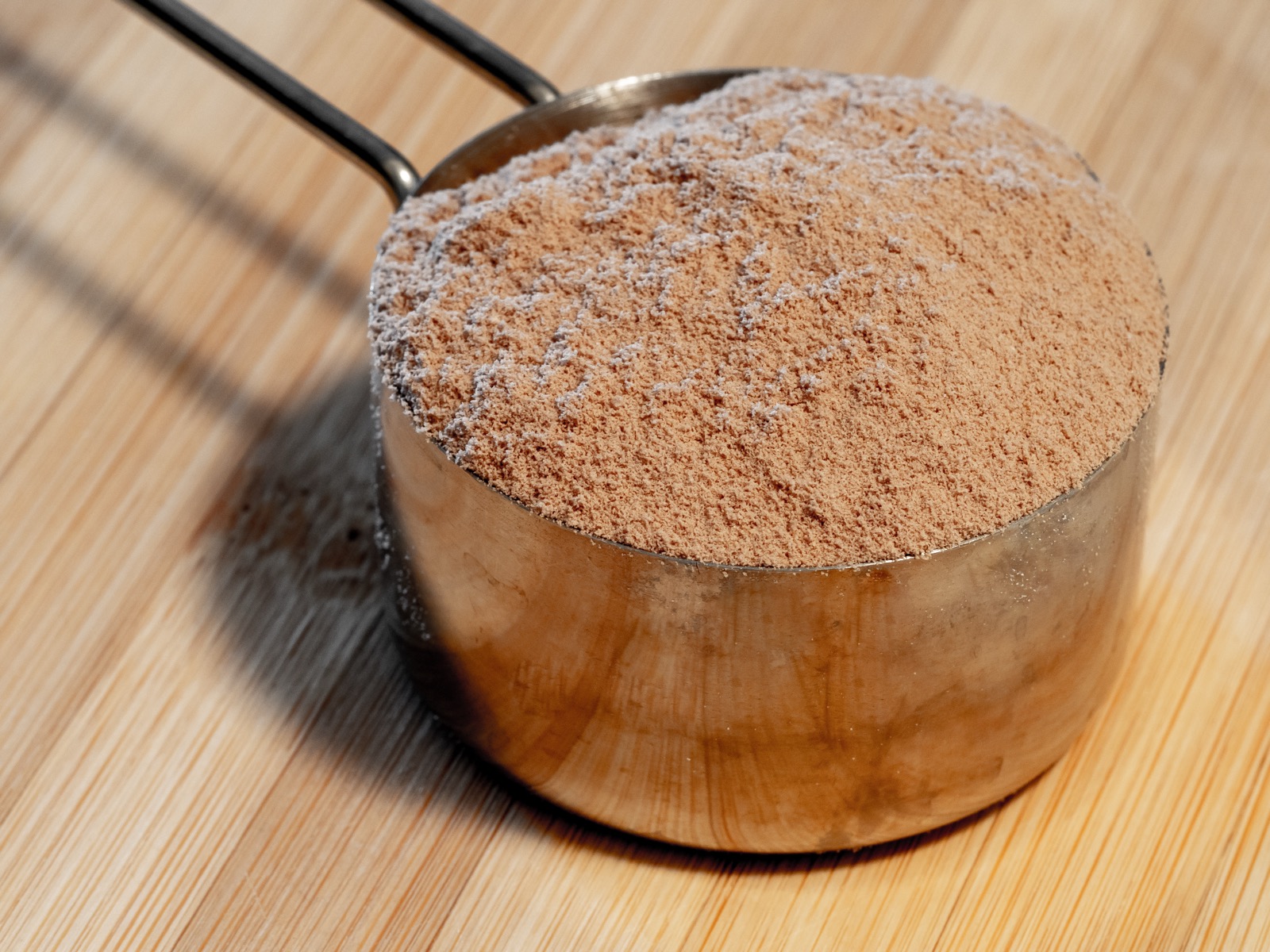
Whey Protein Concentrate (WPC)
Spray-dried bovine whey protein concentrate in WPC 34 through WPC 80 grades, made to ADPI composition — bland clean flavour, high hydration rate, gelation and acid stability for beverage, bar and dairy work.
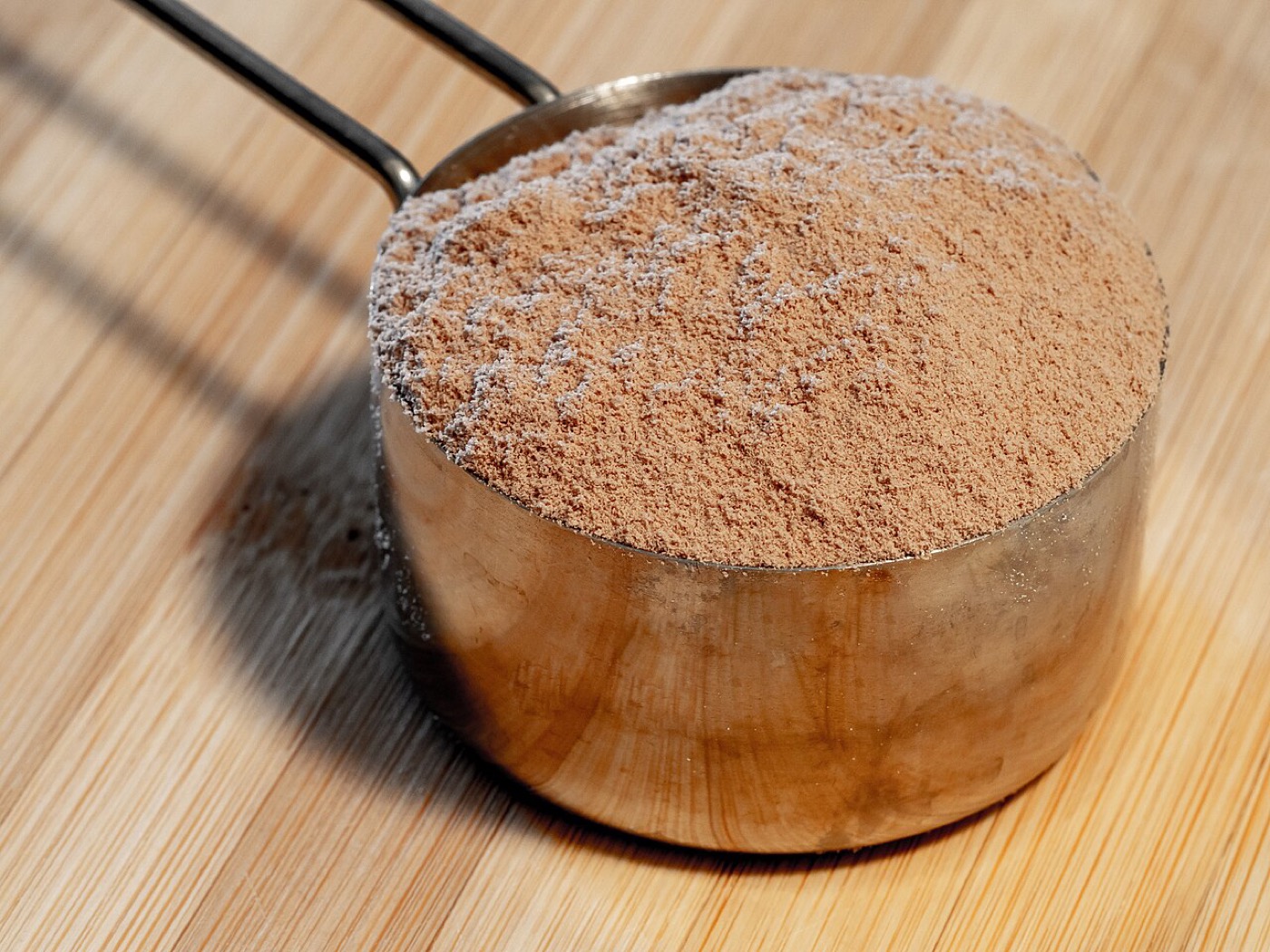
Whey Protein Isolate (WPI)
Bovine whey protein isolate at 90–92% protein on dry matter, made by cross-flow microfiltration or ion exchange — near lactose-free, low fat, and clear in acid beverages at pH 3–4.
Whey Protein Hydrolysate (WPH)
Bovine whey protein hydrolysate produced by controlled enzymatic cleavage of WPC or WPI — a defined peptide mixture with higher solubility, lower viscosity and reduced heat gelation.