Marine collagen peptides
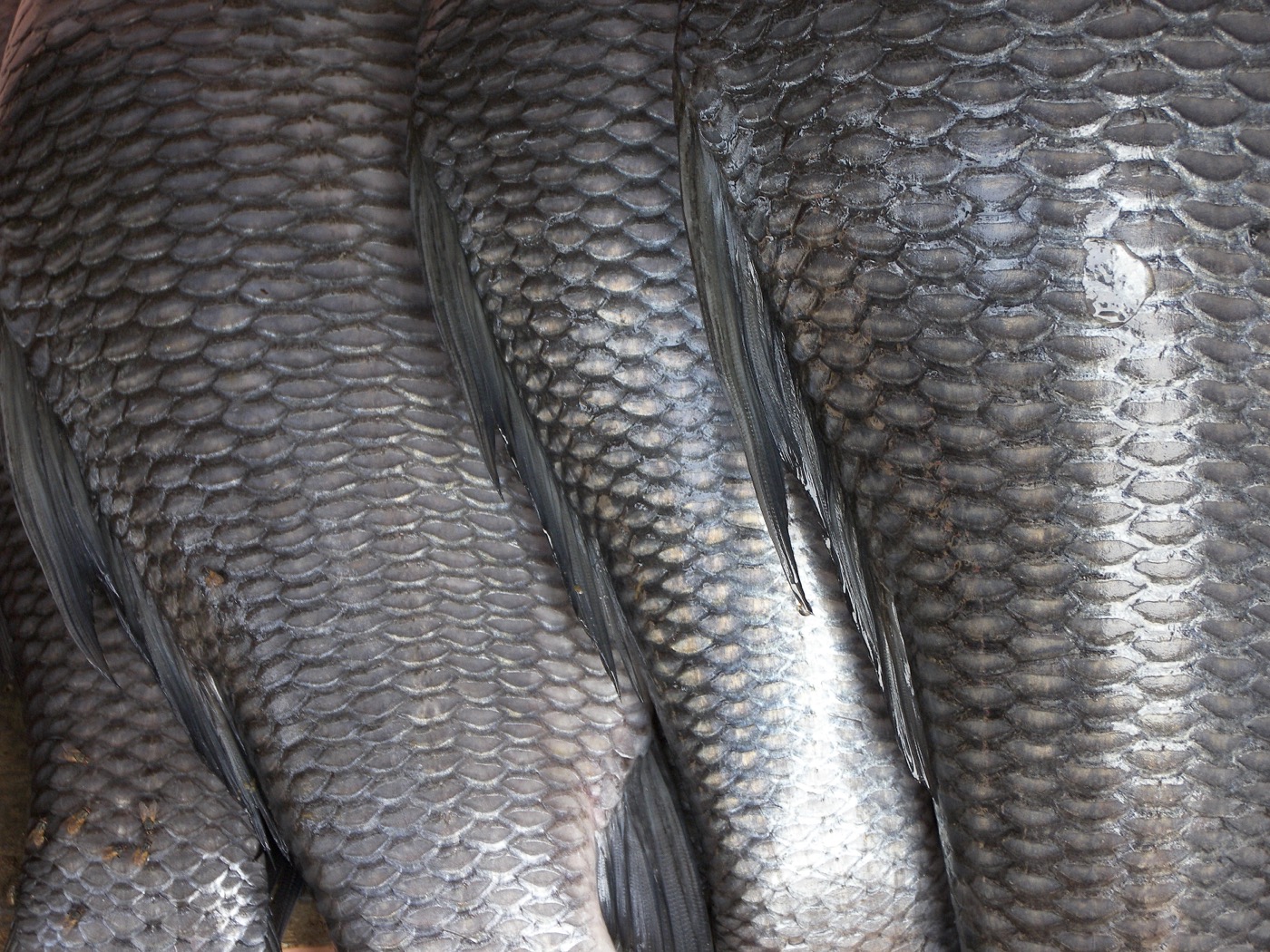
Type I collagen peptides hydrolysed from fish skin and scales, >94% protein on dry matter, 1,000–3,000 Da. No bovine or porcine input, but fish is a declarable allergen in the EU and USA.
Specifications
| Identity | Hydrolysed fish collagen (marine collagen peptides), Type I. CAS 92113-31-0, collagen hydrolysates. Also traded as hydrolysed fish gelatin. |
| Raw material and origin | Fish skin and scales from filleting and surimi by-product streams; tilapia, pangasius, rohu and marine finfish. Species named on every CoA. |
| Protein (assay) | Above 94% on dry matter, Kjeldahl nitrogen x 5.55. Grades at 90% and 95% minimum are also produced. |
| Average molecular weight | 1,000–3,000 Da by the 10% viscosity method, with sub-1,000 Da peptide grades available. Fish grades are typically cut lower than bovine. |
| Appearance, odour and taste | Free-flowing white to pale-yellow powder or granulate. Specify a deodorised grade where a residual fish note would carry into an unflavoured product. |
| Solubility and viscosity | Fully soluble cold or hot, zero Bloom, non-gelling. Viscosity 2.0 +/- 0.5 mPa·s at 10%; turbidity below 50 FTU. |
| Moisture, ash and pH | Loss on drying below 8.0% (granulate below 10.0%); ash below 2.0%; pH of a 10% solution 5.0–6.5. |
| Heavy metals | Arsenic <1 ppm; lead <5 ppm; cadmium <0.5 ppm; mercury <0.15 ppm; chromium <10 ppm; copper <30 ppm; zinc <30 ppm. Mercury tested every lot. |
| Process residues | Sulphites as SO2 below 10 ppm; peroxides as H2O2 below 10 ppm. No preservative or bleaching agent added. |
| Microbiology | TPC <1,000 cfu/g; yeast and mould <100 cfu/g; sulphite-reducing anaerobic spores <10 cfu/g; E. coli negative in 10 g; Salmonella negative in 25 g. |
| Composition note | Hydroxyproline lower than bovine collagen, around 39 residues per 1,000 in cod skin; tryptophan absent, so not a complete protein on its own. |
| Allergen and dietary status | FISH, declarable under EU 1169/2011 Annex II and US FALCPA; the fish-gelatine carve-outs do not apply. No bovine or porcine. Free from crustacean, mollusc, milk, soy, gluten. |
| Shelf life and storage | 36 months from manufacture in sealed original packing below 25 C and 60% RH. Keep dry and away from strong odours. |
| HS code (India ITC-HS) | 35040010, peptones including collagen peptides of marine origin. GST 18%. Final classification rests with the importing customs authority. |
Applications
Available grades
Food grade powder and instant granulate; deodorised low-odour grade; 2,000 Da standard and sub-1,000 Da peptide cuts; halal certified; kosher pareve from finned and scaled species on approval; non-GMO.
Related products
Whey Protein Concentrate (WPC)
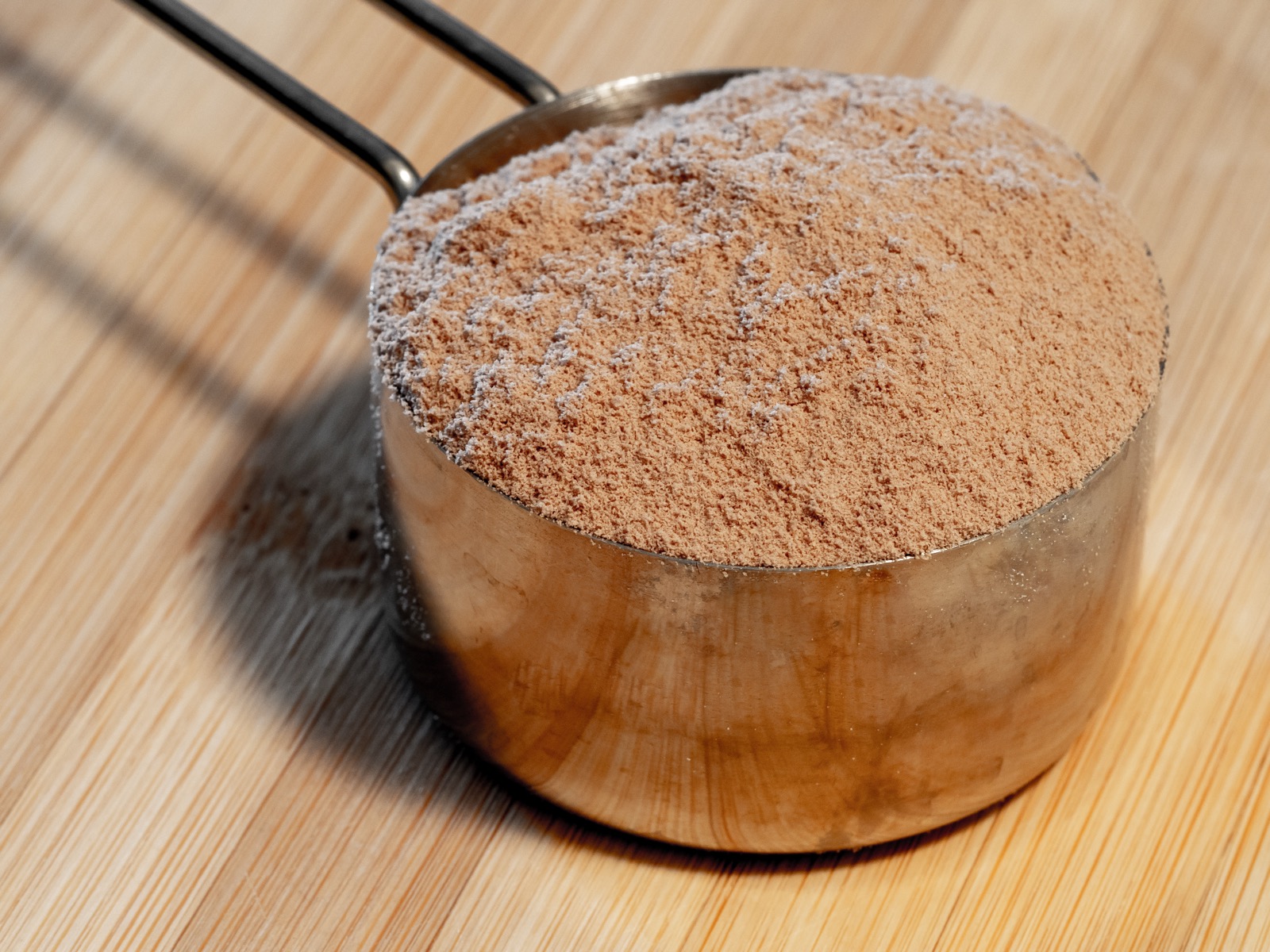
Spray-dried bovine whey protein concentrate in WPC 34 through WPC 80 grades, made to ADPI composition — bland clean flavour, high hydration rate, gelation and acid stability for beverage, bar and dairy work.
Whey Protein Isolate (WPI)
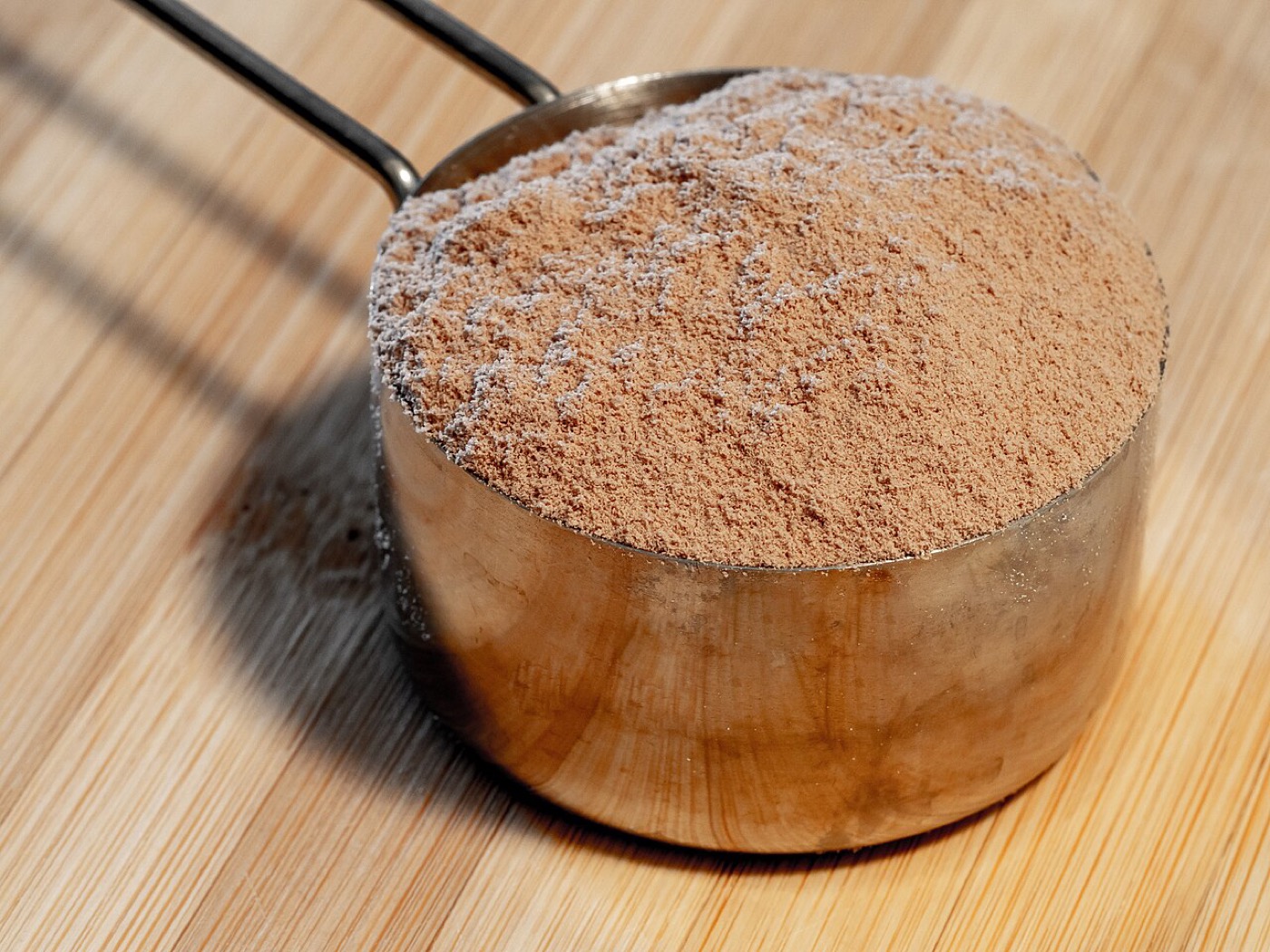
Bovine whey protein isolate at 90–92% protein on dry matter, made by cross-flow microfiltration or ion exchange — near lactose-free, low fat, and clear in acid beverages at pH 3–4.
Whey Protein Hydrolysate (WPH)
Bovine whey protein hydrolysate produced by controlled enzymatic cleavage of WPC or WPI — a defined peptide mixture with higher solubility, lower viscosity and reduced heat gelation.