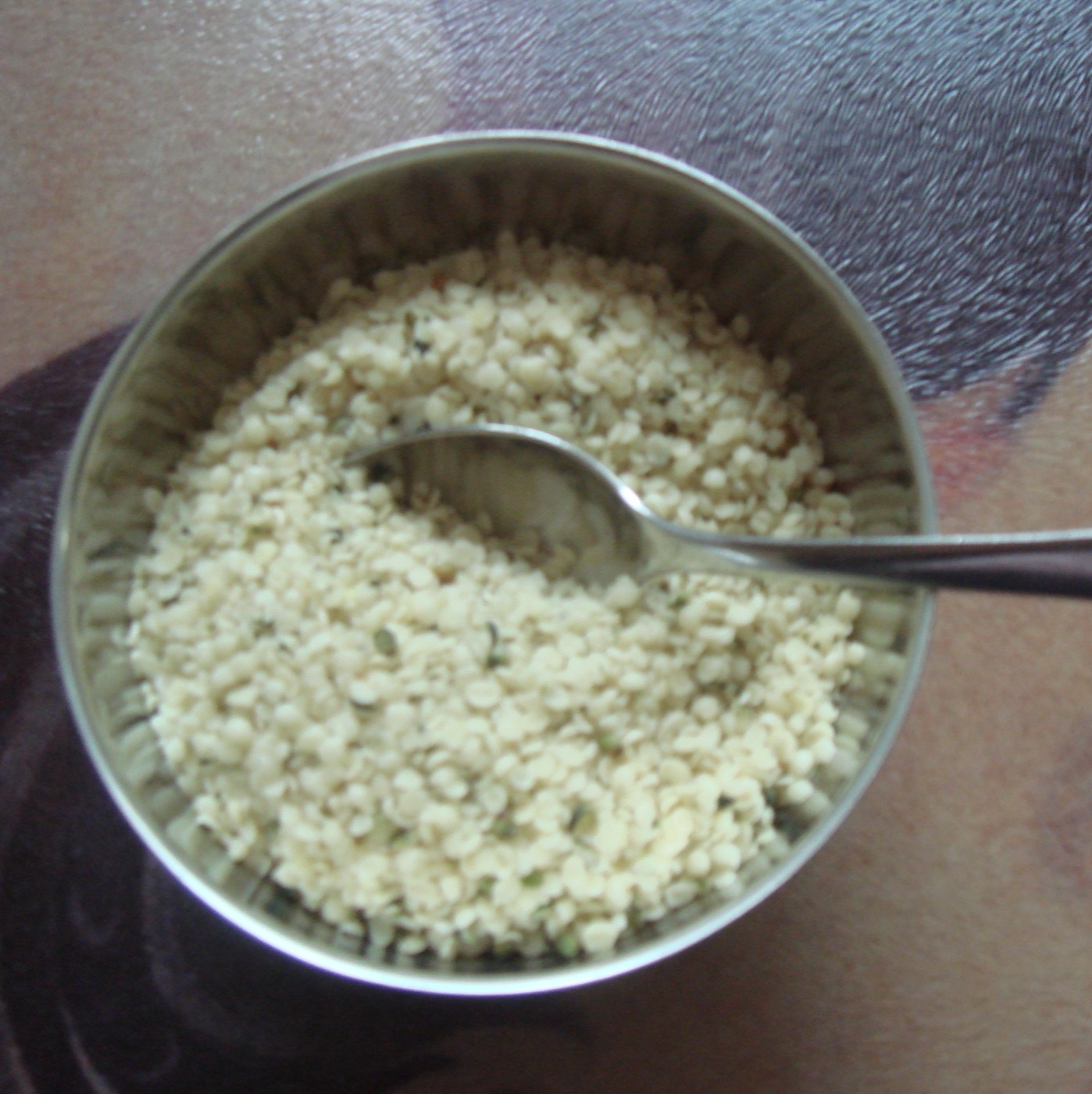
Hemp protein
Bulk hemp seed protein powder, 50% protein on a dry basis, milled from cold-pressed hemp seed cake. Vegan, no declarable allergen. FSSAI THC and CBD limits verified per lot.
Specifications
| Source | Dehulled hemp seed (Cannabis sativa L.); cold-pressed seed cake, milled and air-classified. Cultivation under the NDPS Act, 1985 |
| Protein content (dry basis) | 50% minimum on the standard grade; 60% and 70% grades from tighter air classification. Declared N x 6.25 |
| Appearance | Free-flowing green-brown powder with a nutty, faintly grassy aroma. The green cast comes from chlorophyll carried in the hull-adjacent fraction |
| Solubility | Low in plain water at neutral pH. Edestin is a salt-soluble 11S globulin, so dispersibility improves markedly in slightly alkaline or salted systems |
| Moisture | Not more than 8.0% |
| Fat | 8-12% on the cold-pressed 50% grade - the press cake itself retains around 11.7% fat. Lower-fat material is available on the 60% and 70% lines |
| Ash | Not more than 8.0% |
| Crude fibre | 12-18% on the 50% grade. Unclassified hemp press cake holds about 18% fibre, and the sieving step is what trades fibre down for protein up |
| Particle size | 95% through 60 mesh as standard; 80 mesh and 100 mesh available where a smoother mouthfeel is needed |
| Protein composition | Edestin (11S globulin) about 60-80% of hemp seed protein, 2S albumin about 13%, 7S vicilin-like protein about 5% |
| Amino acid profile note | All nine essential amino acids present; lysine is the limiting amino acid, as in most seed and cereal proteins. Pairs well with lysine-rich pulse proteins |
| THC and CBD (FSSAI) | Total THC not above 5.0 mg/kg in hemp seed foods and 0.2 mg/kg in hemp seed beverages; CBD not above 75 mg/kg. FSS Fifth Amendment Regulations 2021, gazetted 15 Nov 2021 |
| Allergen status | Hemp seed is not declarable under EU Reg. 1169/2011 Annex II, the US FASTER Act nine, or Codex. Vegan, gluten-free, dairy-free, soy-free; line cross-contact declared separately |
| Shelf life | 18 months unopened, cool and dry. Shorter than a defatted isolate because the residual oil is polyunsaturate-rich; check peroxide value on arrival |
| HS code | 2306.90 (23069090) for the standard milled press-cake grade; 2106.10 (21061000) only for genuinely air-classified 60%/70% concentrate |
Applications
Available grades
50% protein as standard, with 60% and 70% air-classified grades. Organic certified to NPOP, NOP and EU rules on request. Low-microbial heat-treated grade and feed grade available; every food grade ships with a cannabinoid certificate.
Related products
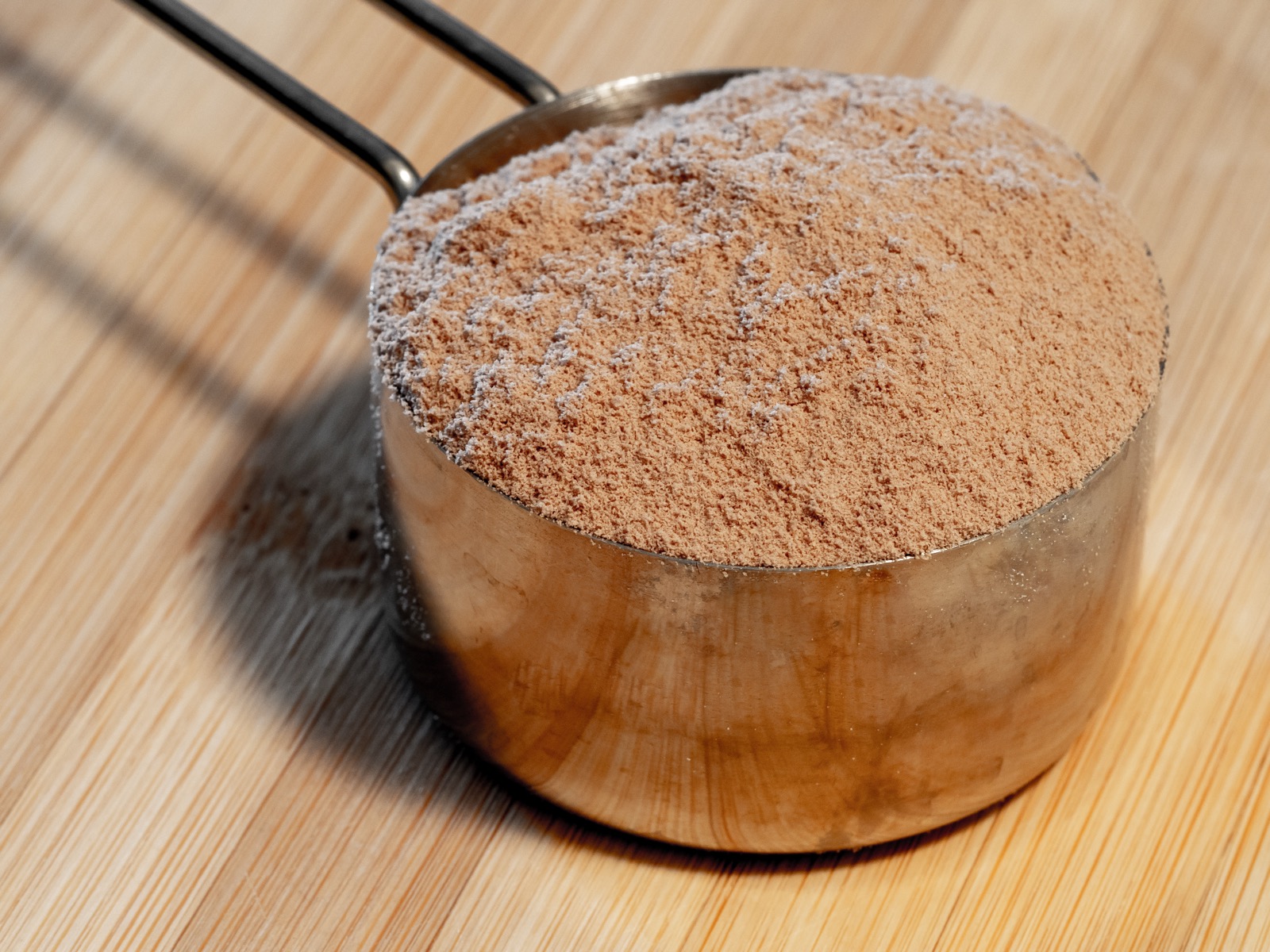
Whey Protein Concentrate (WPC)
Spray-dried bovine whey protein concentrate in WPC 34 through WPC 80 grades, made to ADPI composition — bland clean flavour, high hydration rate, gelation and acid stability for beverage, bar and dairy work.
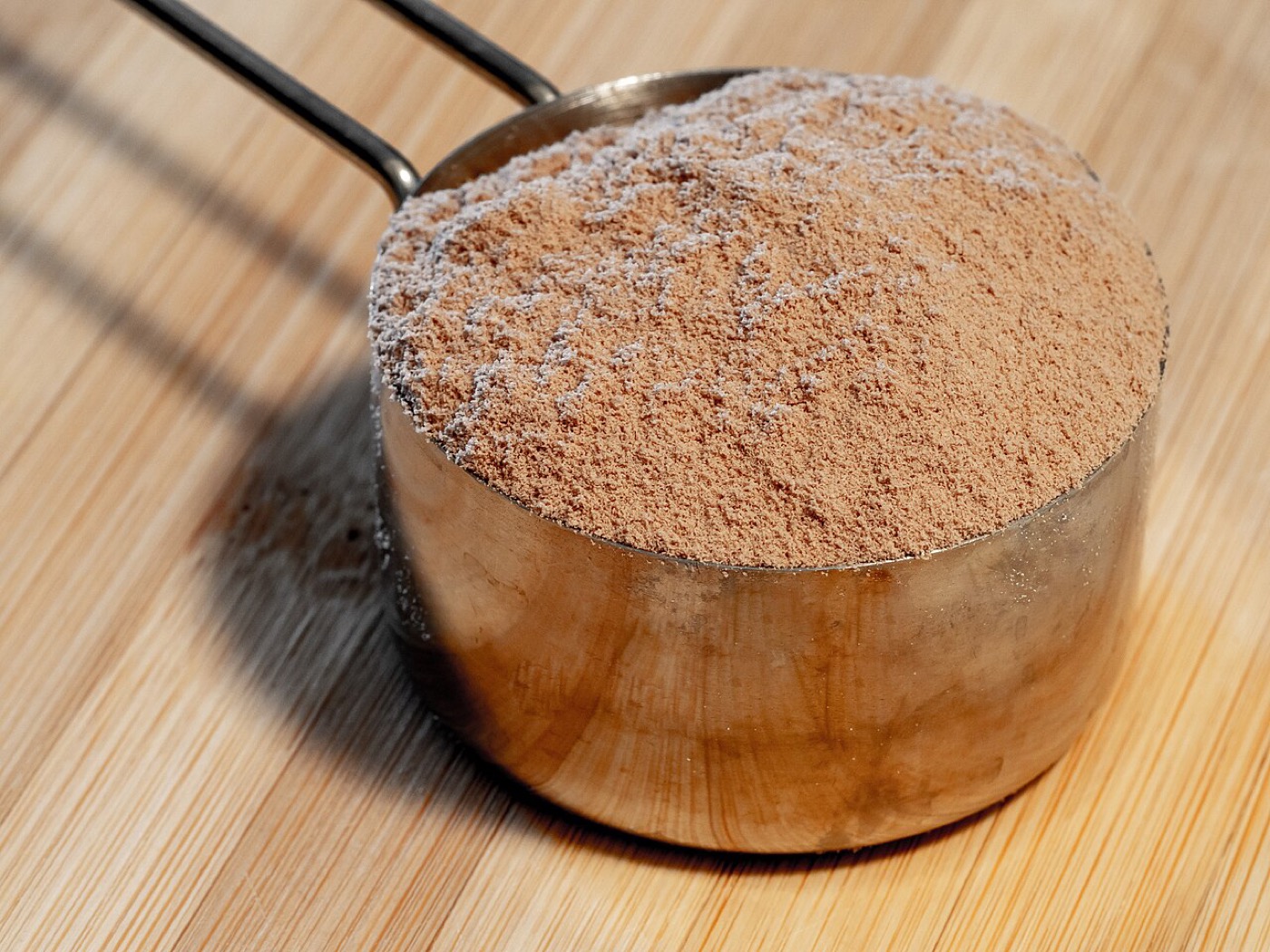
Whey Protein Isolate (WPI)
Bovine whey protein isolate at 90–92% protein on dry matter, made by cross-flow microfiltration or ion exchange — near lactose-free, low fat, and clear in acid beverages at pH 3–4.
Whey Protein Hydrolysate (WPH)
Bovine whey protein hydrolysate produced by controlled enzymatic cleavage of WPC or WPI — a defined peptide mixture with higher solubility, lower viscosity and reduced heat gelation.