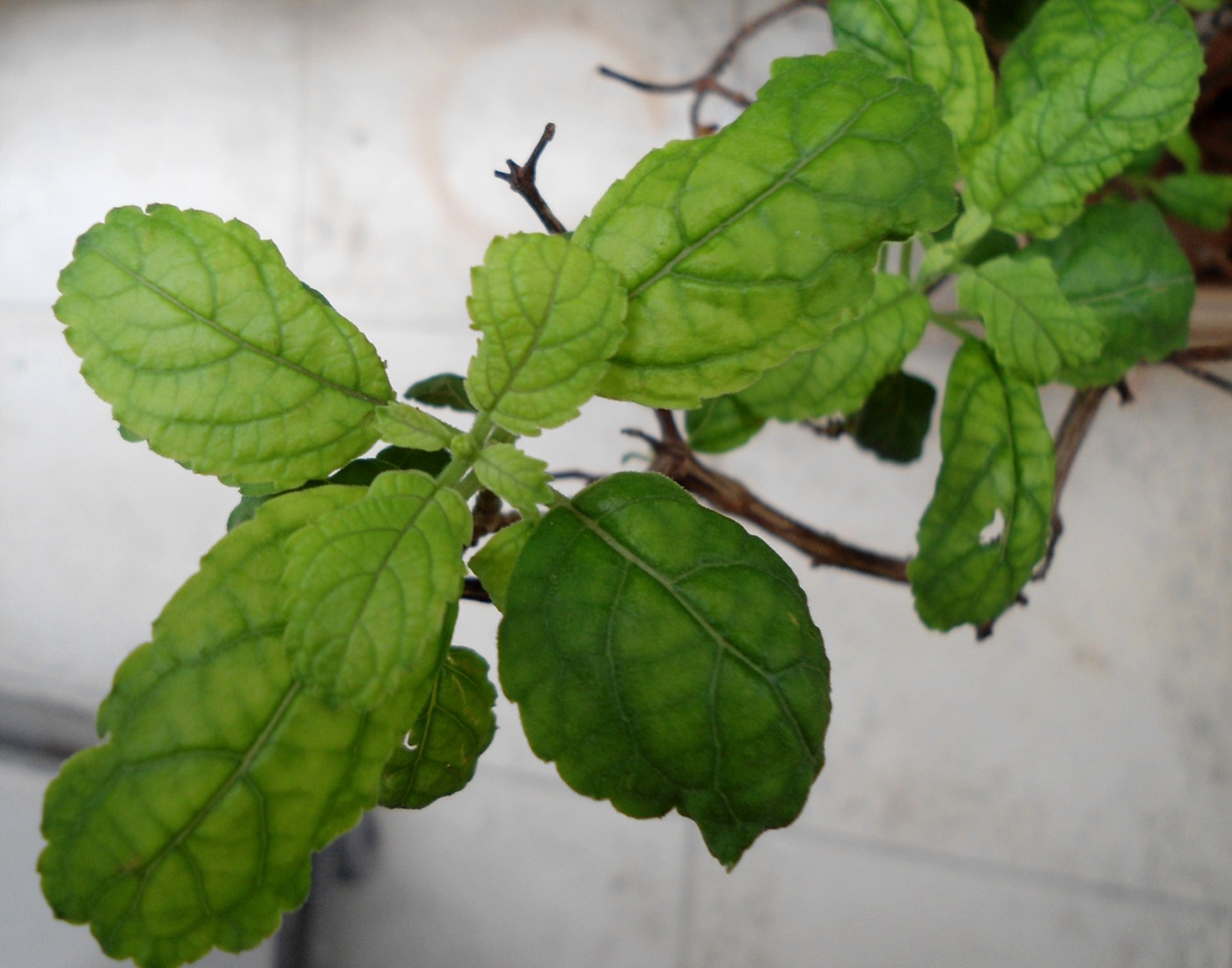
Kadha Herbal Immunity Mix
Coarse herbal decoction powder on the Ayush Kwath 4:2:2:1 base of tulsi, cinnamon, dry ginger and black pepper, steam-treated and packed as bulk, jars or single-serve sachets. Vegan and gluten-free.
Specifications
| Product format | Coarse herbal powder for hot-water decoction, not an extract and not a dosage form. Packed as bulk, retail jars or single-serve sachets; brewed and strained by the consumer |
| Base composition | Ayush Kwath ratio 4:2:2:1 by weight: Ocimum tenuiflorum leaf 4, Cinnamomum zeylanicum bark 2, Zingiber officinale rhizome 2, Piper nigrum fruit 1. No carrier as standard |
| Optional additions | Mulethi (Glycyrrhiza glabra), giloy (Tinospora cordifolia), pippali (Piper longum), laung (Syzygium aromaticum), elaichi (Elettaria cardamomum), ajwain and lemongrass to formula |
| Marker compounds | Piperine CAS 94-62-2; 6-gingerol CAS 23513-14-6; cinnamaldehyde CAS 104-55-2, C9H8O, MW 132.16; eugenol CAS 97-53-0 where clove is used. HPLC or GC per lot on request |
| Glycyrrhizin control | Where mulethi is included, glycyrrhizin (CAS 1405-86-3) is assayed and declared per serving. The EU Scientific Committee on Food takes 100 mg/day as a reasonable upper intake |
| Pharmacopoeial quality | Each botanical released to its Ayurvedic Pharmacopoeia of India monograph: identity, foreign matter, loss on drying, total and acid-insoluble ash, water- and alcohol-soluble extractives |
| Particle size and brewing | Coarse 40 to 80 mesh cut for decoction. Reference serving on the Ayush Kwath advisory is 3 g in 150 mL hot water; instant spray-dried granules are a separate article |
| Appearance and solubility | Greenish-brown to light brown coarse powder with a warm, sweet-pungent aroma. Not water-soluble: the botanicals are infused or boiled and the spent marc is strained off |
| Sterilisation | Steam or saturated-steam treatment as standard. Ethylene oxide is not used on any lot, EO residues being a leading cause of EU and UK rejection of Indian herbal consignments |
| Mycotoxins | EU Regulation 2023/915 covers mixtures of dried spices containing pepper, turmeric or ginger: aflatoxin B1 NMT 5.0 ug/kg, total aflatoxins NMT 10.0 ug/kg, verified per lot |
| Allergen and diet status | Vegan and vegetarian, wholly plant-derived, non-GMO and gluten-free. No milk, egg, soy, fish, crustacean, nut or sesame input; shared-line cross-contact statement issued per plant |
| Contaminants and microbiology | Lead NMT 3.0, arsenic NMT 1.0, cadmium NMT 1.0, mercury NMT 0.1 ppm; pesticides to EU MRLs. TPC NMT 50,000 cfu/g, yeast and mould NMT 1,000 cfu/g, pathogens absent |
| Shelf life and storage | 24 months in sealed, light-protected packing below 25 C at under 60% RH. Volatile aroma actives fade with heat and air; nitrogen flushing available for sachets and jars |
| HS code | 21069099 (India ITC-HS) for the food-grade mixed article. An all-Chapter-9 spice build is 09109100 and an AYUSH-licensed medicament is 30049011. Importing customs authority decides |
Applications
Available grades
Four-herb Ayush Kwath base at 4:2:2:1; extended seven to twelve herb builds to the buyer's formula; unsweetened as standard, with jaggery, cane sugar, stevia or sucralose versions on separate specification; instant spray-dried granulated kadha carried on maltodextrin for cold-fill and stick packs; extract-fortified versions where a marker figure has to be guaranteed; tea-bag cut and coarse decoction cut; caffeine-free by default, with black tea or lemongrass versions to order. Organic (NOP/EU), kosher and halal certified lots. Steam-sterilised as standard, never ethylene oxide treated.
Related products
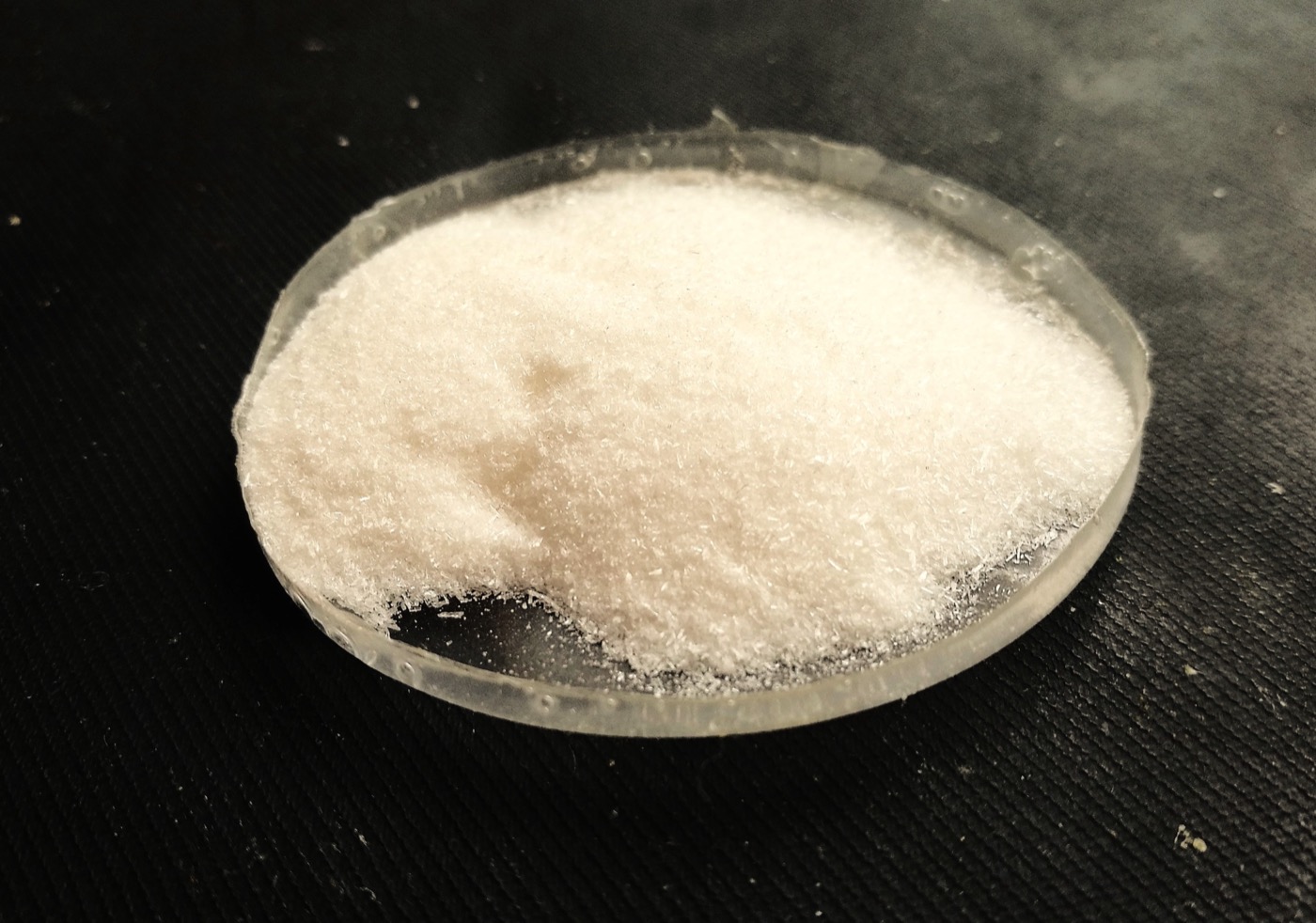
Vitamin C + Zinc Effervescent Tablets
Finished-dose immunity tablets pairing L-ascorbic acid (CAS 50-81-7) with zinc citrate, gluconate, sulphate or bisglycinate. Effervescent or compressed, built in India to your dose, flavour and market.
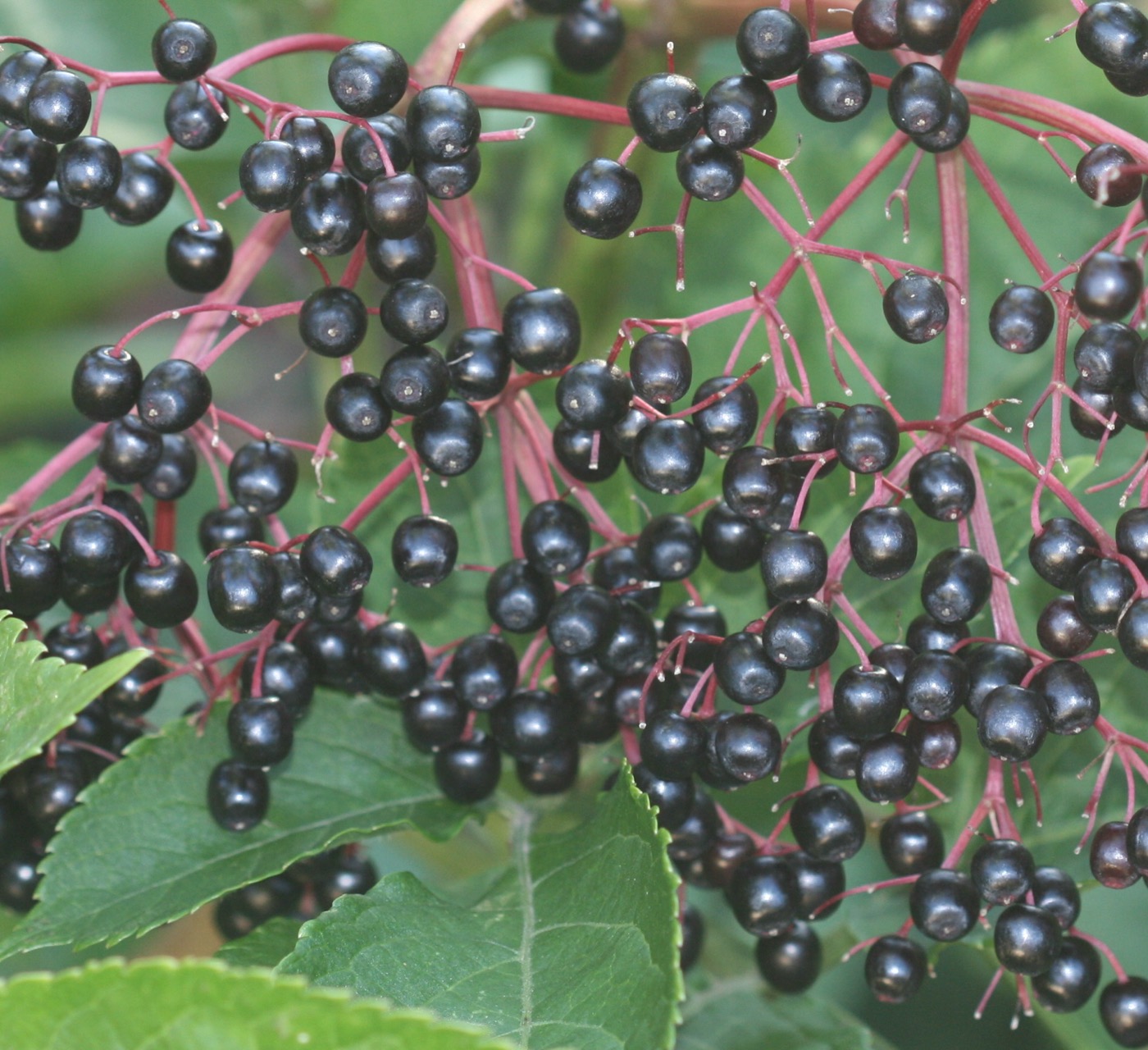
Elderberry Immune Syrup
Deep purple syrup built on heat-processed European black elderberry, Sambucus nigra L. Anthocyanins declared by HPLC as cyanidin-3-glucoside. Honey, sucrose or vegan glycerine base.
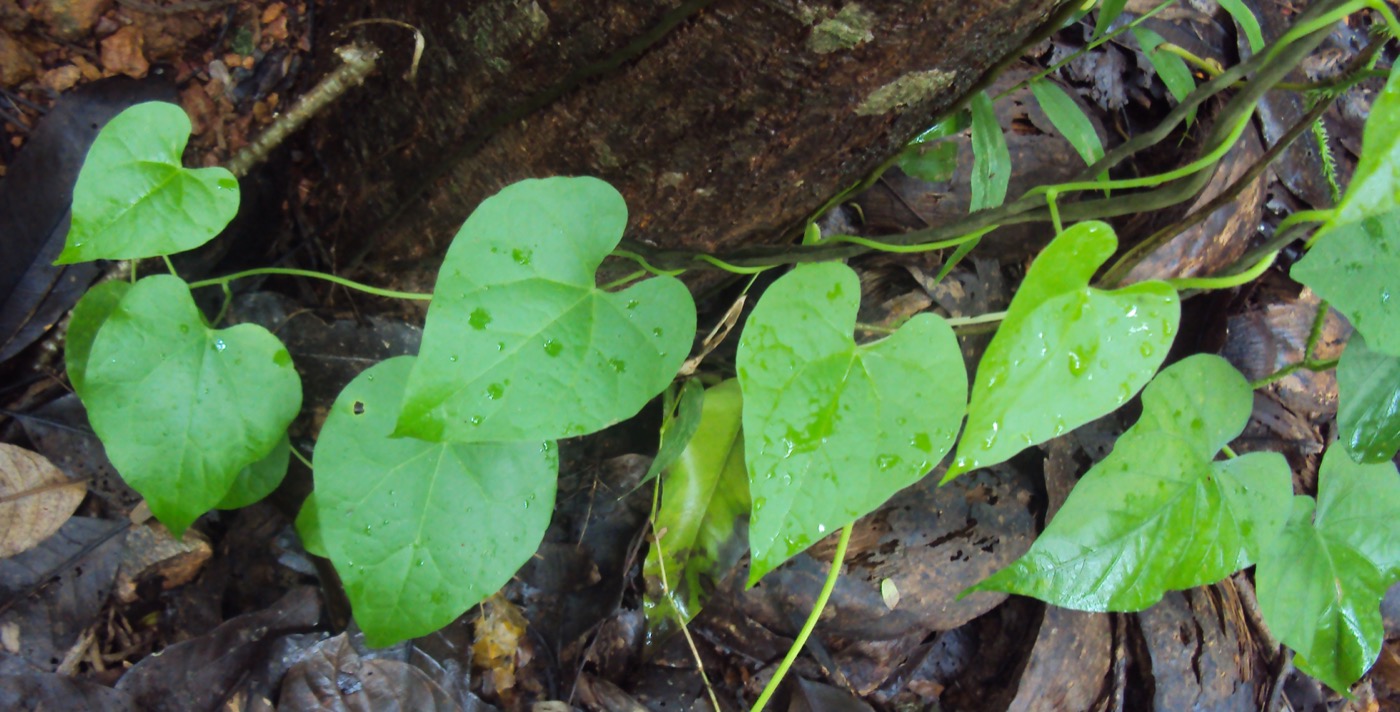
Giloy and Tulsi Immunity Blend
Two-herb Ayurvedic immunity blend: giloy stem, Tinospora cordifolia (Willd.) Miers, with tulsi leaf, Ocimum tenuiflorum L. Supplied as tablets or as juice, with species authentication on every batch.