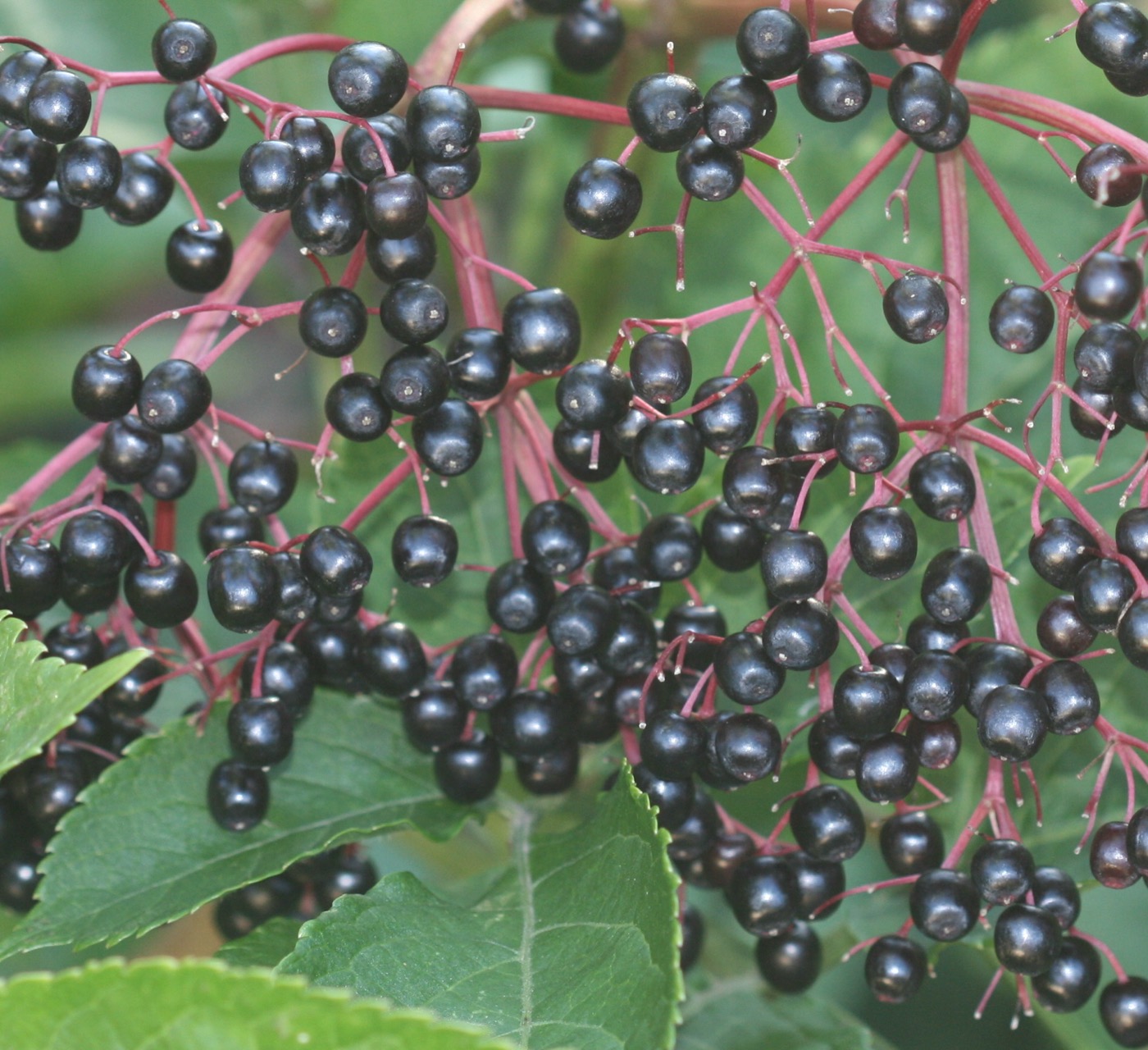
Elderberry Immune Syrup
Deep purple syrup built on heat-processed European black elderberry, Sambucus nigra L. Anthocyanins declared by HPLC as cyanidin-3-glucoside. Honey, sucrose or vegan glycerine base.
Specifications
| Botanical identity | Sambucus nigra L., family Viburnaceae (older references: Adoxaceae, Caprifoliaceae); European black elderberry |
| Part used | Ripe fruit only; leaf, bark and unripe fruit are excluded |
| Fruit input | Elderberry juice concentrate at ~65 Brix (typical: Brix 65 +/- 2 at 20 C, pH 3.3-4.5, acidity ~6.25% as malic) or spray-dried fruit extract |
| Standardisation | Total anthocyanins by HPLC, reported as cyanidin-3-glucoside equivalents, at the level agreed per contract |
| Marker profile | Cyanidin-3-O-sambubioside, cyanidin-3-O-glucoside and cyanidin-3-O-sambubioside-5-O-glucoside make up over 98% of total anthocyanins |
| Heat processing | Fruit is heat-processed; raw berry material is not used, as elderberry carries cyanogenic glycosides including sambunigrin |
| Appearance | Deep purple-red to near-black viscous syrup, characteristic elderberry aroma and tart-sweet taste |
| Syrup base | Sucrose or glucose syrup, vegetable glycerine, or honey; sugar-free versions with steviol glycosides or sucralose on request |
| Preservation | Potassium sorbate (E202) and/or sodium benzoate (E211) at the declared level, or hot-filled with no added preservative |
| Allergen status | No milk, egg, soy, fish, crustacean, gluten, peanut or tree nut. Vegan on the sucrose or glycerine base |
| Honey variant | Honey-based syrup is not vegan and must carry the standard do-not-feed-to-infants-under-12-months statement |
| Purity testing | Heavy metals (Pb, As, Cd, Hg), pesticide residues against EU Regulation 396/2005 MRLs, and microbiology to FSSAI or buyer limits |
| Regulatory status | EMA HMPC could not establish an EU herbal monograph for Sambucus nigra fructus; sold as a food supplement, not a registered herbal medicine |
| Shelf life | 24 months unopened in amber glass or PET, below 25 C and out of direct light; refrigerate after opening and use within the stated period |
| HS code | 2106.90 (21069099) |
Applications
Available grades
Vegan sucrose base, vegan vegetable-glycerine base, honey base, and sugar-free base. Paediatric and adult strengths, single-fruit or combined with vitamin C and zinc. Preservative-free hot-fill and preserved versions; conventional and certified organic fruit.
Related products
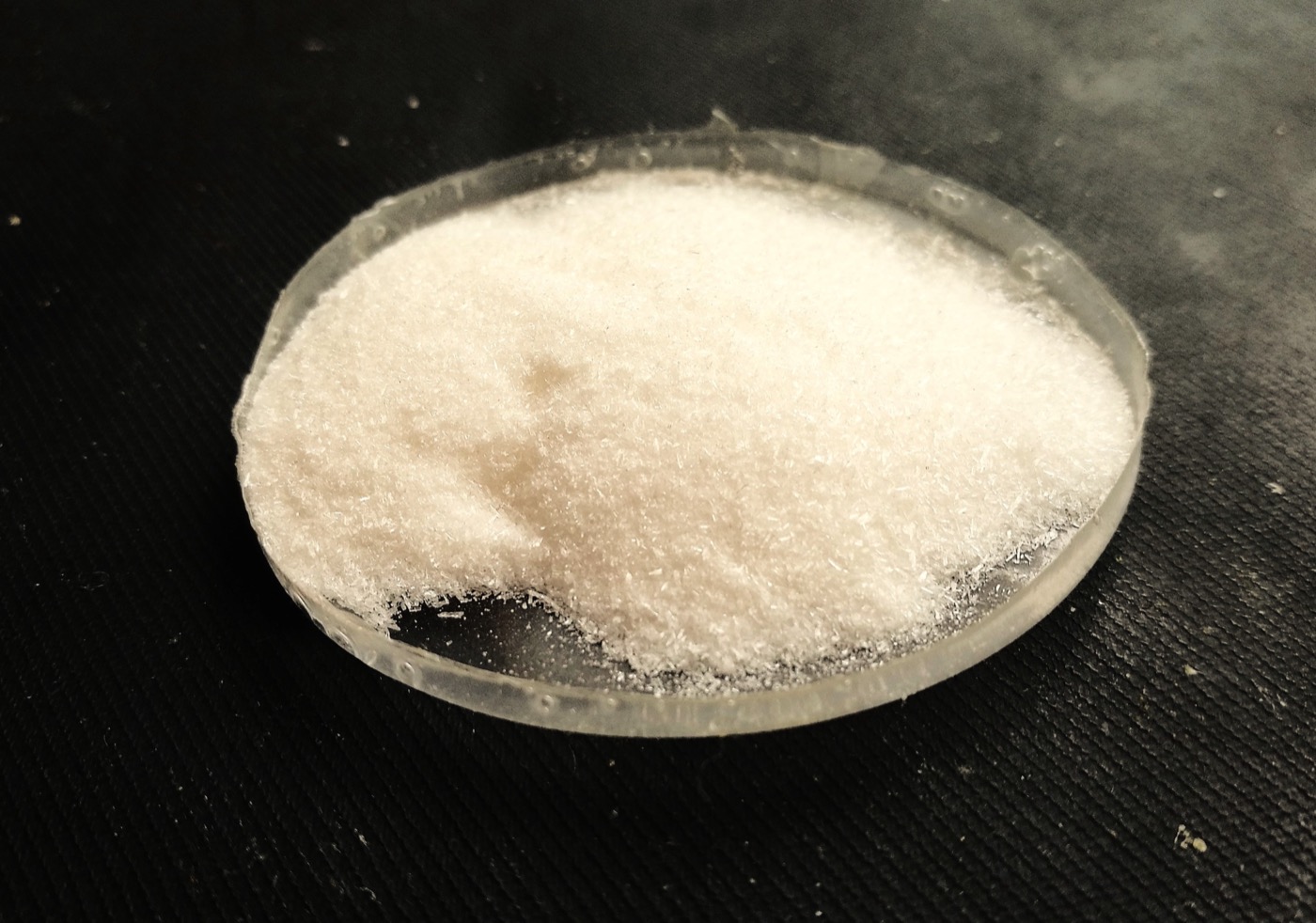
Vitamin C + Zinc Effervescent Tablets
Finished-dose immunity tablets pairing L-ascorbic acid (CAS 50-81-7) with zinc citrate, gluconate, sulphate or bisglycinate. Effervescent or compressed, built in India to your dose, flavour and market.
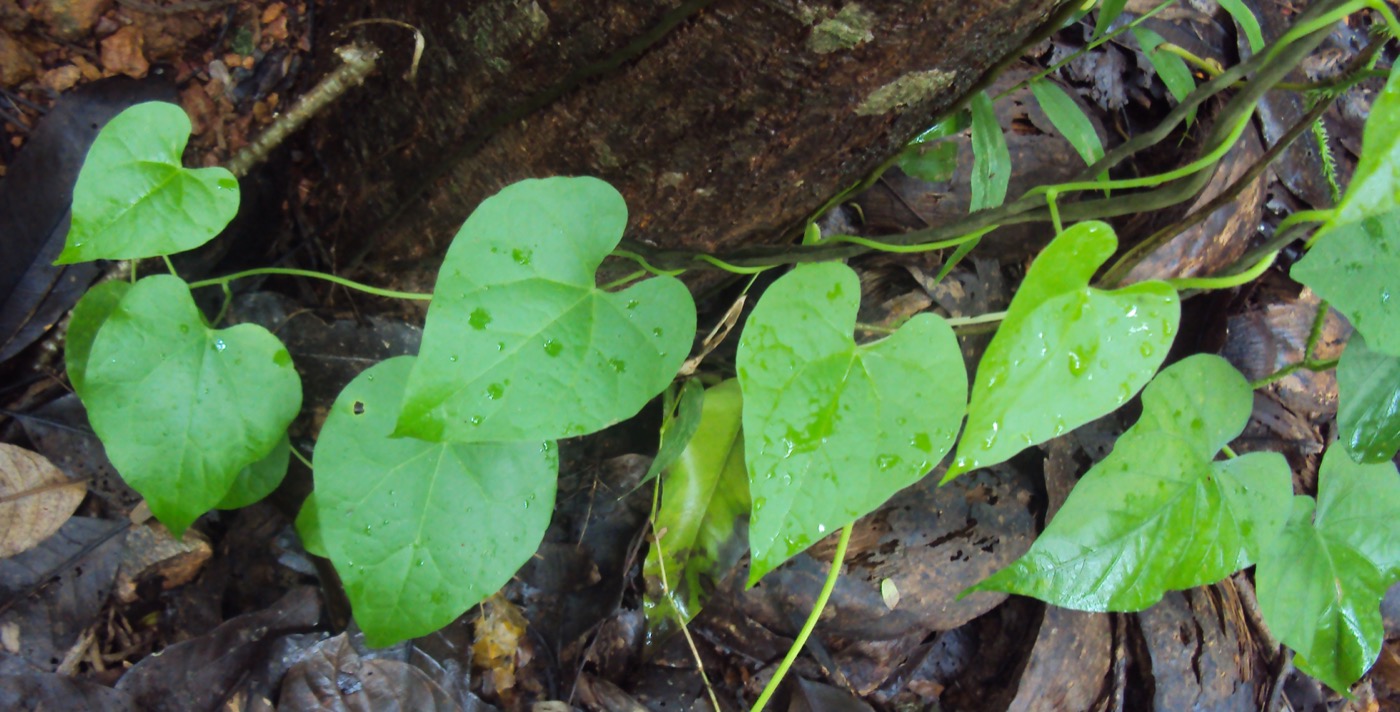
Giloy and Tulsi Immunity Blend
Two-herb Ayurvedic immunity blend: giloy stem, Tinospora cordifolia (Willd.) Miers, with tulsi leaf, Ocimum tenuiflorum L. Supplied as tablets or as juice, with species authentication on every batch.
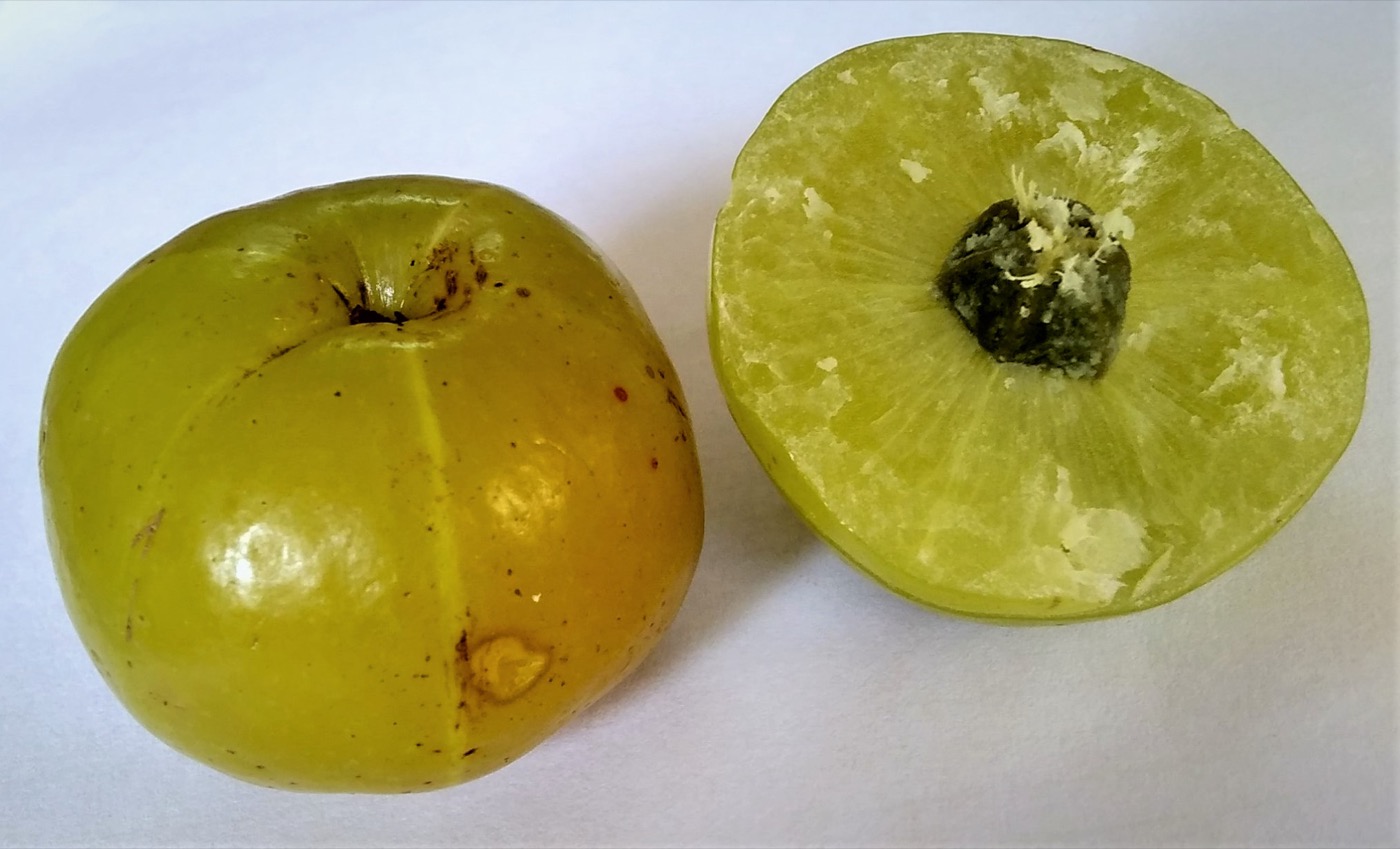
Chyawanprash
Classical amla-based Ayurvedic leha built to the Ayurvedic Pharmacopoeia of India: gallic acid NLT 0.5%, water-soluble extractive NLT 50%. Contains milk (ghee), sesame and honey.