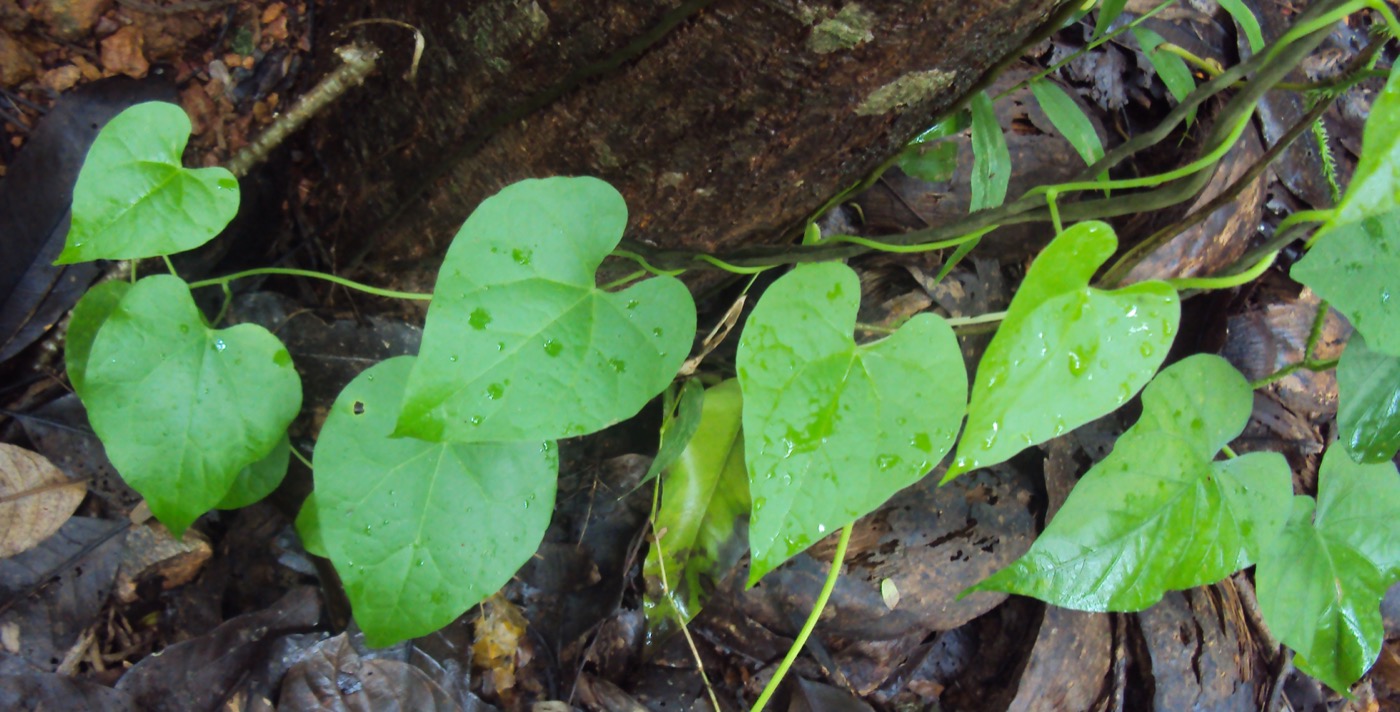
Giloy and Tulsi Immunity Blend
Two-herb Ayurvedic immunity blend: giloy stem, Tinospora cordifolia (Willd.) Miers, with tulsi leaf, Ocimum tenuiflorum L. Supplied as tablets or as juice, with species authentication on every batch.
Specifications
| Composition | Tinospora cordifolia stem with Ocimum tenuiflorum leaf or aerial parts; herb ratio set per contract, commonly equal parts |
| Giloy identity | Tinospora cordifolia (Willd.) Miers, Menispermaceae; Ayurvedic Pharmacopoeia of India name Guduchi; official part is the dried mature stem |
| Tulsi identity | Ocimum tenuiflorum L., synonym Ocimum sanctum L., Lamiaceae; Ayurvedic name Tulasi; leaf or aerial parts |
| Species authentication | Pharmacognostic ID plus HPTLC fingerprint on every giloy lot to exclude Tinospora crispa, a look-alike that is not an Ayurvedic drug; DNA barcoding on request |
| Giloy standardisation | Stem extract standardised to bitters, the clerodane diterpenoid lactone fraction, at 2.5% minimum; whole-stem powder and 1:1 juice also available |
| Tulsi standardisation | Leaf extract standardised to ursolic acid (C30H48O3, MW 456.7) at 2.5% by HPLC; leaf volatile fraction is eugenol-led and varies by chemotype |
| Tablet format | 500 mg or 750 mg compressed tablet, uncoated or film-coated; excipients and coating system to buyer specification |
| Juice format | Single-strength or 2X juice, water base, no added colour; naturally bitter, olive-brown, sediment settles and requires shake-before-use |
| Appearance | Tablets greenish-brown to brown with characteristic bitter herb odour; juice olive-brown to brown, slightly turbid |
| Allergen status | No milk, egg, soy, fish, crustacean, gluten, peanut or tree nut. Vegan and vegetarian; no bovine, porcine or marine material |
| Purity testing | Heavy metals (Pb, As, Cd, Hg) and aflatoxins to AYUSH and FSSAI limits; pesticide residues and microbiology per buyer specification |
| Indian schedule position | Ocimum tenuiflorum / sanctum aerial parts and seed extract is on the FSSAI nutraceutical extracts schedule; Tinospora cordifolia is not on that list, confirm its entry |
| Shelf life | 24 months for tablets in the unopened pack below 25 C; 18 months for juice, refrigerate after opening |
| HS code | 2106.90.99 as a food supplement; 3004.90.11 if AYUSH-licensed for retail, see the classification note |
Applications
Available grades
Tablet (500 mg, 750 mg; uncoated or film-coated), single-strength juice, 2X juice, and bulk standardised extracts. Giloy bitters 2.5% minimum, tulsi ursolic acid 2.5%; whole-herb powder blends and custom herb ratios. Conventional and certified organic material.
Related products
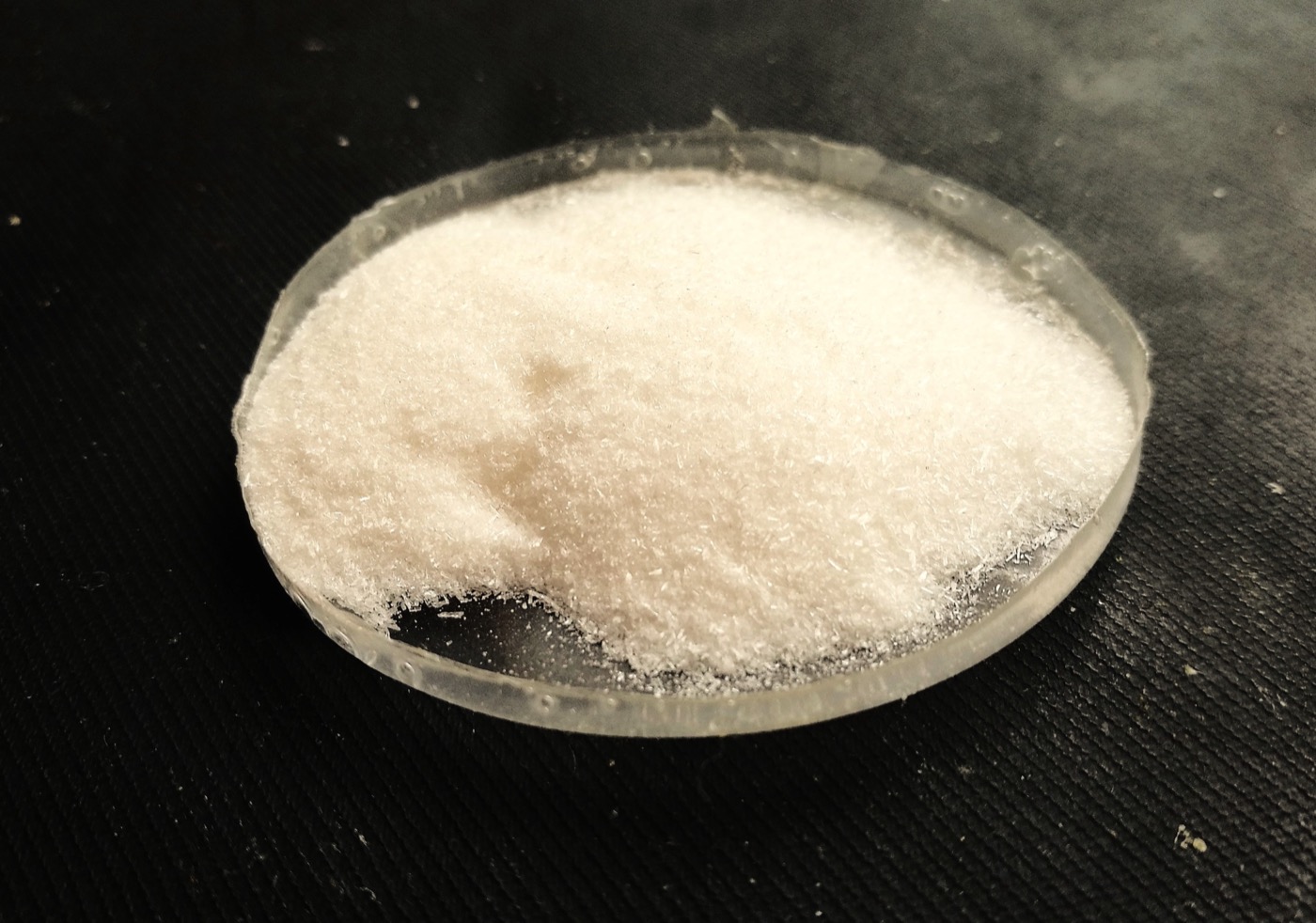
Vitamin C + Zinc Effervescent Tablets
Finished-dose immunity tablets pairing L-ascorbic acid (CAS 50-81-7) with zinc citrate, gluconate, sulphate or bisglycinate. Effervescent or compressed, built in India to your dose, flavour and market.
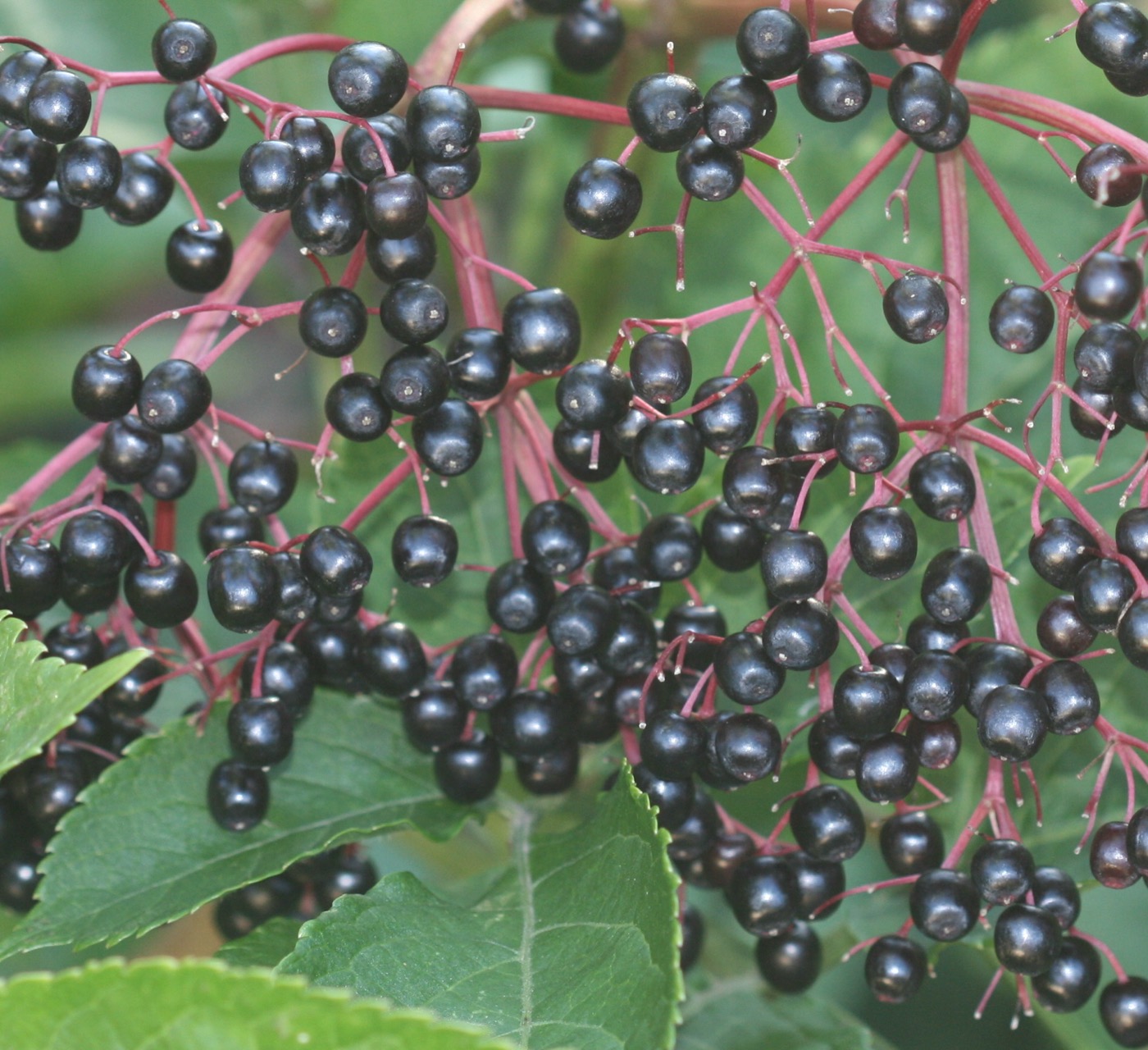
Elderberry Immune Syrup
Deep purple syrup built on heat-processed European black elderberry, Sambucus nigra L. Anthocyanins declared by HPLC as cyanidin-3-glucoside. Honey, sucrose or vegan glycerine base.
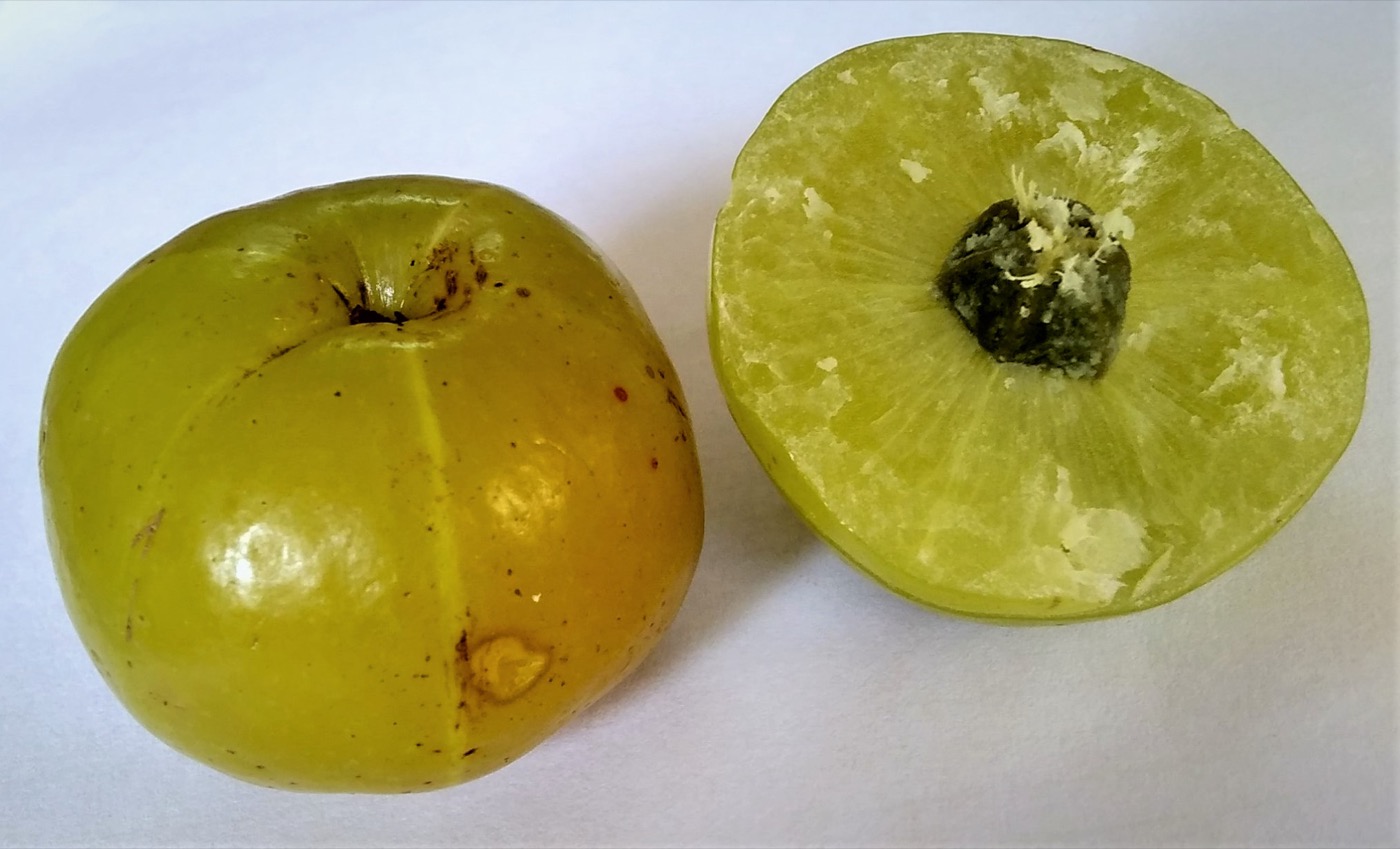
Chyawanprash
Classical amla-based Ayurvedic leha built to the Ayurvedic Pharmacopoeia of India: gallic acid NLT 0.5%, water-soluble extractive NLT 50%. Contains milk (ghee), sesame and honey.