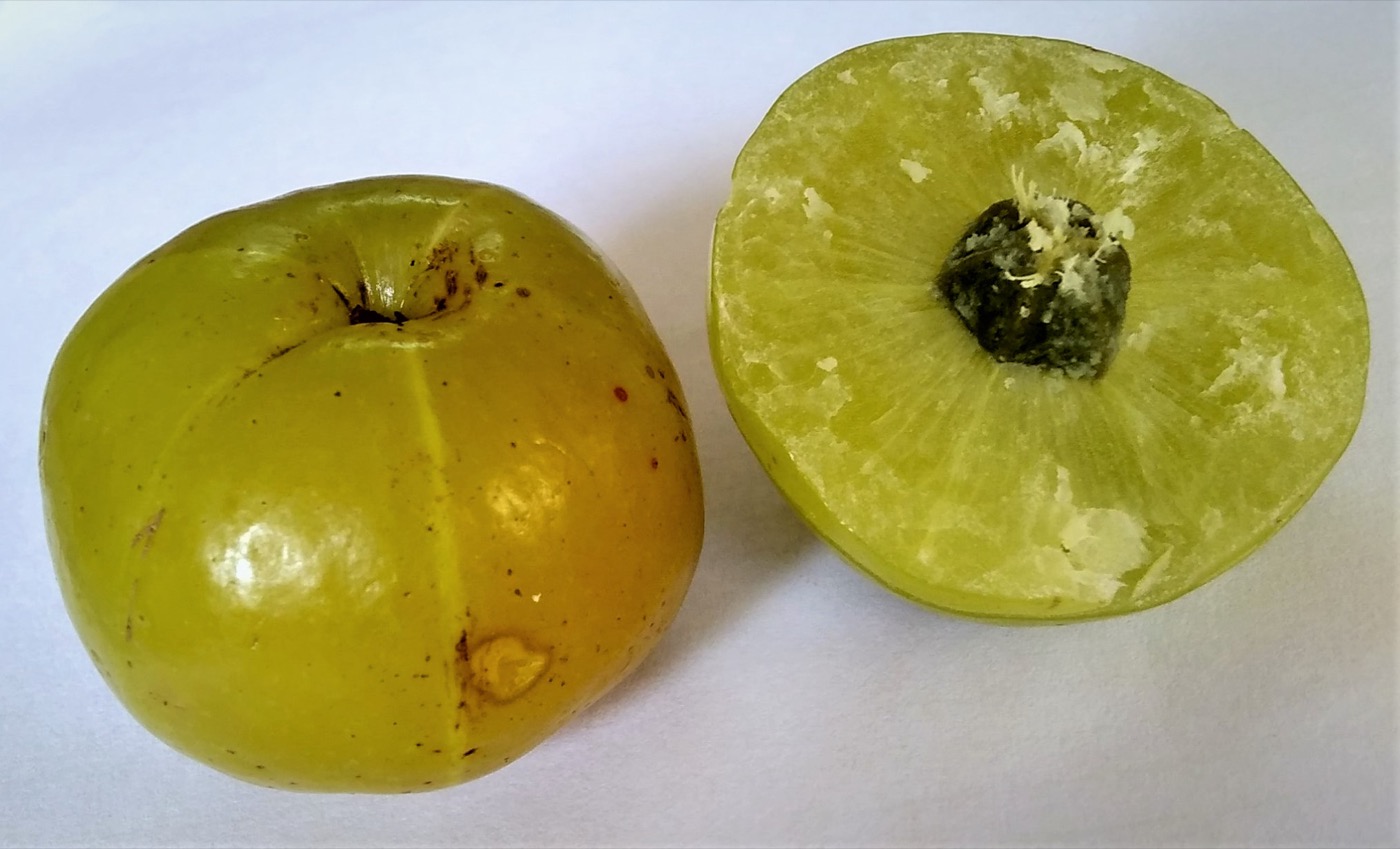
Chyawanprash
Classical amla-based Ayurvedic leha built to the Ayurvedic Pharmacopoeia of India: gallic acid NLT 0.5%, water-soluble extractive NLT 50%. Contains milk (ghee), sesame and honey.
Specifications
| Product type and format | Classical Ayurvedic avaleha (leha): a semi-solid dark brown fruit-pulp paste, supplied in bulk pails and drums or as a filled and labelled private-label jar |
| Pharmacopoeial reference | Chyavanaprasha, Ayurvedic Pharmacopoeia of India Part II (Formulations); made under a Drugs and Cosmetics Act 1940 Ayurvedic licence to Schedule T GMP |
| Base botanical and plant part | Amalaki, the ripe fruit of Phyllanthus emblica L. (syn. Emblica officinalis Gaertn.), Phyllanthaceae, at roughly 35% of the batch weight |
| Assay | Gallic acid not less than 0.5% per the API Part II monograph, by TLC densitometry at 280 nm, or by HPLC where the buyer wants a chromatographic release method |
| Extractive and pH | Water-soluble extractive not less than 50.0%; pH 3.82 to 4.23 in 1% aqueous solution, both per the API Part II monograph |
| Lipid and sweetener base | Cow ghee and sesame (tila) oil as the classical paired lipids, with cane sugar, jaggery, or a maltitol or sorbitol base for reduced-sugar grades, fixed at order |
| Honey | Added only after the mass has cooled, never heated, per the classical method. Removes vegan status and brings infant honey labelling obligations in most markets |
| Ashtavarga declaration | Jivaka, Rishabhaka, Meda, Mahameda, Kakoli, Kshirakakoli, Riddhi and Vriddhi are scarce; classical substitutes are used and each substitution is named on the batch COA |
| Bhasma status | Export grades contain no bhasma, no calcined metal or mineral preparation, and no gold or silver leaf (varq) |
| Allergens | Contains milk (cow ghee) and sesame (sesame oil). Sesame is an EU Annex II allergen and the ninth major US allergen since 1 January 2023. No gluten, soy, egg, fish or nut |
| Dietary and origin status | Vegetarian, not vegan. No slaughter-derived, bovine-tissue, porcine or marine input; the animal inputs are dairy fat and honey. Halal and kosher dairy certification on request |
| Heavy metals and contaminants | AYUSH export limits: lead NMT 10 ppm, arsenic NMT 3 ppm, mercury NMT 1 ppm, cadmium NMT 0.3 ppm. Aflatoxins, pesticide residues and microbial limits on every batch |
| Shelf life and storage | 36 months from manufacture in unopened sealed packs below 25 °C, away from direct sunlight. Keep closed and use a dry spoon after opening; sugar crystallisation is not a defect |
| HS code | 30049011 for retail-pack Ayurvedic medicaments, 30039011 for bulk not put up for retail sale. Destination markets often revert to 2106.90 — see the classification note |
Applications
Available grades
Classical cane-sugar build to the API formula; jaggery (gud) build; reduced-sugar and sugar-free builds on maltitol or sorbitol; saffron-enriched premium build. Ghee-free plant-fat and honey-free vegan versions are made on request but are supplied as a proprietary Ayurvedic preparation, not as API Chyavanaprasha. Bulk pails and drums for repacking, or filled and labelled private-label jars. Organic (NPOP, NOP, EU) amla and organic full-formula builds subject to crop availability; halal and kosher certified production; no bhasma, no metal leaf, no added colours, no synthetic preservatives.
Related products
Vitamin C + Zinc Effervescent Tablets
Finished-dose immunity tablets pairing L-ascorbic acid (CAS 50-81-7) with zinc citrate, gluconate, sulphate or bisglycinate. Effervescent or compressed, built in India to your dose, flavour and market.
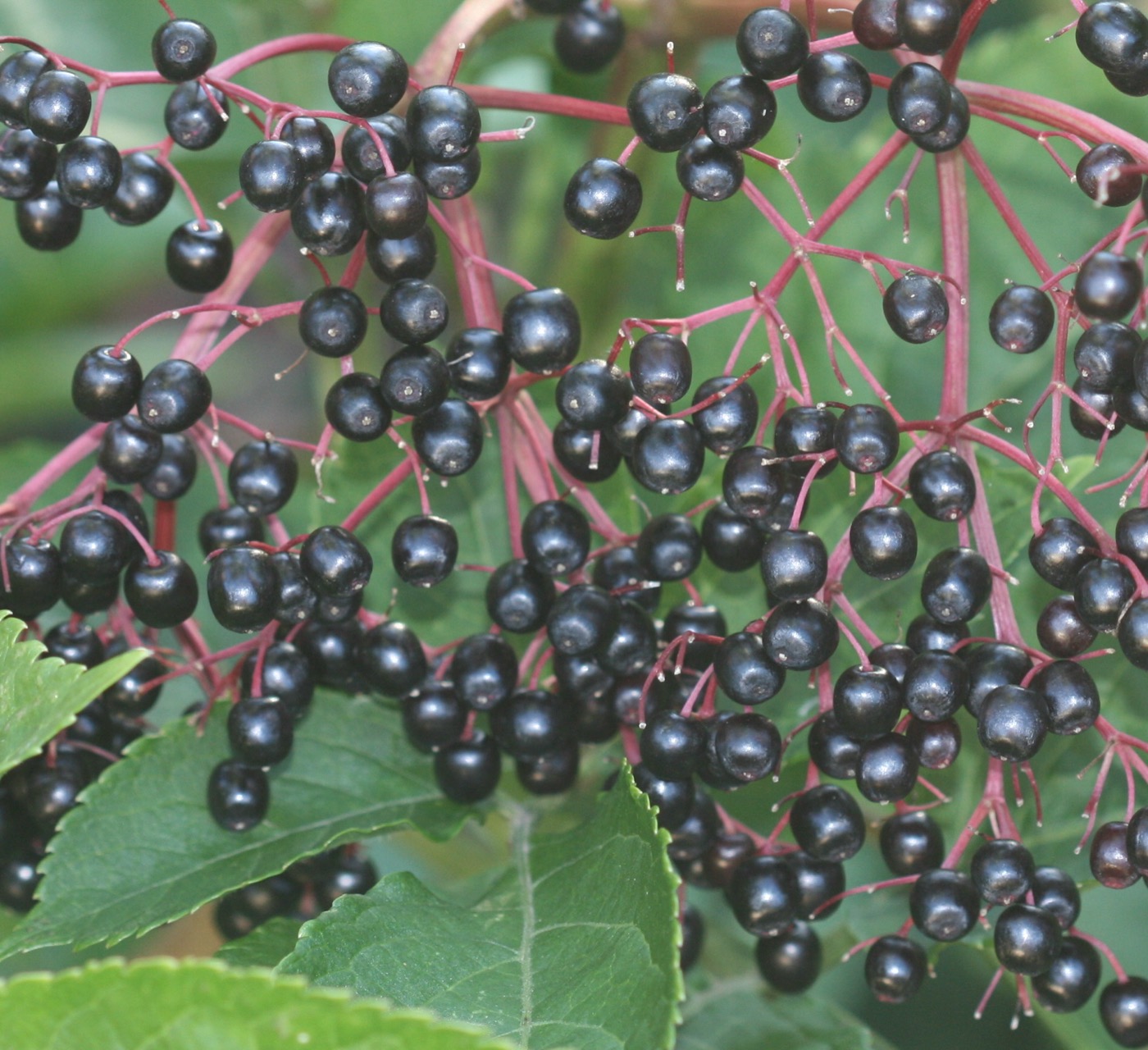
Elderberry Immune Syrup
Deep purple syrup built on heat-processed European black elderberry, Sambucus nigra L. Anthocyanins declared by HPLC as cyanidin-3-glucoside. Honey, sucrose or vegan glycerine base.
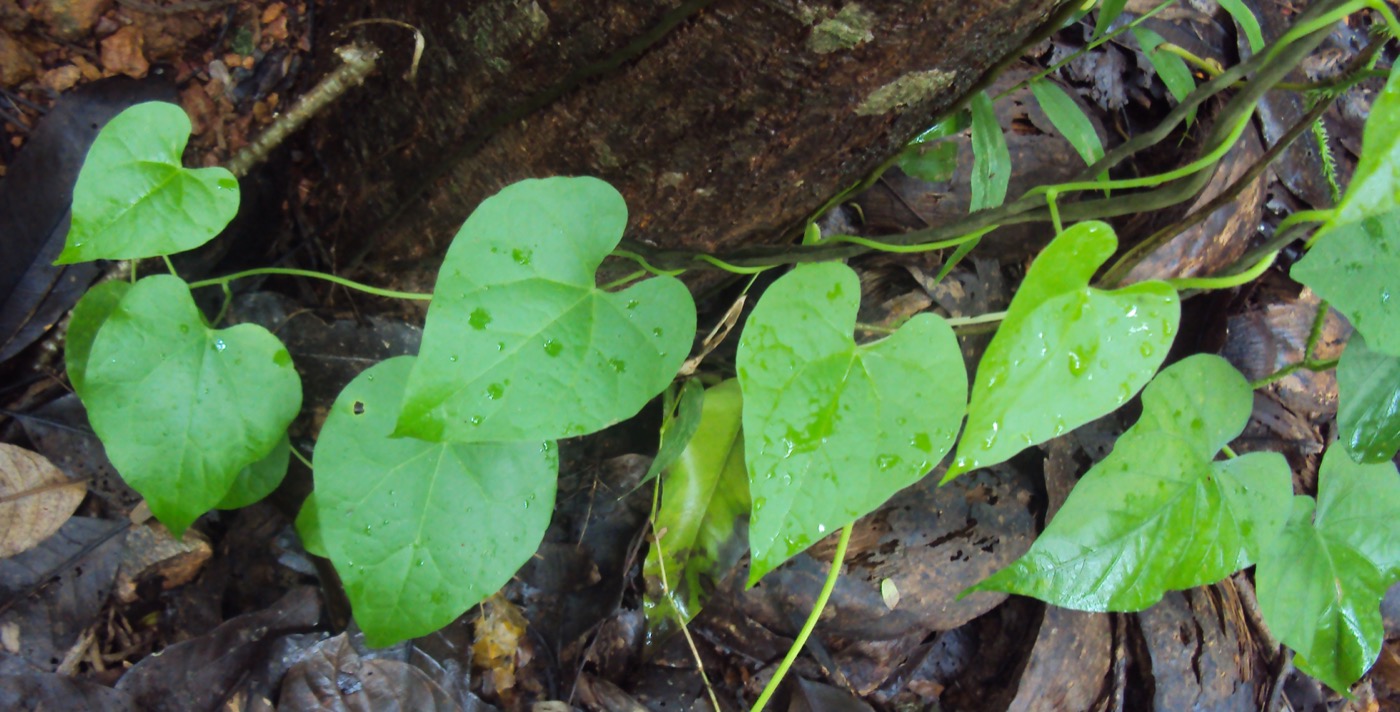
Giloy and Tulsi Immunity Blend
Two-herb Ayurvedic immunity blend: giloy stem, Tinospora cordifolia (Willd.) Miers, with tulsi leaf, Ocimum tenuiflorum L. Supplied as tablets or as juice, with species authentication on every batch.