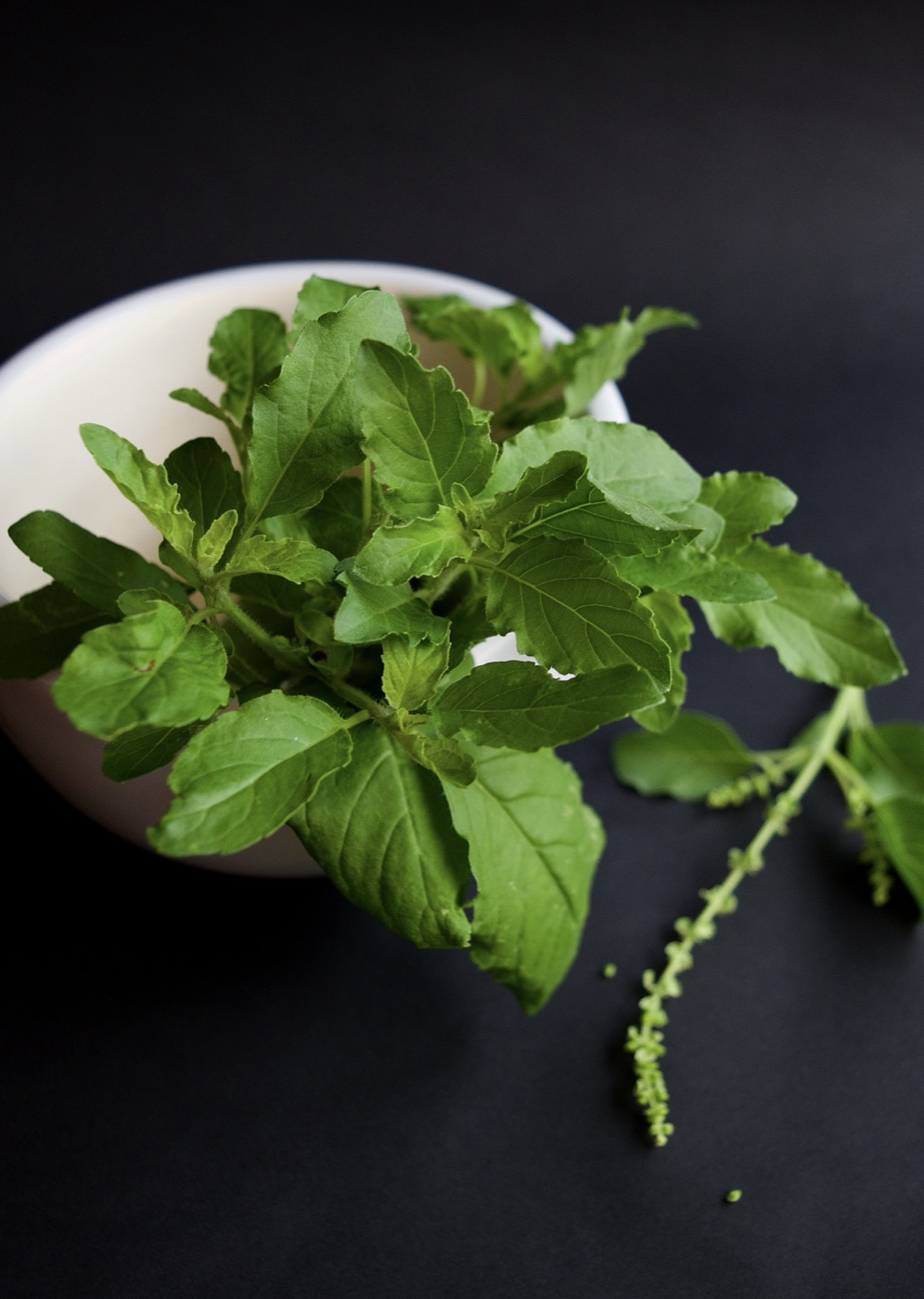
Honey, Ginger and Tulsi Syrup Blend
A honey-based syrup carrying ginger rhizome and tulsi leaf, supplied in bulk for filling or as finished bottles. Honey is a bee product, so the blend is vegetarian but not vegan.
Specifications
| Composition | Honey base with ginger (Zingiber officinale Roscoe, rhizome) and tulsi (Ocimum tenuiflorum L., leaf) as juice, decoction or standardised extract; ratios to brief |
| Botanical identity - ginger | Zingiber officinale Roscoe, Zingiberaceae; rhizome. 6-gingerol used as the HPLC marker for extract input |
| Botanical identity - tulsi | Ocimum tenuiflorum L. (syn. Ocimum sanctum L.), Lamiaceae; leaf. Rama green-leaf type runs higher in eugenol, Krishna purple-leaf richer in ursolic acid |
| Tulsi standardisation | Triterpene acids (ursolic plus oleanolic) are the usual assay: leaf powder from about 0.5% upward, standardised extracts typically 2.5-5% |
| Honey compositional limits | FSSAI: moisture max 20%, total reducing sugars min 65%, sucrose max 5%, fructose/glucose ratio 0.95-1.20 |
| Honey HMF limit | Max 80 mg/kg under the Indian tropical limit; Codex CXS 12-1981 sets 40 mg/kg for non-tropical honey - name the destination limit at order |
| Honey authenticity testing | C4 sugar by stable carbon isotope ratio analysis (significant at or above 7%), foreign oligosaccharides, and the specific marker for rice syrup (2-AFGP) |
| Appearance and odour | Amber to dark amber viscous syrup, characteristic honey and ginger aroma with a warm, faintly clove-like tulsi note |
| Solubility | Miscible with water in all proportions; disperses readily in warm water and in fruit or herbal beverage bases |
| Diet status | Contains honey, a bee product: vegetarian but NOT vegan. No bovine, porcine, fish or crustacean material used at any stage |
| Allergen status | No milk, egg, soy, gluten, fish, crustacean or tree nut in the base recipe; any added flavour, colour or preservative is declared on the specification |
| Infant advisory | Honey-containing products should not be given to infants under 12 months; FDA, CDC and AAP advise against honey for under-ones (Clostridium botulinum spores) |
| Storage and shelf life | Set on the agreed specification and supported by stability data; store sealed below 25 C, away from direct light and heat |
| HS code | 2106.90.99 (India 21069099) as a food preparation; pure natural honey on its own would be 0409.00.00 |
Applications
Available grades
Food grade. Honey base can be multifloral, mustard, litchi or contract single-origin, raw and unheated or gently processed to protect HMF. Botanicals supplied as fresh juice, aqueous decoction or standardised hydroalcoholic extract with marker assay on the CoA. Sugar-reduced, preservative-free, no-added-flavour, organic-certified, halal and kosher builds available. Bulk syrup for the buyer's own filling line, or finished bottles under the buyer's label.
Related products
Vitamin C + Zinc Effervescent Tablets
Finished-dose immunity tablets pairing L-ascorbic acid (CAS 50-81-7) with zinc citrate, gluconate, sulphate or bisglycinate. Effervescent or compressed, built in India to your dose, flavour and market.
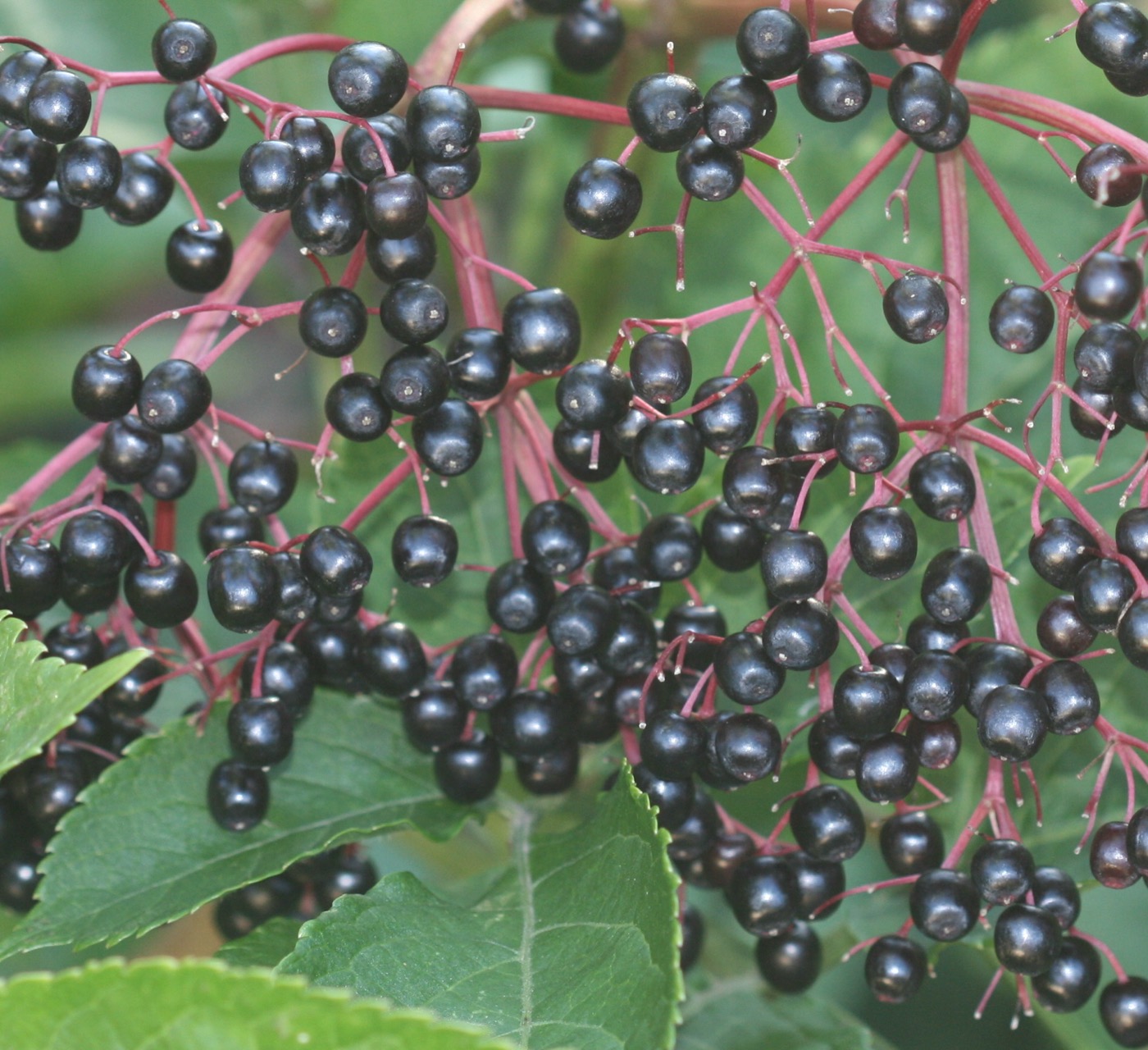
Elderberry Immune Syrup
Deep purple syrup built on heat-processed European black elderberry, Sambucus nigra L. Anthocyanins declared by HPLC as cyanidin-3-glucoside. Honey, sucrose or vegan glycerine base.
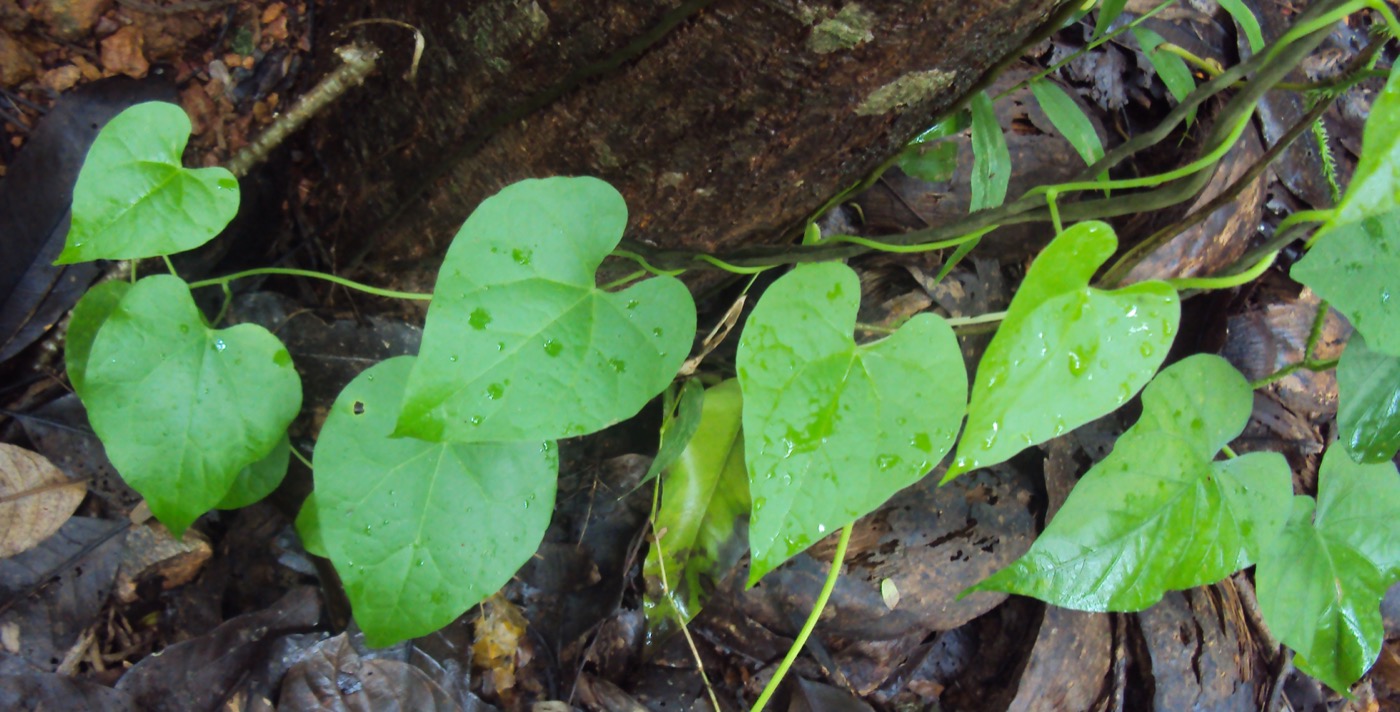
Giloy and Tulsi Immunity Blend
Two-herb Ayurvedic immunity blend: giloy stem, Tinospora cordifolia (Willd.) Miers, with tulsi leaf, Ocimum tenuiflorum L. Supplied as tablets or as juice, with species authentication on every batch.