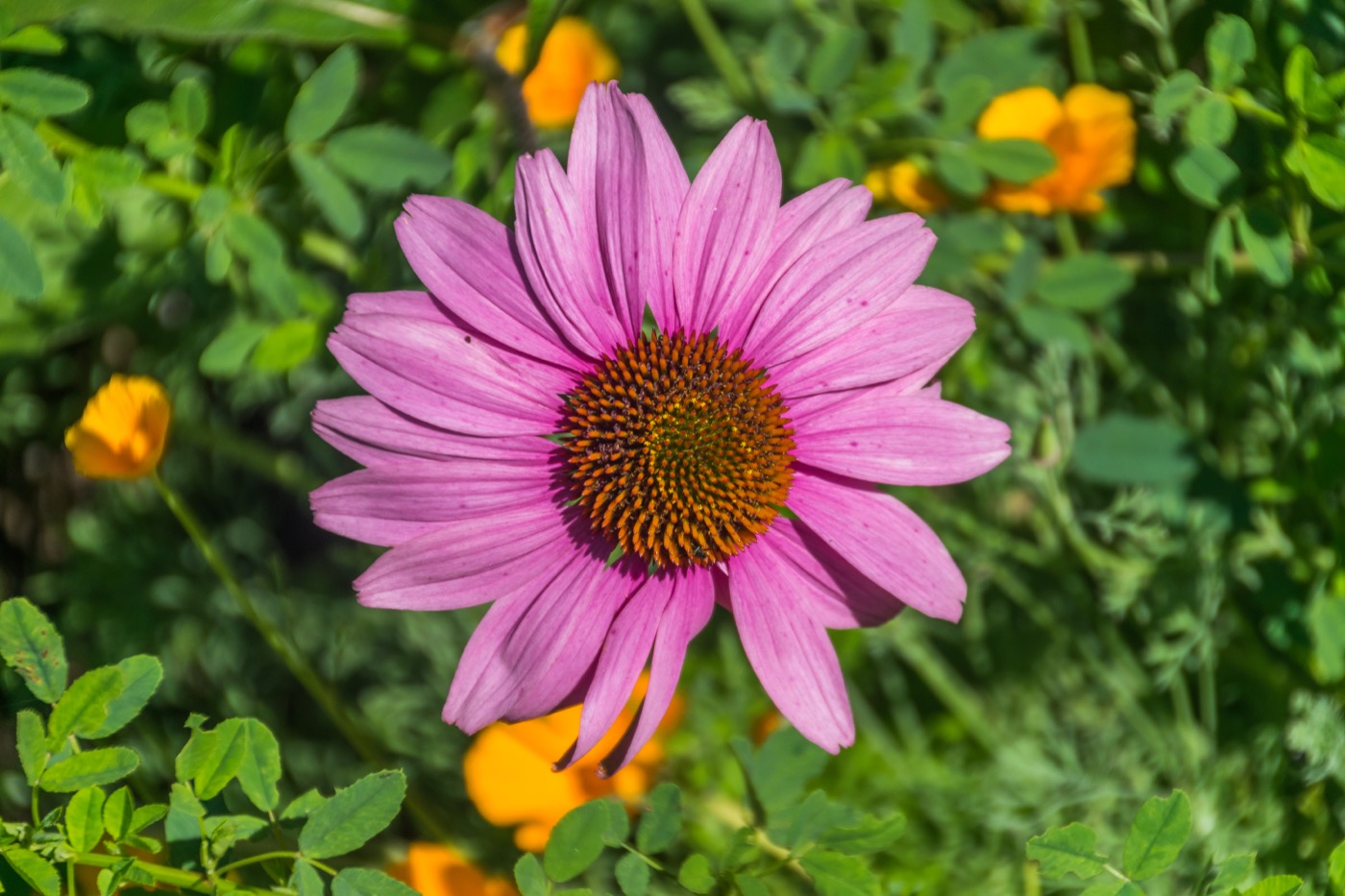
Echinacea Capsules
Finished capsules of Echinacea purpurea extract standardised to 4% total polyphenols by UV or 2% chicoric acid by HPLC. Vegan HPMC shell, titanium-dioxide free, private label.
Specifications
| Product type and format | Finished two-piece hard capsule in measured dose form, supplied as bulk capsules for the buyer's own bottling or as a bottled and labelled private-label SKU |
| Botanical input and plant part | Echinacea purpurea (L.) Moench, Asteraceae; aerial parts (herba) or root (radix), stated per order. E. angustifolia DC. and E. pallida (Nutt.) Nutt. builds on request |
| House reference formula | Size 0 shell, 400 mg fill of Echinacea purpurea aerial-part extract standardised to 4% total polyphenols by UV, with no excipient beyond a flow aid |
| Standardisation options | 4% total polyphenols by UV, 2% chicoric acid by HPLC, or alkylamide-standardised on dodeca-2E,4E,8Z,10E/Z-tetraenoic acid isobutylamides. Native 4:1 and 10:1 ratio grades |
| Species marker rule | Chicoric and caftaric acids mark E. purpurea; echinacoside marks E. angustifolia and E. pallida and is absent from E. purpurea. '4% echinacoside' on E. purpurea is a red flag |
| Pharmacopoeial reference | European monographs: E. purpurea root NLT 0.5% caftaric plus cichoric acid; E. angustifolia root NLT 0.5% echinacoside; E. pallida root NLT 0.2% echinacoside, on dried drug |
| Extraction solvents | Water-ethanol, typically 45–70% v/v, or water. EMA HMPC lists E. purpurea root dry extracts at DER 5.5–7.5:1 in 45% ethanol and DER 4:1 in water |
| Identity and adulterant screening | HPTLC and HPLC identity per lot against Parthenium integrifolium, the historical root substitute, and against echinacoside-rich Cistanche reported in E. angustifolia extracts |
| Capsule shell | Vegan HPMC as standard; bovine or porcine gelatin on request with origin declared. All shells titanium-dioxide free, E171 no longer being a permitted EU food additive |
| Allergens and dietary status | HPMC build carries no milk, egg, soy, wheat or gluten, fish, crustacean, sesame, peanut or tree nut, and is vegan. Bovine or porcine only where a gelatin shell is chosen |
| Botanical family declaration | Asteraceae (Compositae), declared on the specification for buyers who carry a Compositae statement in their own labelling |
| Contaminants and residues | Heavy metals, pesticide residues, aflatoxins and microbial limits on every lot; residual solvents to ICH Q3C where a hydroalcoholic extract is used |
| Shelf life and storage | 24 months from manufacture in sealed, desiccated packs below 25 °C and 60% RH. Cichoric acid degrades enzymatically in poorly stabilised material, so keep packs dry and closed |
| HS code | 21069099 as a finished plant-extract food supplement in capsule form; the neat extract before encapsulation is 13021919. See the classification note |
Applications
Available grades
Capsule sizes 00, 0, 1 and 2 with fills from 250 to 600 mg. Echinacea purpurea aerial part or root, Echinacea angustifolia root, Echinacea pallida root, or a purpurea and angustifolia combination. Standardisation at 4% total polyphenols by UV, 2% chicoric acid by HPLC, 4% echinacoside on angustifolia builds only, alkylamide-standardised grades, or native 4:1 and 10:1 ratio extracts. Vegan HPMC, bovine gelatin or porcine gelatin shells, all titanium dioxide free. Excipient-free fills, combination fills with elderberry, zinc or vitamin C, kosher and halal certified production, organic (NOP, EU) raw material subject to availability, bulk, bottled or blistered presentation.
Related products
Vitamin C + Zinc Effervescent Tablets
Finished-dose immunity tablets pairing L-ascorbic acid (CAS 50-81-7) with zinc citrate, gluconate, sulphate or bisglycinate. Effervescent or compressed, built in India to your dose, flavour and market.
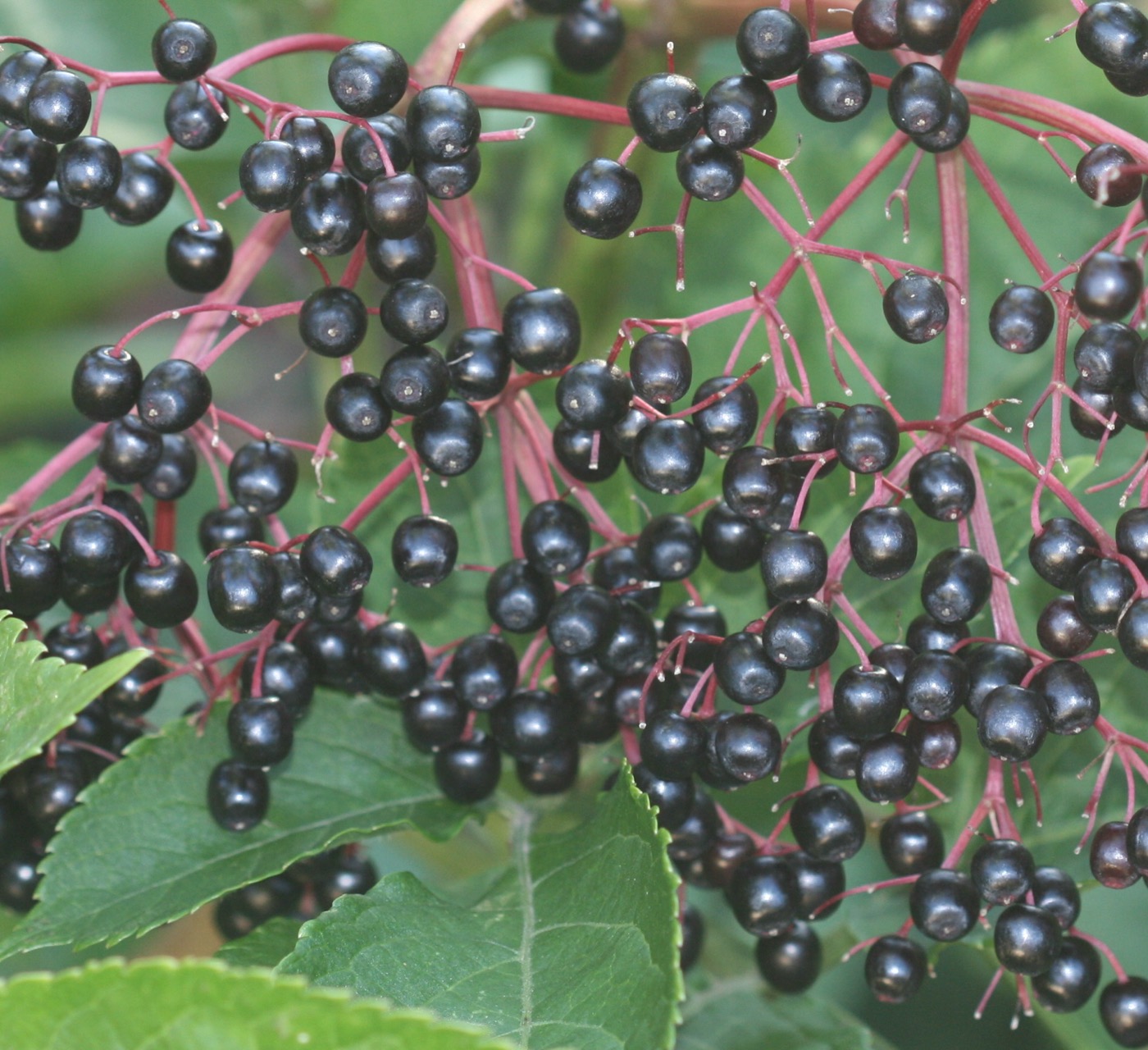
Elderberry Immune Syrup
Deep purple syrup built on heat-processed European black elderberry, Sambucus nigra L. Anthocyanins declared by HPLC as cyanidin-3-glucoside. Honey, sucrose or vegan glycerine base.
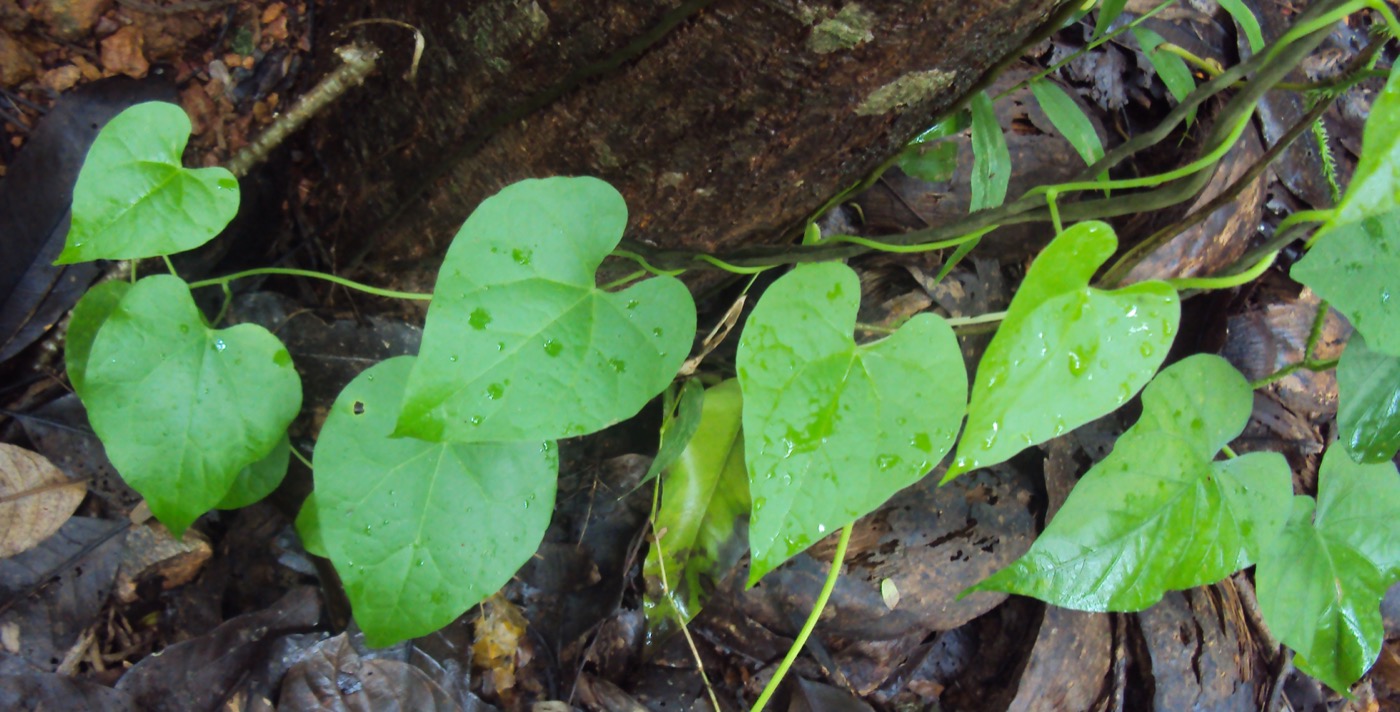
Giloy and Tulsi Immunity Blend
Two-herb Ayurvedic immunity blend: giloy stem, Tinospora cordifolia (Willd.) Miers, with tulsi leaf, Ocimum tenuiflorum L. Supplied as tablets or as juice, with species authentication on every batch.