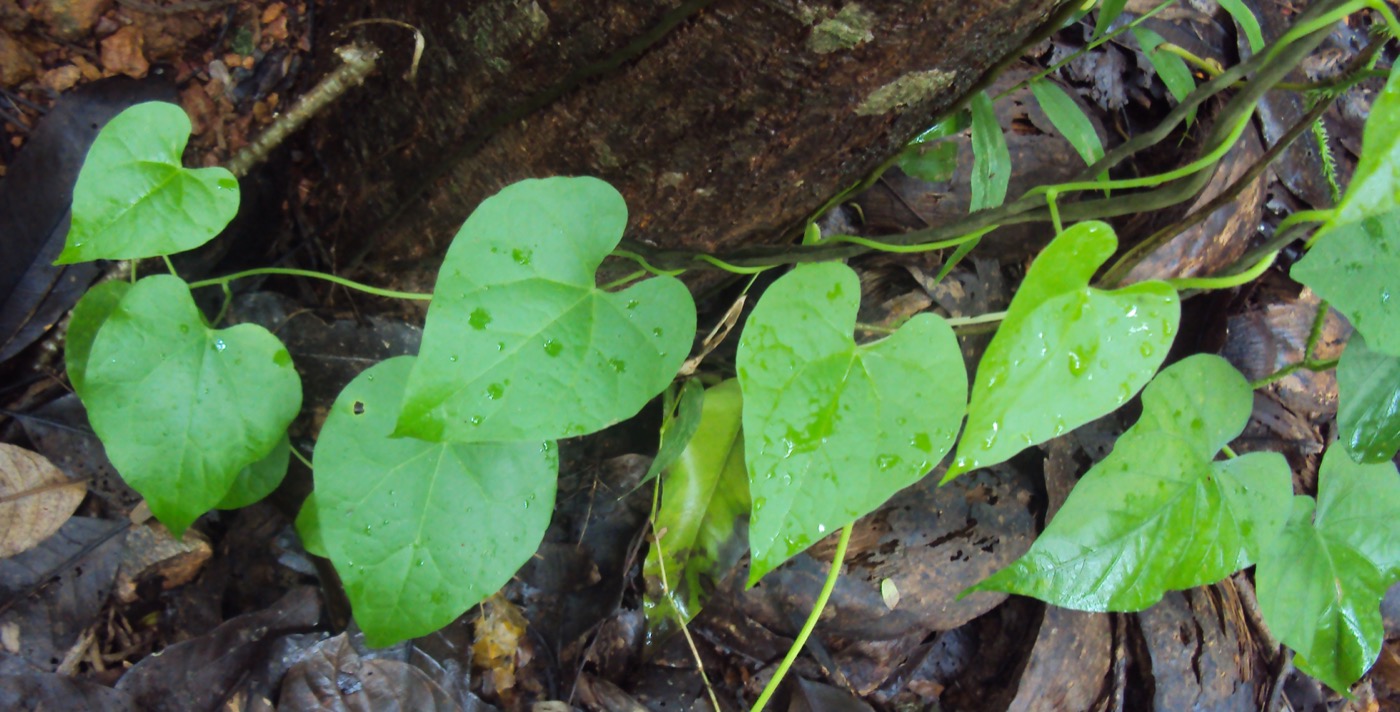
Amla & Giloy Juice Blend
Single-strength Phyllanthus emblica fruit juice blended with authenticated Tinospora cordifolia stem extract. Ascorbic acid reported by HPLC, not titration. Vegan, allergen-free.
Specifications
| Product type and format | Liquid herbal food supplement: amla fruit juice carrying a giloy stem extract. Supplied in bulk for the buyer's own bottling or as a filled private-label bottle |
| Botanical inputs and plant parts | Phyllanthus emblica L. (Phyllanthaceae) ripe fruit, expressed juice; Tinospora cordifolia (Willd.) Hook.f. & Thomson (Menispermaceae) mature stem, aqueous extract. Indian origin |
| House reference blend | 90 parts amla fruit juice to 10 parts giloy stem extract solution as the default; 95:5 and 80:20 builds made to order, and the actual ratio is stated on the specification |
| Giloy standardisation | Stem extract standardised to 2.5–5% bitters by gravimetry before dilution into the juice. Mature stem only; leaf and root are not equivalent and are not used |
| Species authentication | Every giloy lot screened by macroscopy and HPTLC against Tinospora crispa and Tinospora sinensis, the two species that adulterate Indian raw-drug Tinospora |
| Vitamin C method | Ascorbic acid reported by HPLC, not by DCPIP or iodometric titration; amla polyphenols reduce the titration dye and mask the endpoint, inflating an apparent vitamin C result |
| Vitamin C stability | Native ascorbic acid falls through thermal processing and storage. End-of-shelf-life minima are contracted, and ascorbic-acid-fortified grades are declared as an added ingredient |
| Juice parameters | Total soluble solids, pH and titratable acidity contracted per order and reported per batch. Published fresh amla juice values run about 8–17 °Brix at pH near 2.8–3.2 |
| Polyphenol markers | Total polyphenols by Folin-Ciocalteu as gallic acid equivalents, with gallic acid by HPLC available as a second identity marker for the amla fraction |
| Preservative system | Class II preservatives within FSSAI limits (sodium benzoate and/or potassium sorbate), or a preservative-free hot-fill or aseptic build. Declared in full on the specification |
| Allergens and dietary status | No milk, egg, soy, wheat or gluten, fish, crustacean, sesame, peanut or tree nut. Vegan and vegetarian; no bovine, porcine or marine input. Non-GMO |
| Microbiology and contaminants | Total plate count, yeast and mould, coliforms, E. coli and Salmonella to beverage limits; heavy metals to AYUSH limits (Pb 10, As 3, Hg 1, Cd 0.3 ppm); pesticide residue screen |
| Shelf life and storage | 24 months unopened in amber PET or amber glass below 25 °C away from light; refrigerate after opening and use within 30 days. Natural sedimentation is expected, shake before use |
| HS code | 21069099 as a plant-extract food supplement in liquid form. 20098990 for plain single-strength amla juice, 22029990 for a diluted RTD beverage — see the classification note |
Applications
Available grades
Single-strength blend, or 3:1 and 5:1 concentrate for the buyer's own dilution. Default 90:10 amla to giloy, with 95:5 and 80:20 builds, and three- or five-herb versions adding tulsi (Ocimum tenuiflorum), neem (Azadirachta indica) or ashwagandha (Withania somnifera). Unsweetened as standard; jaggery-, honey- or steviol-glycoside-sweetened and ginger- or mint-flavoured builds to order, noting that honey removes vegan status. Preserved within FSSAI Class II limits or preservative-free hot-fill and aseptic. Ascorbic-acid-fortified grades where a labelled vitamin C figure has to hold to end of shelf life. Organic (NPOP, NOP, EU) amla and giloy subject to crop availability; halal and kosher certified production.
Related products
Vitamin C + Zinc Effervescent Tablets
Finished-dose immunity tablets pairing L-ascorbic acid (CAS 50-81-7) with zinc citrate, gluconate, sulphate or bisglycinate. Effervescent or compressed, built in India to your dose, flavour and market.
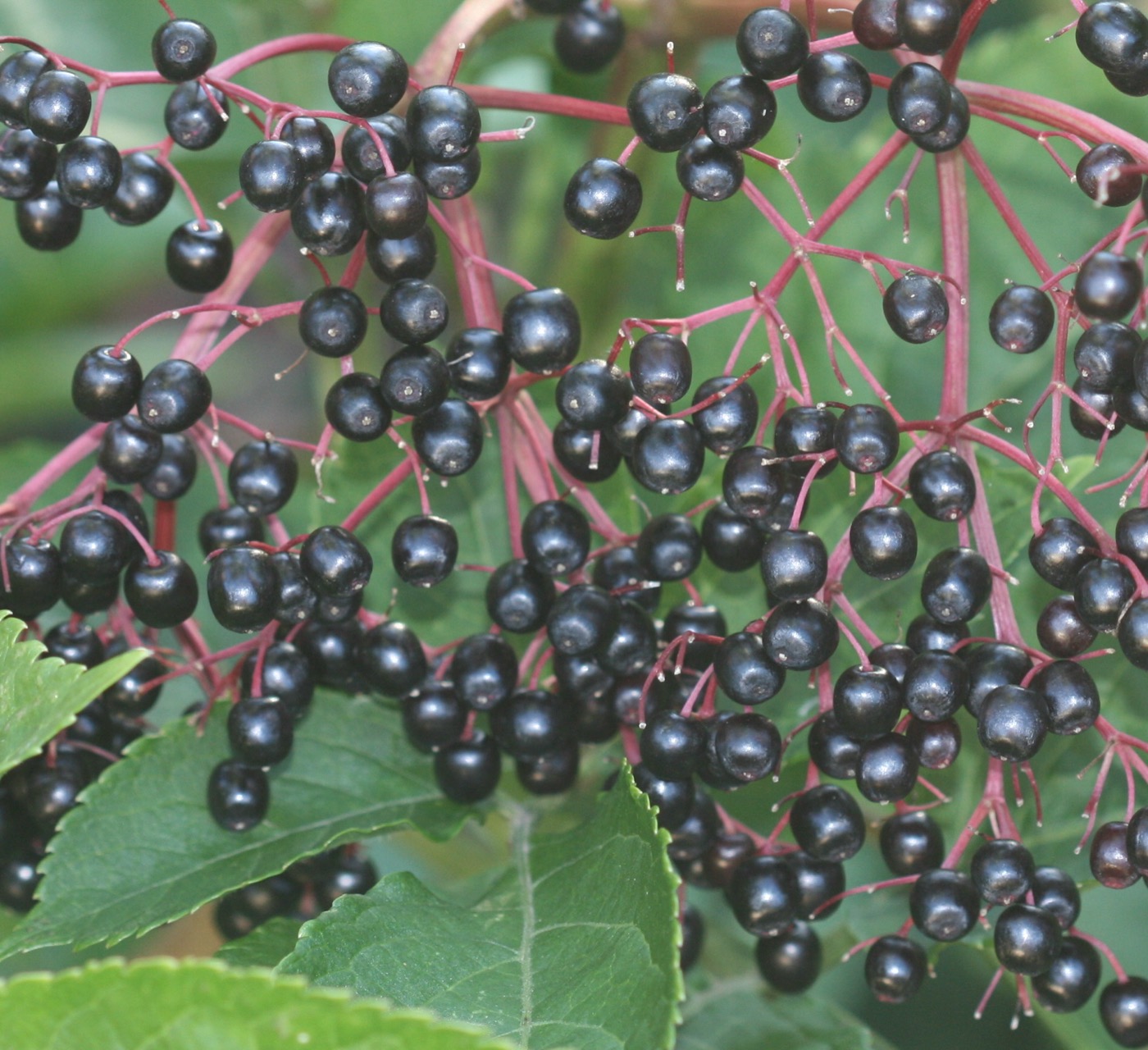
Elderberry Immune Syrup
Deep purple syrup built on heat-processed European black elderberry, Sambucus nigra L. Anthocyanins declared by HPLC as cyanidin-3-glucoside. Honey, sucrose or vegan glycerine base.
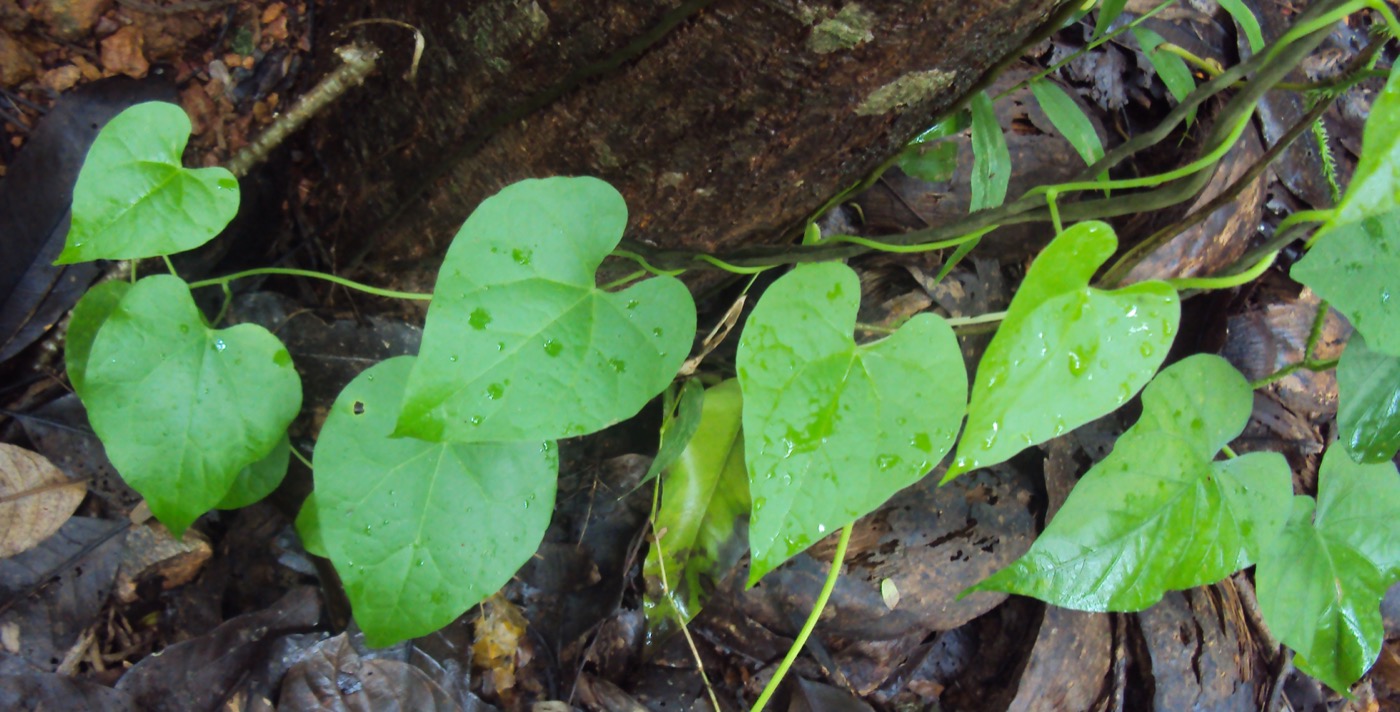
Giloy and Tulsi Immunity Blend
Two-herb Ayurvedic immunity blend: giloy stem, Tinospora cordifolia (Willd.) Miers, with tulsi leaf, Ocimum tenuiflorum L. Supplied as tablets or as juice, with species authentication on every batch.