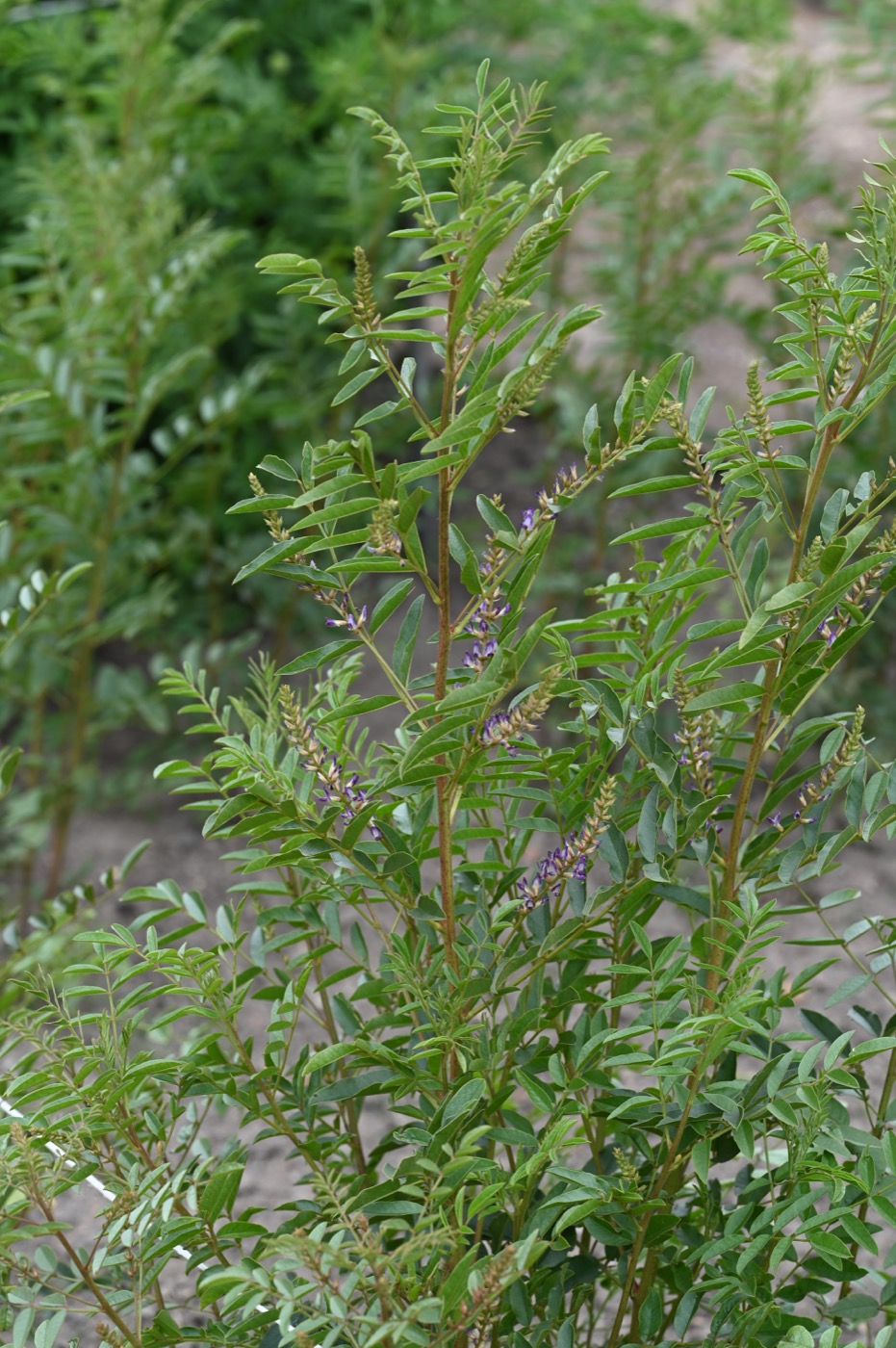
Yashtimadhu Extract (Licorice Root)
Licorice root and stolon extract of Glycyrrhiza glabra, offered as glycyrrhizin 5–25%, glabridin 10–40% by HPLC, or deglycyrrhizinated DGL with glycyrrhizin below 3%. Vegan, 25 kg drums.
Specifications
| Botanical source | Glycyrrhiza glabra L., family Fabaceae. Plant part: dried root and stolon, unpeeled. Ayurvedic name Yashtimadhu or Mulethi. |
| Glycyrrhizin grades | Glycyrrhizin 5%, 10%, 20% and 25% by UV or HPLC. Raw root typically carries 2–15%; concentrated commercial extracts 10–25%. |
| Glabridin grades | Glabridin 10%, 20% and 40% by HPLC. Bought chiefly by personal-care and cosmetic-actives formulators rather than the oral trade. |
| DGL grade | Deglycyrrhizinated licorice: glycyrrhizin reduced to below 3% with the flavonoid fraction retained. Tighter sub-0.5% limits available on request. |
| Marker chemistry | Glycyrrhizic acid CAS 1405-86-3, C42H62O16, MW 822.93. Glabridin CAS 59870-68-7, C20H20O4, MW 324.38, mp 238–240 C. |
| Sweetness and flavour | Glycyrrhizic acid is 50–100 times as sweet as sucrose with the characteristic licorice note; used as a sweetness and flavour modifier. |
| pH and heat stability | Glycyrrhizic acid is stable pH 4–9 and heat-stable in normal processing; may precipitate below pH 4. Prolonged heating causes some degradation. |
| Extraction | Water or hydro-alcoholic extraction depending on grade. No ethylene oxide, no irradiation unless specifically ordered. |
| Appearance and solubility | Yellow-brown to dark brown powder, sweet characteristic taste. Glycyrrhizin grades water-soluble; glabridin grades require a hydro-alcoholic or oil carrier. |
| Loss on drying / particle size | Loss on drying NMT 5.0%. 100% through 80 mesh. Bulk density typically 0.40–0.65 g/mL. Granulated flow grades available. |
| Heavy metals | Lead, arsenic, cadmium and mercury by ICP-MS on every lot to USP <2232> or to the buyer's own tighter limits, reported on the CoA. |
| Microbiology | TPC NMT 10,000 cfu/g; yeast and mould NMT 1,000 cfu/g; E. coli, Salmonella and S. aureus absent in 10 g / 25 g. |
| Allergens and origin | Vegan and vegetarian. Fabaceae but not a declarable allergen. Free of milk, egg, soy, fish, crustacean, tree nut, peanut, sesame and gluten. Non-GMO. |
| Intake constraint | EU Scientific Committee on Food: regular ingestion should not exceed 100 mg glycyrrhizin per day from all sources. Dose accordingly or specify DGL. |
| HS code | 13021200 (India ITC-HS) — saps and extracts of liquorice. Not 13021919; see classification note. |
Applications
Available grades
Glycyrrhizin 5%, 10%, 20%, 25% by UV or HPLC; glabridin 10%, 20%, 40% by HPLC; DGL with glycyrrhizin below 3% or below 0.5%; and 4:1 / 10:1 native ratio extracts. Water-soluble spray-dried, granulated and oil-dispersible carriers available. Kosher and Halal certified lots on request.
Related products
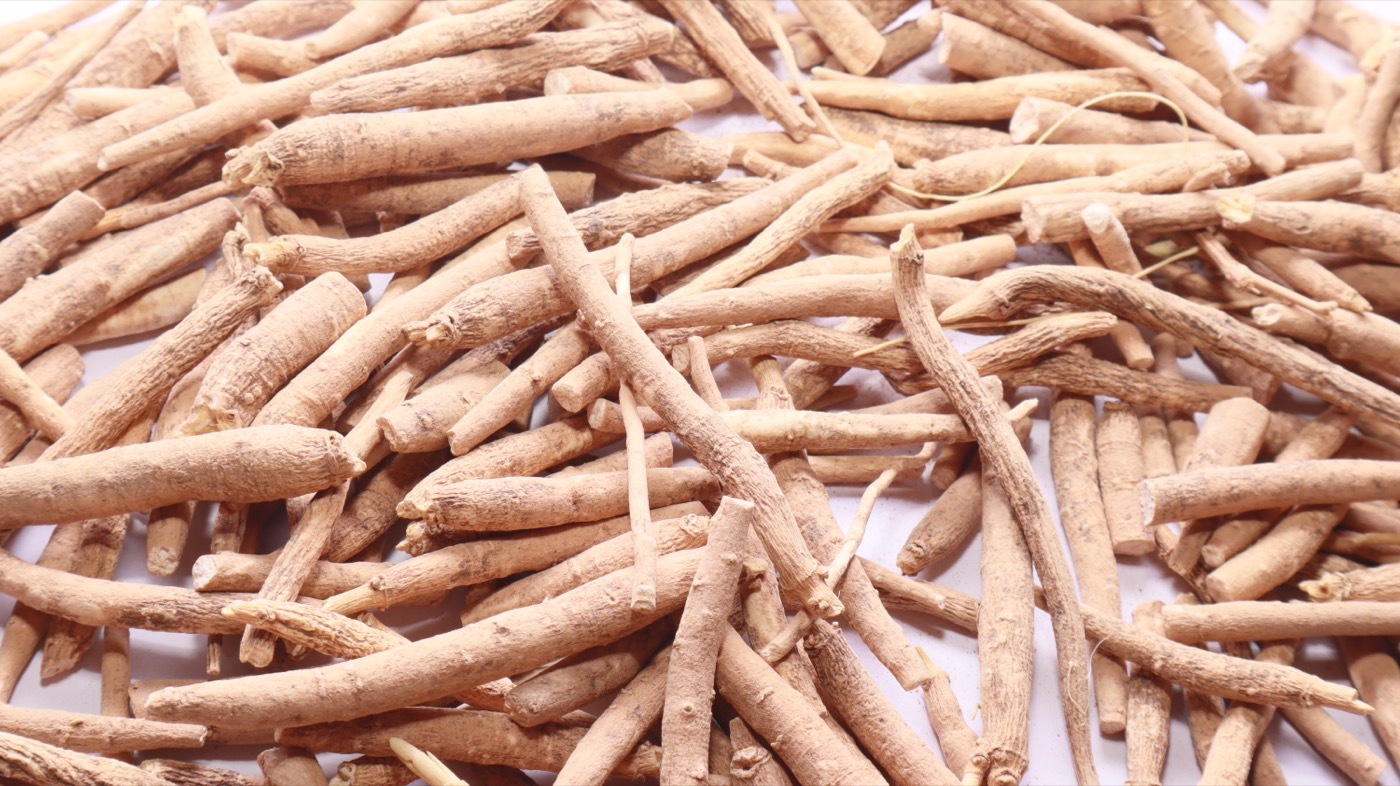
Ashwagandha Extract (Withania somnifera)
Hydro-alcoholic root extract of Withania somnifera standardised to 1.5–10% total withanolides by HPLC. Root-only material, vegan, bulk 25 kg export packing from India with batch COA.
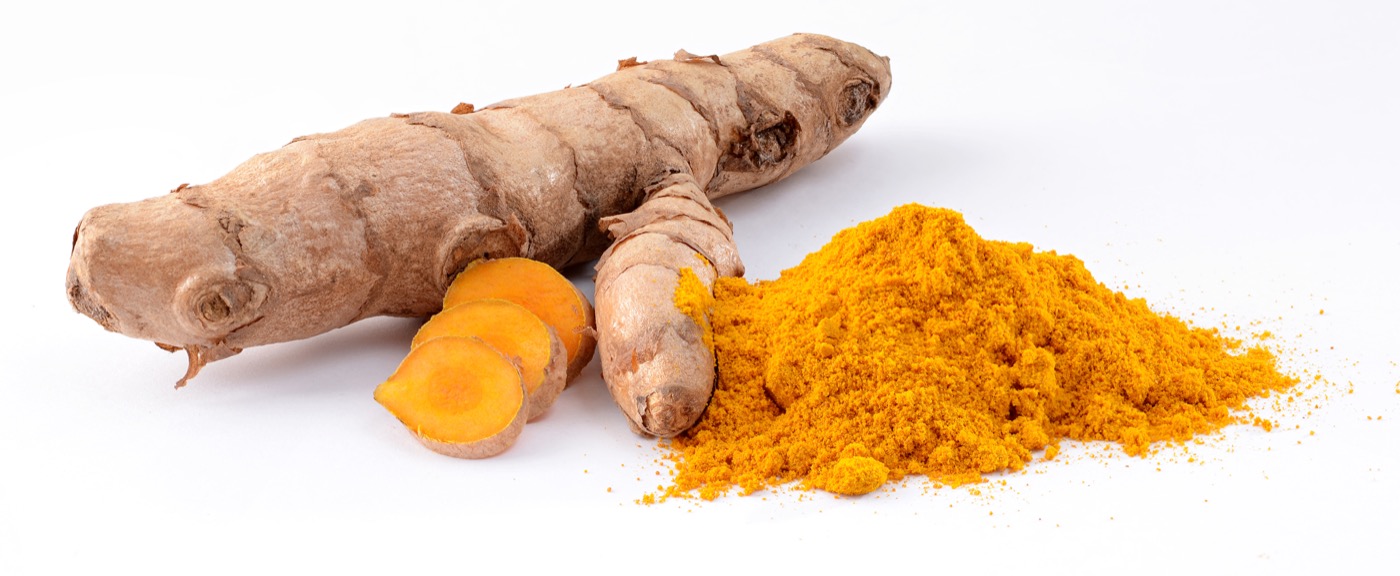
Turmeric Extract / Curcumin 95%
Purified Curcuma longa rhizome extract assaying NLT 95% total curcuminoids by HPLC, in USP curcumin / desmethoxy / bisdesmethoxy proportions. Orange-yellow crystalline powder, vegan.
Turmeric / Curcumin Extract
Standardized curcumin extract (up to 95% curcuminoids) for high-potency anti-inflammatory supplements.