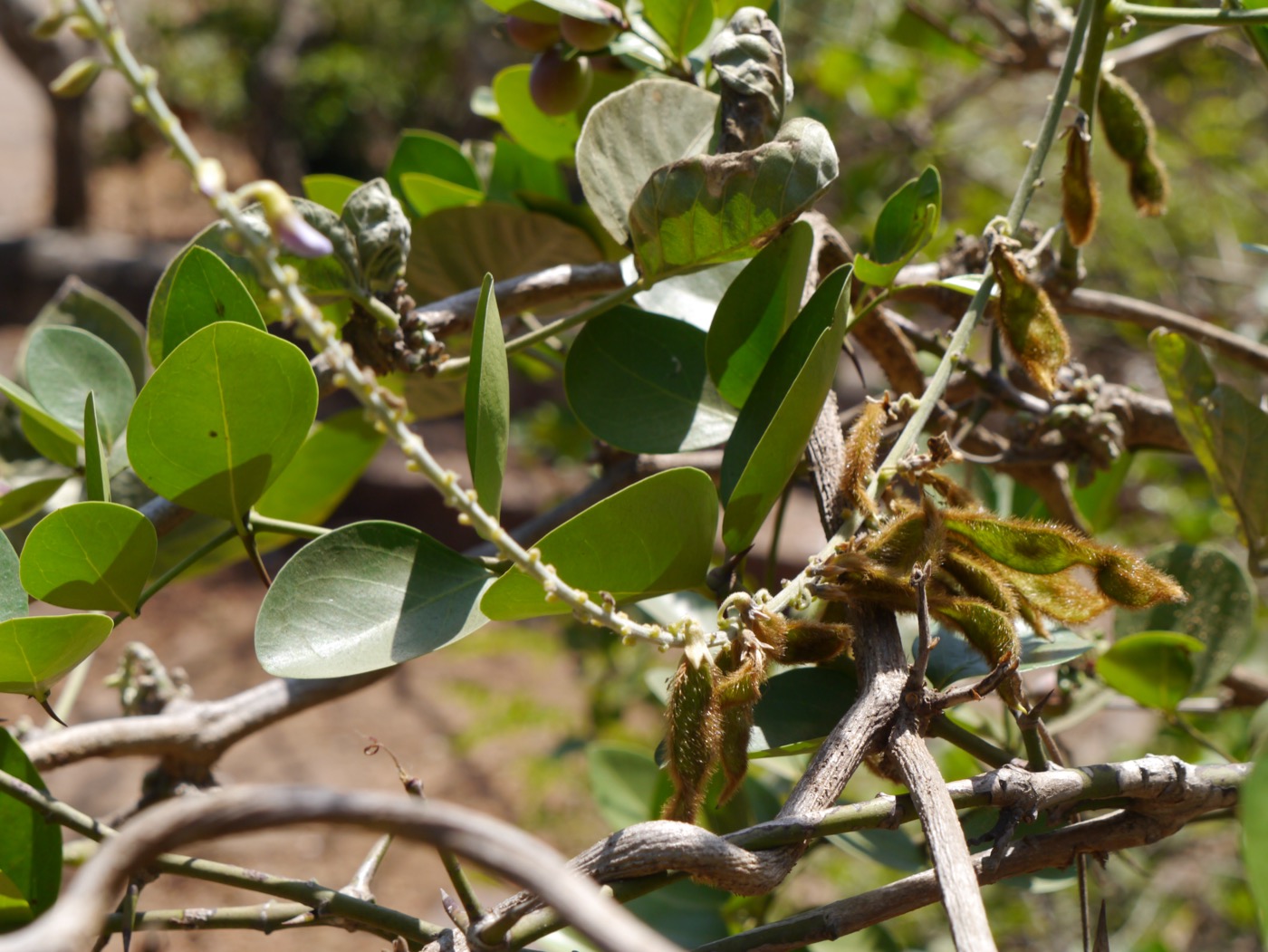
Vidari kand extract (Pueraria)
A water or hydroalcoholic extract of authenticated Pueraria tuberosa tuber, the Ayurvedic Vidari, supplied as native ratio extracts or standardised on puerarin by HPLC for capsule, tablet and churna blends.
Specifications
| Botanical source | Pueraria tuberosa (Roxb. ex Willd.) DC., family Fabaceae; dried tuber. The Ayurvedic Pharmacopoeia of India correlates this species with 'Vidari'. |
| Authentication | Macro/microscopy plus HPTLC or HPLC fingerprint to exclude Ipomoea mauritiana (syn. I. digitata, I. paniculata, 'Kshiravidari'), the usual trade substitute. |
| Marker compound | Puerarin, CAS 3681-99-0, C21H20O9, MW 416.38, the 8-C-glucoside of daidzein. Secondary markers daidzein and genistein. |
| Standardisation | Puerarin by RP-HPLC-UV at 254 nm, to customer target. Native ratio extracts 4:1 and 10:1 also supplied without marker enrichment. |
| Appearance and organoleptics | Free-flowing fine powder, light brown to brown. Characteristic odour and taste. Identity confirmed by FTIR. |
| Extraction solvent | Water or water/ethanol, declared per lot on the CoA. No Class 1 solvents used. Residual solvent tested where ethanol is used. |
| Carrier | Carrier-free, or spray-dried on maize-derived maltodextrin. Carrier identity and level stated on the CoA; maltodextrin is gluten-free. |
| Particle size | 100% passes through 40 mesh (approx. 425 microns) as standard; 80 mesh available on request. |
| Loss on drying and ash | Loss on drying NMT 5.0% (USP <731>); total ash NMT 6.0%. |
| Heavy metals | Lead NMT 1 ppm, arsenic NMT 1 ppm, cadmium NMT 1 ppm, mercury NMT 0.1 ppm, by ICP-MS or AAS. |
| Microbiology | Total plate count NMT 5,000 cfu/g; yeast and mould NMT 100 cfu/g; Salmonella, E. coli and S. aureus absent in 10 g (USP <2021>/<2022>). |
| Allergen and diet status | Vegan and vegetarian. Fabaceae by botany but not soy or peanut, so not declarable under EU FIC Annex II or US FALCPA. No milk, egg, fish, crustacean, gluten or nut. |
| Shelf life and storage | 24 months from manufacture in unopened original packing. Store below 25 degrees C, dry, away from direct sunlight and strong odours. |
| HS code | India ITC-HS 1302 19 19 (vegetable extracts, other). Final classification rests with the importing customs authority. |
Applications
Available grades
Native ratio extract 4:1 and 10:1; puerarin-standardised grades built to customer target by HPLC; plain milled tuber powder. Carrier-free or maltodextrin-carried. Conventional and certified organic (NPOP, NOP, EU). Kosher and Halal certification available. Food and nutraceutical grade.
Related products
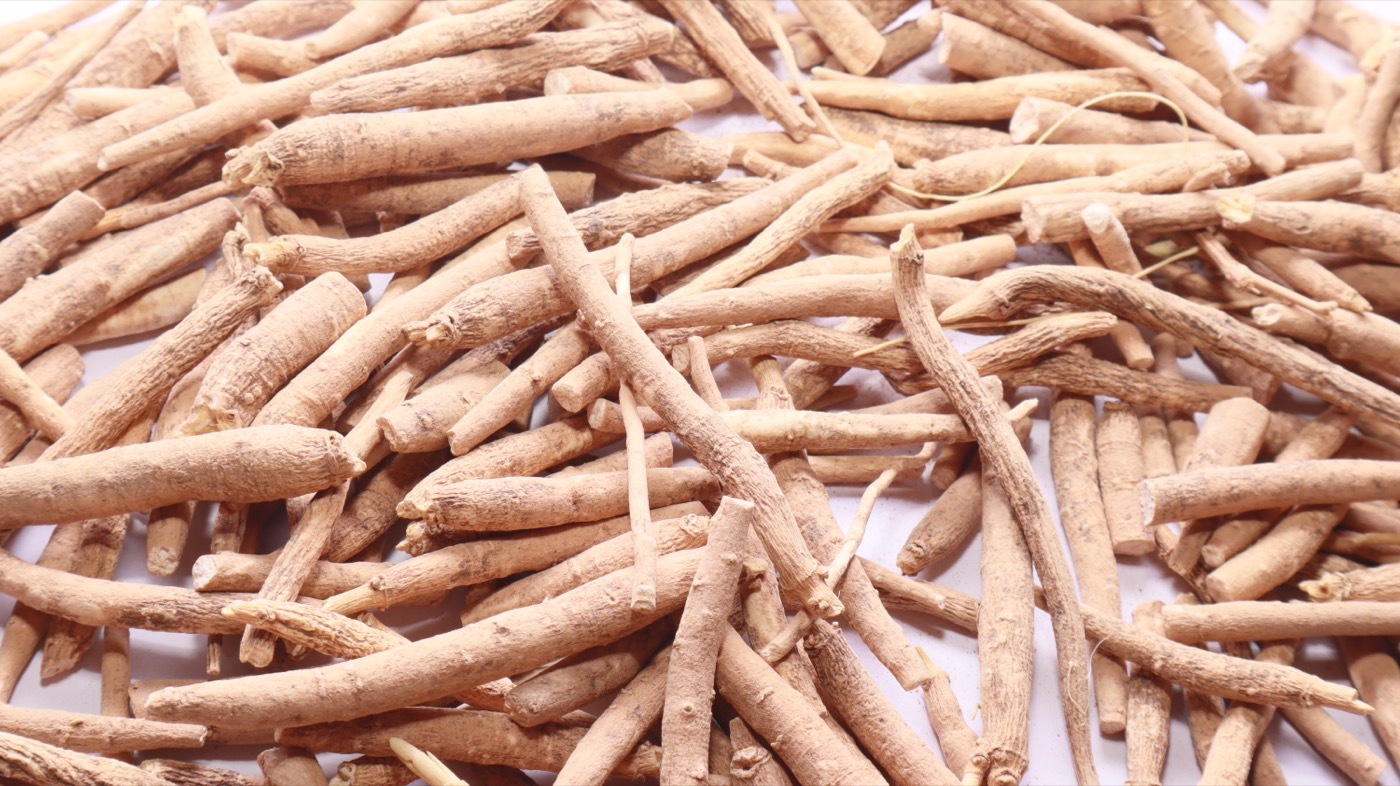
Ashwagandha Extract (Withania somnifera)
Hydro-alcoholic root extract of Withania somnifera standardised to 1.5–10% total withanolides by HPLC. Root-only material, vegan, bulk 25 kg export packing from India with batch COA.
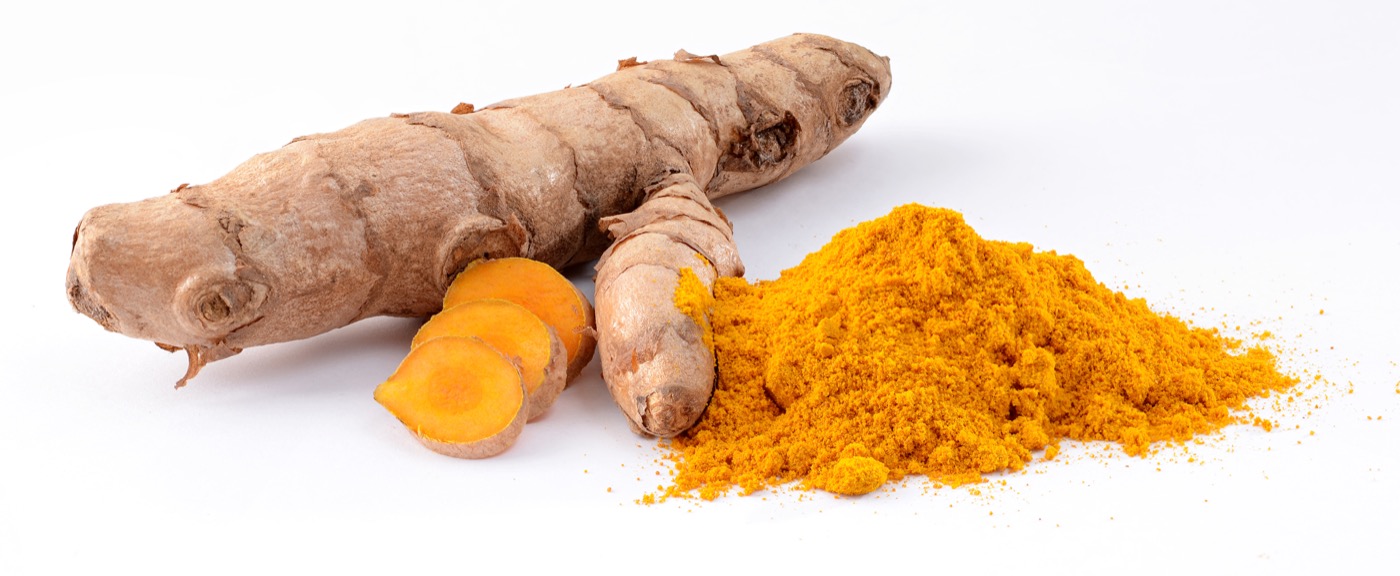
Turmeric Extract / Curcumin 95%
Purified Curcuma longa rhizome extract assaying NLT 95% total curcuminoids by HPLC, in USP curcumin / desmethoxy / bisdesmethoxy proportions. Orange-yellow crystalline powder, vegan.
Turmeric / Curcumin Extract
Standardized curcumin extract (up to 95% curcuminoids) for high-potency anti-inflammatory supplements.