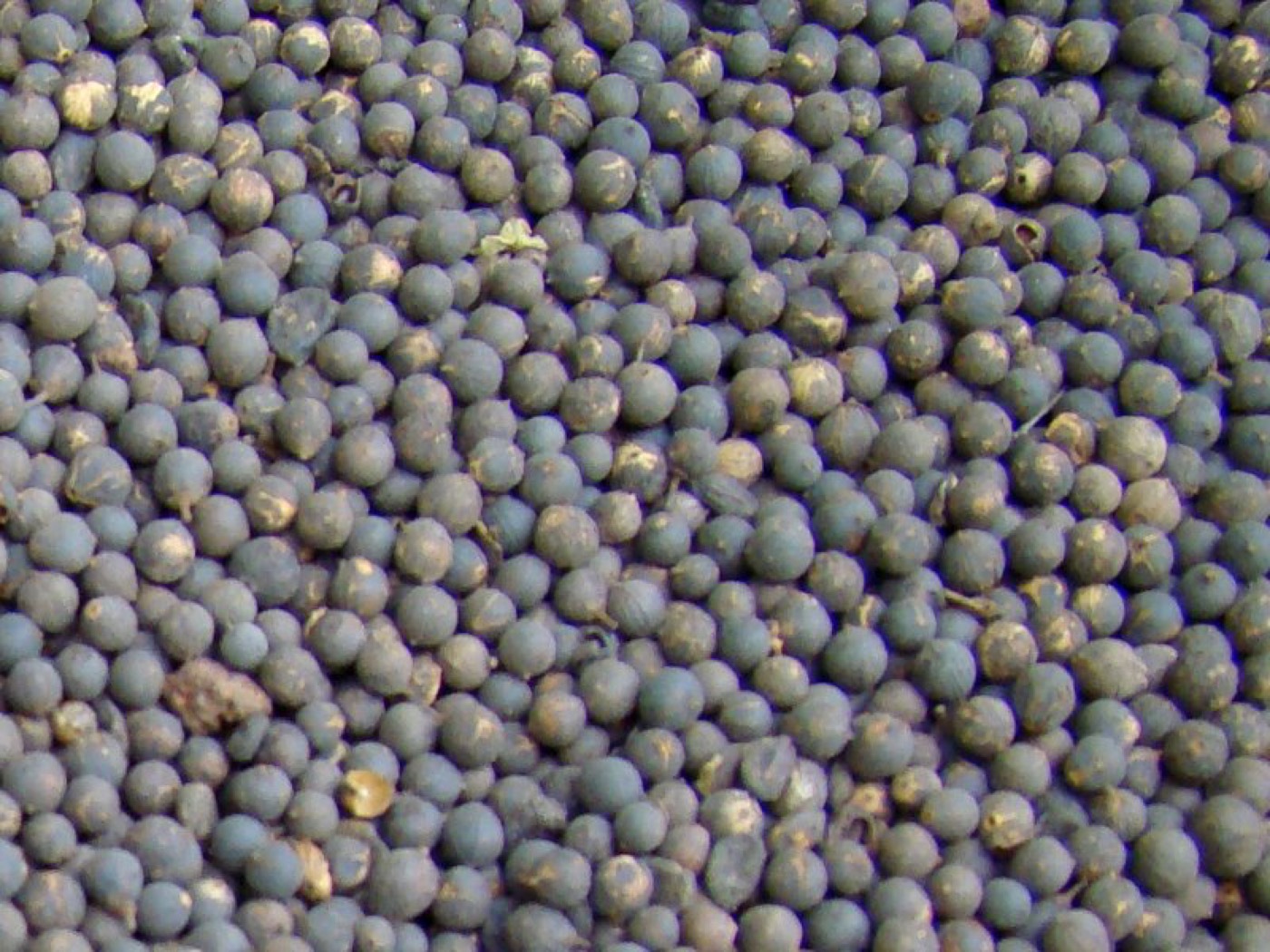
Vidanga extract (Embelia ribes)
Fruit extract of Embelia ribes standardised on embelin (CAS 550-24-3) by HPLC, typically 2.5% to 10%. Species-verified against E. tsjeriam-cottam substitution. Vegan, allergen-free, bulk from India.
Specifications
| Botanical identity | Embelia ribes Burm.f., family Primulaceae (formerly Myrsinaceae). Ayurvedic drug Vidanga or Vayavidanga; trade name false black pepper. |
| Plant part | Dried ripe fruit (berry), cleaned and de-stalked. Not the leaf, bark or root, which carry markedly lower embelin. |
| Standardisation | Embelin not less than 2.5%, 5% or 10% by HPLC; 5% is the common commercial grade. High-purity embelin isolate at 95% and above supplied as a separate article. |
| Marker compound | Embelin, 2,5-dihydroxy-3-undecylcyclohexa-2,5-diene-1,4-dione. CAS 550-24-3, C17H26O4, molar mass 294.39, melting point 142–143 °C, dark orange crystalline. |
| Species substitution note | Market Vidanga is widely substituted with Embelia tsjeriam-cottam, an API-accepted substitute. Species supplied is declared on the CoA, not inferred from assay. |
| Reported fruit embelin | Published comparison of fruit: E. ribes about 5.94% w/w, E. tsjeriam-cottam 4.32%, Myrsine africana 1.85%. Assay alone does not identify the species. |
| Identity testing | HPTLC fingerprint against an authenticated botanical reference on every lot; DNA barcoding available on request to distinguish E. ribes from close relatives. |
| Sourcing and conservation | Not CITES-listed. Indian CAMP assessments record Vulnerable status in Karnataka, Nagaland, Odisha and Sikkim; cultivated and traceable collection prioritised. |
| Appearance and solubility | Fine brown to reddish-brown powder, characteristic pungent odour. Embelin is poorly water-soluble; soluble in ethanol and chloroform. Light-sensitive. |
| Extraction and particle size | Hydro-alcoholic (ethanol/water) extraction, solvent stated on the CoA; residual solvents to ICH Q3C. Not less than 95% through 80 mesh. |
| Loss on drying and ash | Loss on drying not more than 5.0%. Total ash not more than 5.0%. Carrier-free or on maize maltodextrin to specification, carrier declared for labelling. |
| Heavy metals and microbiology | Lead NMT 10 ppm, arsenic NMT 3 ppm, cadmium NMT 0.3 ppm, mercury NMT 1 ppm. TPC NMT 10,000 cfu/g; yeast and mould NMT 1,000 cfu/g; E. coli and Salmonella absent per 10 g. |
| Allergen and dietary status | Vegan and vegetarian. No milk, egg, soy, fish, crustacean, gluten, sesame, peanut or tree nut in material or process. Non-bovine, non-porcine, non-marine, non-GM. |
| Shelf life, storage | 24 months unopened, below 25 °C and under 60% RH, protected from light. |
| HS code | 13021919 (India ITC-HS) |
Applications
Available grades
Embelin 2.5%, 5% and 10% by HPLC; native ratio 4:1 and 10:1 fruit extract; high-purity embelin isolate 95% and above supplied separately under chapter 29 classification. Water-dispersible and hydro-alcoholic versions, spray-dried or granulated, carrier-free or maltodextrin-carried. Conventional and certified organic (NOP and EU). Raw Vidanga fruit and 80-mesh fruit powder also available.
Related products
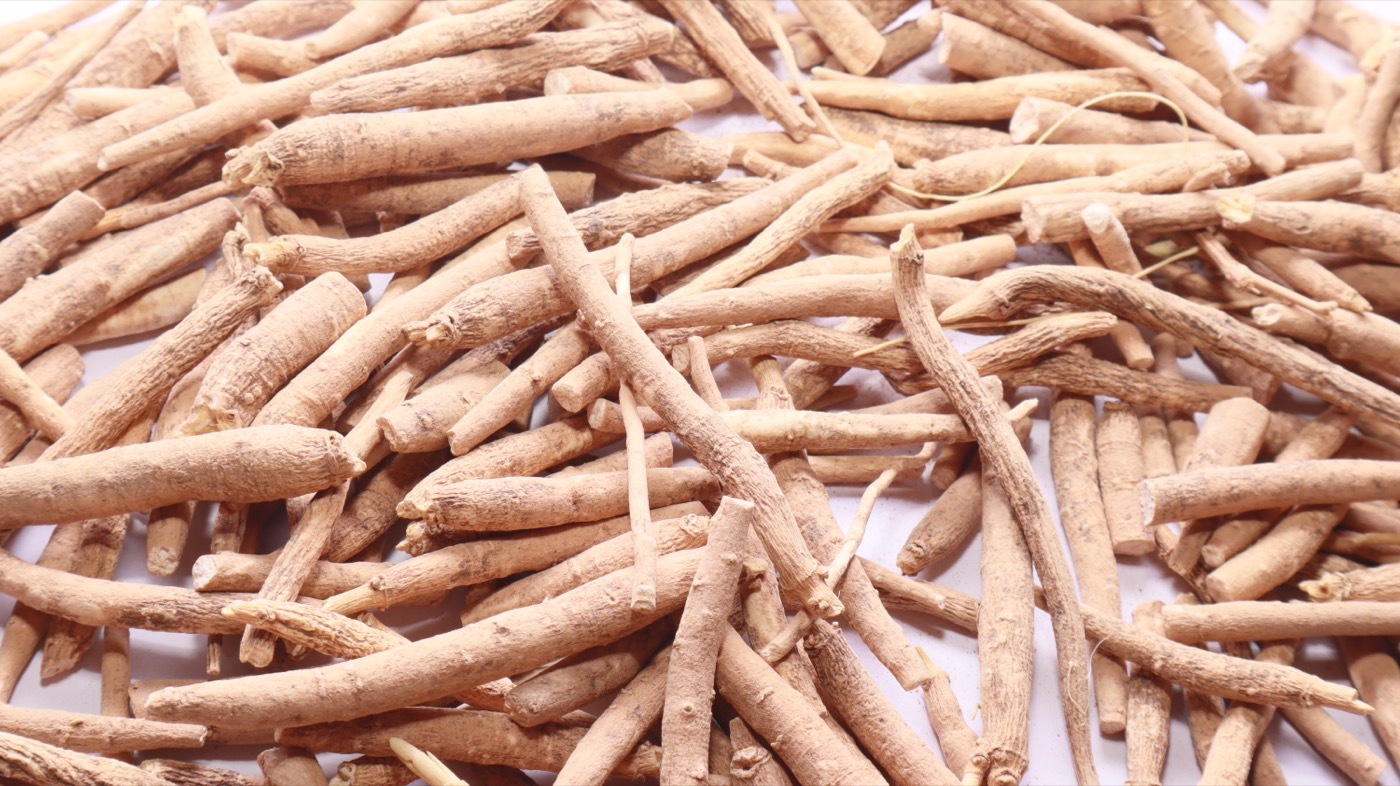
Ashwagandha Extract (Withania somnifera)
Hydro-alcoholic root extract of Withania somnifera standardised to 1.5–10% total withanolides by HPLC. Root-only material, vegan, bulk 25 kg export packing from India with batch COA.
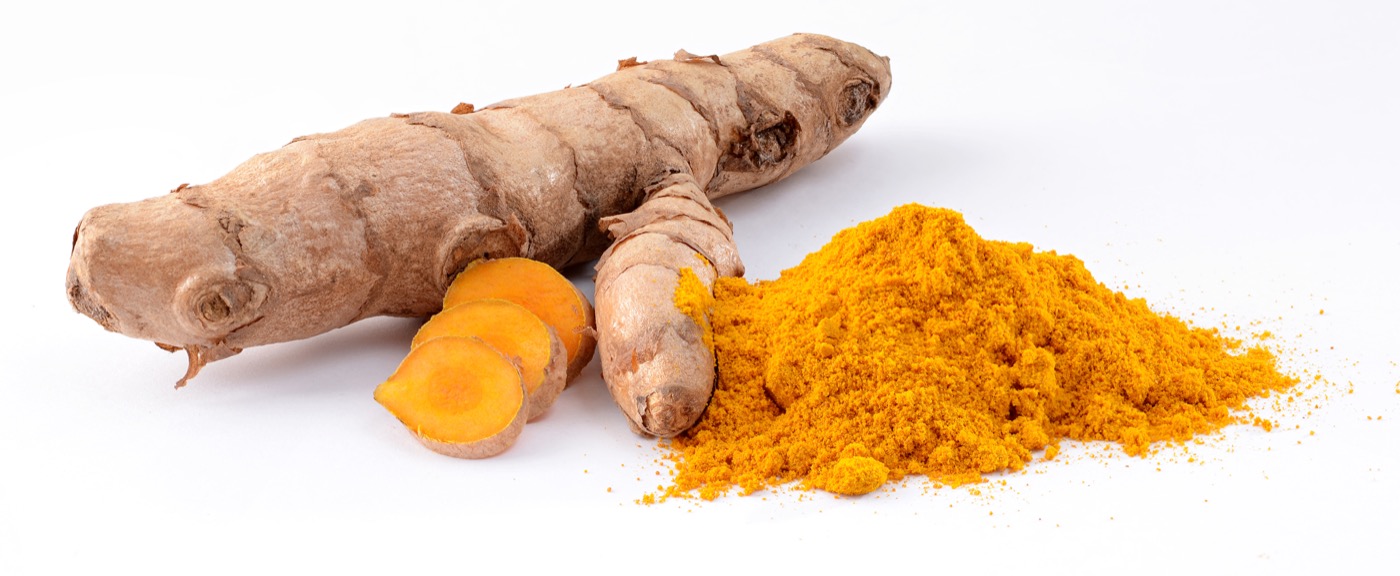
Turmeric Extract / Curcumin 95%
Purified Curcuma longa rhizome extract assaying NLT 95% total curcuminoids by HPLC, in USP curcumin / desmethoxy / bisdesmethoxy proportions. Orange-yellow crystalline powder, vegan.
Turmeric / Curcumin Extract
Standardized curcumin extract (up to 95% curcuminoids) for high-potency anti-inflammatory supplements.