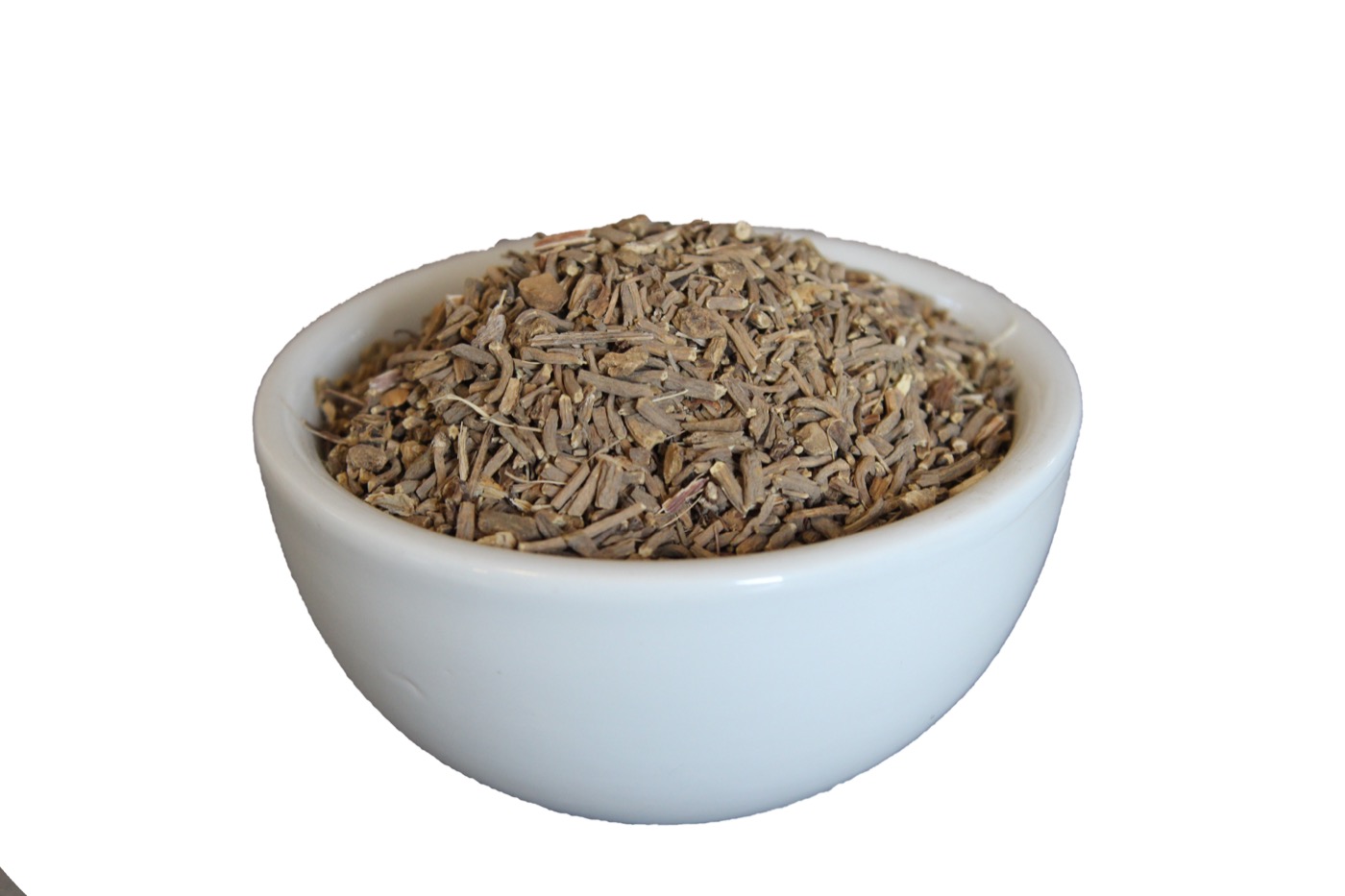
Valerian root extract
Valerian rhizome-and-root extract standardised on sesquiterpenic acids at 0.4% and 0.8% expressed as valerenic acid by HPLC. Ph. Eur.-conforming grades available. Vegan, 25 kg drums.
Specifications
| Botanical identity | Valeriana officinalis L. sensu lato (Caprifoliaceae, formerly Valerianaceae); dried underground parts — rhizome with roots and stolons (Valerianae radix). |
| Marker compounds | Valerenic acid, CAS 3569-10-6, C15H22O2, Mr 234.3, reported with acetoxyvalerenic acid (C17H24O4) and hydroxyvalerenic acid (C15H22O3) as sesquiterpenic acids. |
| Assay / standardisation | Sesquiterpenic acids NLT 0.4% or NLT 0.8% m/m expressed as valerenic acid by HPLC, as ordered. Specification states whether the figure is the group or the single acid. |
| Ph. Eur. limits, crude drug | Valerianae radix 07/2015:0453 — essential oil NLT 4 mL/kg and sesquiterpenic acids NLT 0.17% m/m. Cut root 07/2015:2526 — NLT 3 mL/kg and NLT 0.10% m/m. |
| Ph. Eur. limits, dry extracts | Hydroalcoholic dry extract 07/2014:1898 (ethanol 30-90% V/V or methanol 40-55% V/V) NLT 0.25% m/m; aqueous dry extract, water at NLT 60 °C, NLT 0.02% m/m. |
| Drug-to-extract ratio | EMA well-established-use dry extract DER 3-7.4:1, ethanol 40-70% V/V; traditional aqueous dry extract DER 4-6:1. Native DER and solvent stated on each specification. |
| Valepotriates | Valtrate, isovaltrate and didrovaltrate occur at about 0.1-2% in the drug and are thermolabile. Finished extracts carry little or none; level tested and reported. |
| Appearance and odour | Light to dark brown fine powder with the characteristic pungent valerian odour from isovaleric acid. The odour is inherent to genuine material, not a defect. |
| Species substitution caution | Indian valerian / tagara is Valeriana jatamansi Jones (syn. V. wallichii DC.) — a different species, valepotriate-rich and valerenic-acid-poor. Quoted separately. |
| Water, ash and residual solvents | Loss on drying NMT 5.0%; total ash NMT 10.0%; residual ethanol within ICH Q3C limits; methanol not used on food-grade lots. |
| Heavy metals | By ICP-MS: lead NMT 3.0 ppm, arsenic NMT 2.0 ppm, cadmium NMT 1.0 ppm, mercury NMT 0.1 ppm. Tighter buyer limits quoted on request. |
| Microbiology | TPC NMT 10,000 cfu/g; yeast and mould NMT 500 cfu/g; E. coli, Salmonella and S. aureus absent in the stated sample size. |
| Allergen and dietary status | Vegan and plant-derived; not bovine, porcine or marine. Free of milk, egg, soy, fish, crustacean, tree nut, peanut, sesame, celery, mustard and gluten. |
| Shelf life, storage | 24 months sealed below 25 °C, protected from light and moisture; odour intensifies on air exposure. |
| HS code | 13021919 |
Applications
Available grades
Hydroalcoholic dry extract at NLT 0.4% and NLT 0.8% sesquiterpenic acids as valerenic acid by HPLC; Ph. Eur.-conforming hydroalcoholic dry extract at NLT 0.25%; aqueous dry extract for alcohol-free specifications; 4:1 and 10:1 native-DER grades; water-soluble and water-dispersible formats; cut-and-sifted and powdered Valerianae radix. Valeriana jatamansi (Indian valerian, tagara) quoted as a separate product. Options: kosher, halal, non-GMO and vegan declarations, low-odour granulation, and buyer-specific heavy-metal, pesticide and valepotriate limits.
Related products
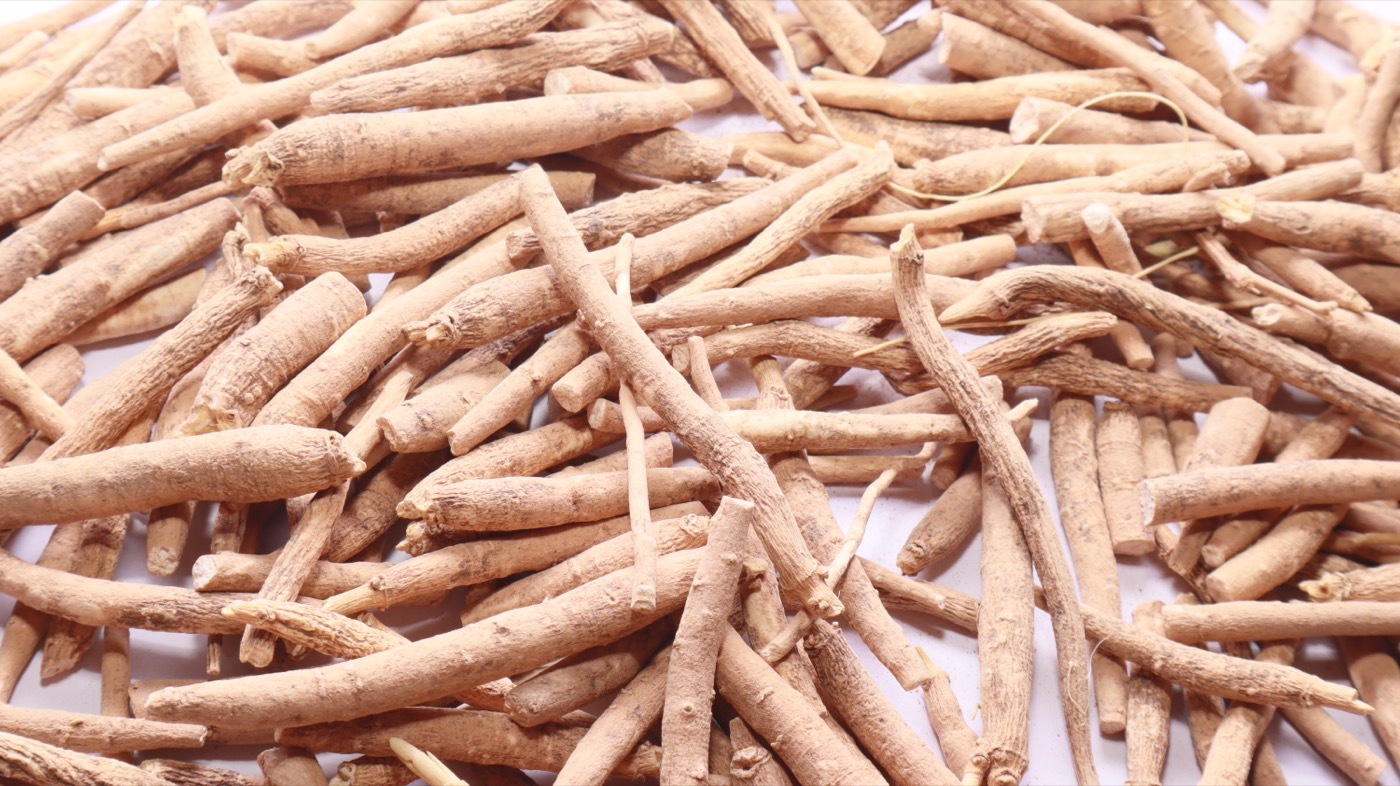
Ashwagandha Extract (Withania somnifera)
Hydro-alcoholic root extract of Withania somnifera standardised to 1.5–10% total withanolides by HPLC. Root-only material, vegan, bulk 25 kg export packing from India with batch COA.
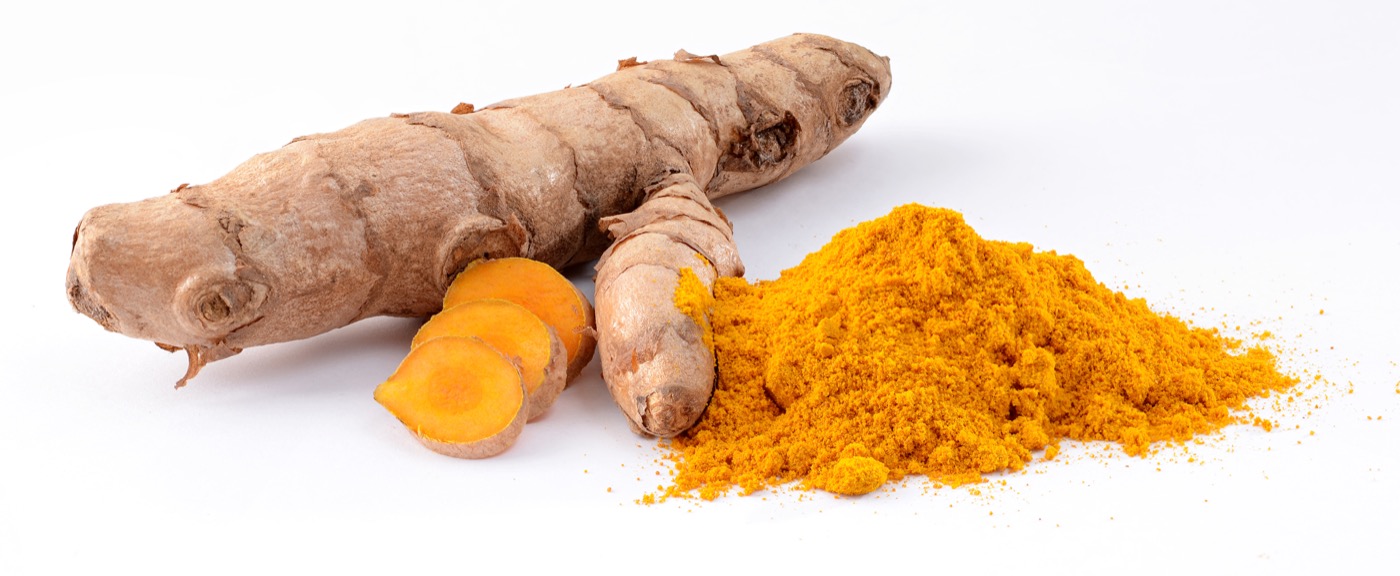
Turmeric Extract / Curcumin 95%
Purified Curcuma longa rhizome extract assaying NLT 95% total curcuminoids by HPLC, in USP curcumin / desmethoxy / bisdesmethoxy proportions. Orange-yellow crystalline powder, vegan.
Turmeric / Curcumin Extract
Standardized curcumin extract (up to 95% curcuminoids) for high-potency anti-inflammatory supplements.