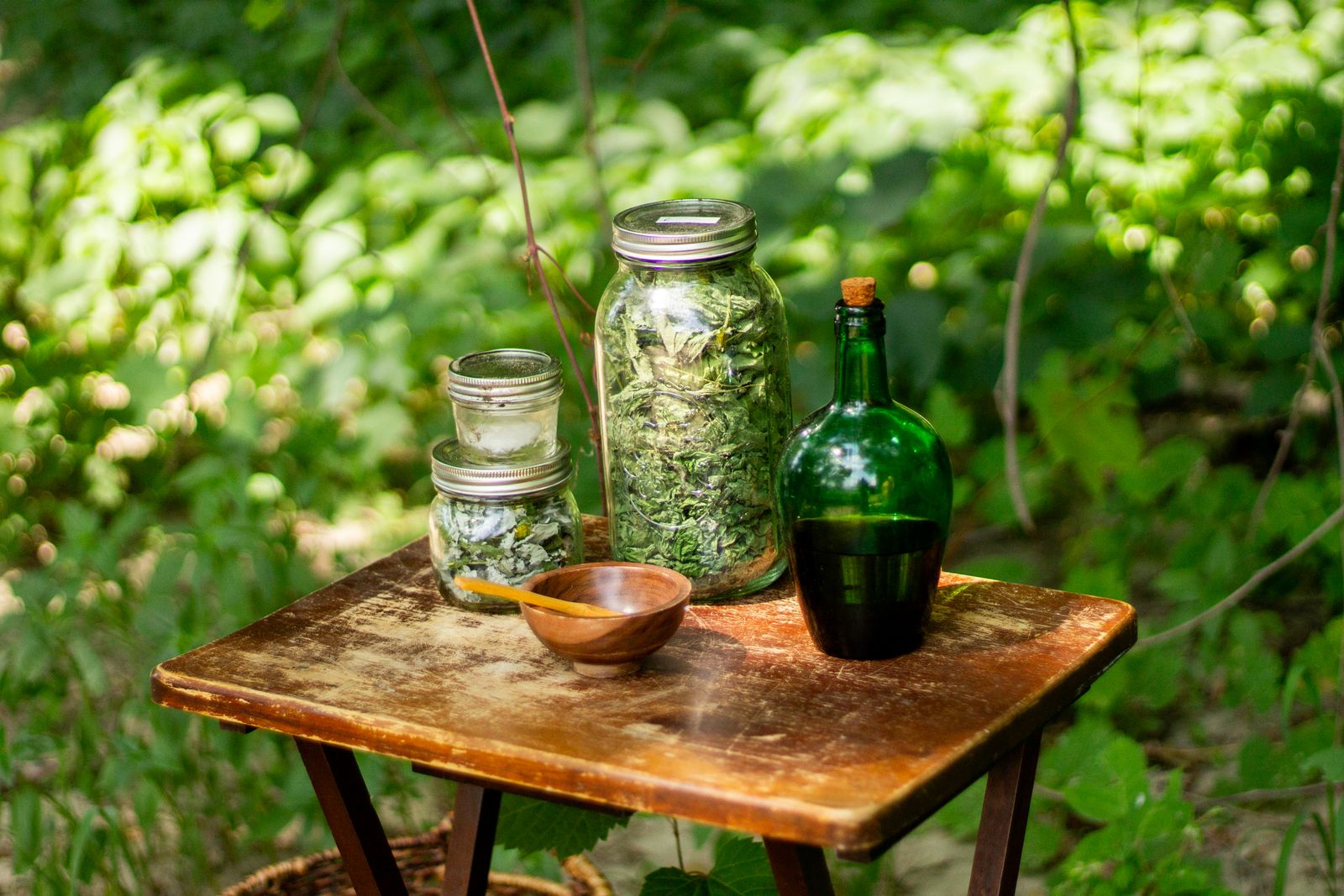
Turmeric Whole Rhizome Powder (Curcuma longa)
Milled whole dried rhizome of Curcuma longa — not an extract. Full-spectrum powder carrying its native 2–5% curcuminoids and 3–7% volatile oil. Vegan, non-GMO, screened for lead chromate and added dyes.
Specifications
| Botanical identity | Curcuma longa L. (syn. Curcuma domestica Valeton), Fam. Zingiberaceae. Common names turmeric, haldi, haridra |
| Plant part and process | Cured dried rhizome, milled whole. No solvent extraction, no concentration step, no added carrier, excipient, colour or anticaking agent |
| Curcuminoid content | Native 2–5% total curcuminoids by HPLC, measured and stated per lot. Assayed commercial turmeric powders average about 3.14% curcumin by weight |
| Curcuminoids present | Curcumin (CAS 458-37-7, C21H20O6, MW 368.4), demethoxycurcumin and bisdemethoxycurcumin, in natural rhizome proportions |
| Volatile oil | 3–7% essential oils retained; principal components turmerone, germacrone, atlantone and zingiberene. Lost in purified curcuminoid grades |
| Appearance, odour and mesh | Free-flowing orange-yellow to deep ochre powder, warm earthy aroma, mildly bitter. 100% through 60 mesh standard; 80 and 100 mesh to order |
| Solubility | Insoluble in water, disperses to a suspension. Curcuminoids soluble in ethanol, acetone and alkali. Not suitable for clear beverage systems |
| Adulterant screening | Every lot screened for lead chromate, metanil yellow (acid yellow 36) and Sudan I–IV, with results on the COA. Colour is never dye-enhanced |
| Contaminant limits | Lead NMT 3 ppm, arsenic NMT 1 ppm, cadmium NMT 1 ppm, mercury NMT 0.1 ppm. Aflatoxin B1 NMT 2 ppb, total NMT 4 ppb. Pesticides to EU/USP limits |
| Microbiology | TPC NMT 50,000 cfu/g untreated or NMT 10,000 cfu/g steam-sterilised; yeast and mould NMT 500 cfu/g; E. coli and Salmonella absent |
| Allergen and diet status | Vegan and vegetarian. Free of milk, egg, soy, fish, crustacean, mollusc, peanut, tree nut, sesame, mustard, celery, lupin and gluten. Non-GMO |
| Shelf life and storage | 24 months from manufacture in sealed original packing. Store below 25 °C, dry and away from light; colour fades on prolonged light exposure |
| HS code | 09103030 — turmeric (curcuma), powder, Chapter 9 spices. Not a 1302 extract line. Final classification rests with the importing customs authority |
Applications
Available grades
Standard 2% and 3% curcuminoid food grade; premium 4–5% curcuminoid grades from selected high-curcuminoid cultivars; steam-sterilised low-microbe grade; ethylene-oxide-free grade; organic-certified (NOP/EU) powder; 60, 80 and 100 mesh cuts. Dried whole fingers, split fingers and cut rhizome are offered separately under their own tariff lines, and turmeric oleoresin and curcumin 95% are separate articles entirely.
Related products
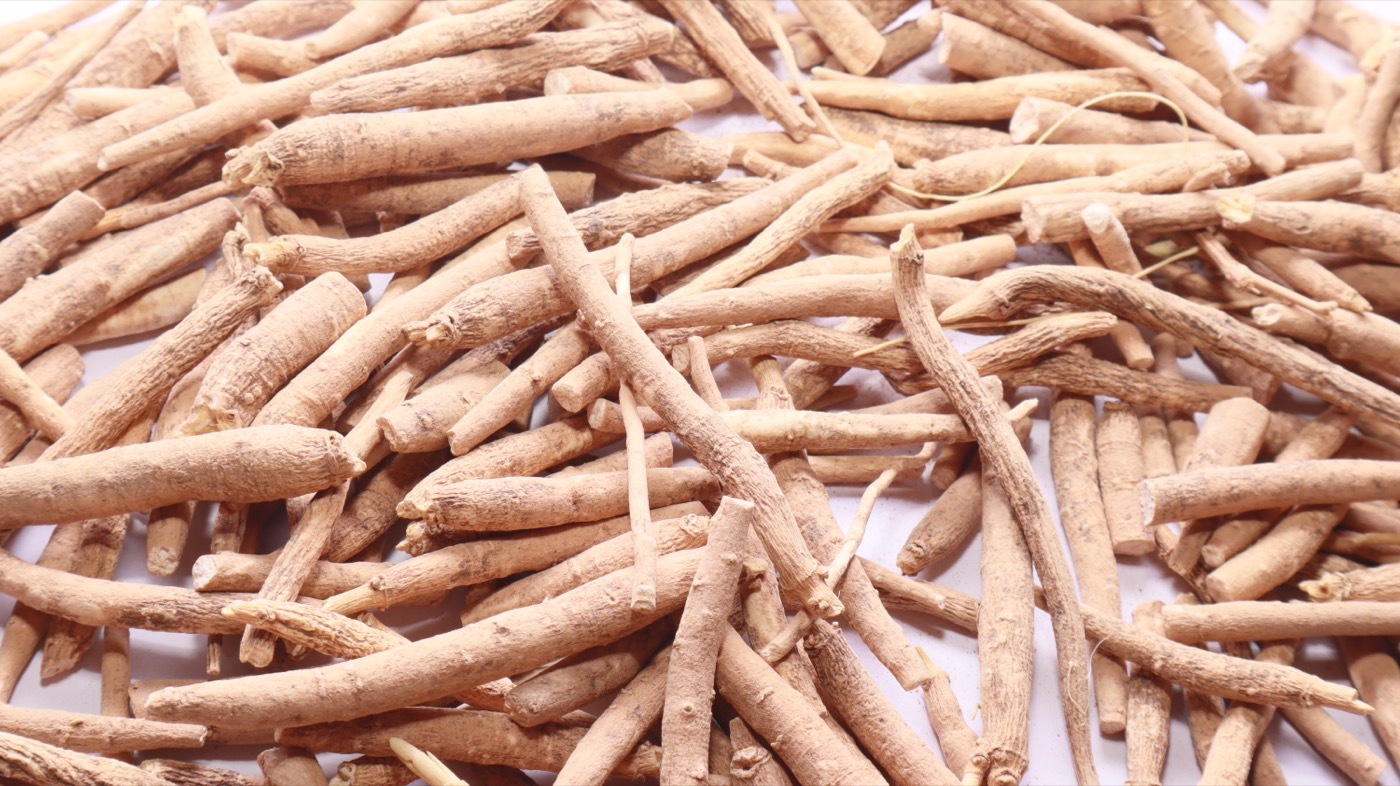
Ashwagandha Extract (Withania somnifera)
Hydro-alcoholic root extract of Withania somnifera standardised to 1.5–10% total withanolides by HPLC. Root-only material, vegan, bulk 25 kg export packing from India with batch COA.
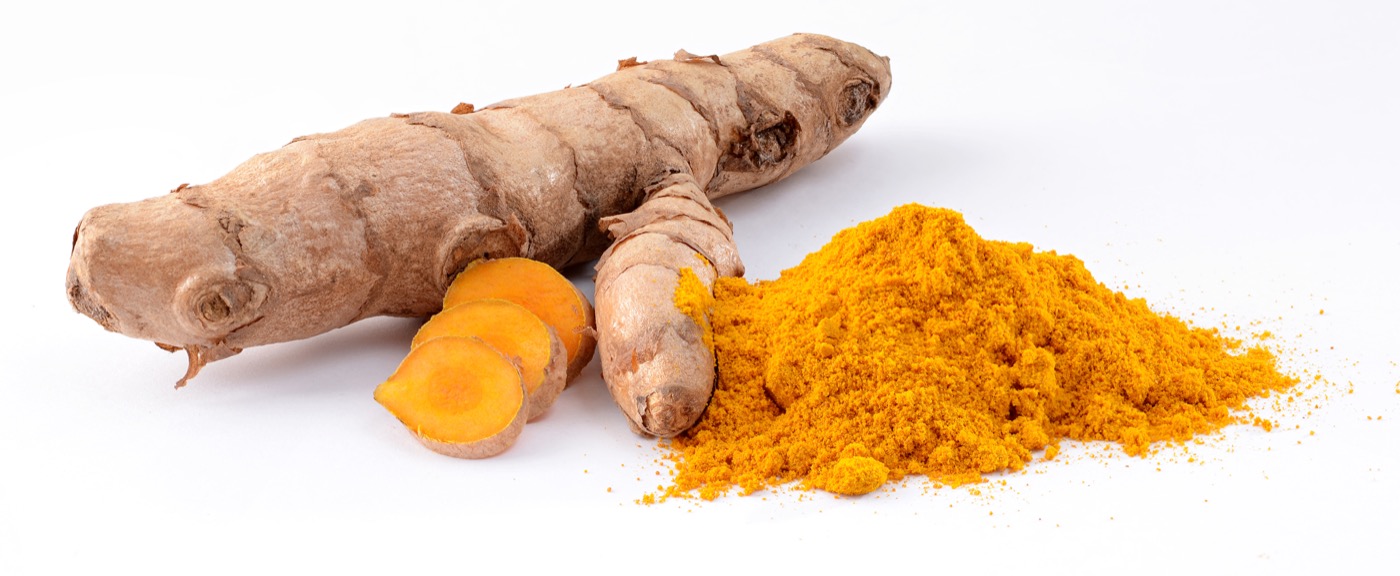
Turmeric Extract / Curcumin 95%
Purified Curcuma longa rhizome extract assaying NLT 95% total curcuminoids by HPLC, in USP curcumin / desmethoxy / bisdesmethoxy proportions. Orange-yellow crystalline powder, vegan.
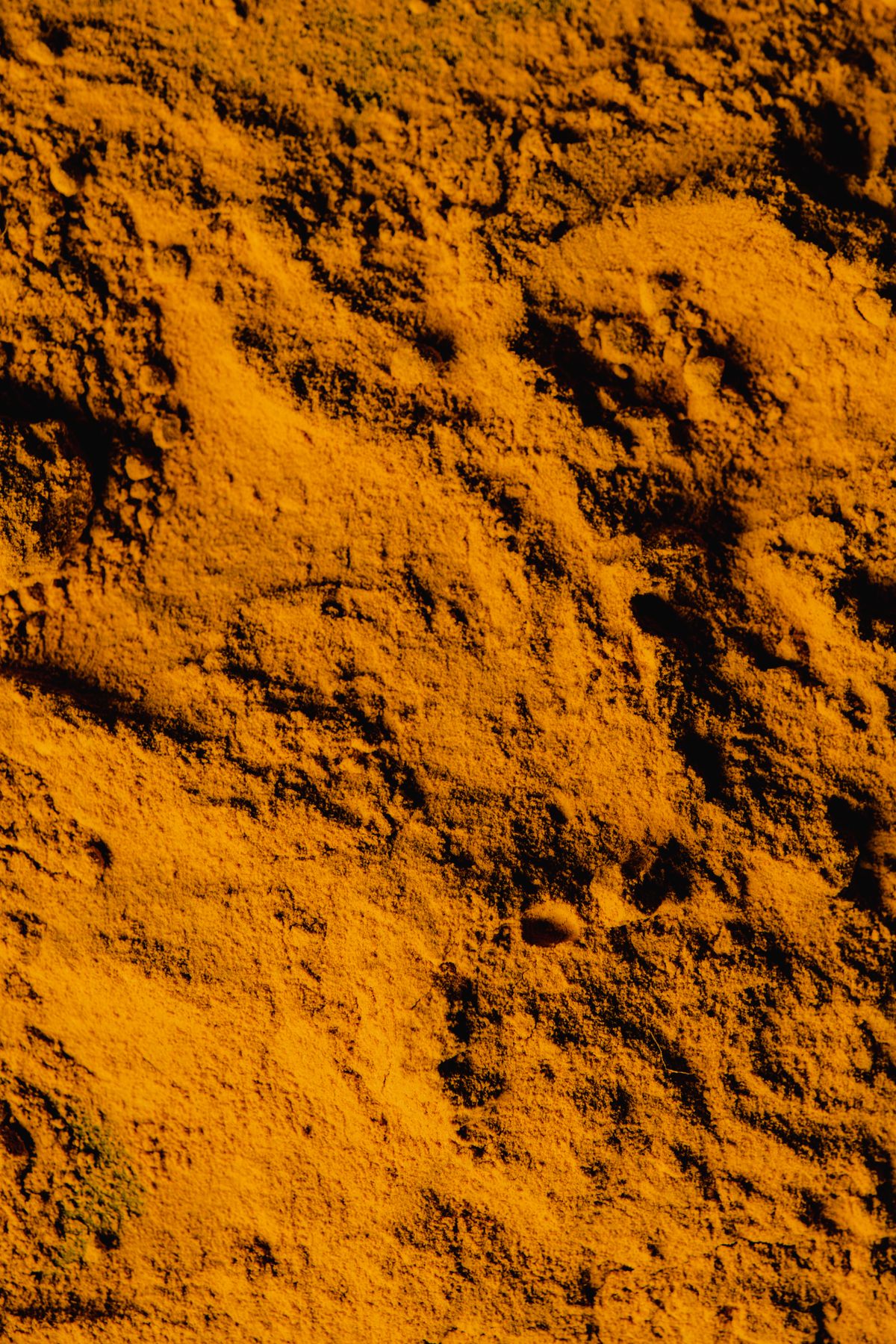
Turmeric / Curcumin Extract
Standardized curcumin extract (up to 95% curcuminoids) for high-potency anti-inflammatory supplements.