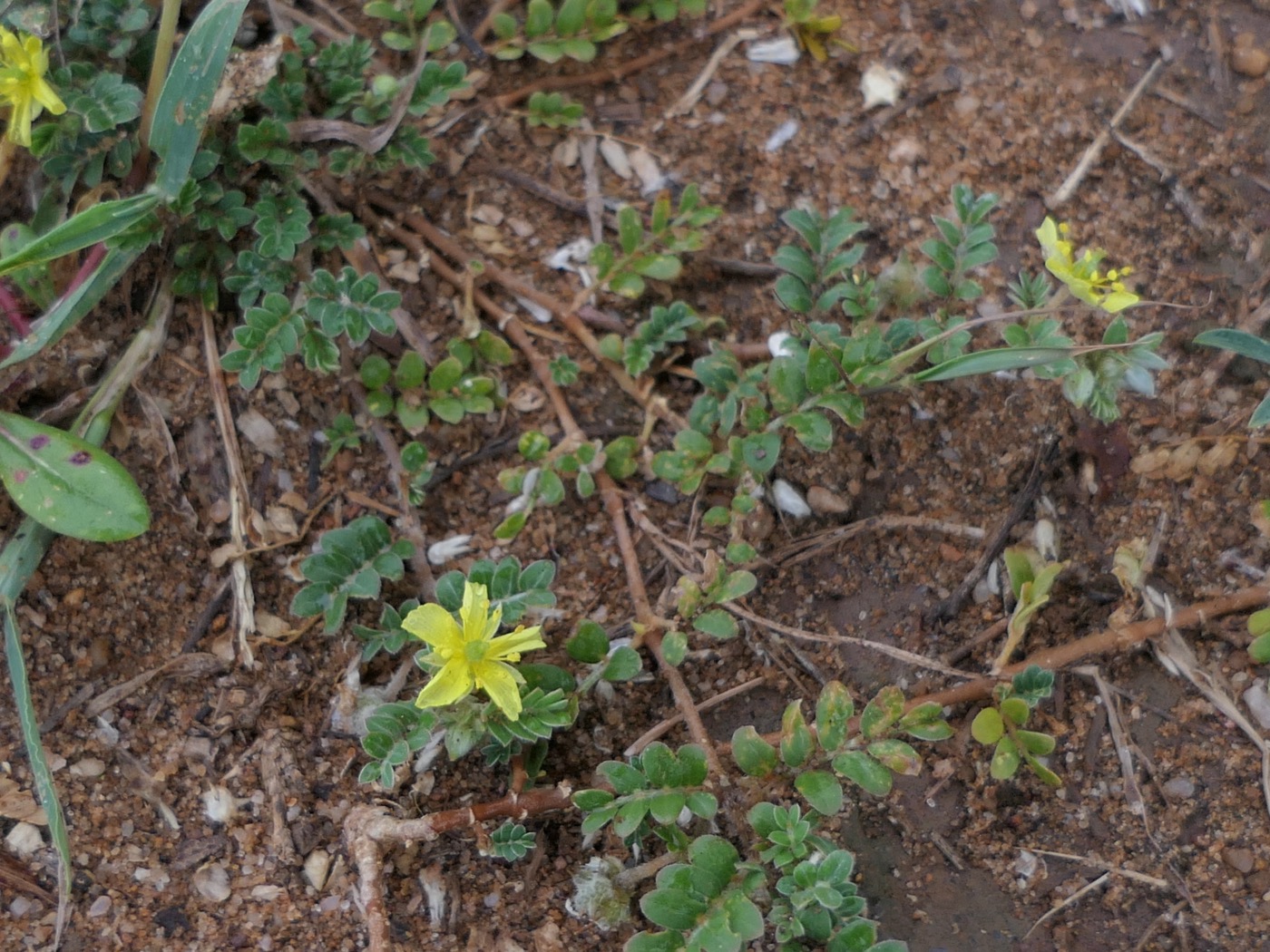
Tribulus Terrestris Extract (Saponins)
Gokshura extract from Tribulus terrestris fruit or aerial parts, standardised to 40–95% total steroidal saponins with protodioscin quantified separately by HPLC. Fenugreek-free, vegan.
Specifications
| Botanical source | Tribulus terrestris L., family Zygophyllaceae; Ayurvedic name Gokshura or Gokhru |
| Plant part | Fruit, or aerial parts (herb), fixed at order and declared on the CoA; aerial parts generally carry higher protodioscin than fruit |
| Standardisation grades | Total steroidal saponins at 40%, 45%, 60%, 90% or 95% by gravimetry or UV, commonly expressed as diosgenin |
| Protodioscin | Quantified separately by HPLC where specified; premium grade pairs NLT 95% total saponins with a stated protodioscin content |
| Analyte caution | Total saponins and protodioscin are different analytes by different methods. A 40% total saponin extract is not a 40% protodioscin extract |
| Saponin chemistry | Furostanol and spirostanol steroidal saponins including protodioscin, prototribestin, dioscin and tribestin |
| Extraction | Hydro-alcoholic extraction; residual solvent tested to the applicable ICH class limits |
| Appearance and solubility | Light brown to brown fine powder, characteristic odour; water-dispersible, soluble in aqueous ethanol |
| Particle size | NLT 95% through 80 mesh as standard; finer cuts on request |
| Identity and adulteration control | Chromatographic profile against authenticated Tribulus reference material; screened for fenugreek saponins and for Pedalium murex substitution |
| Loss on drying and ash | Loss on drying NMT 5.0%; total ash NMT 5.0%; acid-insoluble ash NMT 2.0% (typical commercial extract limits) |
| Heavy metals | Lead NMT 3 ppm, arsenic NMT 2 ppm, cadmium NMT 1 ppm, mercury NMT 0.1 ppm |
| Microbiology | Total plate count NMT 10,000 cfu/g; yeast and mould NMT 500 cfu/g; E. coli and Salmonella absent |
| Allergen and diet status | Vegan and vegetarian. No milk, egg, soy, fish, crustacean, peanut, tree nut, fenugreek or gluten source. Fenugreek-free identity confirmed per lot |
| Shelf life and storage | 24 months from manufacture in unopened original packaging, stored cool, dry and away from direct light |
| HS code | 1302.19 (13021919) |
Applications
Available grades
40%, 45%, 60%, 90% and 95% total saponins; protodioscin-specified grades by HPLC on request; fruit-sourced or aerial-part sourced. Food grade, nutraceutical grade and Ayurvedic grade.
Related products
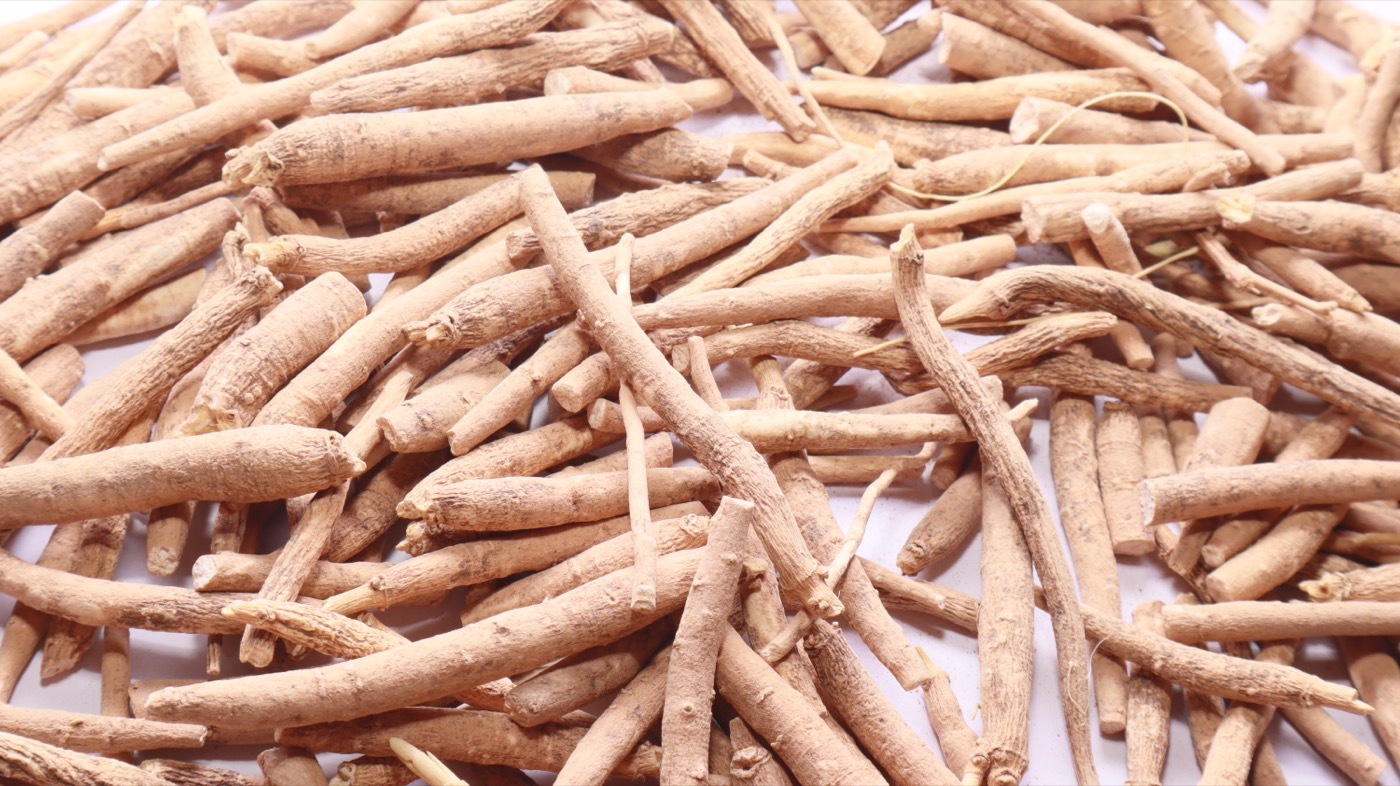
Ashwagandha Extract (Withania somnifera)
Hydro-alcoholic root extract of Withania somnifera standardised to 1.5–10% total withanolides by HPLC. Root-only material, vegan, bulk 25 kg export packing from India with batch COA.
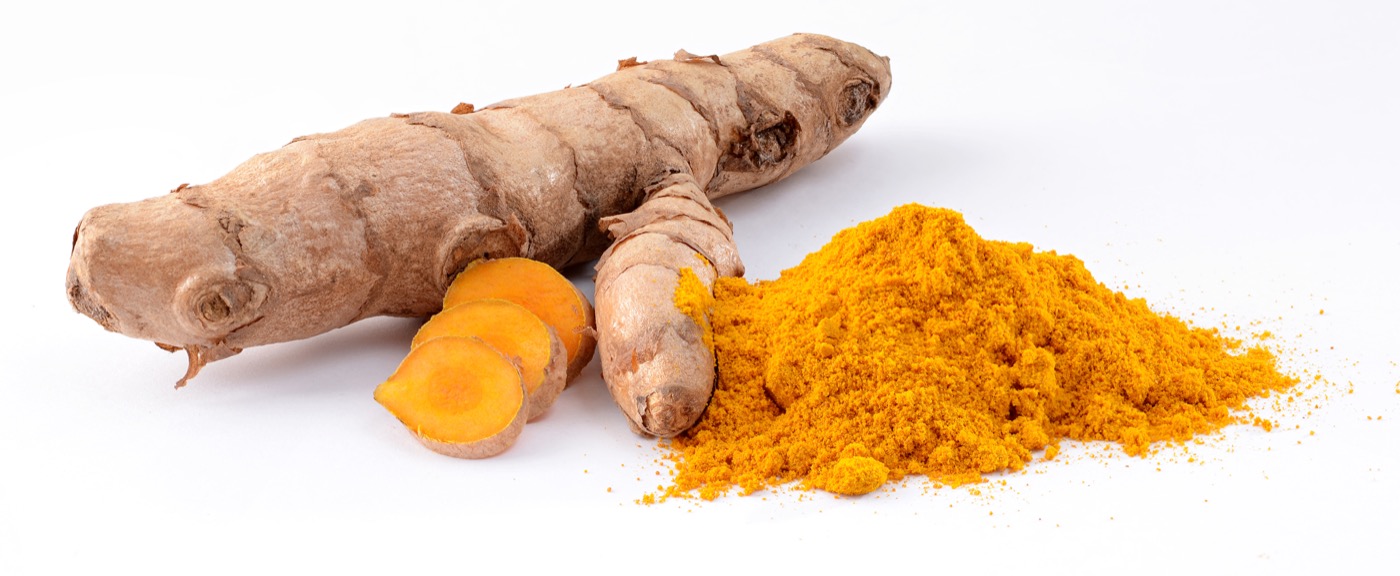
Turmeric Extract / Curcumin 95%
Purified Curcuma longa rhizome extract assaying NLT 95% total curcuminoids by HPLC, in USP curcumin / desmethoxy / bisdesmethoxy proportions. Orange-yellow crystalline powder, vegan.
Turmeric / Curcumin Extract
Standardized curcumin extract (up to 95% curcuminoids) for high-potency anti-inflammatory supplements.